
🌹 Ranunculus
What it looks like
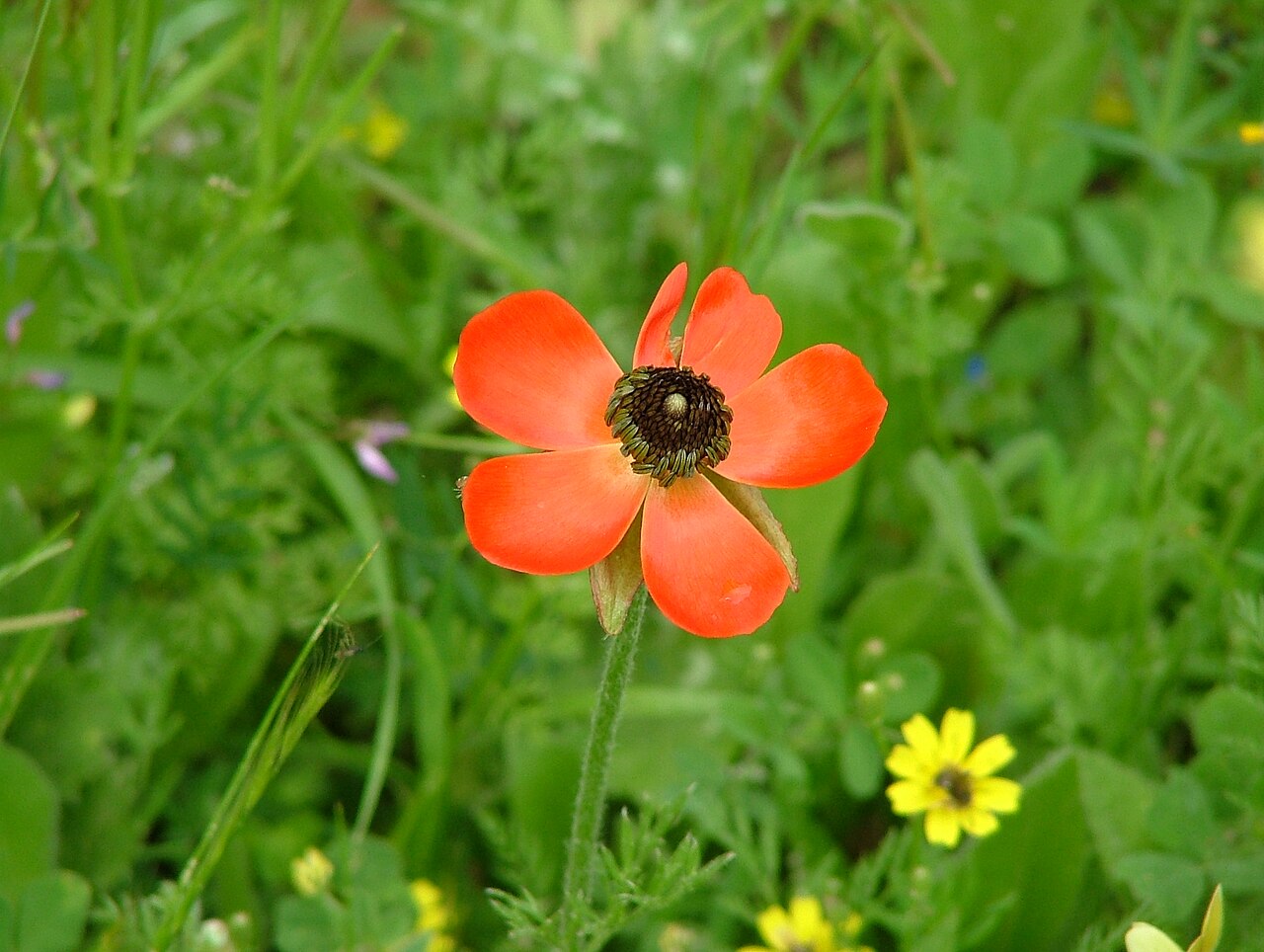
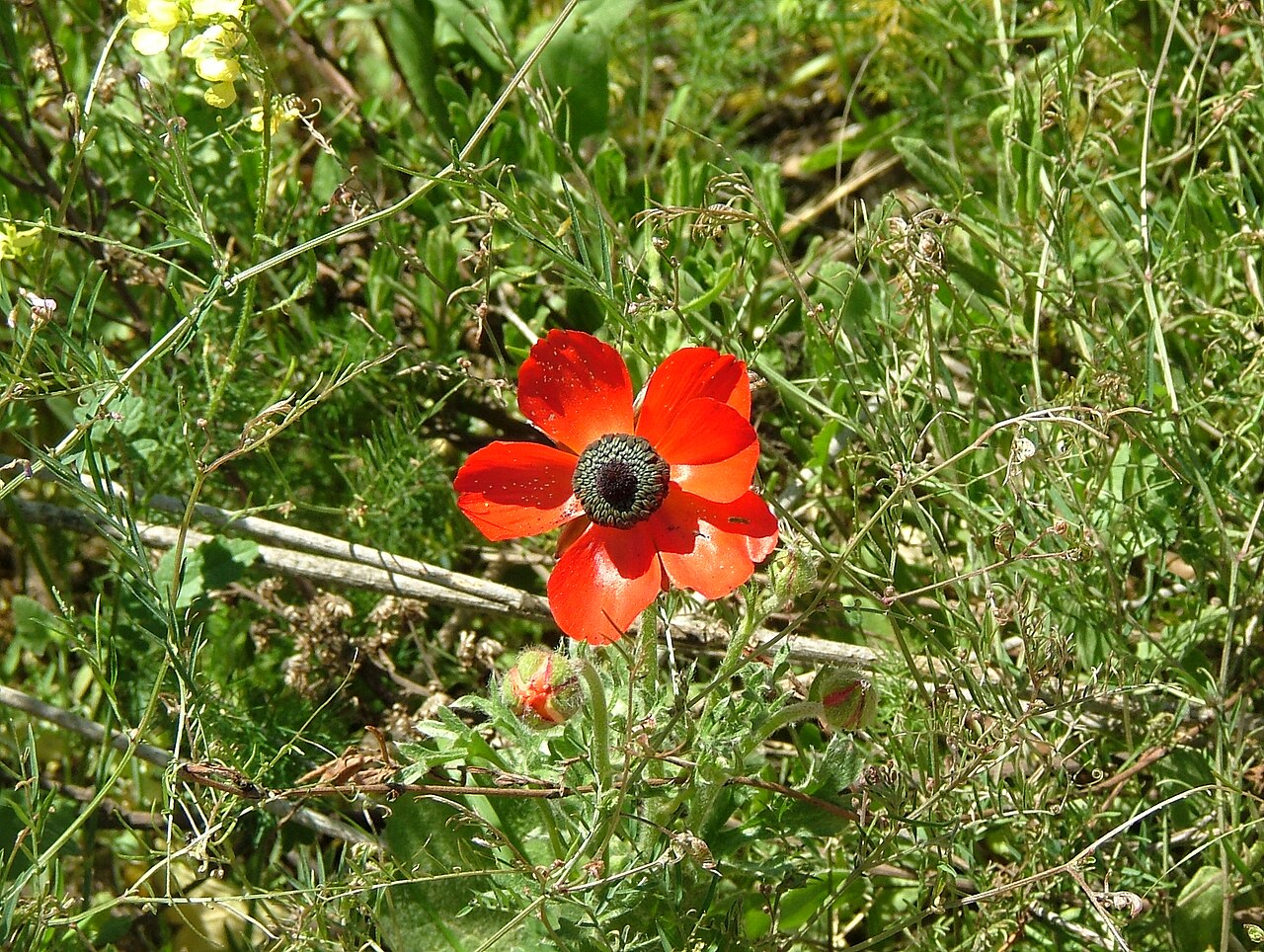
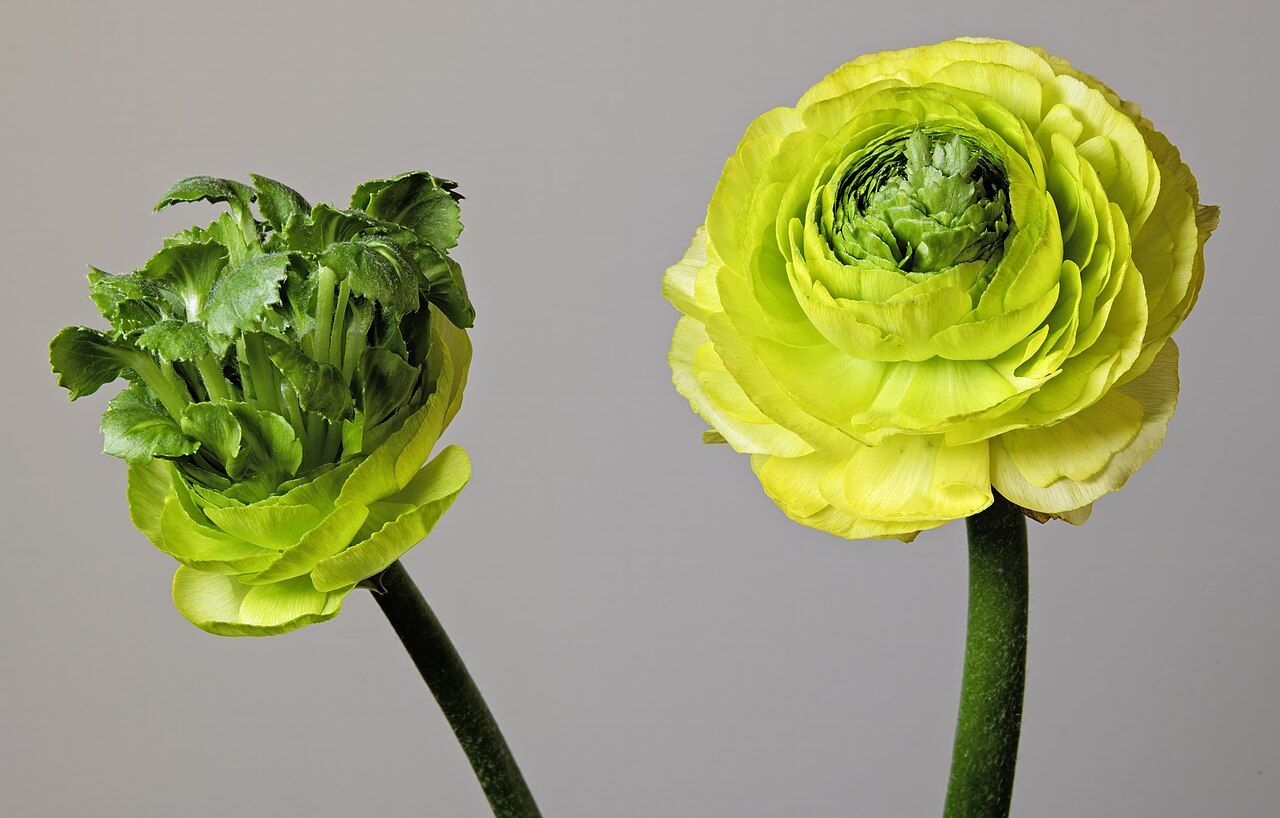
How to grow
Plant corms in fall in zones 8–10 and in early spring (as soon as soil can be worked) in colder zones — ranunculus is a cool-season flower that blooms in spring and hates heat. Soak corms for 3–4 hours before planting, plant with the ‘claws’ pointing down, and give them rich, well-drained soil in full sun. In cold climates, start corms indoors and transplant after frost, or treat them as annuals to be replanted each year. They are among the best cut flowers in the garden, with layers of petals in nearly every color except blue.
Water & feeding
Water consistently during growth and bloom — ranunculus wants steady moisture and good drainage in equal measure. After foliage yellows, stop watering and let corms go dormant.
Common problems
- Heat intolerance — blooms end fast when temperatures climb
- Rot in wet, poorly drained soil
- Aphids on buds in warm springs
Harvest
Cut when buds are showing color but not fully open — they open in the vase and last 10–14 days. Deadhead garden plants to extend bloom.
Browse all plant & pest guides
Saving seeds
Ranunculus seed is the slow road to a flower most gardeners grow from corms, and that is worth saying up front. After the flowers fade, let a few blooms stay on the plant until the seed heads dry and turn tan. Snip the heads into a paper bag, let them dry a few more days indoors, then rub them gently to free the small seeds. Winnow away the chaff and store the seed in a paper envelope in a cool, dry place.
Sow in fall or early winter, when the weather is cool — ranunculus is a cool-season plant, and its seed germinates best around 50 to 60°F. Surface-sow on a moist, well-draining mix and press the seed in lightly, barely covering it, since it needs light to germinate well. Keep it moist and cool, and expect sprouts in two to three weeks. Seedlings grow slowly at first and need steady moisture and protection from hard frost, but they will bloom in their first season if they are sown early enough.
The honesty part is the same one that applies to most named flowers: seedlings do not come true. The named varieties — the layered, tissue-paper blooms in every color — are propagated from corms for a reason, and seed from a red ranunculus may produce pink, yellow, or single flowers. Seed is for the experiment, for the surprise, and for the gardener who enjoys a mystery. If you want a specific color, buy corms.
Save seed from plants that flowered heavily and held their color well, and sow more than you need. In Florida, ranunculus is a winter annual: plant corms or sow seed in fall for flowers in late winter and spring, and expect the plants to fade when the summer heat arrives. Dry your seed thoroughly before storing it, because our humidity is the enemy of stored seed.
Varieties
Every named variety of Ranunculus with its own growing guide:
- Tecolote Orange Ranunculus — The orange ranunculus: warm apricot-orange layers that light up a cool-season border.
- Tecolote Pink Ranunculus — The pink ranunculus: layered, peony-like pink blooms on strong stems — the cut-flower classic for cool-season beds.
- Tecolote Red Ranunculus — The red ranunculus: velvety scarlet layers that glow in a spring bouquet — the boldest Tecolote.