
🌷 Tecolote Orange Ranunculus
What it looks like
Why this variety
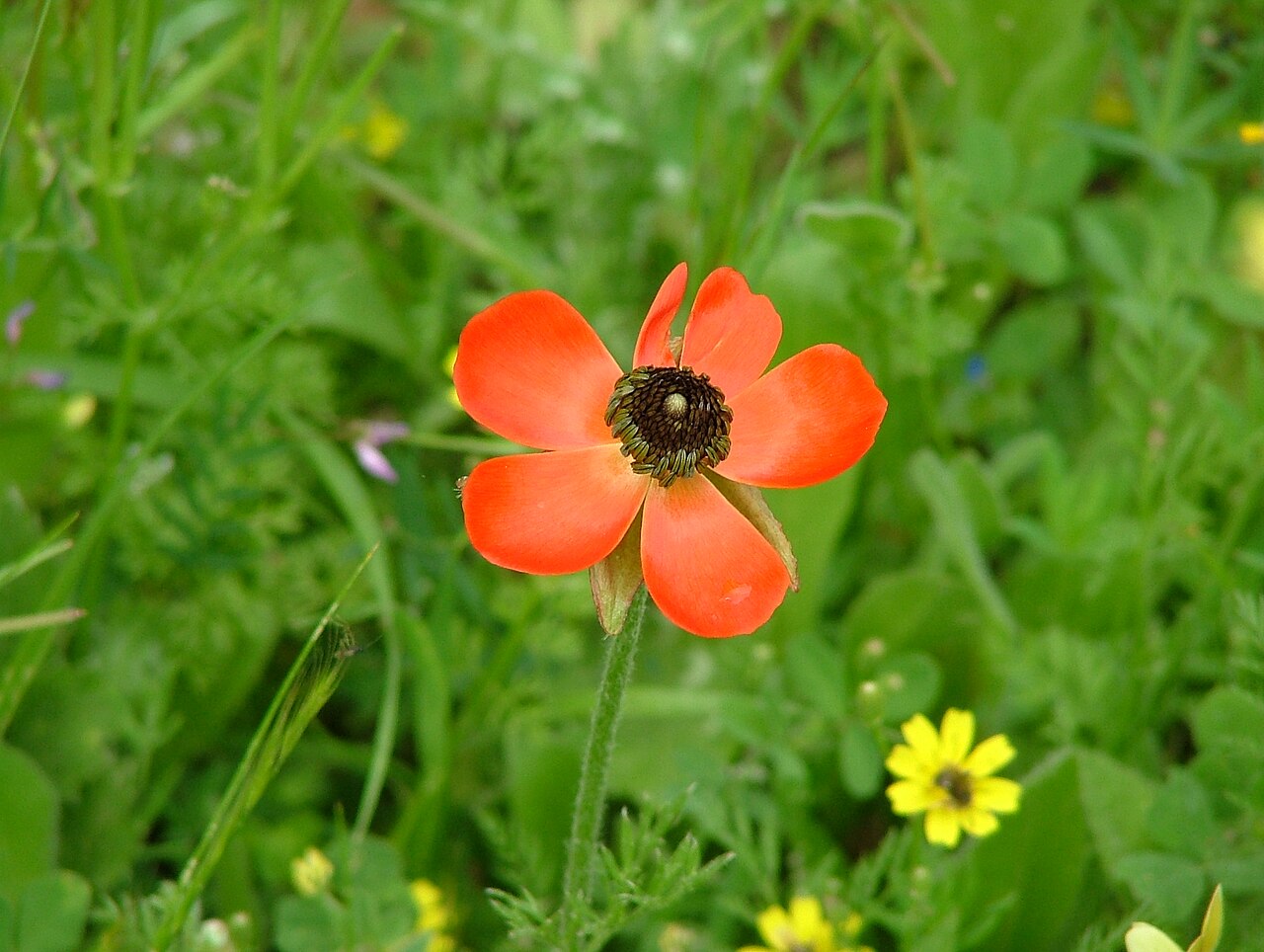
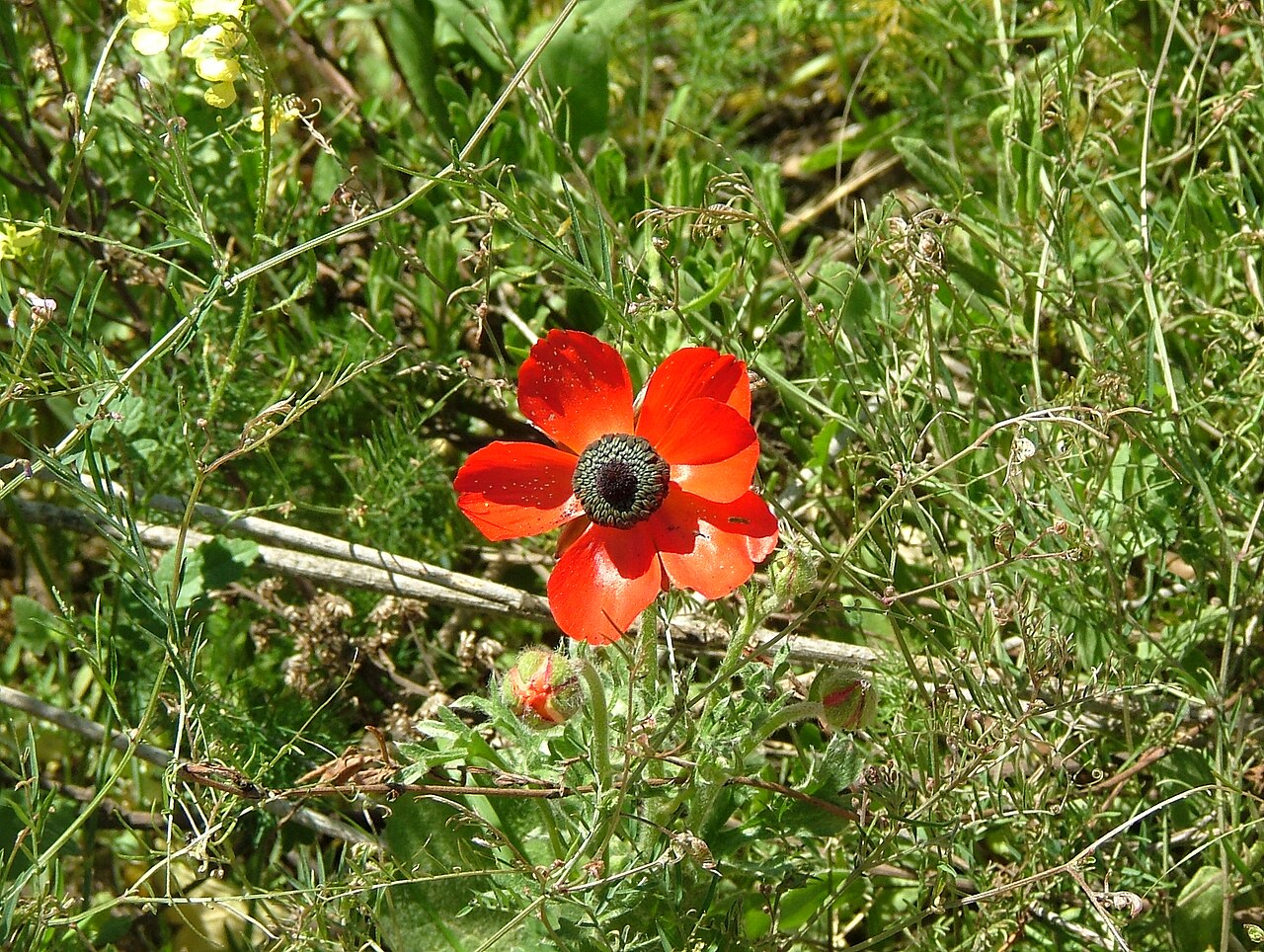
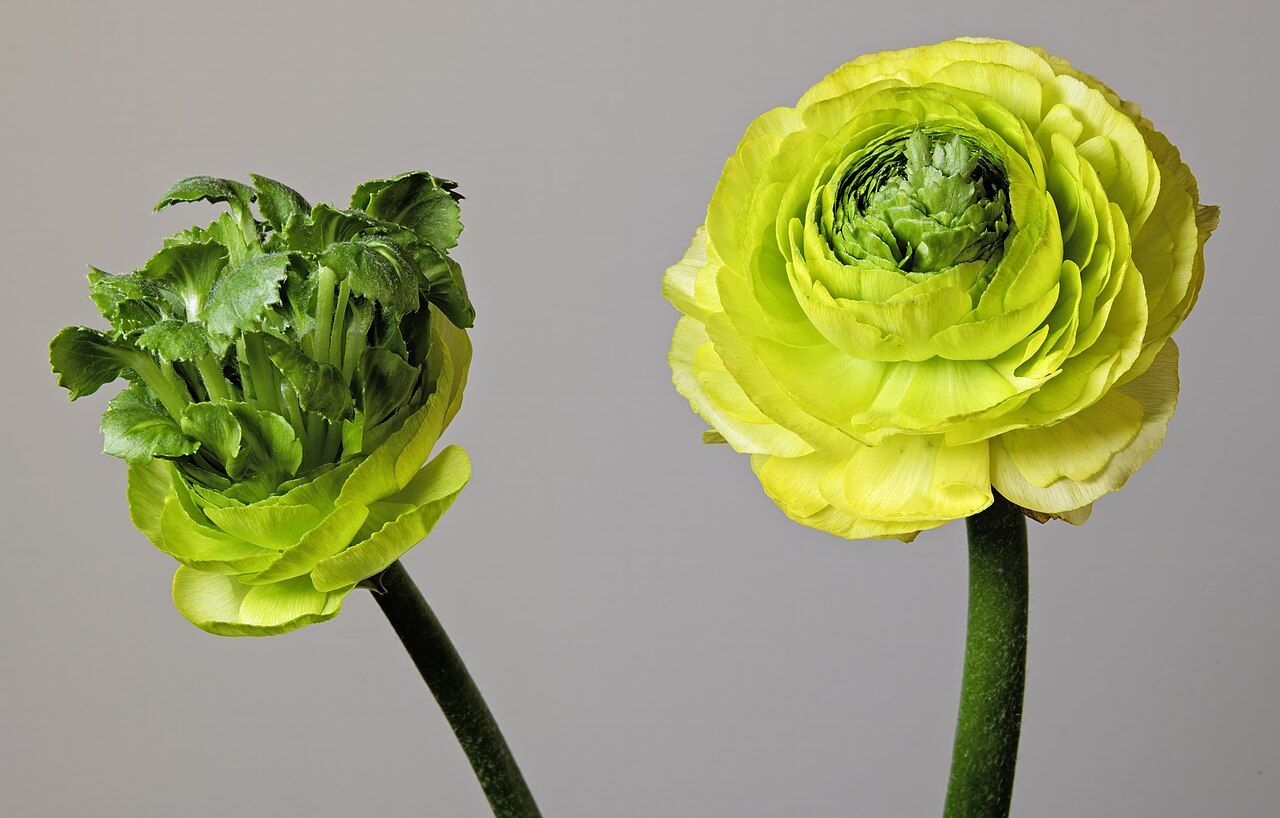
Tecolote Orange is the ranunculus for warm color in a cool season: apricot-orange, layered blooms that bring sunset tones to a spring border dominated by pinks and whites, on the same strong, cut-flower stems as the rest of the Tecolote strain. Orange is a rare color in spring flowers — most are pink, purple, or yellow — and Tecolote Orange fills that gap beautifully, pairing with purple anemones, blue muscari, and the turning green of spring foliage.
The trade-off is the same as all ranunculus: it is a cool-season plant that quits in heat, and its show is a spring sprint. Plant corms in fall after soaking, give them rich, well-drained soil and full sun, and cut stems for bouquets as they open. When foliage yellows in late spring, dig and store corms or replant fresh ones next fall. Orange petals hold their color in a vase better than red ones, which is a small consolation for a short season.
If you are new to choosing between cultivars, the Varieties Matter guide explains why the name after the plant matters as much as the plant itself. Tecolote Orange is a perfect example: it is not just a ranunculus in the abstract, it is a ranunculus with a specific job, a specific history, and specific strengths.
Florida honesty, stated plainly: ranunculus is a North Florida cool-season trial, not a statewide promise, and Tecolote Orange’s warm color is best enjoyed in the cool of a North Florida spring. In North Florida, plant corms in fall in rich, well-drained soil, and cut the orange show before heat arrives. In Central and South Florida, expect a short, early show at best, and plant it as a fun annual experiment.
How to grow
Plant corms in fall, 2 inches deep, in rich, well-drained soil in full sun — ranunculus is a cool-season plant that wants cool weather, rich soil, and steady moisture. Soak corms for a few hours before planting (they look like tiny dried octopuses and plump up overnight), work worm castings and compost into the bed at planting, and mark the spot, because the foliage dies back by late spring and the bed will look empty.
Set plants 6-9 inches apart, corms 2 inches deep in soil with a pH around 6.0-7.0. Work worm castings into the bed at planting and mulch to hold moisture. A well-fed ranunculus plant rewards that care directly: steadier growth, better bloom, and a show that actually shows up.
Water & feeding
Keep soil evenly moist but never waterlogged — ranunculus wants steady moisture and good drainage, not swamp and not drought. Water at the soil line, mulch to hold moisture, and feed moderately: castings and compost at planting plus a balanced liquid feed during growth. After the foliage yellows in late spring, reduce watering and let the corms rest until fall.
Common problems
- Heat ending the show early — ranunculus quits when warm weather arrives; plant in fall for a spring show, not in spring for a summer one.
- Corm rot in waterlogged soil — ranunculus wants moist soil, not standing water; improve drainage and plant corms shallow.
- Failure to sprout from dried corms — soak corms for a few hours before planting; unsoaked corms can take weeks to wake up, or never do.
- Aphids on new growth — blast with water and encourage ladybugs; avoid broad-spectrum sprays.
- Short show in warm climates — in warm zones, treat ranunculus as a spring sprint, not a season-long perennial.
Harvest
Cut stems for bouquets in spring, when blooms are fully open — ranunculus lasts well in water, a week or more, and its layered blooms suit any spring arrangement. Cut in the cool of the morning, when the flowers are fully colored but not yet fully open, for the longest vase life. When the foliage yellows in late spring, dig corms, dry them, and store them cool and dry for fall replanting — or treat the plant as a glorious annual and buy fresh corms next year.
Browse all plant & pest guides
Saving seeds
Tecolote Orange is the ranunculus for warm color in a cool season: apricot-orange, layered blooms that bring sunset tones to a spring border dominated by pinks and whites, on the same strong, cut-flower stems as the rest of the Tecolote strain. Orange is a rare color in spring flowers — most are pink, purple, or yellow — and Tecolote Orange fills that gap beautifully, pairing with purple anemones, blue muscari, and the turning green of spring foliage. The trade-off is the same as all ranunculus: it is a cool-season plant that quits in heat, and its show is a spring sprint. Orange petals hold their color in a vase better than red ones, which is a small consolation for a short season. The Tecolote strain is grown from corms, not from saved seed — plant corms in fall after soaking, give them rich, well-drained soil and full sun, and cut stems for bouquets as they open. When foliage yellows in late spring, dig and store the corms or replant fresh ones next fall. Plant corms in fall, 2 inches deep, in rich, well-drained soil in full sun — ranunculus is a cool-season plant that wants cool weather, rich soil, and steady moisture. Soak corms for a few hours before planting (they look like tiny dried octopuses and plump up overnight), work worm castings and compost into the bed at planting, and mark the spot, because the foliage dies back by late spring and the bed will look empty. Set plants 6-9 inches apart, corms 2 inches deep in soil with a pH around 6.0-7.0. The full method is in the Saving seeds section of the Ranunculus guide.