
🥬 Red Giant Mustard Greens
What it looks like
Why this variety
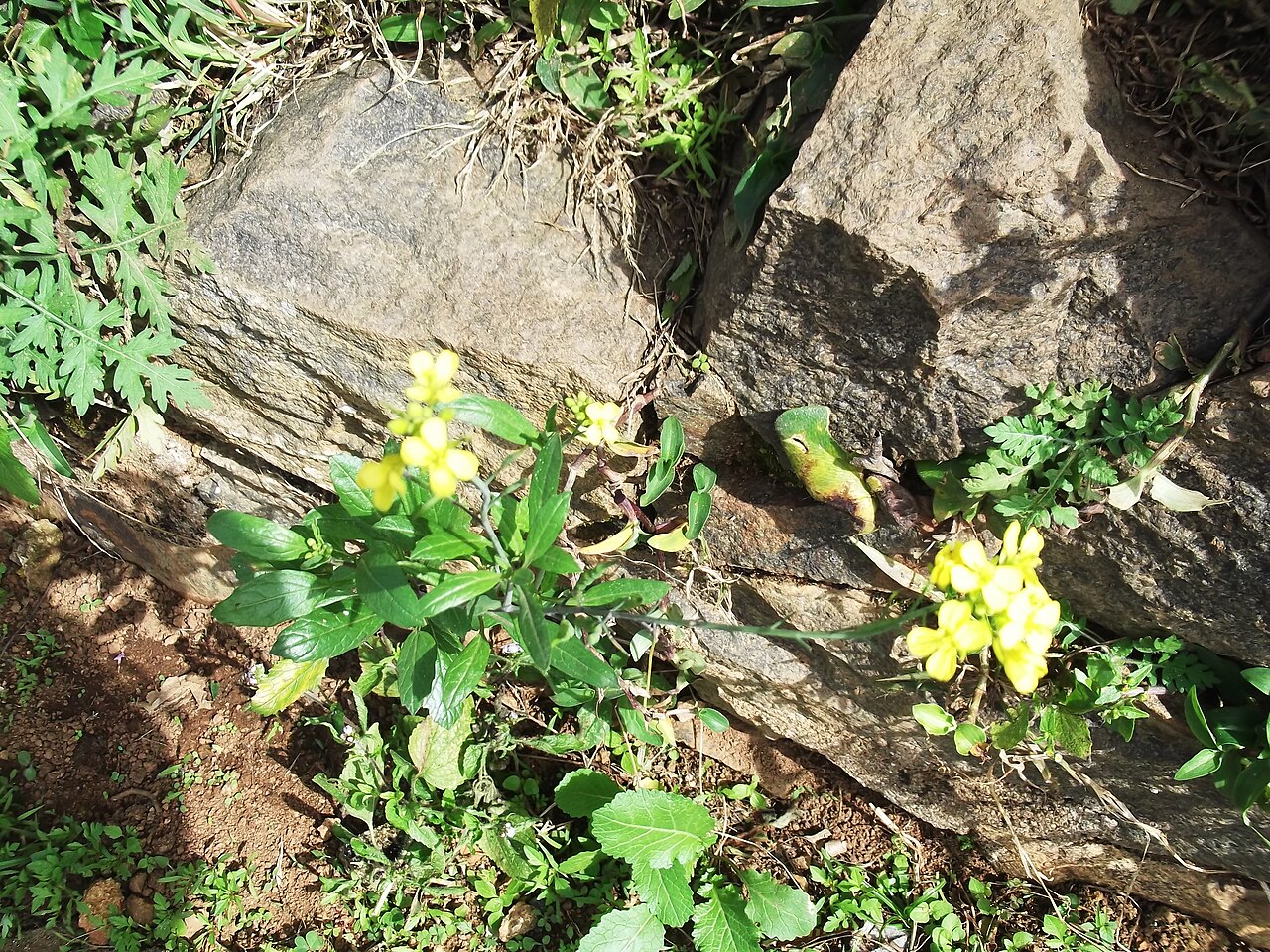
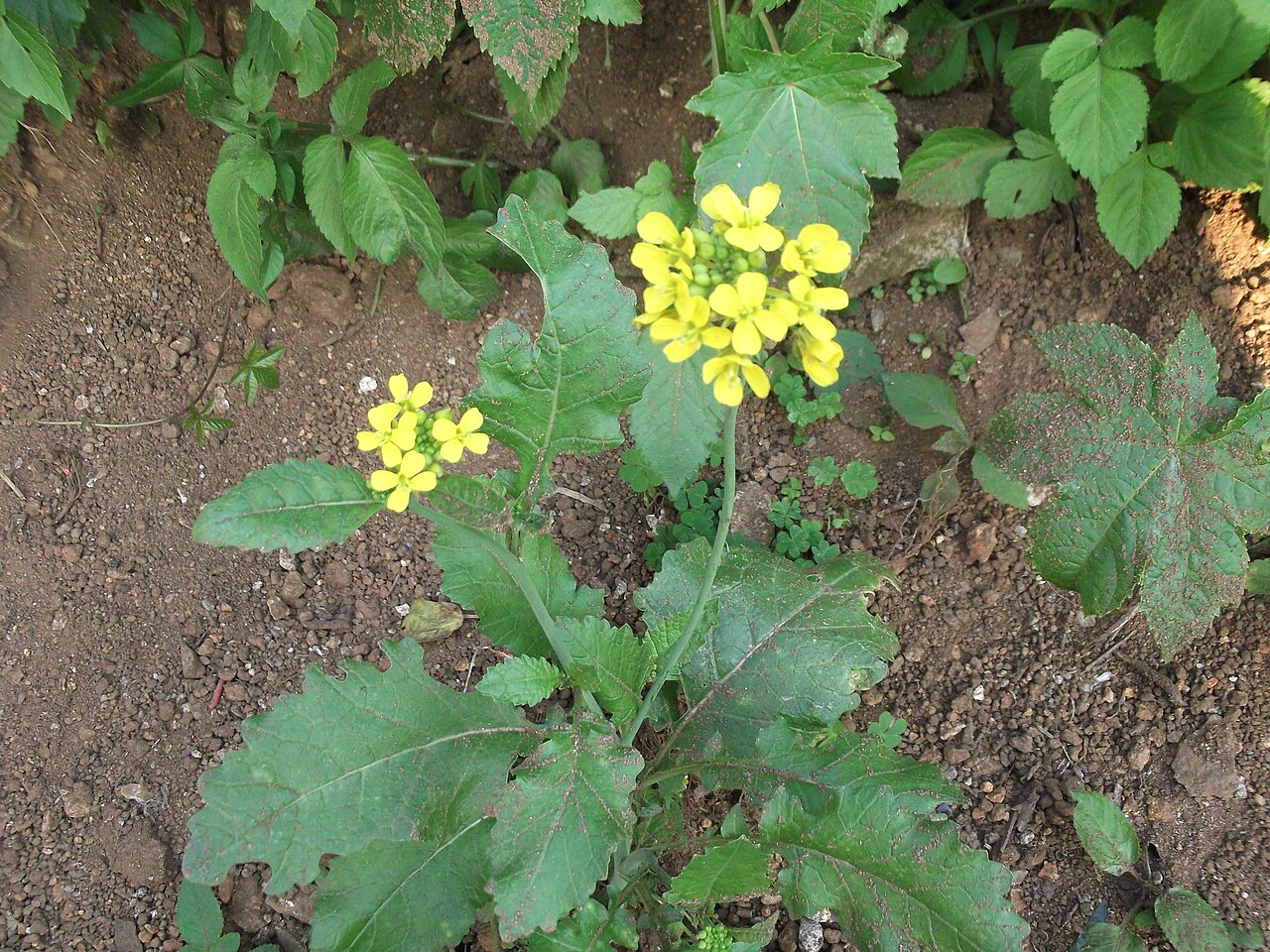
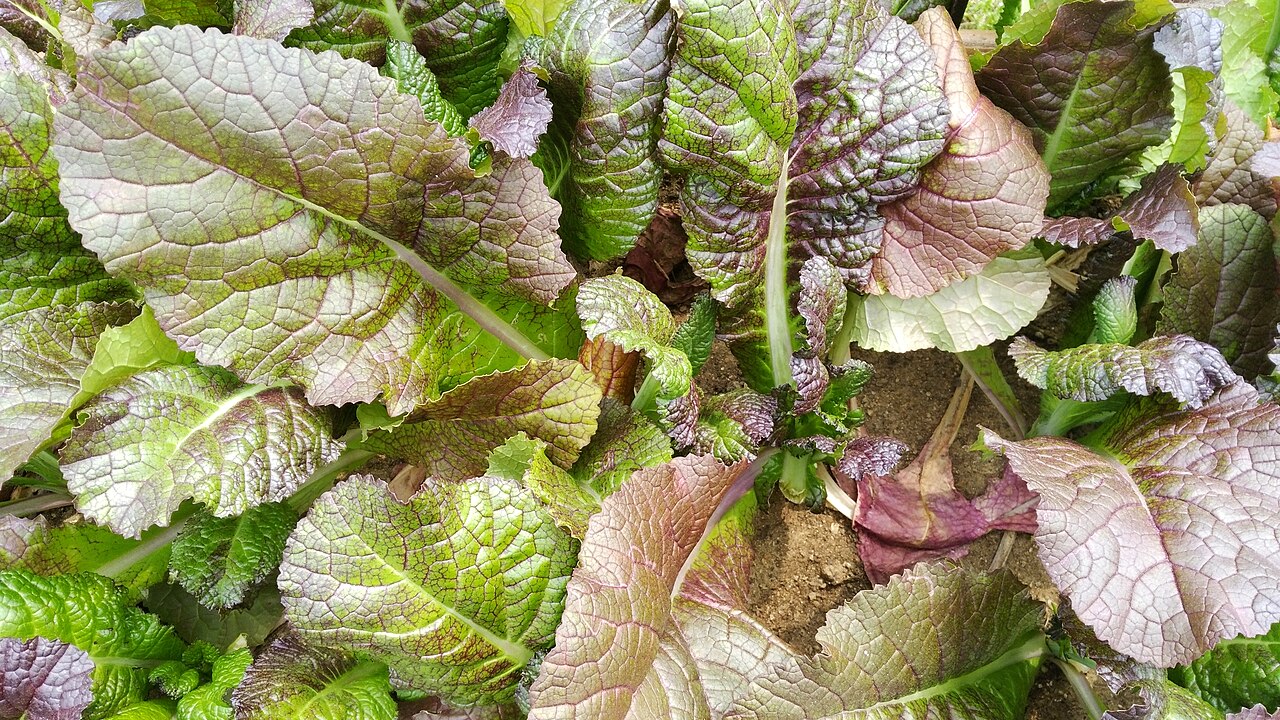
Red Giant is the Japanese mustard green with a dramatic streak: broad, savoyed leaves flushed deep purple-red, with a sharp, clean mustard bite and a color that deepens in cool weather. It is the mustard for gardeners who want their greens bed to look like something, and their salads to taste like something — both, at once, in about 45 days.
Red Giant’s color is not just cosmetic: the purple comes from anthocyanins, and the leaves hold their color in salads while turning a duskier tone when cooked. It is also one of the most cold-tolerant mustards, shrugging off light frosts that finish tender greens, which extends its season on both ends in cool climates.
If you are new to choosing between cultivars, the Varieties Matter guide explains why the name after the plant matters as much as the plant itself. And if you want the whole clan at a glance, the broader Mustard Greens guide covers mustard greens generally.
How to grow
In Florida, mustard greens are a fall-through-spring staple: sow from fall into winter, harvest leaves young for mild flavor or full-size for the full peppery punch, and succession-sow for a steady supply. A light frost sweetens them, and a warm spell turns them hotter and quicker to bolt — pick early and often in a warm spring.
Sow directly or transplant 12 inches apart in rich, moist soil. Red Giant appreciates cool weather for its best color and flavor — sow in fall for the deepest purple, and succession-sow through the cool season. A light frost sweetens it; a hard freeze will finish it, so harvest ahead of a predicted cold snap.
Water & feeding
Mustard greens grow fast and drink steadily. Keep the soil evenly moist, mulch to hold that moisture, and feed with compost at planting and again halfway to harvest. Drought stress turns the flavor from pleasantly peppery to punishingly hot, so keep the hose handy.
Common problems
Flea beetles, cabbage worms, and harlequin bugs are the main pests; row cover at sowing time is the simplest fix. Heat fades the color and pushes bolting, so in a warm climate, plant Red Giant for fall and winter, not midsummer.
Harvest
Harvest young leaves for salads — the purple is at its showiest raw — or full-size leaves for cooking, where the bite mellows but the color deepens to a rich wine tone. Cut outer leaves and let the center regrow for a longer harvest.
Nerdy fact: Red Giant is sometimes sold as Japanese Giant Red Mustard, and it is a staple of Japanese pickling as well as salads — takana, the pickled mustard leaf, is a close cousin of this plant, which means your salad green is also a pickle waiting to happen.
Saving seeds
Red Giant is the Japanese mustard green with a dramatic streak: broad, savoyed leaves flushed deep purple-red, with a sharp, clean mustard bite and a color that deepens in cool weather. It is the mustard for gardeners who want their greens bed to look like something, and their salads to taste like something — both, at once, in about 45 days. As an open-pollinated mustard it comes true from seed: in Florida, mustard greens are a fall-through-spring staple — sow from fall into winter, harvest leaves young for mild flavor or full-size for the full peppery punch, and succession-sow for a steady supply. Sow directly or transplant 12 inches apart in rich, moist soil. Red Giant appreciates cool weather for its best color and flavor — sow in fall for the deepest purple. The full method is in the Saving seeds section of the Mustard Greens guide.