
🥬 Red Kingdom Mizuna: Growing Guide
What it looks like
Why this variety
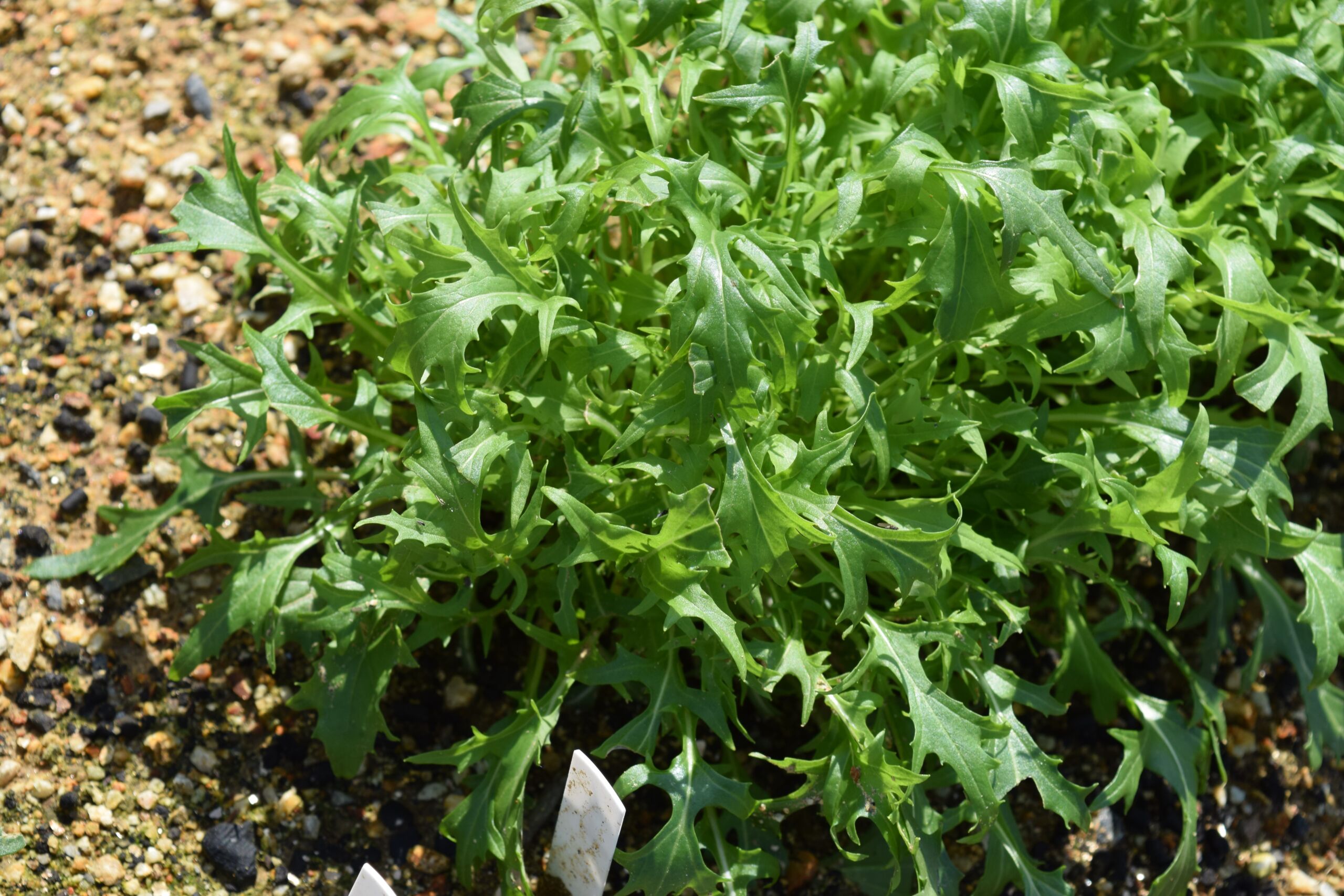
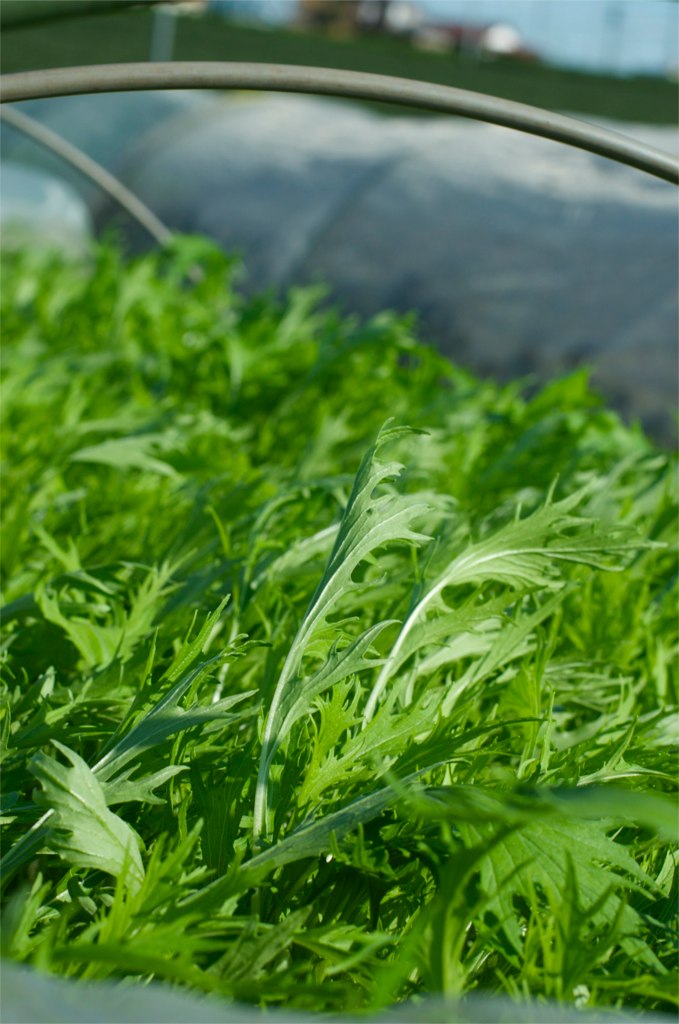
Red Kingdom is mizuna in autumn colors: the same feathery, deeply serrated leaves as classic mizuna, flushed deep red-purple, with the same mild, peppery-mustard flavor and the same cut-and-come-again habit. It is the mizuna to plant when the salad bowl needs color as much as flavor, and it delivers both without any extra work.
Red mizuna’s color is anthocyanin again — the pigment that paints red lettuce, purple bok choy, and autumn leaves. In mizuna, the red flush deepens with cool nights and bright days, so fall-grown Red Kingdom is the reddest, and the color is a rough guide to flavor too: redder leaves tend to be very slightly more assertive than green ones, though Red Kingdom stays firmly on the mild side of mustard.
Florida translation: Red Kingdom is a fall-through-spring green here, and it is at its best in Florida’s winter beds, where cool nights paint it deep red and the cut-and-come-again habit gives months of picking from one sowing. Sow it in fall, cut outer leaves or whole young plants, and succession-sow every few weeks — a red mizuna patch next to green mizuna is the prettiest salad bed in the winter garden.
How to grow
Sow Red Kingdom Mizuna directly, thin to the spacing in the hero block, and succession-sow every two weeks. Mizuna is a cut-and-come-again green by breeding: Japanese growers selected plants that resprout vigorously after cutting, so one sowing becomes a season of harvests if you cut rather than pull.
In Florida, mizuna is a fall-through-spring crop. It tolerates light frost and even sweetens after a cold snap, but summer heat bolts it fast — treat a spring sowing as a short, glorious run and the fall sowing as the main event.
Water & feeding
Keep soil evenly moist: mizuna grows fast and shallow, and a dried-out bed bolts it in a hurry. About an inch a week, mulch lightly, and feed modestly — worm castings at sowing and one light side-dress if growth looks pale. Over-fertilizing grows soft leaves that wilt in the pan instead of holding their feathery shape.
Common problems
Flea beetles pepper young leaves with shot-holes; row cover from sowing day is the simplest fix, and plants usually outgrow early damage. Cabbage worms and aphids show up on lush growth — hand-pick or blast with water, and inspect cut leaves before they reach the salad bowl.
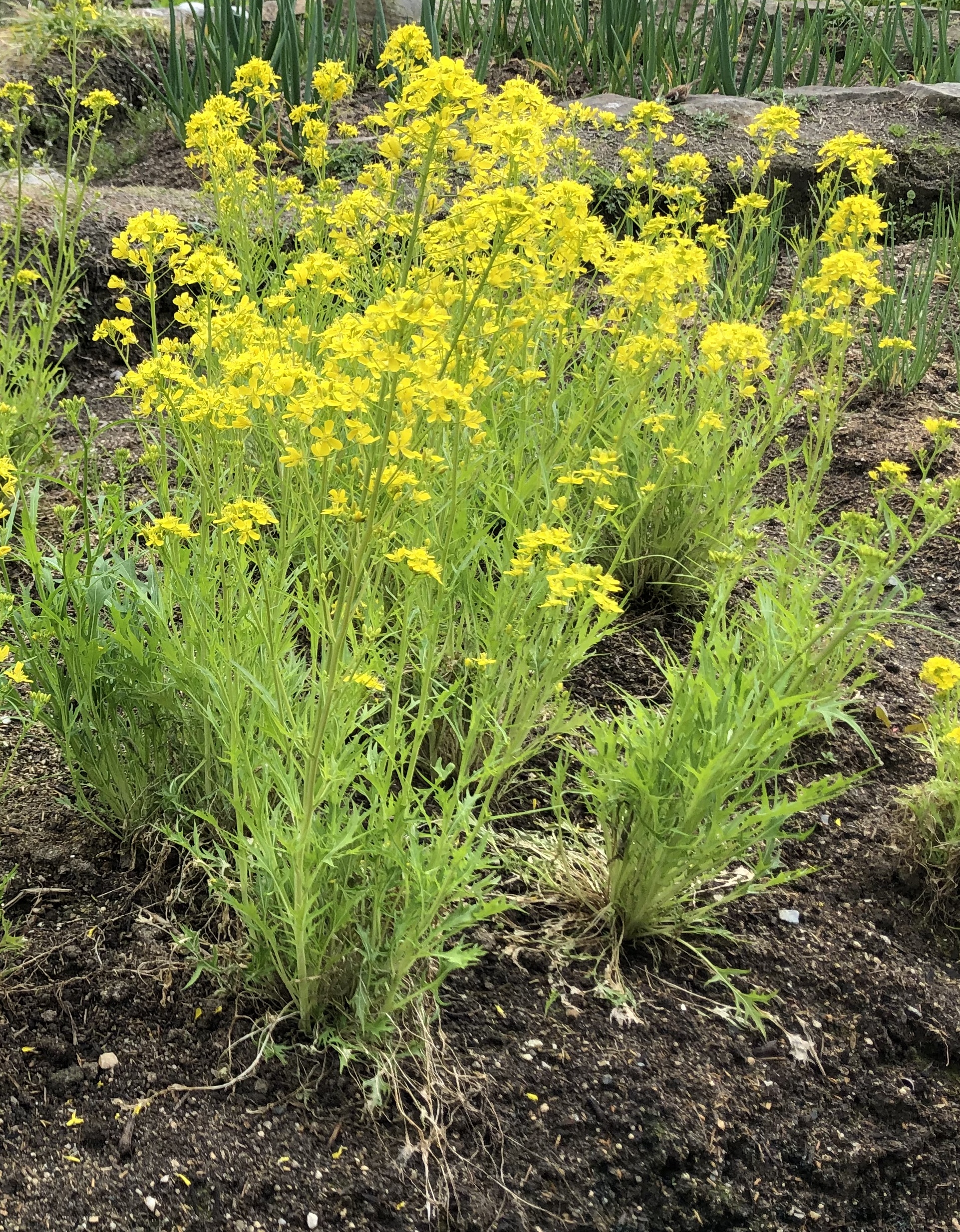
Bolting is heat-driven: once days lengthen and warm, mizuna flowers. Let a plant or two flower for seed if you like, but pull bolted plants from the salad bed — the leaves turn sharp and tough once flowering starts.
Harvest
Snip Red Kingdom Mizuna as baby leaf from about 20 days, or cut whole plants at full size. For cut-and-come-again, cut an inch or two above the crown and let it resprout; a healthy plant gives three or four cuttings. Rinse gently — feathery leaves bruise easily — and use the same day for the peppery-sweet flavor at its best.
Nerdy fact: Red Kingdom’s red is the same pigment family that colors red cabbage and purple carrots — anthocyanins, which plants make as sunscreen and antioxidants, and which happen to make salads look like someone hired a food stylist.
Saving seeds
Red Kingdom is mizuna in autumn colors: the same feathery, deeply serrated leaves as classic mizuna, flushed deep red-purple, with the same mild, peppery-mustard flavor and the same cut-and-come-again habit. It is the mizuna to plant when the salad bowl needs color as much as flavor, and it delivers both without any extra work. Red mizuna’s color is anthocyanin again — the pigment that paints red lettuce, purple bok choy, and autumn leaves. As an open-pollinated mizuna it comes true from seed: sow Red Kingdom Mizuna directly, thin to the spacing in the hero block, and succession-sow every two weeks. Mizuna is a cut-and-come-again green by breeding — Japanese growers selected plants that resprout vigorously after cutting, so one sowing becomes a season of harvests if you cut rather than pull. In Florida, mizuna is a fall-through-spring crop. The full method is in the Saving seeds section of the Mizuna guide.