
🥬 Red Mizuna
What it looks like
Why this variety
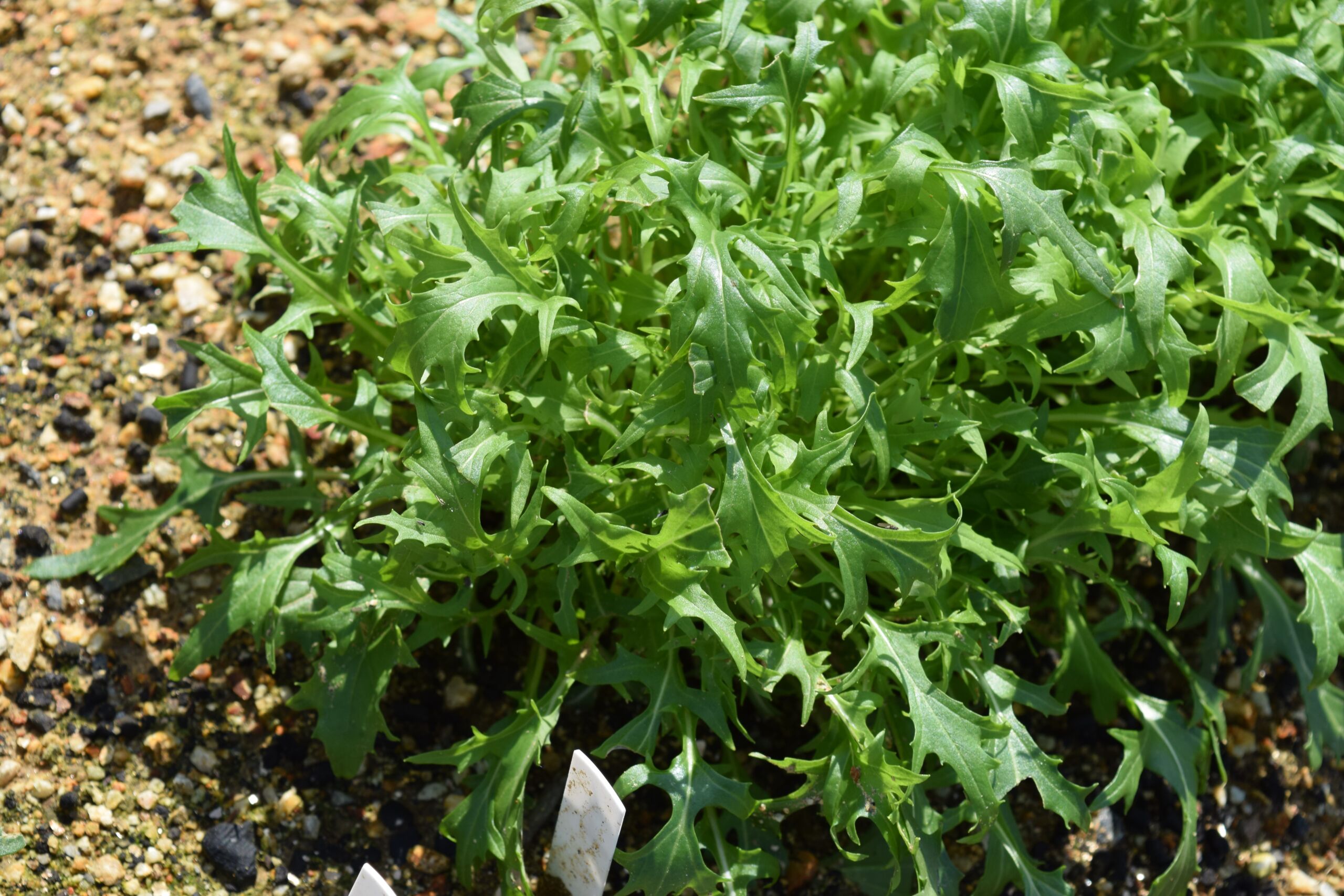
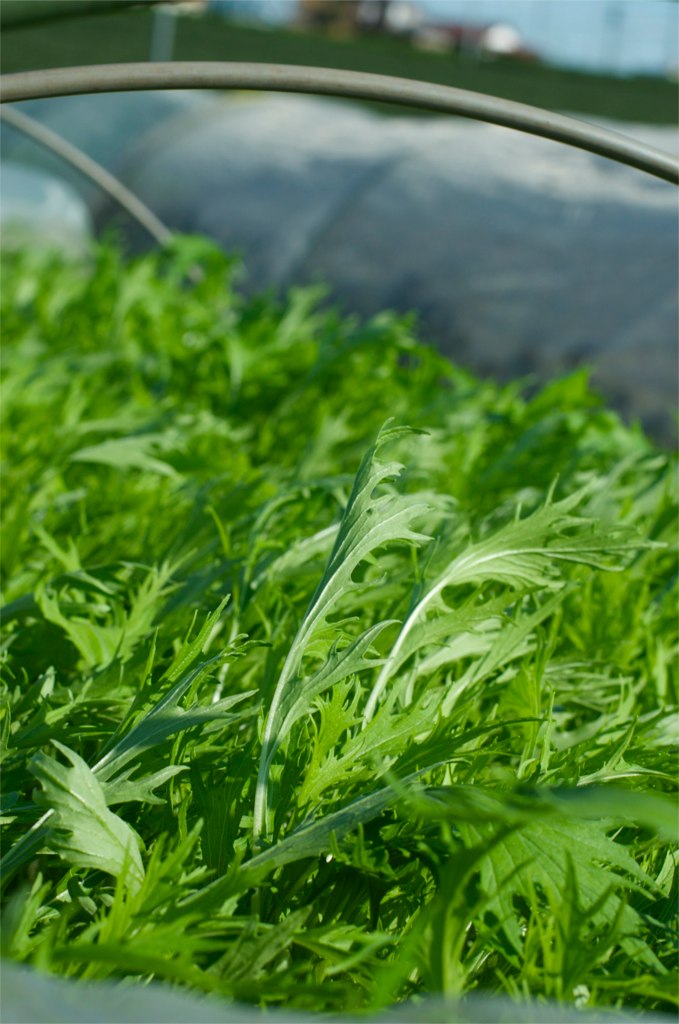
Red Mizuna is the open-pollinated red mizuna: deeply cut, lacy leaves in full red, with a subtle mustard flavor that adds complexity to salad mixes without overpowering them. At 35–40 days it is quick, compact, and cold-hardy — cold weather actually sweetens the flavor, which makes it a natural for fall and winter beds.
It differs from Purple Mizuna in color and habit: Red Mizuna runs truly red rather than violet-flushed, and stays compact, which suits small beds and containers. Harvest it young for the most tender leaves; larger leaves are still good but turn tougher and sharper, which is true of most mizunas.
How to grow
Sow seeds 1/4 inch deep, direct in the bed. Thin to 4–6 inches apart for baby leaf, or 8–12 inches apart for full plants, with rows 18 inches apart. Mizuna is absurdly fast — baby leaf in about 20–30 days, full plants in 30–50 — so succession-sow every two weeks through the cool season for a continuous supply.
In Florida, mizuna is a fall-through-spring green that also grows through mild winters. It bolts fast in heat and long days, so treat it as a cool-season crop and plant the last sowing to finish before sustained warmth. Rich, moist soil keeps the feathery leaves tender; dry, poor soil makes them tough and sharply mustardy.
Water & feeding
Mizuna wants steady moisture — about an inch a week at the soil line, with mulch to hold it. Its fine, feathery leaves wilt fast in a dry spell and turn tough if the plant is stressed, so in sandy soil water more often in smaller doses. Feed lightly with worm castings at planting; mizuna is a light feeder, and heavy nitrogen grows rank, floppy plants that aphids love. Water in the morning so leaves dry before night.
Common problems
- Flea beetles — tiny shot-holes in the fine leaves. Row cover at sowing is the simplest prevention; vigorous plants outgrow light damage.
- Aphids — clusters on undersides and in the crown. Blast with water or use insecticidal soap; mizuna usually outgrows light pressure.
- Slugs and snails — ragged holes and slime trails, worst in wet weather. Beer traps and boards flipped in the morning help.
- Cabbageworms and loopers — green caterpillars on the leaves. Hand-pick or use Bt spray.
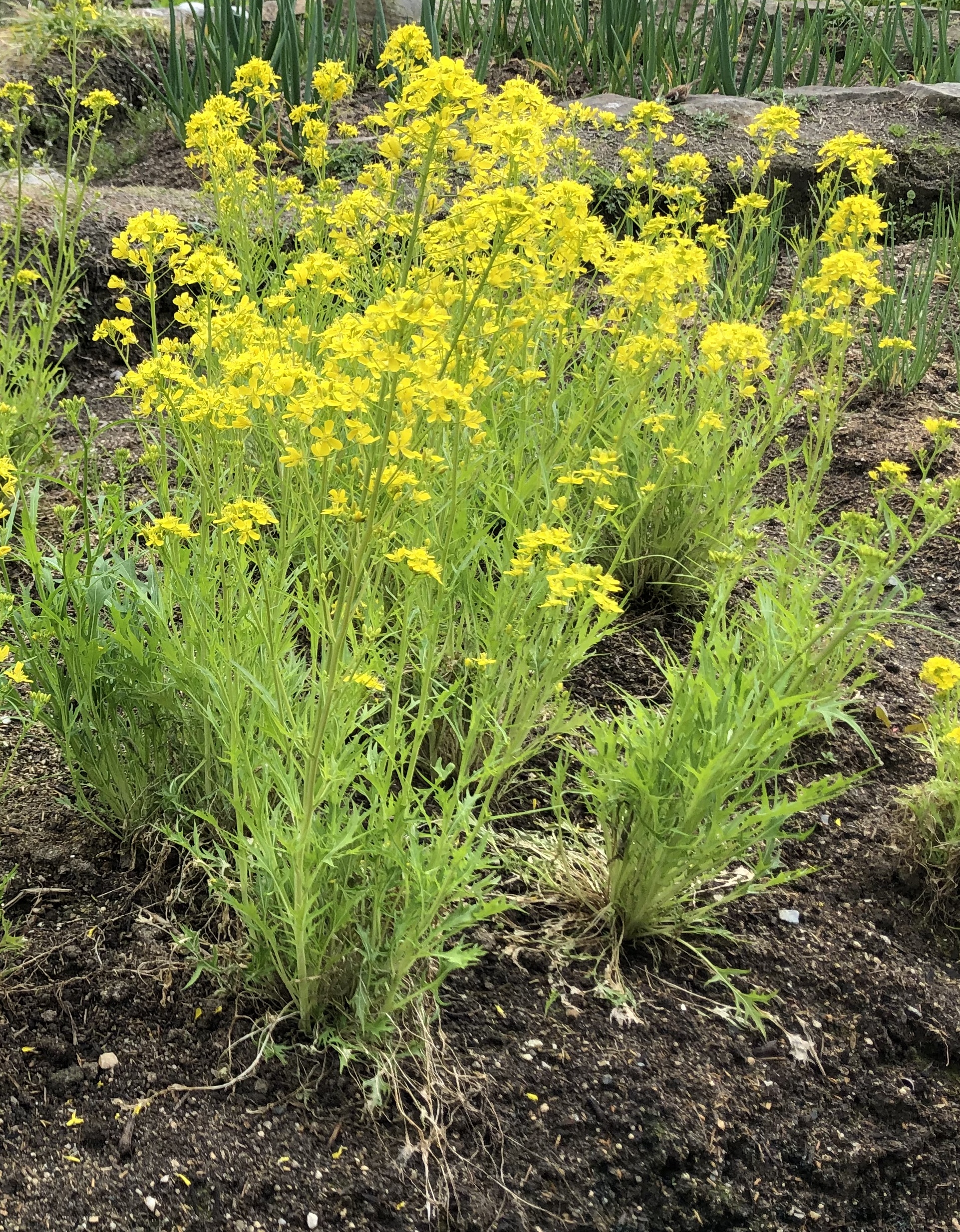
- Bolting in heat and long days — a central stalk means flavor is about to turn sharp. Harvest promptly, plant for cool months, and succession-sow.
- Downy mildew — fuzzy gray patches under leaves in humid weather. Give airflow, water at the base, and remove affected leaves.
Harvest
Snip outer leaves at any size, or cut the whole plant at the base when full — mizuna regrows from the crown after a cut, giving a second and sometimes third harvest. Baby leaves at 20–30 days are the most tender; full plants at 30–50 days are best for cooking. Harvest in the morning, rinse gently (the feathery leaves bruise easily), and use within a few days.
Browse all plant & pest guides
Saving seeds
Red Mizuna is the open-pollinated red mizuna: deeply cut, lacy leaves in full red, with a subtle mustard flavor that adds complexity to salad mixes without overpowering them. At 35–40 days it is quick, compact, and cold-hardy — cold weather actually sweetens the flavor, which makes it a natural for fall and winter beds. As an open-pollinated mizuna it comes true from seed: sow seeds 1/4 inch deep, direct in the bed. Thin to 4–6 inches apart for baby leaf, or 8–12 inches apart for full plants, with rows 18 inches apart. Mizuna is absurdly fast — baby leaf in about 20–30 days, full plants in 30–50 — so succession-sow every two weeks through the cool season for a continuous supply. In Florida, mizuna is a fall-through-spring green that also grows through mild winters. The full method is in the Saving seeds section of the Mizuna guide.