
🌿 Robusta Cottonwood
What it looks like
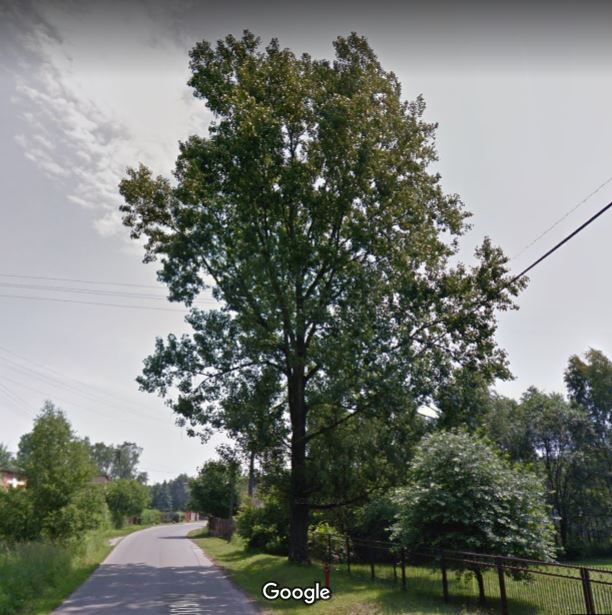
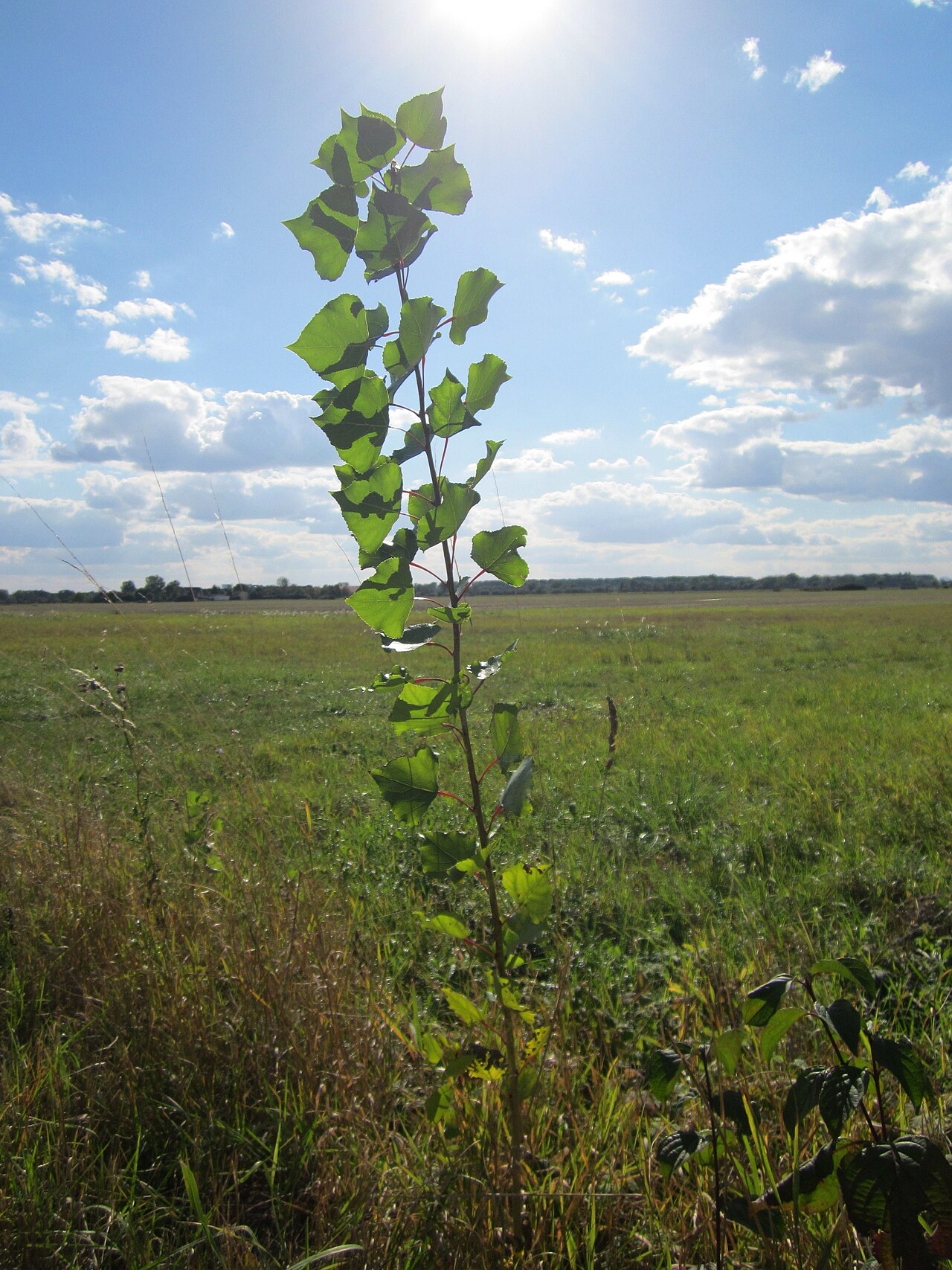
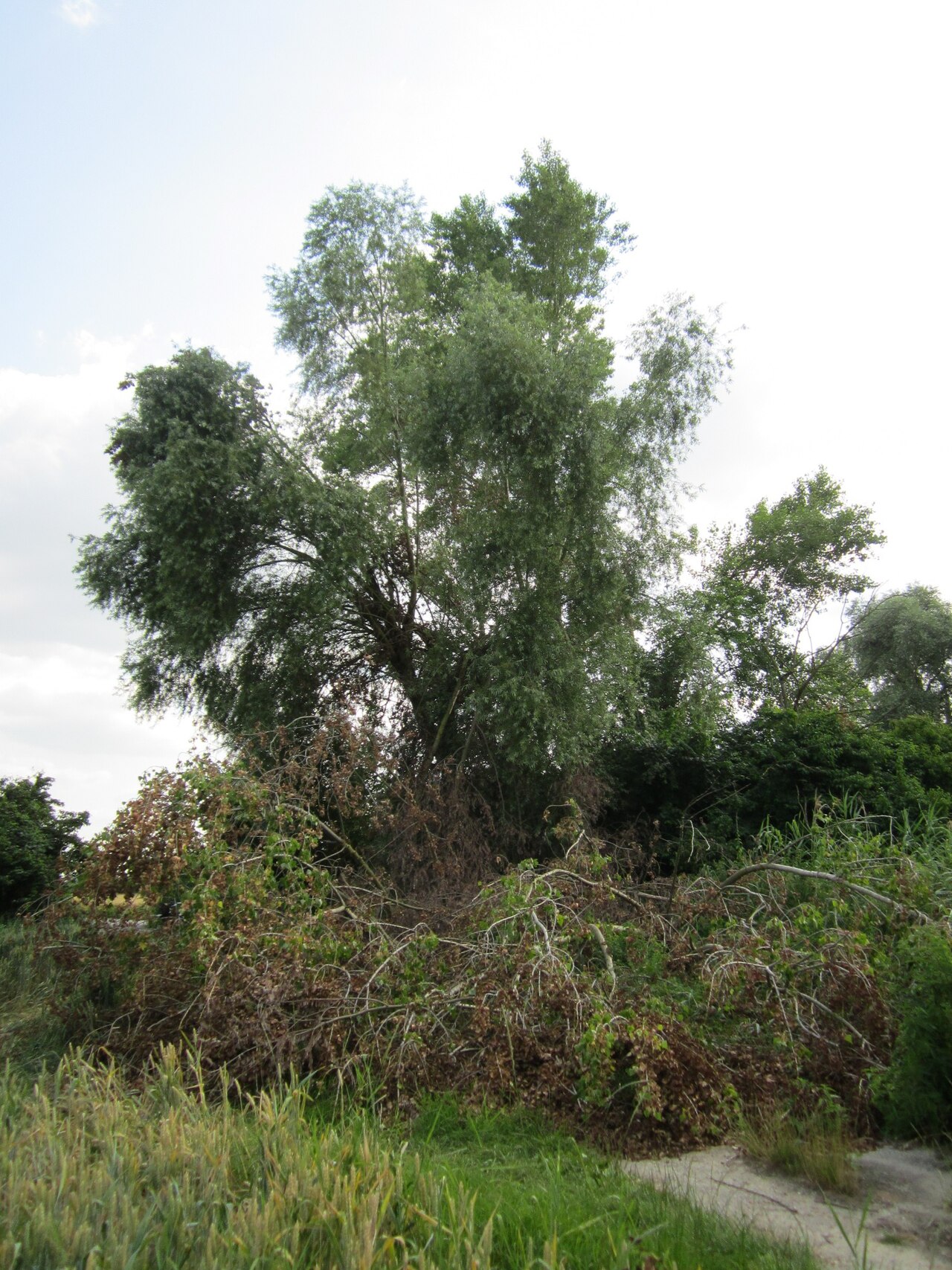
Robusta is the poplar most people picture when they picture a poplar: a remarkably vertical trunk running up into a narrow, conical crown when young, broadening with age into a moderately broad, half-open crown. Van den Berk Nurseries puts mature height at 30–35 meters (roughly 100 feet), and the Royal Horticultural Society describes it as a vigorous, large deciduous tree of narrow conical habit, over 25 meters at maturity. The leaves are oval to triangular, bronze-red in early summer, greening up, then yellow in autumn.
It is a male cultivar, which matters: no seed, no cottony fluff. The flowers are red male catkins in spring, showy in their own understated way, and then nothing — no fluff season, which is why Robusta has been planted along streets and avenues for over a century.
Why this variety
Plant Robusta when you want a fast, upright, cottonless avenue or windbreak tree and you have the room a 100-foot tree demands. It is very vigorous when young — the hybrid poplar literature credits it with 2–2.5 meters of growth a year in youth — it resists wind well, suits coastal sites, and its straight trunk and regular branching make it one of the tidiest large poplars. Forestry planted it widely for exactly those reasons.
The honest price of that vigor is sensitivity: Robusta is very sensitive to rust, sensitive to dry conditions and frost when young, and its roots are the usual poplar problem. The RHS warning is blunt — avoid growing it within 40 meters of buildings, because the vigorous root system can damage drains and foundations, particularly on clay soils.
How to grow
Plant during dormancy, from late fall to early spring, in full sun and fertile, moist, loamy soil; Robusta prefers moisture and dislikes drought. Set it far from buildings, drains, and septic systems — the 40-meter RHS guidance is for its roots, not its canopy — mulch widely, and water deeply through establishment and dry spells.
Prune to maintain the straight central leader and regular branching while young; later pruning is mainly dead-wood removal. Never top a poplar: the regrowth is weaker than the wood it replaces.
Water & feeding
Water generously while establishing and in any dry period; Robusta is sensitive to dry conditions in a way tougher poplars are not, and drought stress invites the rust and canker problems it is already prone to. A deep mulch ring that stays moist is worth more than any fertilizer program.
Feed only on fertile ground’s terms: compost or castings in spring is enough. Rich, forced growth on an already vigorous tree buys weak wood and more rust-susceptible foliage.
Common problems
- Rust — Robusta is very sensitive to poplar rust. Airflow, sun, and avoiding drought stress help; badly affected foliage is a site problem, not a spray problem.
- Root damage to drains and foundations — the 40-meter setback is the prevention, and there is no retrofit fix.
- Drought and frost sensitivity when young — water in dry spells and expect some tip damage after hard late frosts.
- Weak wood with age — plan for dead-wood removal and a finite lifespan, not a centuries-old specimen.
Harvest
There is no food harvest; the harvest is timber, wind protection, and avenue shade. Robusta has been a forestry and landscape tree since the late 1800s precisely because it grows straight and fast on good moist ground.
In the garden, the seasonal harvest is simpler: red catkins in spring, green shade in summer, yellow leaves in fall, and a silhouette in winter that still reads as a poplar from a long way off.
See also: Cottonwood: Growing Guide