
🌿 Rose Creek Abelia
What it looks like
Why this variety
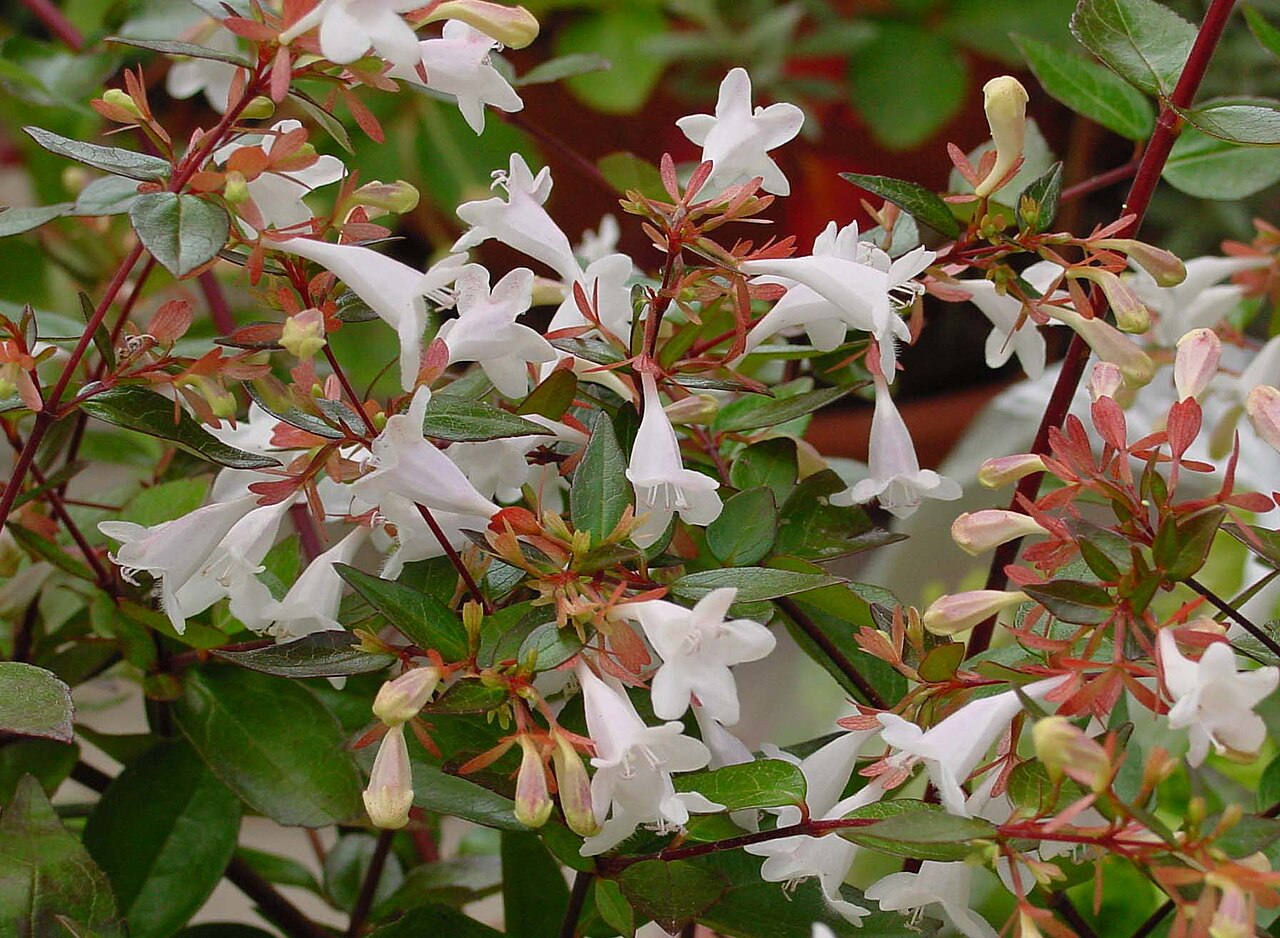
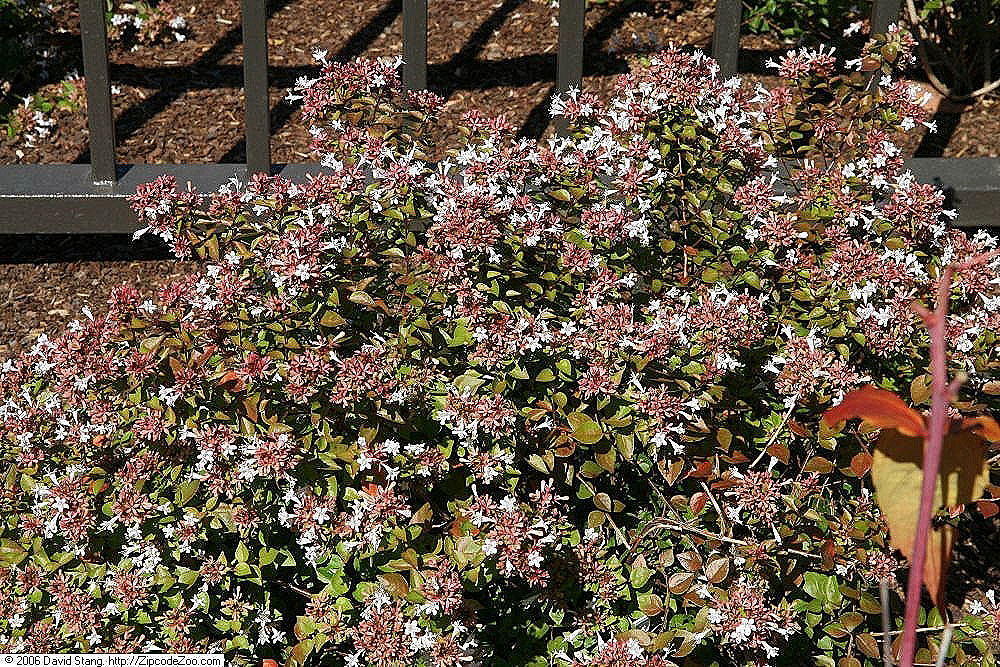
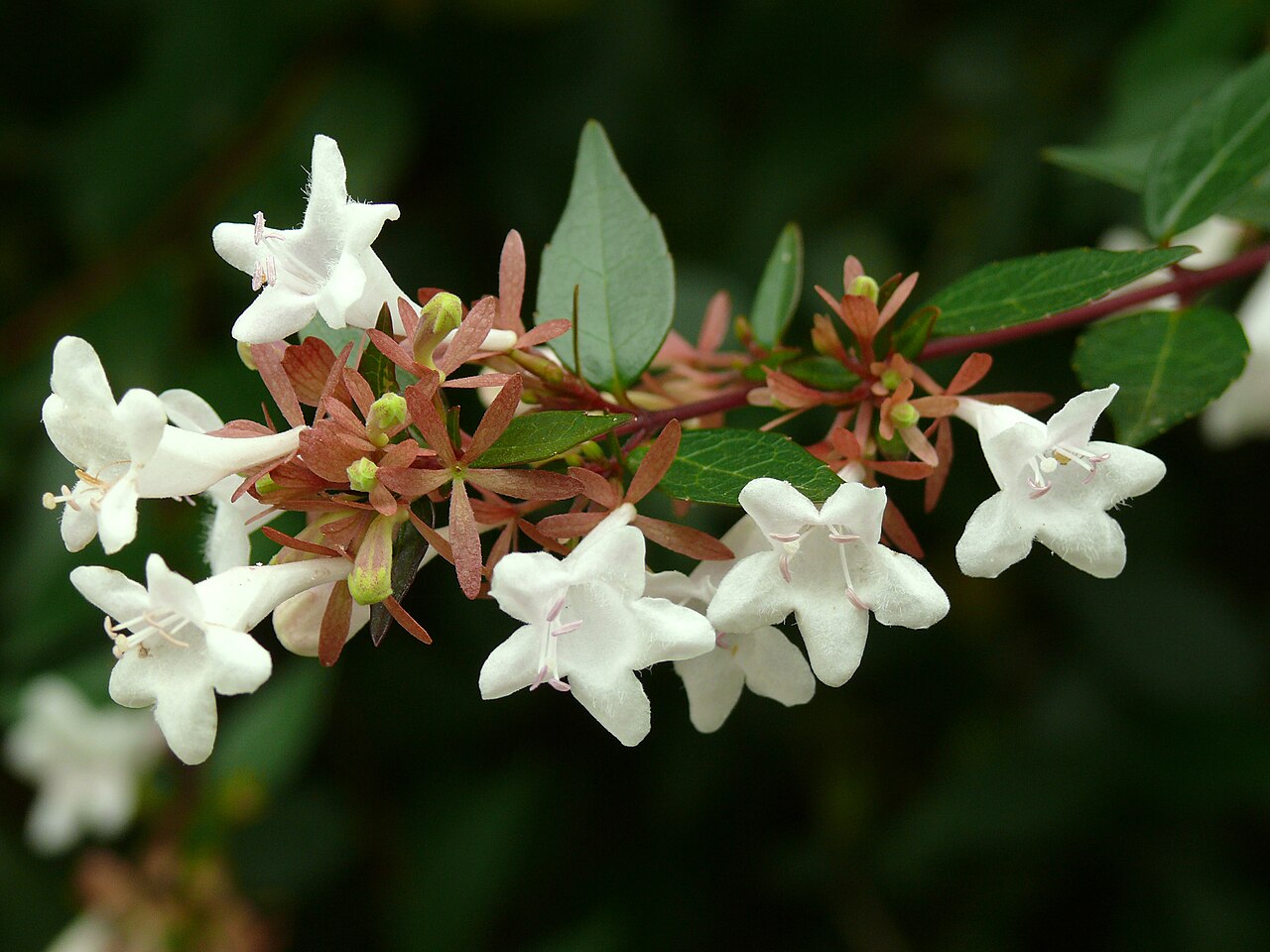
Rose Creek is the abelia for gardeners who like abelia but not the 6-foot version of it. It stays compact, 2–3 feet tall and wide, with the same glossy green leaves and the same lightly-but-continuously flowering habit — small pink-white trumpets from late spring until frost, visited by butterflies and hummingbirds all season. It is the foundation-bed abelia: tidy, evergreen enough in mild winters to count as structure, and never a pruning emergency.
In Florida, Rose Creek suits the north and central peninsula in sun to light shade, and it is a shade tougher in hot sun than its variegated cousin, since plain green leaves scorch less readily. Give it well-drained soil, water it through the first season, and it will settle into the low-maintenance shrub abelia is famous for being.
How to grow
Plant in spring in well-drained soil in sun to light shade, at the same depth it sat in the pot. Glossy abelia flowers lightly but continuously from late spring until frost, which is a longer show than most shrubs manage, and it does it on very little fuss. Mulch 2–3 inches deep, keep the mulch off the stems, and water deeply for the first season while roots settle. In Florida, abelia appreciates soil that drains after a summer downpour rather than sitting wet, and it forgives sandy soil once established — feed lightly in spring with a balanced slow-release fertiliser rather than pushing soft growth with heavy nitrogen.
Water & feeding
Water deeply once or twice a week through the first growing season, then only in dry spells; established abelia is moderately drought-tolerant but blooms best with steady moisture. Feed once in spring; a second light feed in midsummer is plenty. Avoid shearing it into a box — abelia looks best with its arching habit intact, so prune selectively after a flush of bloom, removing dead wood and any stems that cross.
Common problems
Few serious problems. Aphids may cluster on tender tips in spring; a strong jet of water or a wait for ladybirds usually settles it. Root rot appears only in ground that stays soggy — if the site puddles, plant high on a mound or pick a drier spot. Leaf scorch in brutal afternoon sun is a siting problem, not a disease: afternoon shade fixes it.
Harvest
No harvest — the reward is the long season. Prune selectively after a flush of bloom if stems wander, and renew older plants with a late-winter cutback every few years. In mild Florida winters Rose Creek holds much of its foliage, so it earns its keep as a green presence even when it is not flowering.
Nerdy fact: Abelia × grandiflora is itself a hybrid — a cross of two Asian species, Abelia chinensis and Abelia uniflora — which is part of why it flowers so long: hybrid vigour, expressed as a shrub that simply refuses to stop blooming.
Saving seeds
Rose Creek is the abelia for gardeners who like abelia but not the 6-foot version of it. It stays compact, 2–3 feet tall and wide, with the same glossy green leaves and the same lightly-but-continuously flowering habit — small pink-white trumpets from late spring until frost, visited by butterflies and hummingbirds all season. It is the foundation-bed abelia: tidy, evergreen enough in mild winters to count as structure, and never a pruning emergency. As a named abelia it is kept true by cuttings, not by seed — seedlings would not hold the compact habit or the tidy, evergreen form. Plant in spring in well-drained soil in sun to light shade, at the same depth it sat in the pot. Mulch 2–3 inches deep, keep the mulch off the stems, and water deeply for the first season while roots settle. The full method is in the Propagation section of the Abelia guide.