
🌿 Abelia
What it looks like
How to grow
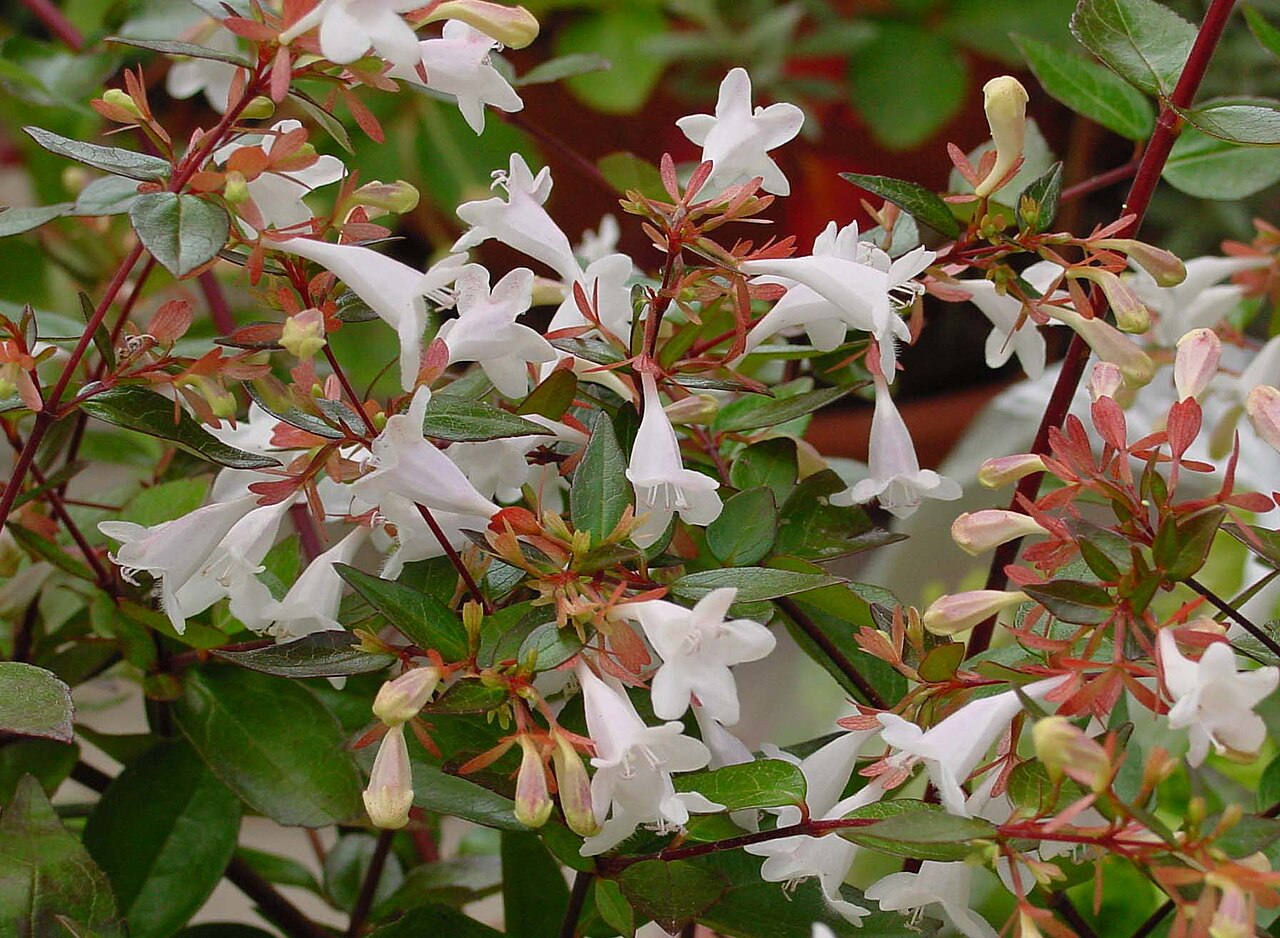
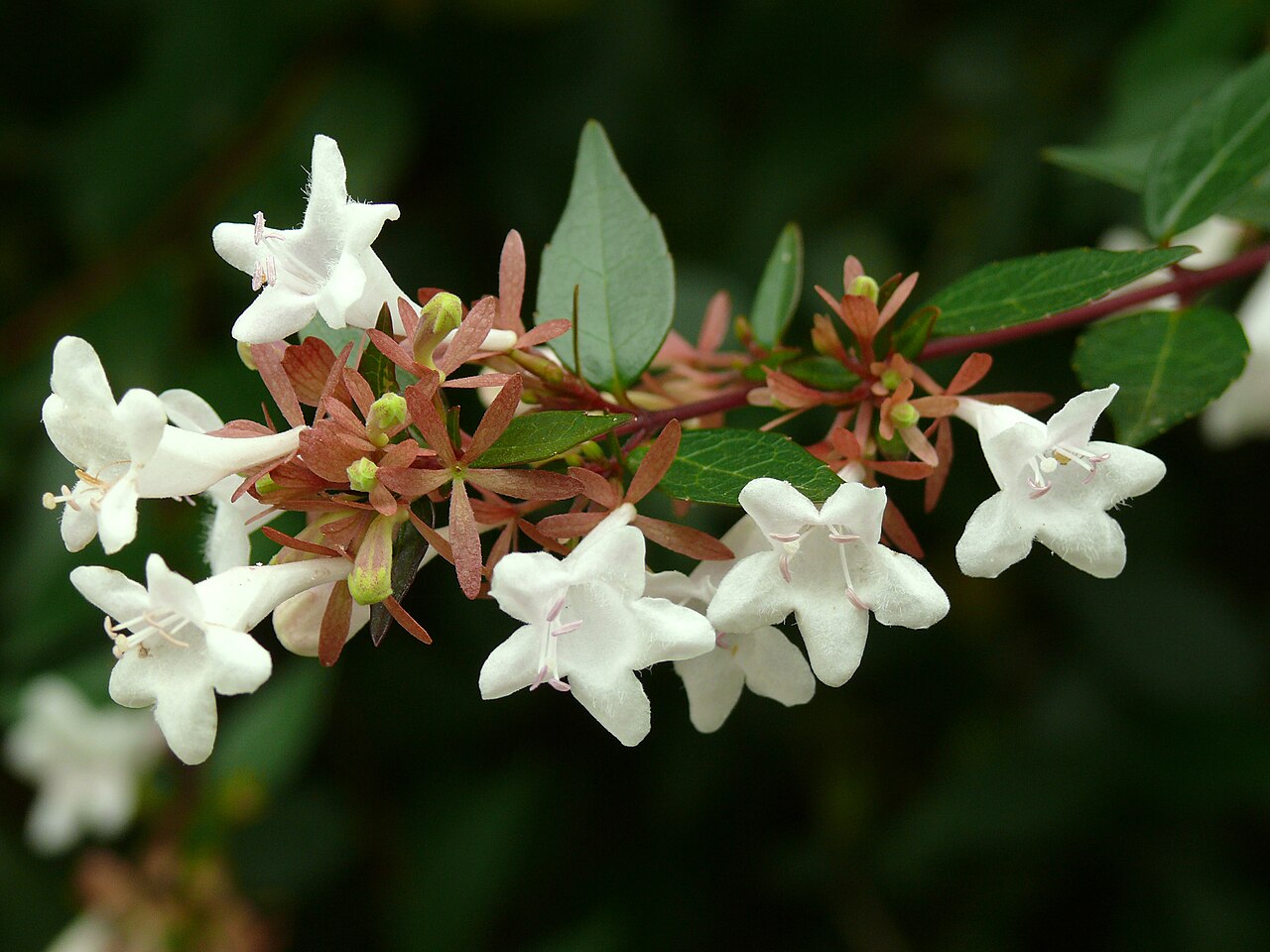
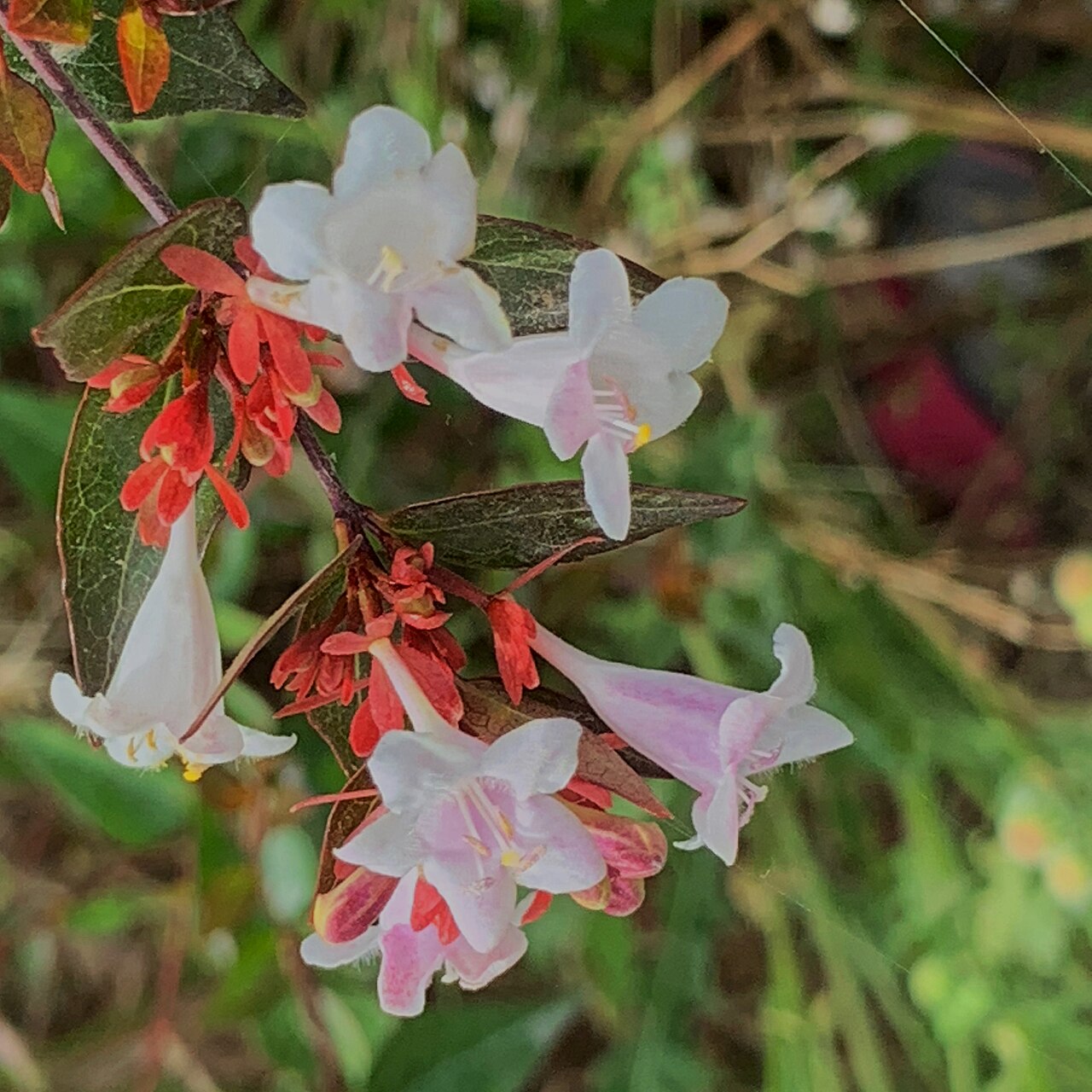
Plant in spring in well-drained soil in sun to light shade — glossy abelia flowers lightly but continuously from late spring until frost, which is a longer show than most shrubs manage. ‘Kaleidoscope’ adds gold-and-green variegated foliage that turns orange-red in fall; ‘Rose Creek’ stays compact and dense. In zone 6 it may die back in hard winters and regrow; in zones 7–9 it is semi-evergreen to evergreen.
Water & feeding
Water to establish; mature abelia is moderately drought-tolerant but flowers best with consistent moisture. Avoid waterlogged soil.
Common problems
- Few serious pests — one of its selling points
- Winter dieback at the cold edge of its range (cut back in spring)
- Legginess in deep shade — give it sun for dense growth
Harvest
Prune in early spring to shape and remove winter-damaged wood; light shearing after a flush of bloom encourages rebloom. Avoid heavy fall pruning.
Browse all plant & pest guides
Propagation
Here is the honest truth about abelia: if you love the exact shrub in your yard, do not try to reproduce it from seed. Most garden abelias are the hybrid Abelia × grandiflora or named cultivars of it, and seedlings from those plants are a genetic lottery — different habit, different foliage color, different flowers. Some glossy abelias set little or no seed at all. Cuttings are the way, and happily, abelia is one of the easiest shrubs to root.
Take semi-hardwood cuttings in summer, when the current season’s growth has started to firm up but the tips are still soft, or softwood cuttings in late spring to early summer. Cut a healthy, non-flowering tip about four to six inches long, just below a leaf node, and strip the lower leaves. Dip the cut end in rooting hormone if you have it — abelia roots well with or without it — and stick the cutting in a pot of moist, gritty mix, something like potting soil cut with perlite or sand. Keep the mix moist and the cutting out of harsh direct sun, and cover it loosely with a clear bag or a propagator lid to hold humidity. Roots usually form within a few weeks, and you will know it worked when new growth appears. Grow the young plant on for a season before planting it out.
Layering is the lazy gardener’s alternative: bend a low branch to the ground, pin it into the soil, and cut it free once it has rooted. One etiquette note: if the tag says patented, propagation is legally off-limits — buy another one. And if you are growing a true wild species rather than a hybrid, seed is fair game; sow in spring in a well-drained mix, accepting some natural variation.
Varieties
Every named variety of Abelia with its own growing guide:
- Kaleidoscope Abelia — The abelia that changes its outfit with the seasons: gold-and-green leaves in summer, orange-red in fall, and flowers all the way.
- Rose Creek Abelia — The compact abelia that stays where you put it: glossy green leaves, pink-white trumpets, and butterflies from spring to frost.