
🕷️ Rose Queen Cleome
What it looks like
Why this variety
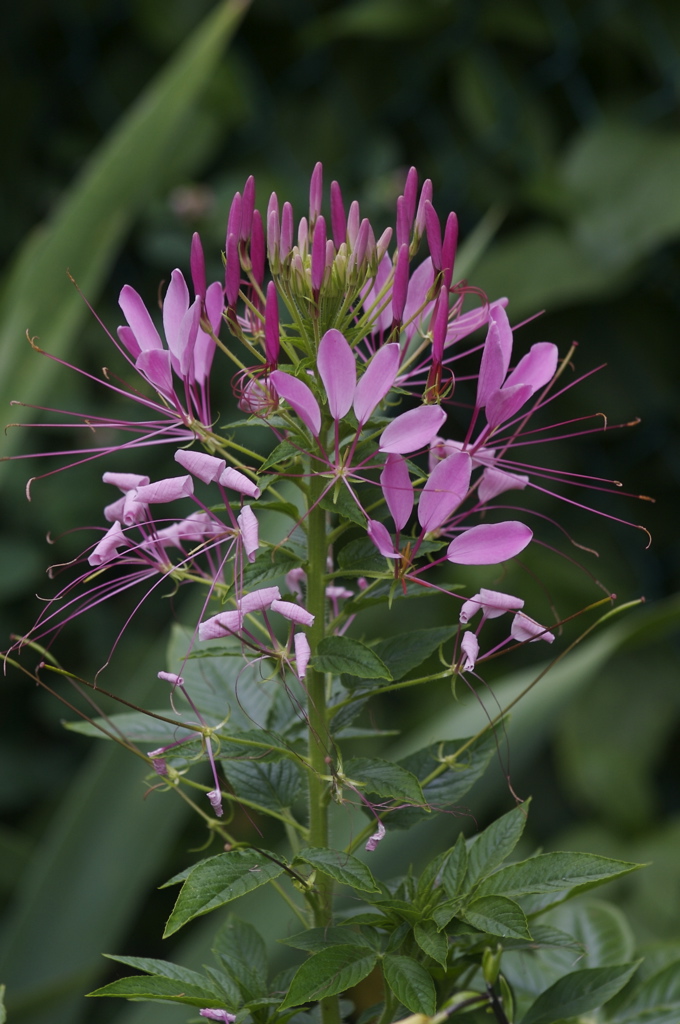
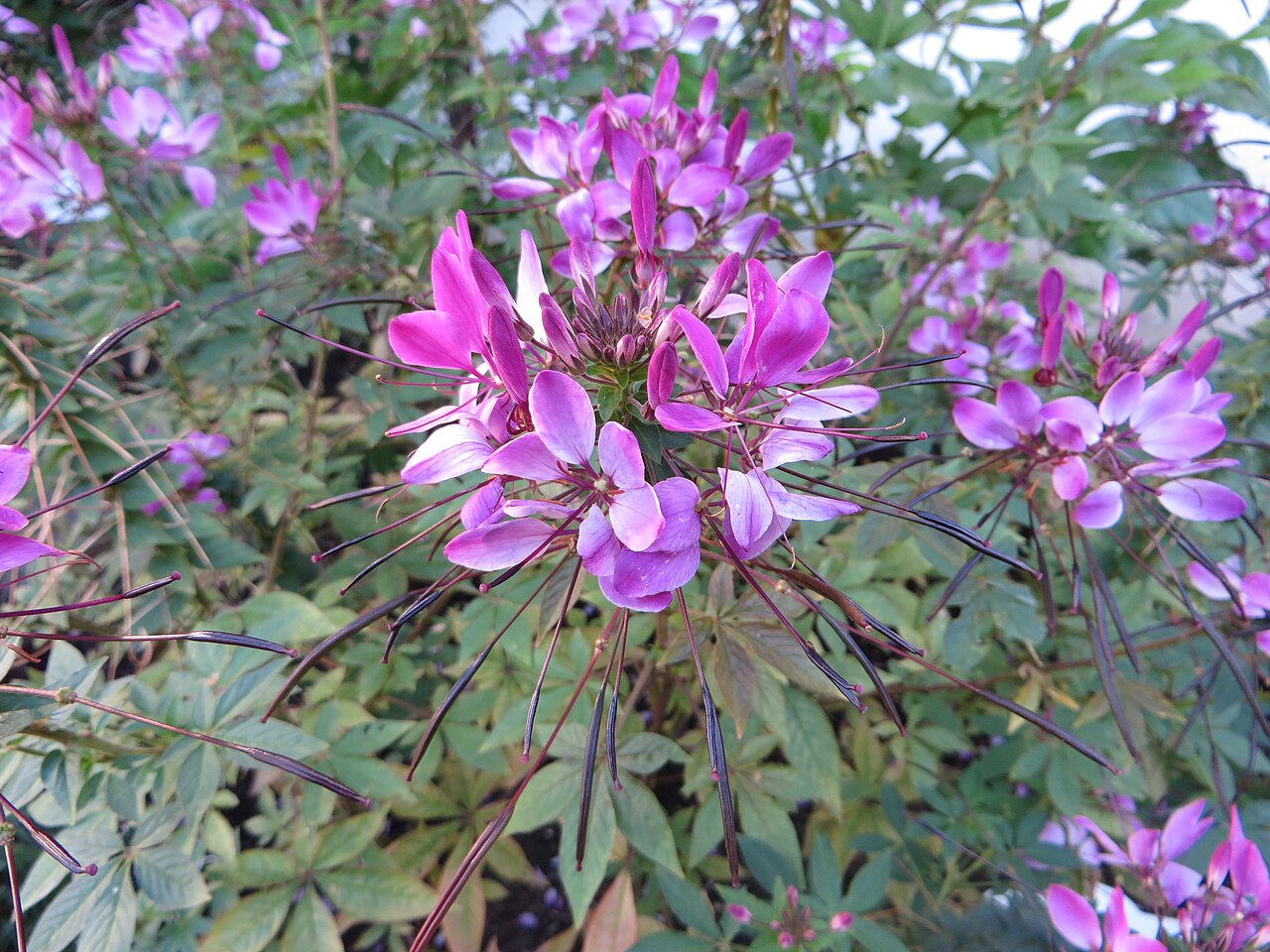
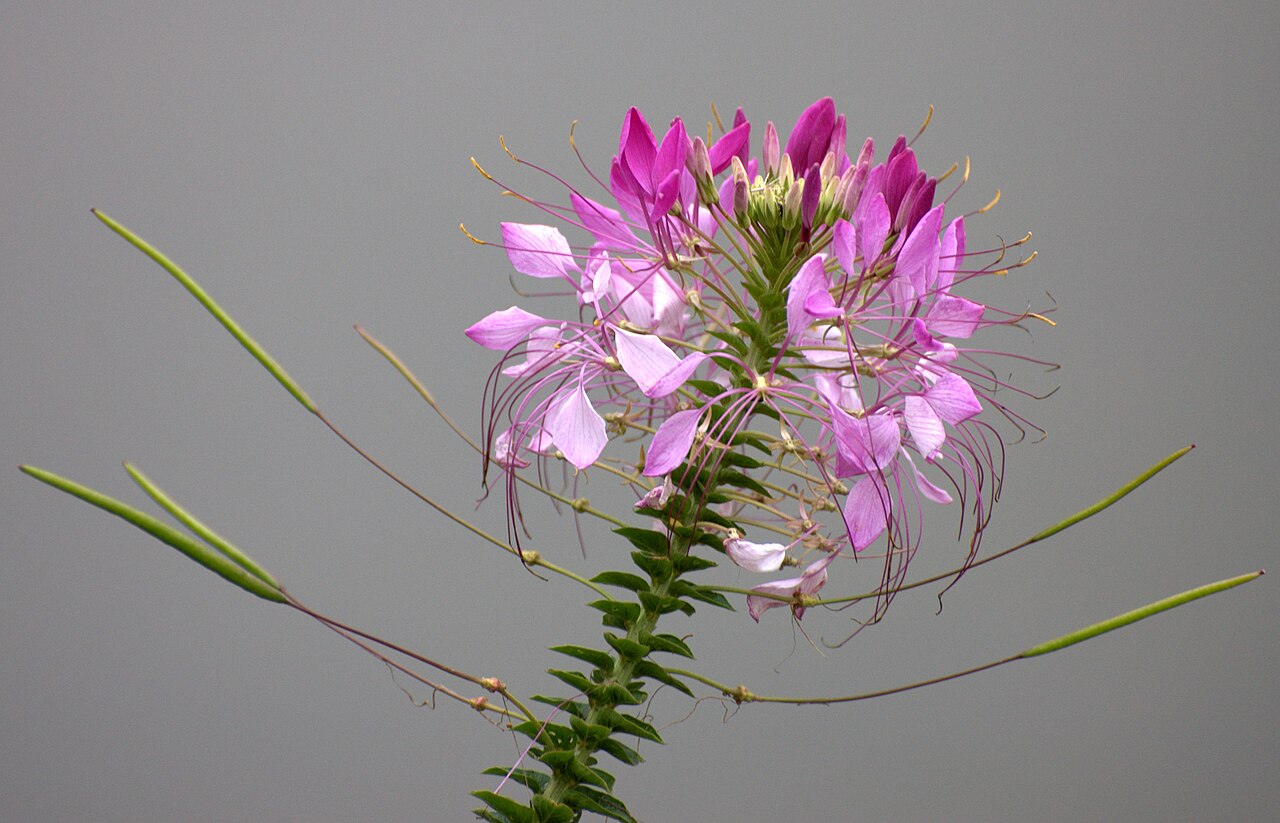
Rose Queen is the pink answer to Violet Queen: the same tall, airy, 3- to 5-foot spider flower, but with soft rose-pink blooms that bring a romantic haze to the back of a sunny border from summer until frost. Pink cleome pairs beautifully with silver foliage, white flowers, and purple companions, and it draws the same crowd of butterflies, bees, and hummingbird moths — a pink cloud that hums. It is the cleome to plant if violet feels too bold and white feels too stark.
The trade-off is the same as all cleomes: thorny, sticky, pungent foliage, and enthusiastic self-seeding. Wear gloves, plant it away from seating areas where its musky scent might offend, and edit volunteers in spring — or welcome them, because a self-sown cleome drift is one of the garden’s great free shows. Give it sun and drainage, and it will bloom from summer until frost with almost no care.
If you are new to choosing between cultivars, the Varieties Matter guide explains why the name after the plant matters as much as the plant itself. Rose Queen is a perfect example: it is not just a cleome in the abstract, it is a cleome with a specific job, a specific history, and specific strengths.
Florida honesty: cleome is a genuine statewide annual in Florida, and Rose Queen thrives in Florida heat, blooming from summer until frost in sun and drainage. Let it self-sow for next year’s drift, edit volunteers where you do not want them, and use raised beds where summer rain ponds. It is one of the few tall annuals that actually prefers Florida summers to northern ones.
How to grow
Start seeds indoors 6 to 8 weeks before the last frost, or sow directly after frost danger — cleome seed germinates with warmth and patience. Set plants out after frost in full sun and well-drained soil, work worm castings into the bed at planting, and give them room: a mature cleome is 3 to 5 feet tall and airy, not a bedding plant. Wear gloves when handling it — the stems carry small spines — and let a few plants self-sow for next year’s drift if you want one.
Set plants 18-24 inches apart in soil with a pH around 6.0-7.5. Work worm castings into the bed at planting and mulch to hold moisture. A well-fed cleome plant rewards that care directly: steadier growth, better bloom, and a show that actually shows up.
Water & feeding
Water to establish, then water sparingly — cleome is heat- and drought-tolerant once established and sulks in wet soil. Water at the soil line, do not mulch heavily, and feed lightly: castings at planting is usually enough, because rich soil makes leggy cleome with fewer flowers. In a drought, occasional deep watering keeps it blooming; in a wet summer, drainage is the care program.
Common problems
- Thorns and pungent foliage — wear gloves when handling cleome, and plant it away from seating areas where its musky scent might offend.
- Enthusiastic self-seeding — volunteers appear freely; deadhead if you do not want them, or edit seedlings in spring.
- Wilting in dry soil — cleome wilts fast in drought; water deeply in dry spells, and do not let a young plant dry out.
- Leggy growth in shade or rich soil — lean soil and full sun make sturdier cleome; do not overfeed.
- Whiteflies and aphids in hot weather — blast with water and encourage predators before reaching for sprays.
Harvest
Cut stems for bouquets all summer, when spikes are fully colored — cleome flowers last well in water and their spidery blooms suit tall, airy arrangements, though the foliage scent means you should sniff before you commit to a dining-table bouquet. Deadhead only if you do not want self-seeding; otherwise, let a few plants seed for next year’s drift. At season’s end, pull annual plants and compost them, and edit volunteers in spring.
Browse all plant & pest guides
Saving seeds
Rose Queen is the pink answer to Violet Queen: the same tall, airy, 3- to 5-foot spider flower, but with soft rose-pink blooms that bring a romantic haze to the back of a sunny border from summer until frost. Pink cleome pairs beautifully with silver foliage, white flowers, and purple companions, and it draws the same crowd of butterflies, bees, and hummingbird moths — a pink cloud that hums. As an open-pollinated cleome it comes true from seed: start seeds indoors 6 to 8 weeks before the last frost, or sow directly after frost danger — cleome seed germinates with warmth and patience. Set plants out after frost in full sun and well-drained soil, work worm castings into the bed at planting, and give them room: a mature cleome is 3 to 5 feet tall and airy, not a bedding plant. The full method is in the Saving seeds section of the Cleome guide.