
🌿 Rosea Fuzzy Deutzia
What it looks like
Why this variety
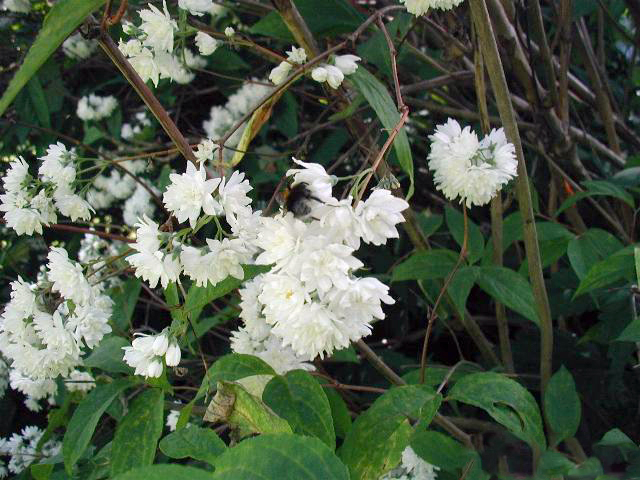
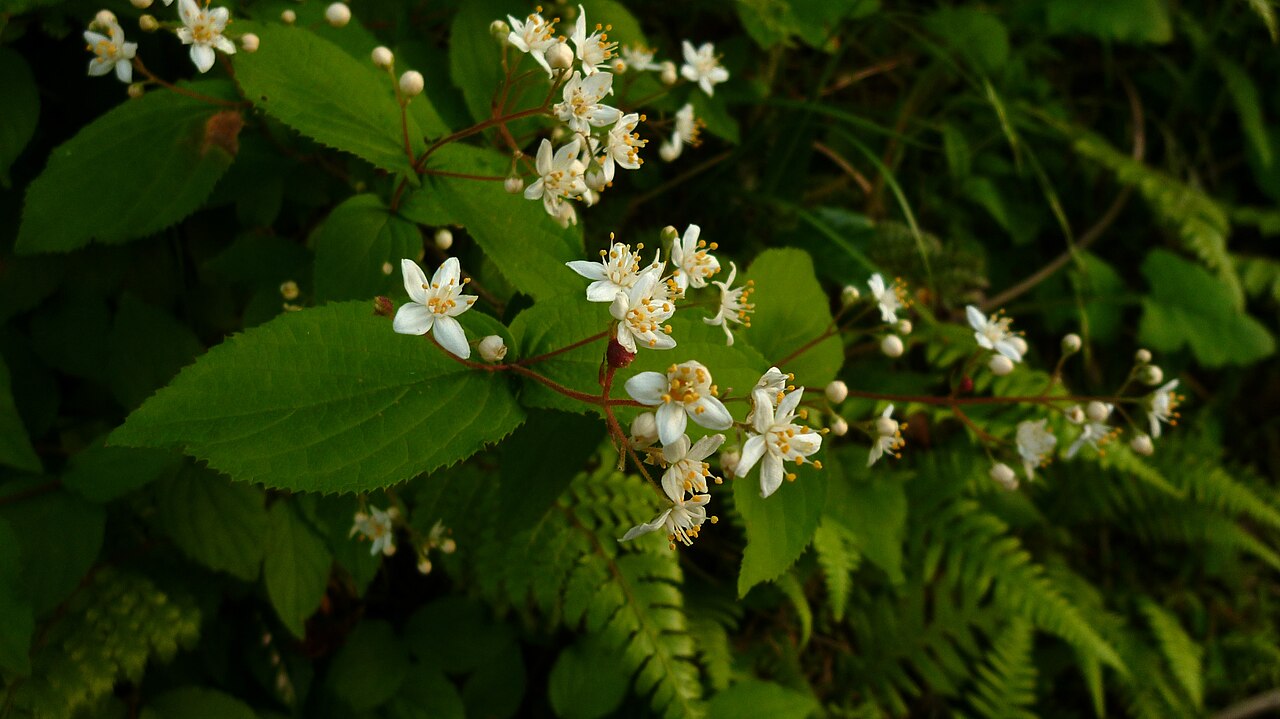
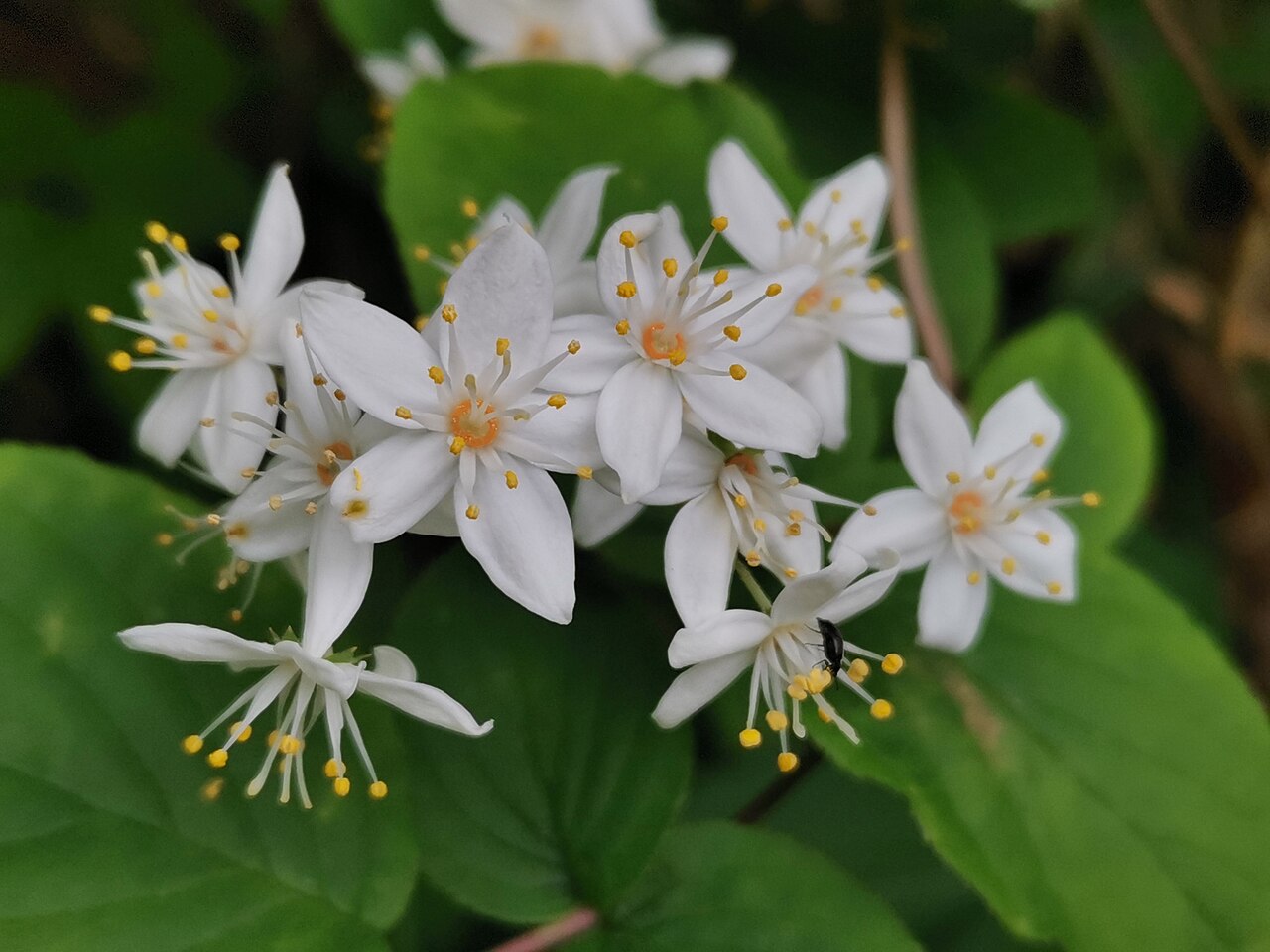
Rosea is the fuzzy deutzia that breaks the double-flower pattern — and that is exactly why it deserves a guide of its own. Where Candidissima, Plena, Pride of Rochester, and Codsall Pink all offer double flowers, Rosea offers single, clear rose-colored flowers: five petals, visible stamens, and a simpler, wilder look that suits a naturalistic border better than a bridal bouquet. It is also the most bee-friendly fuzzy deutzia, because single flowers keep their pollen and nectar accessible in a way double flowers — whose stamens turned into petals — often do not.
As a shrub it is the familiar big fuzzy deutzia: tall, arching, vigorous, to 6–10 feet, blooming in late spring with thousands of small rose stars. Gardeners who find double flowers fussy, or who garden for pollinators as well as for looks, will prefer Rosea — and gardeners who already have a double deutzia will find Rosea a pleasing contrast beside it. Simple is not lesser; in this case, simple is the point.
If you are new to choosing between cultivars, the Varieties Matter guide explains why the name after the plant matters as much as the plant itself.
Florida honesty: Rosea is a zones 5–8 shrub, so north Florida only, with afternoon shade and steady moisture in summer heat. Its single flowers may actually hold up better in warm springs than heavy doubles, which can ball in rain — a small advantage in a humid climate. Central and south Florida are too hot for a reliable plant; in north Florida, at the back of a border, it can be a bee-friendly spring showpiece.
How to grow
Plant in full sun to part shade in any good, well-drained garden soil, with compost worked in. Allow 6–10 feet of space. Water during establishment and in dry spells. Prune just after flowering, since deutzia blooms on year-old wood; remove oldest stems at the base every few years to renew the plant. Deadhead spent clusters if self-seeding is a concern, though Rosea’s single flowers set seed more readily than doubles — deadheading matters more here.
Water & feeding
Water during establishment and dry spells; established plants are fairly self-sufficient but bloom more heavily with steady moisture. Mulch to hold moisture. Feed lightly in spring with compost. Good drainage is essential.
Common problems
- Self-seeding — single flowers set seed freely; deadhead if volunteers are unwanted, and never plant near natural areas.
- Size — a large shrub; small gardens should choose Pink Minor or a slender deutzia.
- Pruning at the wrong time — winter pruning removes bloom; prune only after flowering.
- Brief bloom — a rose show for weeks, then green; pair with summer plants.
- Invasive tendencies in parts of the eastern US — check local lists and manage seed.
Pruning & garden use
Use Rosea at the back of a border, in a naturalistic or pollinator planting, or beside a double deutzia for contrast — single versus double, rose versus white, bee-friendly versus showpiece. It suits cottage gardens and wildlife borders. Prune right after flowering, renewing oldest stems every few years, and deadhead to manage volunteers. It is the fuzzy deutzia for gardeners who like their flowers simple, their bees fed, and their shrubs big.
Back to the Fuzzy Deutzia guide
Browse all plant & pest guides
Saving seeds
Rosea is the fuzzy deutzia that breaks the double-flower pattern — and that is exactly why it deserves a guide of its own. Where Candidissima, Plena, Pride of Rochester, and Codsall Pink all offer double flowers, Rosea offers single, clear rose-colored flowers: five petals, visible stamens, and a simpler, wilder look that suits a naturalistic border better than a bridal bouquet. It is also the most bee-friendly fuzzy deutzia, because single flowers keep their pollen and nectar accessible in a way double flowers — whose stamens turned into petals — often do not. As a named deutzia it is kept true by cuttings, not by seed — seedlings would not hold the single, clear rose-colored flowers. Plant in full sun to part shade in any good, well-drained garden soil, with compost worked in. Allow 6–10 feet of space. Prune just after flowering, since deutzia blooms on year-old wood. The full method is in the Saving seeds section of the Fuzzy Deutzia guide.