
🥬 Rosette Tatsoi
What it looks like
Why this variety
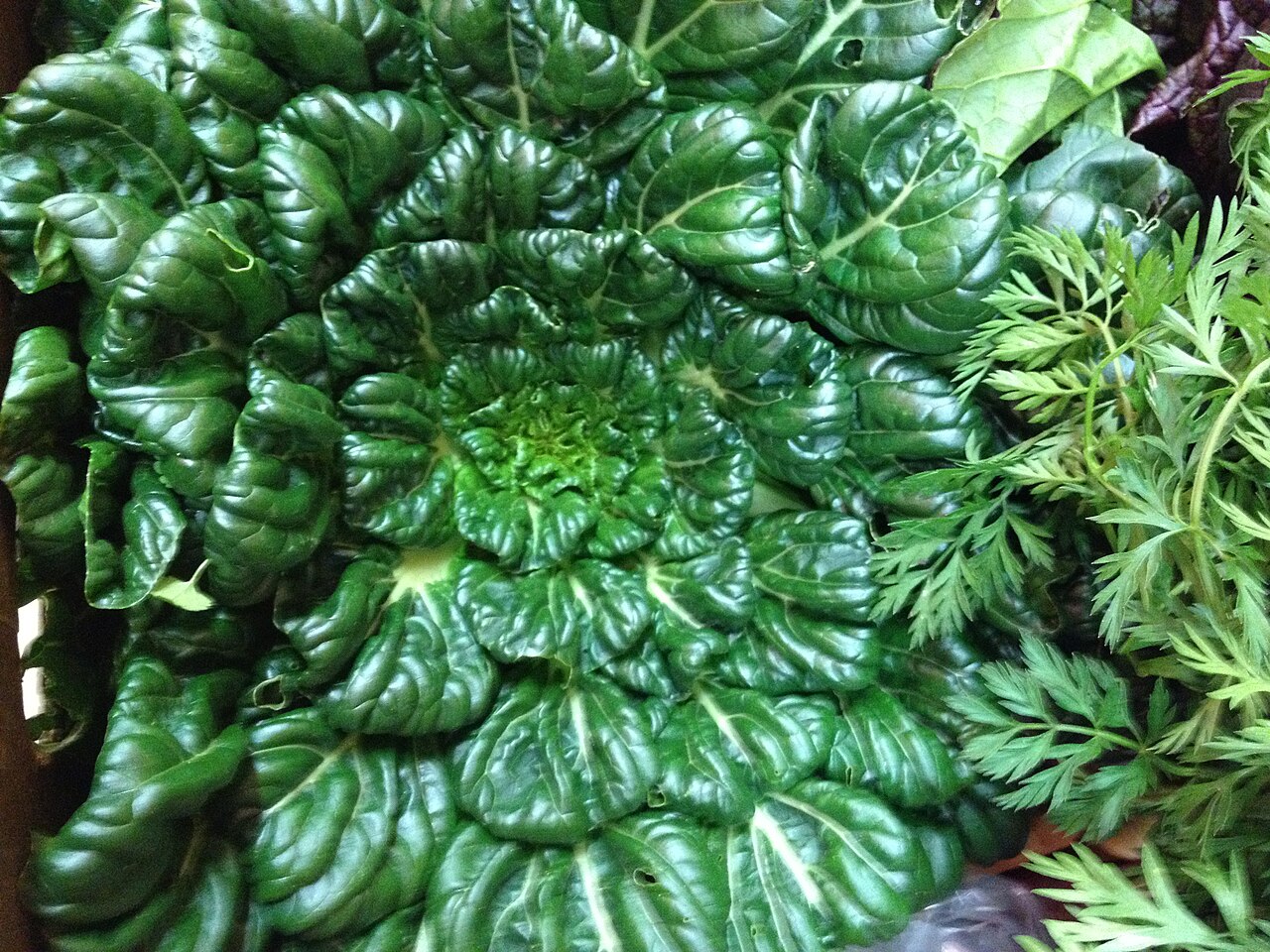
Rosette is the tatsoi sold under its own shape: a catalog type name rather than a single registered cultivar, and the name tells you exactly what you are buying — uniform, low-growing, spoon-leaved rosettes, evenly spaced and even-growing, the tatsoi that looks like it was arranged by someone with a ruler. It is the standard tatsoi of seed catalogs, and it earned that place by being dependable: every plant looks like the picture, and every rosette harvests at about the same time.
For a raised bed, Rosette is the practical choice: the flat, even rosettes fill a bed edge without shading their neighbors, the leaves are tender and mild, and the plant is cold-tolerant enough to harvest from under a light frost. If you want tatsoi for salads and stir-fries without learning a dozen variety names, Rosette is the one packet that covers it. It is also the tatsoi that looks good enough for the front of a bed, where an edible plant doubles as an ornamental rosette and nobody walking past guesses it is dinner.
If you are new to choosing between cultivars, the Varieties Matter guide explains why the name after the plant matters as much as the plant itself. And if you want the whole clan at a glance, the broader Tatsoi guide covers tatsoi generally.
How to grow
In Florida, tatsoi is a fall-through-spring green that laughs at a light frost and bolts at the first serious warm spell, which makes timing the whole crop. Sow from fall into winter, harvest rosettes young and often, and succession-sow every few weeks so a warm snap costs you one sowing, not the season. Its spoon-shaped leaves are mild, mustardy, and tender enough for salads raw, which is more than most brassicas can claim.
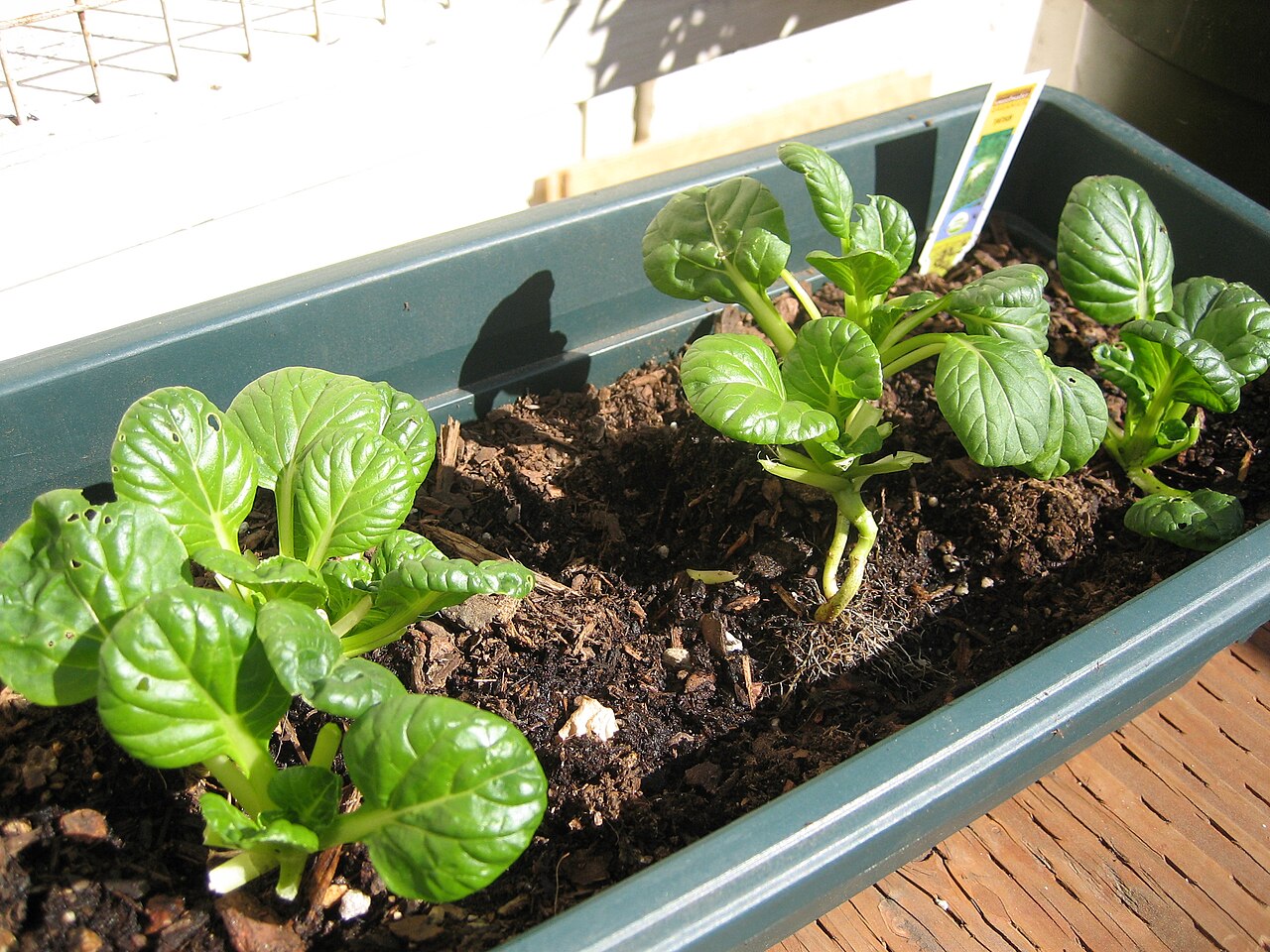
Sow directly 6 inches apart in rich, moist soil, in fall through early spring, and thin so rosettes have room to spread flat. Keep the soil evenly moist and mulch to hold it. Succession-sow every few weeks in the cool season so a warm spell costs you one sowing, not the crop.
Water & feeding
Tatsoi grows fast and drinks steadily. Keep the soil evenly moist, mulch to hold that moisture, and feed with compost at planting and again halfway to harvest. Dry soil plus heat is the recipe for bolting, so water before the leaves wilt, not after.
Common problems
Flea beetles hole young leaves — row cover helps — and slugs love low rosettes in damp weather. Aphids hide in the rosette heart; check there. Bolting is the main risk in warm weather: harvest promptly when temperatures climb, and do not sow Rosette for midsummer, because it will flower before it feeds you.
Harvest
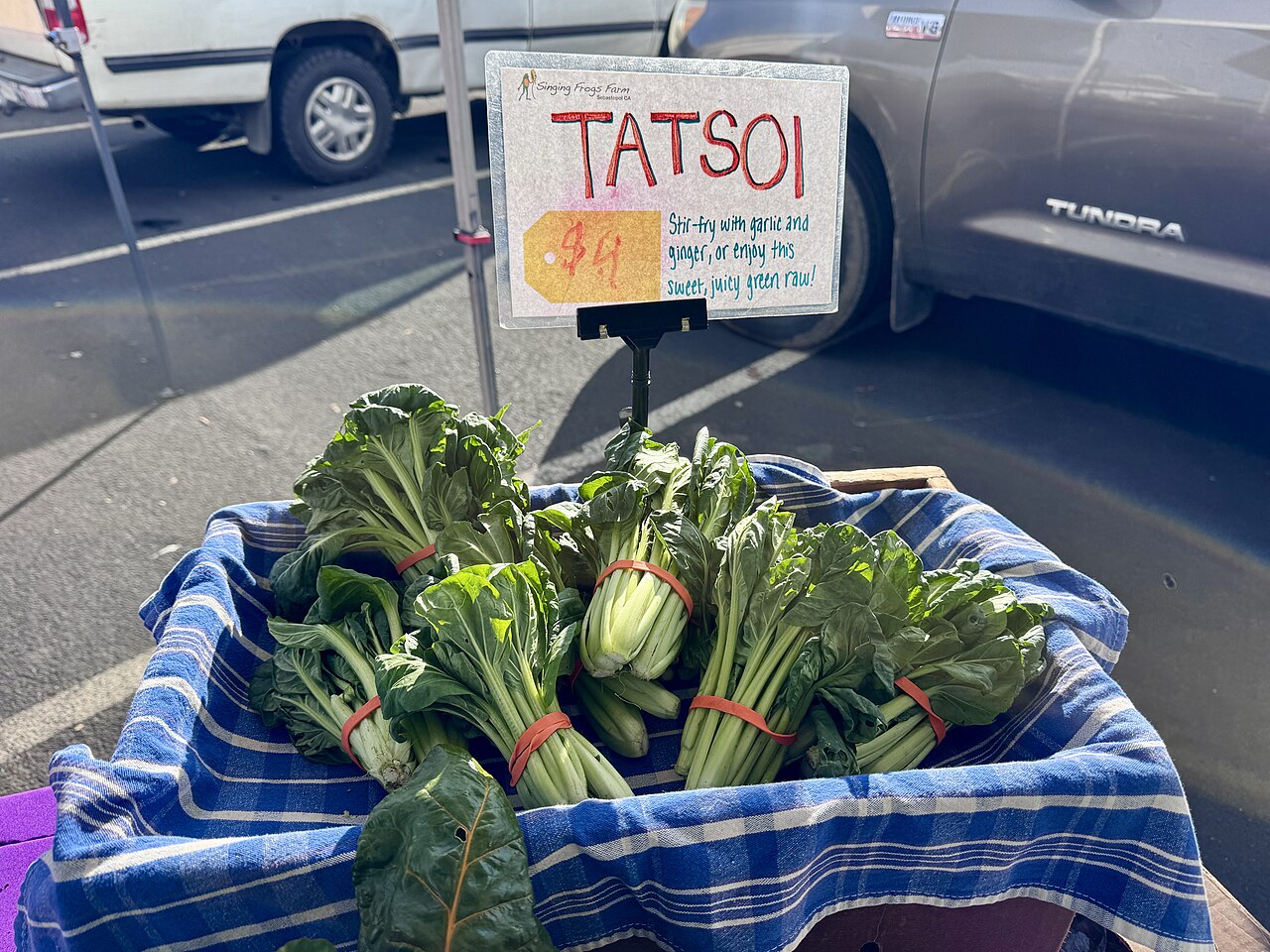
Harvest outer leaves as needed, or cut the whole rosette at the base when it is full and flat. Young leaves are salad-ready raw; mature rosettes are best stir-fried or wilted, where the thick pale stems stay pleasantly crisp. Wash thoroughly — flat rosettes trap soil.
Nerdy fact: Tatsoi’s botanical name places it as a subspecies of the same species as turnips and bok choy, Brassica rapa — one species, many vegetables, and a reminder that the difference between a root, a leaf, and a rosette is a few centuries of farmers picking the plants they liked and saving their seed.
Saving seeds
Rosette is the tatsoi sold under its own shape: a catalog type name rather than a single registered cultivar, and the name tells you exactly what you are buying — uniform, low-growing, spoon-leaved rosettes, evenly spaced and even-growing, the tatsoi that looks like it was arranged by someone with a ruler. It is the standard tatsoi of seed catalogs, and it earned that place by being dependable: every plant looks like the picture, and every rosette harvests at about the same time. As an open-pollinated tatsoi it comes true from seed: in Florida, tatsoi is a fall-through-spring green that laughs at a light frost and bolts at the first serious warm spell, which makes timing the whole crop. Sow from fall into winter, harvest rosettes young and often, and succession-sow every few weeks so a warm snap costs you one sowing, not the season. Sow directly 6 inches apart in rich, moist soil. The full method is in the Saving seeds section of the Tatsoi guide.