
🟡 Ross Canistel
What it looks like
Why this variety
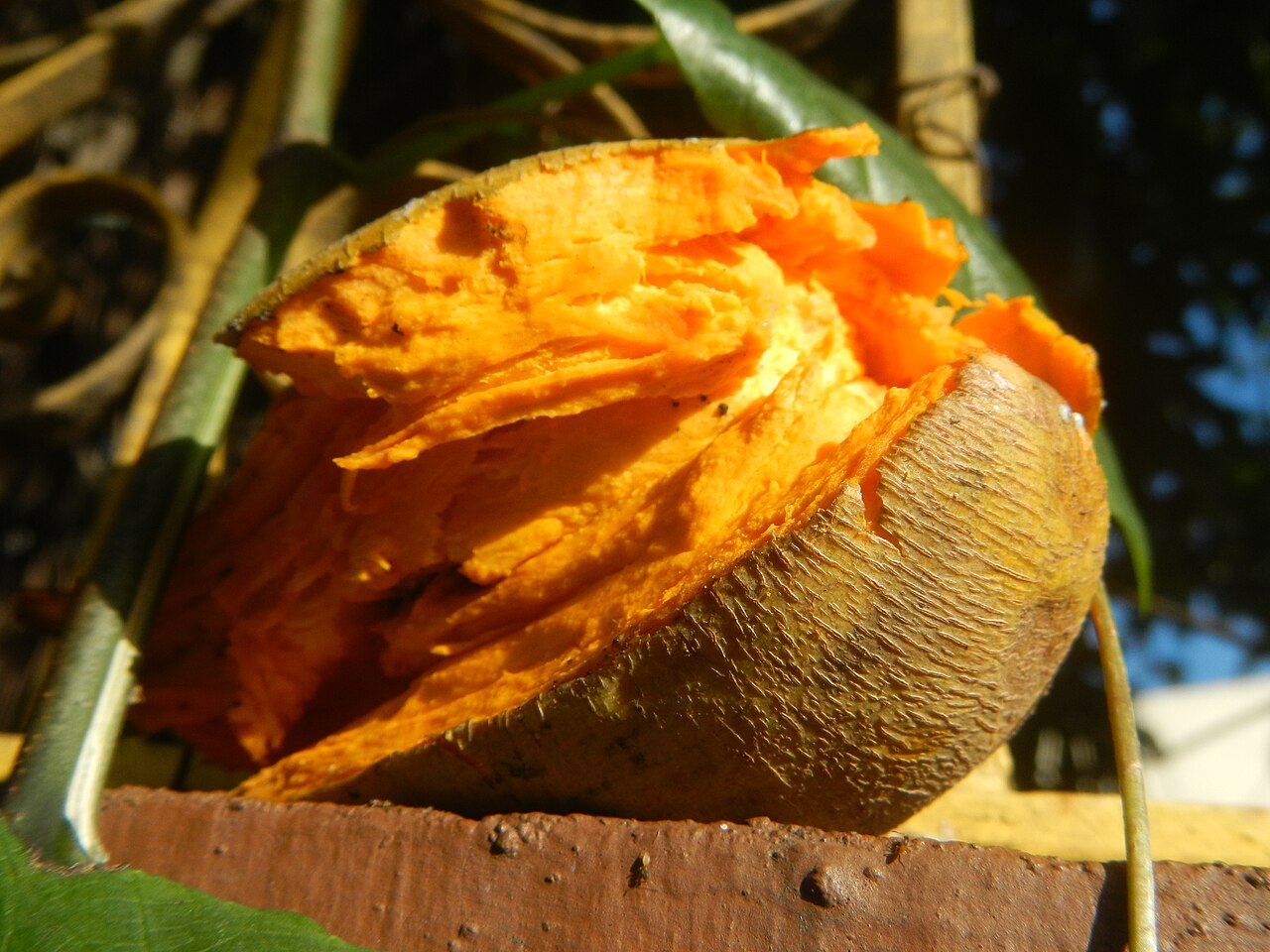
If ‘Bruce’ is the big, dense eggfruit, ‘Ross’ is the weird, juicy one — and weird is a compliment here. ‘Ross’ fruit is flattened like a doughnut with no hole, often slightly fluted, with juicy flesh that sets it apart from the drier canistels. It is the cultivar for people who tried a chalky eggfruit once and wrote the whole species off: ‘Ross’ is the rebuttal, in fruit form.
The tree itself is part of the appeal. ‘Ross’ is slow-growing and easy to control, which makes it the canistel for smaller yards and patient pruners — a tree you can actually keep at a pickable size without an annual wrestling match. Fruit runs smaller than ‘Bruce’ (3 to 6 ounces) with three to five seeds, and ripens in fall and winter.
How to grow
Here is the honest Florida part first: ‘Ross’ is every bit as tender as any canistel — zone 10-11, South Florida, frost-free microclimates only. Its slow growth is a virtue for small yards but means a young tree needs protection longer: a small tree is easier to cover on a freeze night, which is a genuine advantage in a marginal spot.
Plant grafted in full sun and well-drained soil, mulch well, and let ‘Ross’ set its own pace. Do not over-fertilize to force growth — slow and steady is this cultivar’s whole personality, and pushing it with nitrogen just makes soft growth that freezes first.
Water & feeding
Water deeply but infrequently once established — a long soak that reaches the root zone, then a drying interval, beats daily sprinkles that keep the surface wet and the roots shallow. Young trees need steady water for their first year or two; mulch 3-4 inches deep (kept off the trunk) to hold moisture in sandy soil. Feed with worm castings worked into the mulch ring a few times a year plus a balanced citrus/tropical-fruit fertilizer on the schedule your local extension recommends — and go easy on nitrogen, which grows leaves at the expense of fruit.
Common problems
- Freeze damage — zone 10-11; cover young trees on cold nights; small size makes covering easy, so use that advantage.
- Dry fruit from mislabeled seedlings — buy grafted ‘Ross’ from a reputable tropical nursery, not an unnamed seedling.
- Root rot from wet feet — well-drained soil only.
- Over-fertilizing — excess nitrogen makes soft, freeze-prone growth on a naturally slow tree; feed modestly.
Harvest
Pick ‘Ross’ when the fruit is fully yellow and yields slightly to pressure, then soften indoors. The juicy flesh eats best chilled with a spoon, and because the fruit is smaller, it is the canistel you can actually finish in one sitting without committing to a custard project.
Fall-to-winter ripening makes ‘Ross’ a holiday-season fruit in South Florida — eggfruit custard for the table when the rest of the garden is in its cool-season mode.
Browse all plant & pest guides
Saving seeds
If ‘Bruce’ is the big, dense eggfruit, ‘Ross’ is the weird, juicy one — and weird is a compliment here. ‘Ross’ fruit is flattened like a doughnut with no hole, often slightly fluted, with juicy flesh that sets it apart from the drier canistels. It is the cultivar for people who tried a chalky eggfruit once and wrote the whole species off: ‘Ross’ is the rebuttal, in fruit form. As a named canistel it is kept true by grafting, not by seed — seedlings would not hold the flattened, juicy fruit or the slow-growing, easy-to-control tree. Plant grafted in full sun and well-drained soil, mulch well, and let ‘Ross’ set its own pace. Do not over-fertilize to force growth — slow and steady is this cultivar’s whole personality, and pushing it with nitrogen just makes soft growth that freezes first. The full method is in the Saving seeds section of the Canistel guide.