
🌱 Salada Musume Burdock
What it looks like
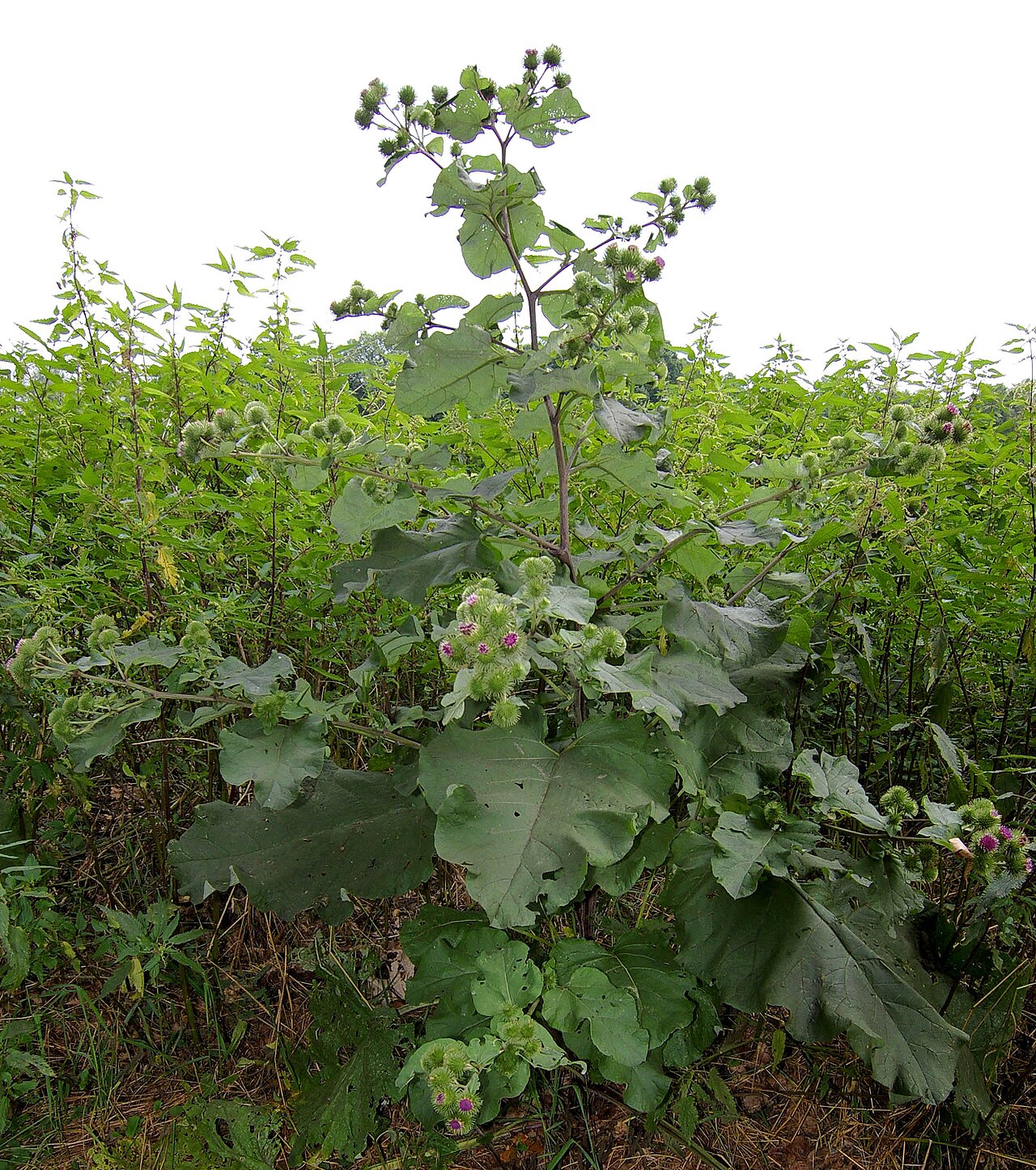
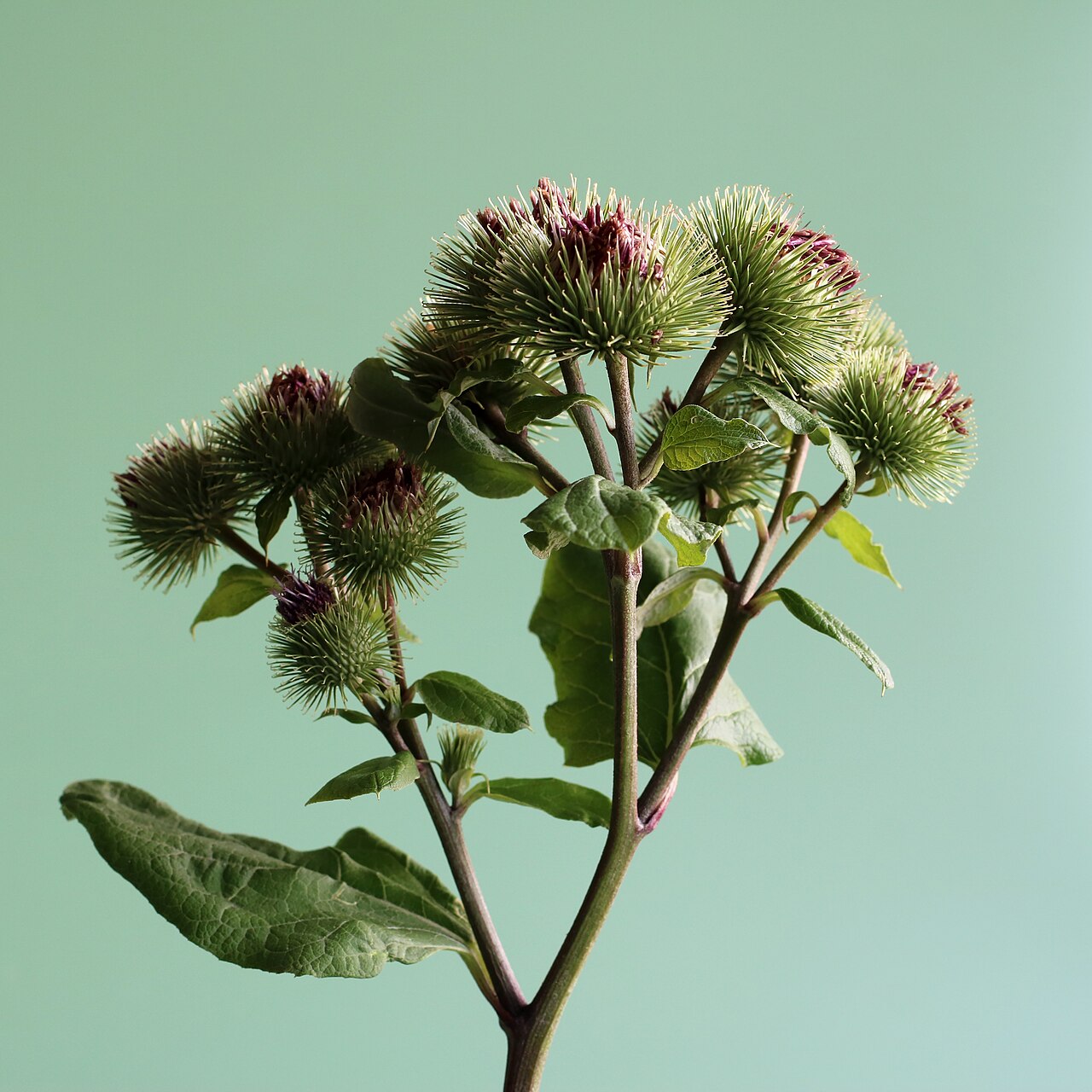
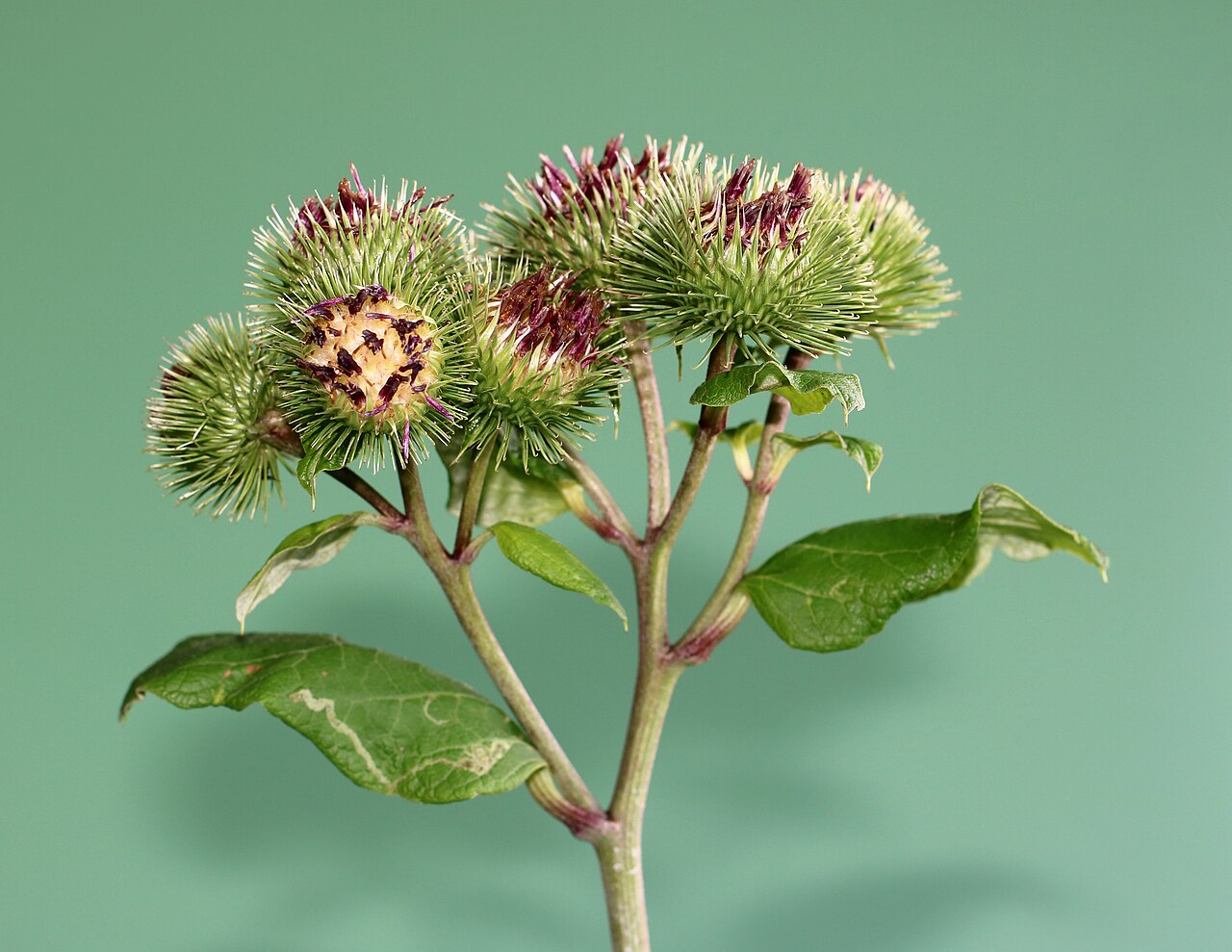
Why this variety
Salada Musume is the burdock for gardeners who love gobo but not the excavation: Kitazawa’s catalog lists it as an early variety with light-skinned roots just 12–16 inches deep, much shorter than the standard types, and therefore far easier to harvest. That single trait — short roots — makes it the home-garden burdock.
Shorter does not mean lesser. The roots are tender, light-skinned, and ready about three weeks sooner than the long types, and the plant is easier to fit into an ordinary raised bed without a trench. If Takinogawa Long is the connoisseur’s burdock, Salada Musume is the one you will actually dig up and eat.
If you are new to choosing between cultivars, the Varieties Matter guide explains why the name after the plant matters as much as the plant itself. And if you want the whole clan at a glance, the broader Burdock guide covers burdock generally.
How to grow
In Florida, burdock is best treated as a cool-season root crop: sow in fall, let the rosette grow through winter, and dig the roots before the plant bolts in spring heat. Give it the deepest, loosest soil you have — a burdock root in compacted ground is a burdock root you will never fully dig out.
Direct-sow in spring into loose, deep soil, thin to 3–6 inches apart, and keep the bed evenly moist. Because the roots are shorter, an ordinary deep raised bed works fine — no trench engineering required.
Water & feeding
Water deeply and steadily while the root is sizing up; a checked, drought-stressed root turns woody and forked. Mulch to keep the soil cool and loose, and feed lightly — burdock is not a heavy feeder, but it rewards rich, well-worked ground.
Common problems
The same cautions as other burdocks apply: compacted soil gives forked roots, and second-year plants produce burs that spread everywhere. Harvest in year one, before bolting, and you avoid both problems.
Harvest
Dig in fall of the first year, when the roots are 12–16 inches long and easy to lift whole. Prepare by scraping the skin with a knife, cutting into matchsticks, and cooking promptly — burdock discolors quickly once cut, so a bowl of acidulated water is your friend.
Nerdy fact: Salada Musume’s name nods to salad use: unlike the long types, which are almost always cooked, its young, tender roots are mild enough to eat fresh — a rare trick for a burdock.
Saving seeds
Salada Musume is the burdock for gardeners who love gobo but not the excavation: Kitazawa’s catalog lists it as an early variety with light-skinned roots just 12–16 inches deep, much shorter than the standard types, and therefore far easier to harvest. That single trait — short roots — makes it the home-garden burdock. As an open-pollinated burdock it comes true from seed: in Florida, burdock is best treated as a cool-season root crop — sow in fall, let the rosette grow through winter, and dig the roots before the plant bolts in spring heat. Give it the deepest, loosest soil you have — a burdock root in compacted ground is a burdock root you will never fully dig out. Direct-sow in spring into loose, deep soil, thin to 3–6 inches apart, and keep the bed evenly moist. The full method is in the Saving seeds section of the Burdock guide.