
🐍 Salak
What it looks like
How to grow
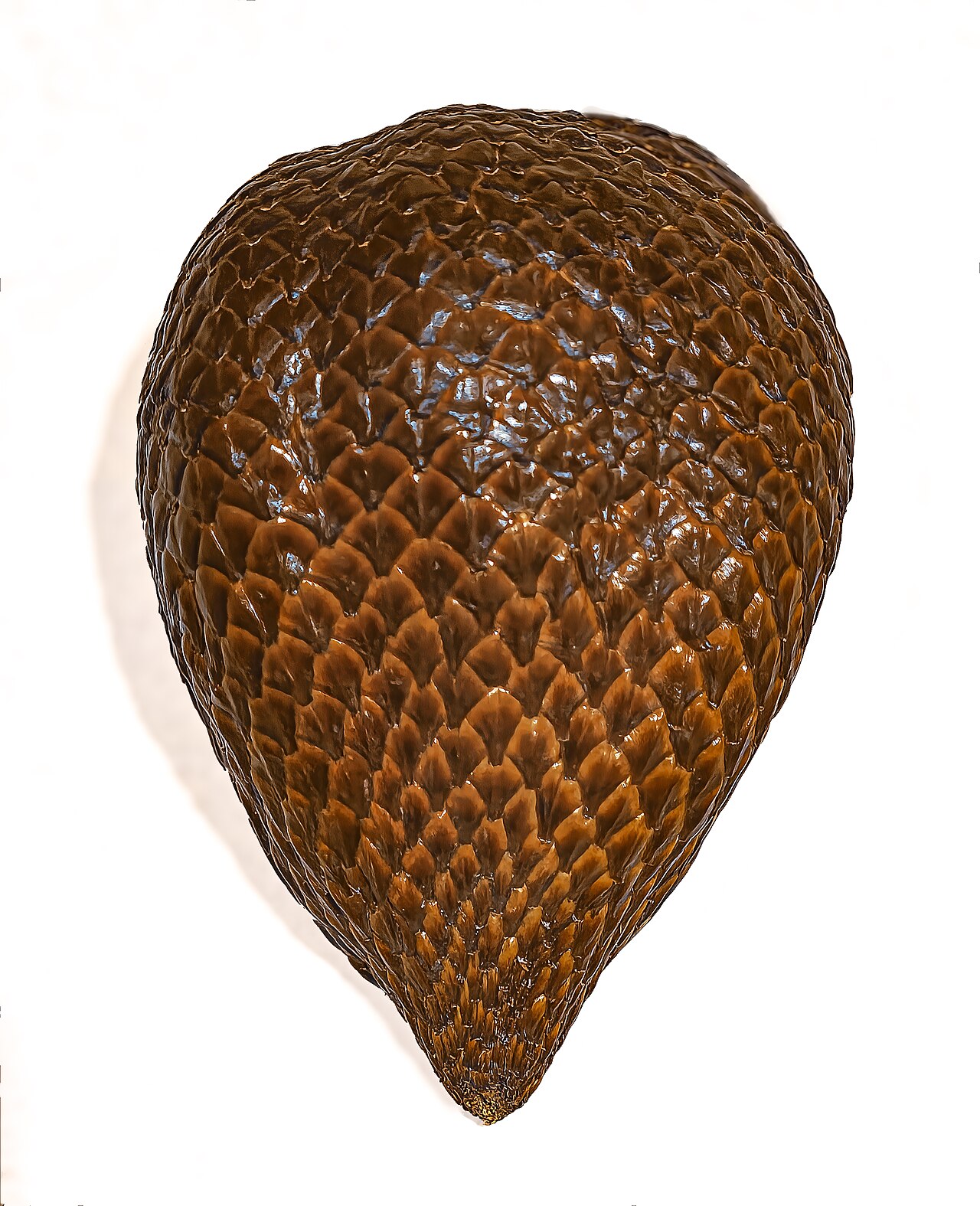
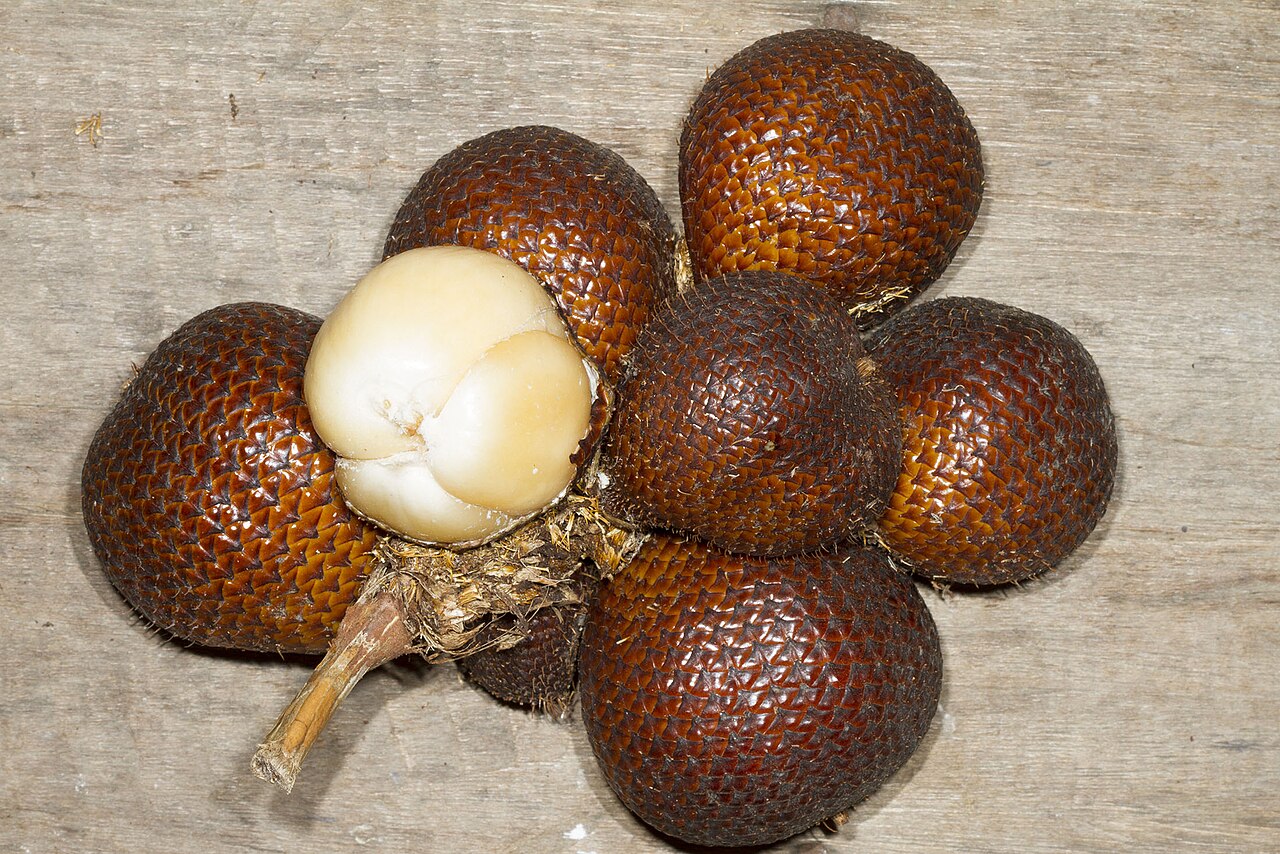
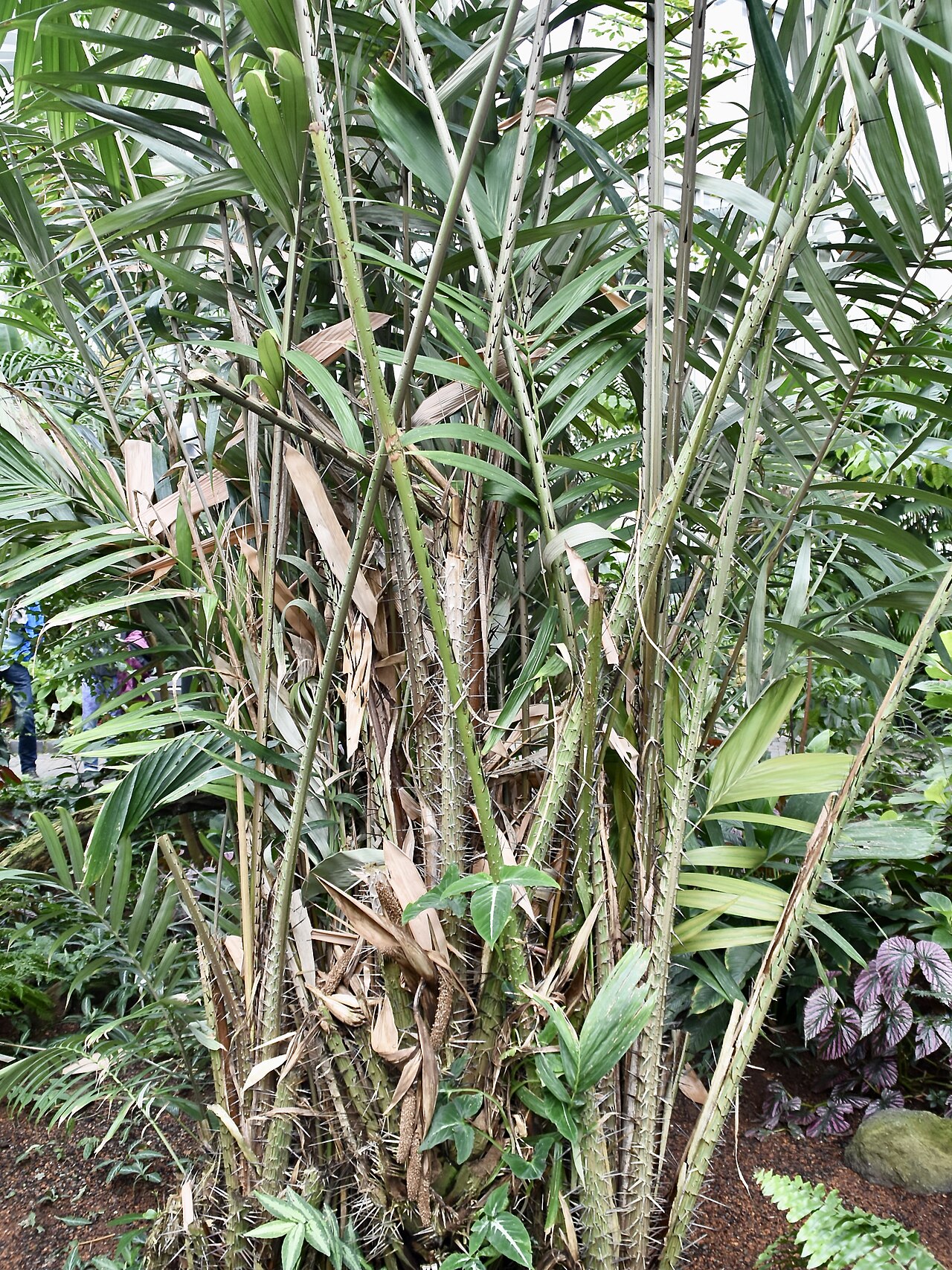
Salak, or snake fruit, is a spiny, clustering palm from Indonesia whose fruit wears a brown, scaly skin like a snake and hides crisp, sweet-tart pulp inside. It is ultra-tropical and shade-loving: it wants warm, humid air, rich, moist, acidic soil, and partial shade, not baking sun. In the United States that means south Florida, Hawaii, and greenhouses elsewhere — and even in south Florida, it is a warm-microclimate plant, not a plant for an exposed, frost-prone yard. Most salak are dioecious, with male and female plants separate, so plant several and hand-pollinate females for reliable fruit; the Bali type is an exception, bearing both flower types and fruiting at a smaller size. Wear thick gloves and long sleeves: the fronds and fruit clusters are fiercely spiny, and harvesting without protection is a mistake you make once.
Water & feeding
Water generously and consistently — salak wants moist soil at all times and high humidity, and it sulks if it dries out. Mulch thickly with organic matter. Feed regularly in the growing season with compost or a balanced fertilizer; hungry palms fruit lightly.
Common problems
- Cold — no frost tolerance to speak of; greenhouse or the warmest microclimate only outside the tropics.
- Spines — a handling hazard, not a pest; glove up and site away from paths.
- No fruit — usually a missing male plant or lack of pollination; hand-pollinate and plant several.
- Dry air — leaf tips brown and fruit set fails; mist, mulch, and shade help.
Harvest
Pick clusters when the scales loosen slightly and the fruit feels full; peel the scaly skin from the tip, like peeling a hard-boiled egg, and eat the crisp pulp around the large seed. Eat fresh, or pickle, juice, or cook into jam. Pick before fully soft for the classic crisp texture.
Browse all plant & pest guides
Saving seeds
Salak seed comes with the shortest deadline of any seed in this whole project. Snake fruit seed is recalcitrant, and the numbers are stark: research on fresh salak seed found germination at 55% after just one week out of the fruit, and zero after two weeks. Eat the fruit, clean the pulp off the seeds, rinse them, and sow them the same day. Seed that sits on the counter for a week is seed that is already half dead, and seed bought from a distant seller is often dead before it arrives — fresh seed from a fruit you ate yourself is the only reliable source.
Sow shallowly — about two inches deep, or even just pressed onto moist soil — in a warm, shady, well-draining mix, and keep it moist and warm. Fresh seed sprouts in under a week, even lying on the surface of moist soil, and the first full leaf opens two to three months after sowing. Young palms need heavy shade for about a year, so keep seedlings out of direct sun. Growth after germination is slow, and the palm starts flowering three to four years after sowing.
The honesty part is the same one that applies to most fruit trees, with a twist: salak is dioecious, so each palm is either male or female, and you cannot tell which until it flowers. Grow several seedlings so both sexes are present — about three females to one male is the orchard ratio — and hand-pollinate by tapping a flowering male spike over the female flowers, since the natural pollinators are inefficient. Seedlings also vary in fruit quality, and the only way to lock in a named variety is suckers from a known female or grafting. Seed is for the adventure, and salak is worth the gamble.
Save seed from fruit that was fully ripe and delicious, from a healthy palm, and sow more than you need — and sow them all the same day. In Florida, salak is a warm-climate palm for zones 10 to 11, happiest in the southern part of the state in partial shade, so start seedlings in pots and keep them sheltered and shaded through their first year. And wear gloves: the palm is fiercely spiny, and the spines are not a joke.
Varieties
Every named variety of Salak with its own growing guide:
- Bali Salak — The crunchy Bali salak: moist, crisp, sweet-sour flesh from the highlands of Bali — the salak tourists bring home as a souvenir.
- Gula Pasir Salak — The sugar salak: the sweetest of all salak, small fruit with fine-grained, sugary flesh — Bali's premium, most expensive cultivar.
- Pondoh Salak — The Java classic: sweet, fragrant, dry and crumbly flesh with almost no astringency — Indonesia's most commercially grown salak.