
🥬 Scarlet Frills Mustard
What it looks like
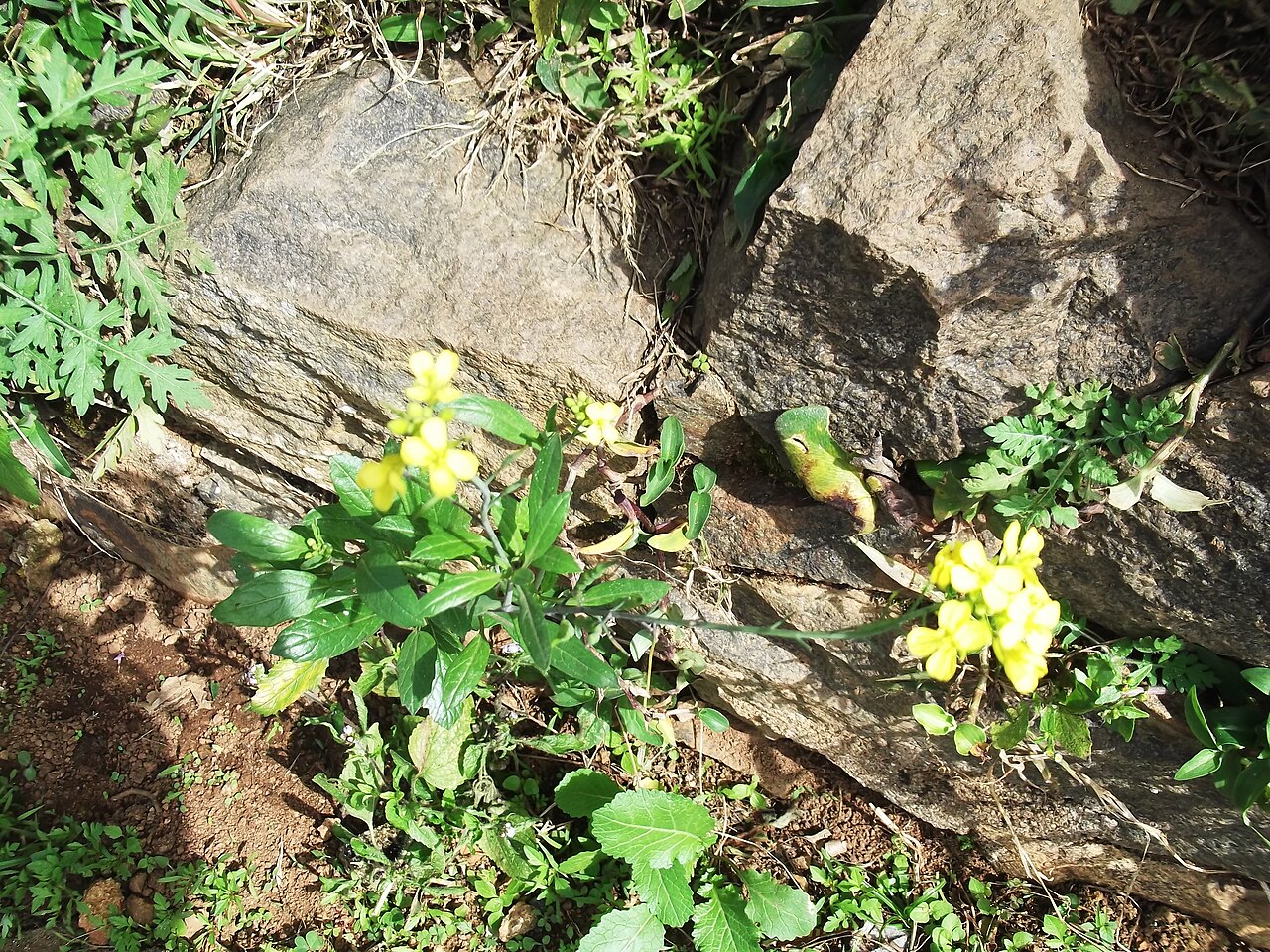
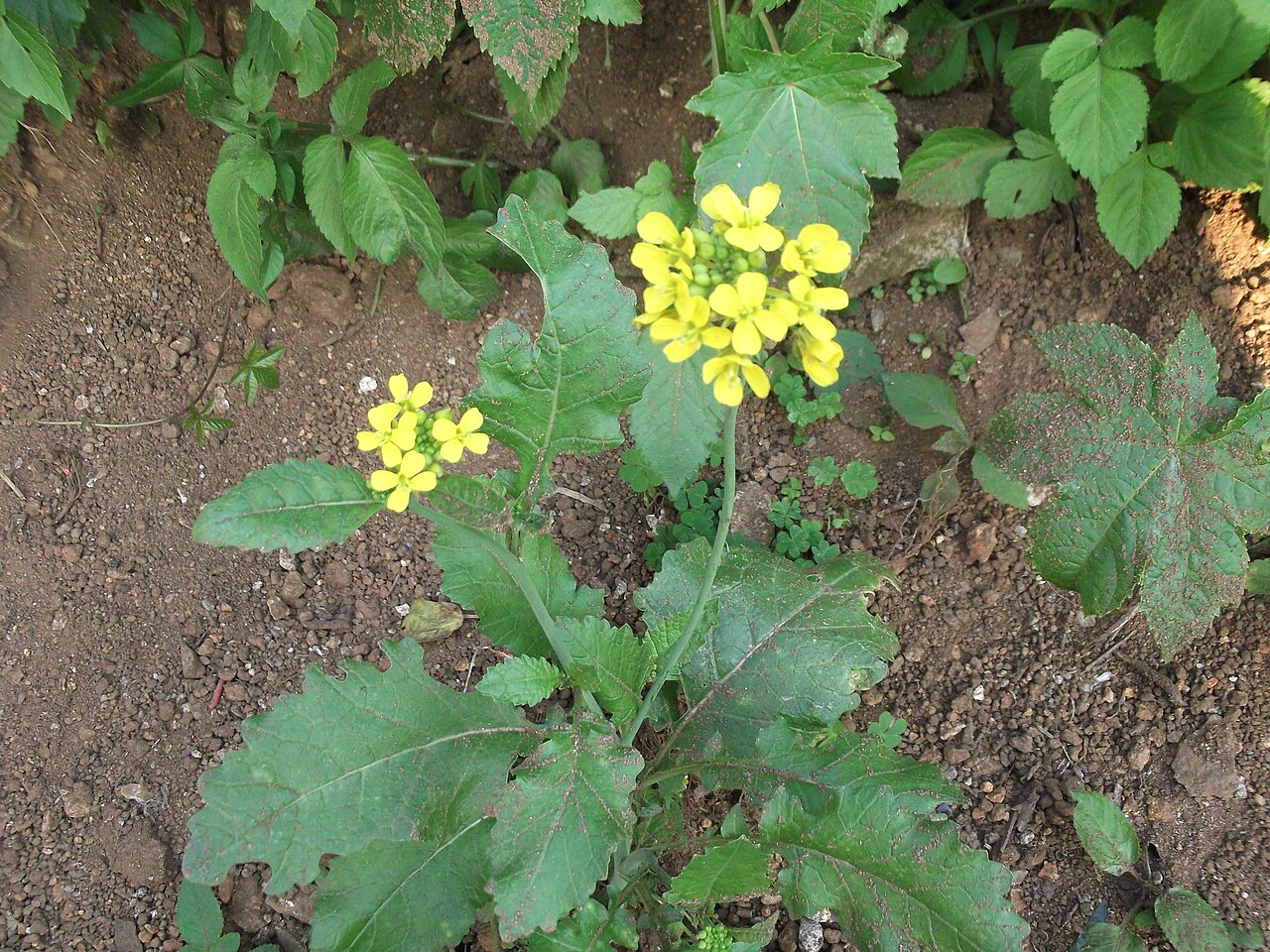
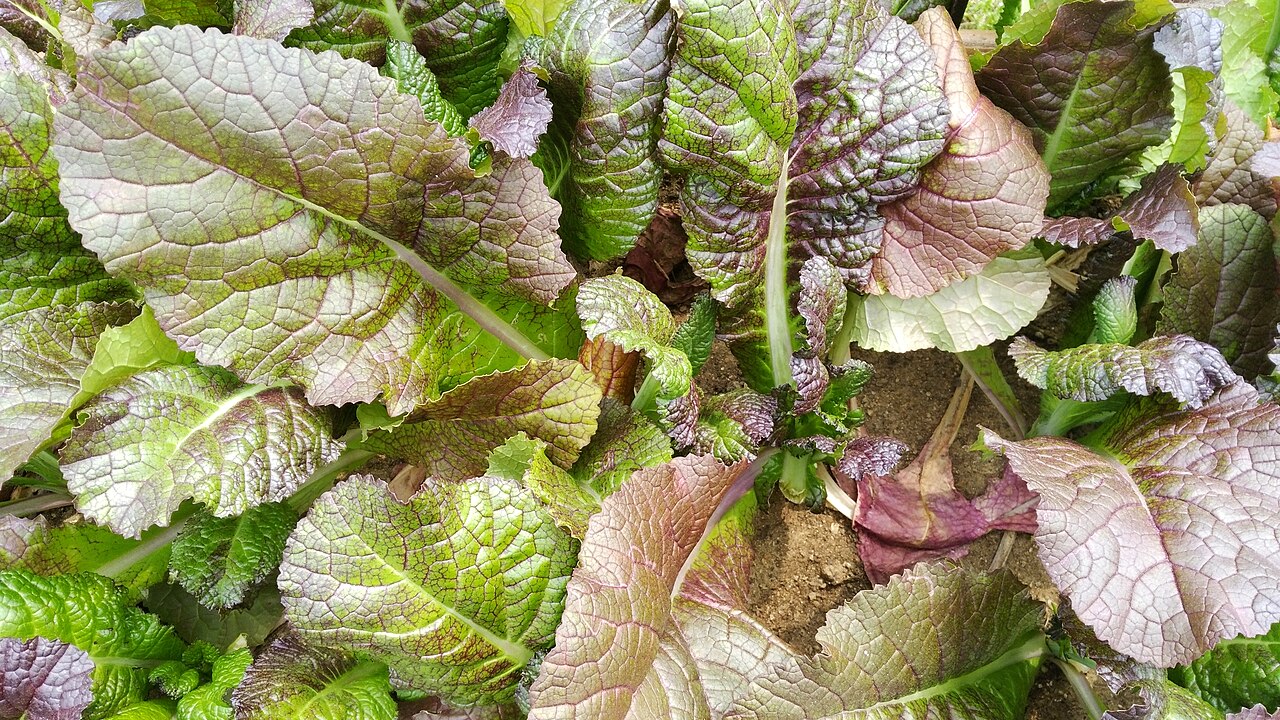
Photos show the species (Brassica juncea), since no cultivar-specific photo verified for this variety — the species photos above are already hosted on this site and attributed as on the species guide.
Why this variety
Scarlet Frills is the red answer to Golden Frills, and the pair is worth telling apart. Golden Frills, already guided, is bright green and deeply lobed with a strong, spicy aroma. Scarlet Frills is green-and-red, intricately lobed and ruffled, very spicy, and it gets darker red in cooler weather — which means a Florida winter planting does not just taste better, it looks better, the cold painting the leaves the way frost paints a maple. It is slow to bolt, which in mustard terms means it gives you a longer picking window before it runs to seed.
It is also a dual-purpose mustard in the best sense: baby leaves at 21 days for salad mixes, where the frills add loft and color that flat leaves cannot, and full-size leaves at 37 days for cooking, where the spice holds up instead of vanishing. Do not confuse it with Ruby Streaks, the other red-frills mustard already guided — Ruby Streaks is green-and-maroon with a milder tang, while Scarlet Frills is the hotter, redder, more deeply cut of the two.
How to grow
Sow from September through February in Florida, direct, in succession every 2–3 weeks. For baby leaf, sow thickly at the hero baby spacing and shear whole rows; for full plants, thin to the full spacing so each rosette can open into its ruffles. Work compost and castings into sandy soil first — frilly leaves are mostly edge, and edge dries out fast without a moist, organic-rich bed underneath.
Keep picking. Frilly mustards respond to cutting by pushing new growth from the center, and a plant picked regularly stays in leaf weeks longer than one left untouched. Mulch between rows to keep soil off the low frills and to hold the even moisture that keeps the bite spicy rather than harsh.
Water & feeding
Water evenly; small frilly leaves dry out and turn sharp fast when water runs short, and a dry-grown Scarlet Frills is all heat and no flavor. Morning watering keeps leaves crispest for picking.
Feed modestly: castings or compost at planting, then a light side-dress every 3–4 weeks while cutting. Overfeeding grows soft leaves that lose their frill and their spice — the two things you grew it for.
Common problems
- Aphids — cluster on undersides and new growth; blast with water, encourage lady beetles, and keep plants unstressed.
- Cabbage worms and loopers — the white butterfly’s children; hand-pick or use Bt, and row cover at transplant keeps the moths off entirely.
- Flea beetles — tiny shot-holes in young leaves; row cover early, mulch, and keep seedlings vigorous so they outgrow the damage.
- Bolting in a warm snap — a late-winter heat wave can push flower stalks; harvest hard before it, and treat bolted plants as done — the leaves turn bitter fast.
Harvest
Shear baby leaves from about 21 days, or pick full leaves at about 37 days, cutting above the crown so the plant regrows for another cutting. Pick in the morning when leaves are crispest, and use the frills raw where their shape and color show — they wilt into anonymity in a long braise, though a quick toss into hot pasta or grain salads keeps both color and bite.
Frilly mustard keeps a few days in the fridge in a bag; use it fresh for best flavor and color. The red deepens after a cold snap, so if you want the showiest leaves, let a light frost (or a genuinely cold Florida night) do its work before you pick.
Browse all plant & pest guides
Saving seeds
Scarlet Frills is the red answer to Golden Frills, and the pair is worth telling apart. Golden Frills, already guided, is bright green and deeply lobed with a strong, spicy aroma. Scarlet Frills is green-and-red, intricately lobed and ruffled, very spicy, and it gets darker red in cooler weather — which means a Florida winter planting does not just taste better, it looks better, the cold painting the leaves the way frost paints a maple. As an open-pollinated mustard it comes true from seed: sow from September through February in Florida, direct, in succession every 2–3 weeks. For baby leaf, sow thickly and shear whole rows; for full plants, thin to the full spacing so each rosette can open into its ruffles. Work compost and castings into sandy soil first — frilly leaves are mostly edge, and edge dries out fast without a moist, organic-rich bed underneath. The full method is in the Saving seeds section of the Mustard Greens guide.