
🌳 Shademaster Honey Locust
What it looks like

Why this variety
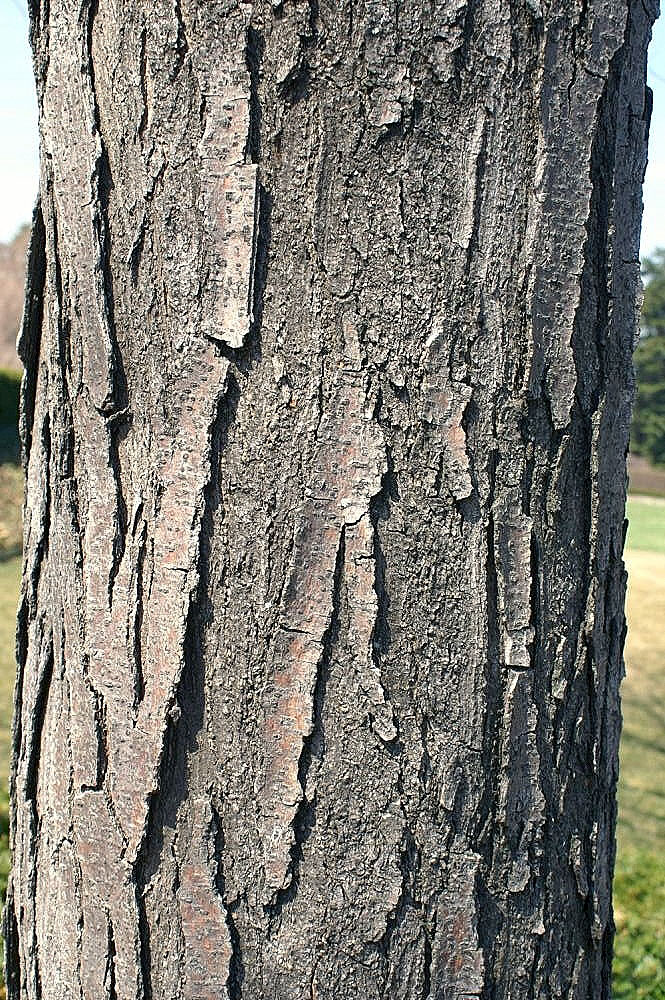
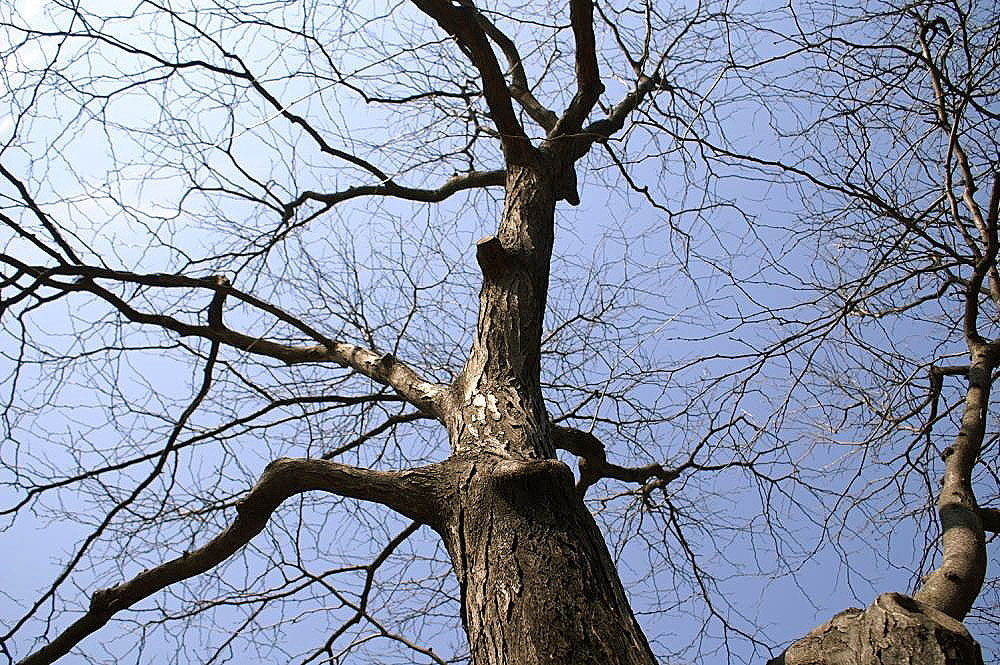
Shademaster is the honey locust planted by the thousands along streets and in parks, and the reason is structural: a strong central leader, a straight trunk, a symmetrical vase-shaped crown, and dark-green fern-like foliage that gives the dappled shade honey locust is famous for — all thornless and essentially podless, so there is almost no litter to manage. It grows fast, tolerates pollution, drought, salt and poor soil, and it is the honey locust to plant when you want a proper shade tree, not a spring novelty.
In Florida, Shademaster belongs in the north, in full sun, 35–45 feet from structures. It is a big tree — 45 feet tall — so give it the room its crown demands, water it deeply through establishment, and expect a shade tree that earns its keep in a decade, not a generation.
How to grow
Buy a thornless, podless cultivar, not the straight species: wild honey locust carries branched thorns several inches long that are a genuine hazard, while named cultivars give you the fine, fern-like foliage without the armour or the ankle-twisting pods. Honey locust gives dappled shade you can actually garden under, grows fast, and tolerates city pollution, drought, salt and poor soil. Plant in full sun in fall or spring, 30–50 feet from structures, and water deeply for the first two years. In Florida, keep it in the north and give it afternoon shade if the site is brutal; this is a zone 4–9 tree at the warm edge of its comfort.
Water & feeding
Water deeply through establishment, then in dry spells; established honey locust is notably drought-tolerant. It fixes no nitrogen itself — that is its black-locust cousin’s trick — so a light spring feed helps on poor soil, but heavy feeding gives brittle growth. Mulch widely and keep mowers off the bark.
Common problems
Mimosa webworm and honey locust plant bug may chew or skeletonise leaves in some years; healthy trees regrow, and severe cases are worth a targeted treatment rather than panic. Cankers can strike stressed trees — the prevention is water, drainage and not wounding the bark. Thornless cultivars still occasionally throw a thorny shoot; cut it out promptly.
Harvest
The harvest is fast shade with almost no cleanup: no thorns, essentially no pods, and small leaflets that filter through lawns rather than smothering them. Prune while young to maintain the central leader; mature trees need little beyond deadwood removal and storm-damage checks.
Nerdy fact: Shademaster’s cultivar name is a registered trademark, and it was selected specifically for its straight trunk and symmetrical crown — a reminder that street trees are bred like crops, for traits a city can rely on, not just for beauty.
Saving seeds
Shademaster is the honey locust planted by the thousands along streets and in parks, and the reason is structural: a strong central leader, a straight trunk, a symmetrical vase-shaped crown, and dark-green fern-like foliage that gives the dappled shade honey locust is famous for — all thornless and essentially podless, so there is almost no litter to manage. As a named honey locust it is kept true by grafting, not by seed — buy a thornless, podless cultivar, not the straight species: wild honey locust carries branched thorns several inches long that are a genuine hazard, while named cultivars give you the fine, fern-like foliage without the armour or the ankle-twisting pods. Plant in full sun in fall or spring, 30–50 feet from structures, and water deeply for the first two years. In Florida, Shademaster belongs in the north. The full method is in the Saving seeds section of the Honey Locust guide.