
🌳 Honey Locust
What it looks like

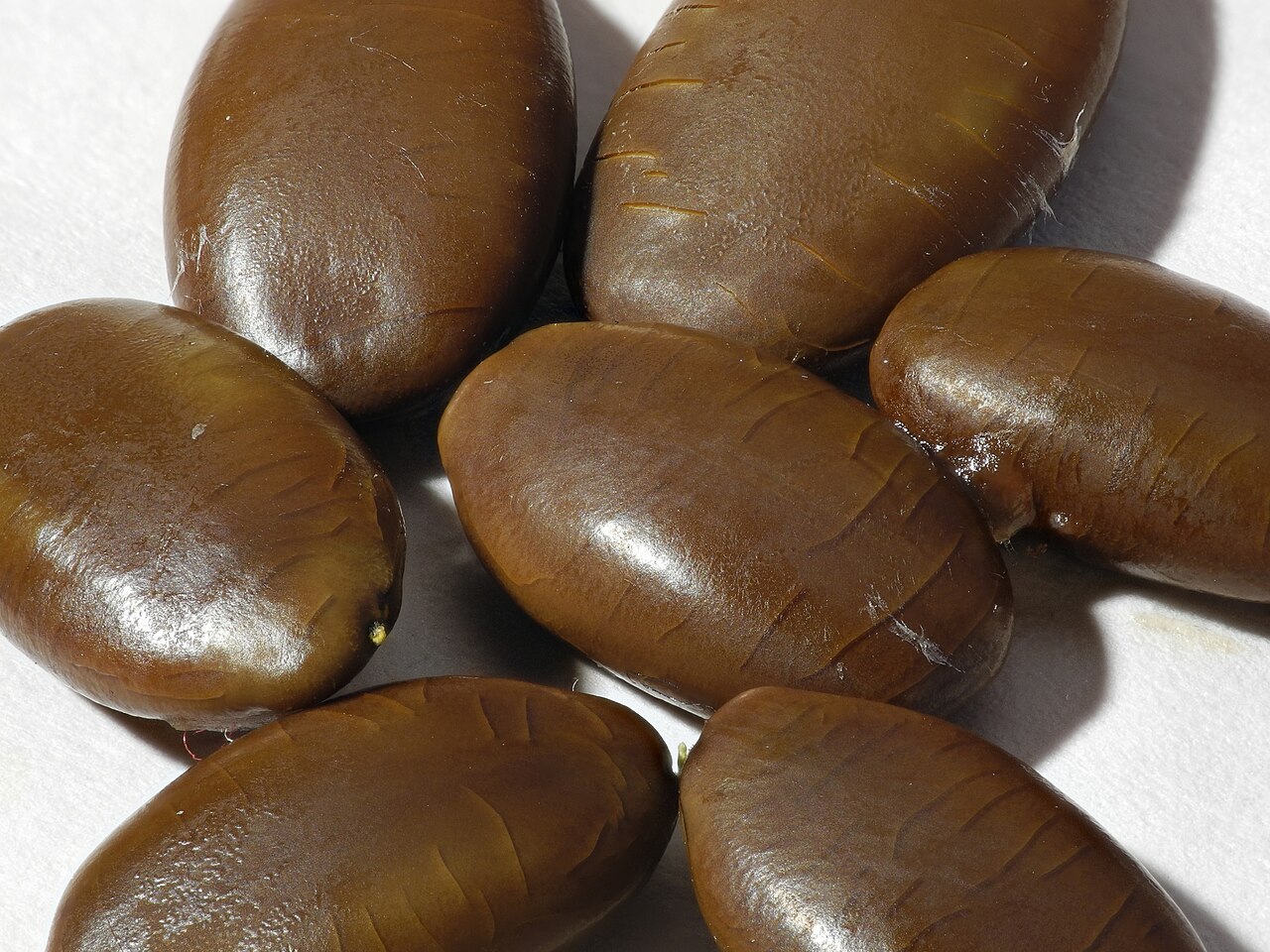
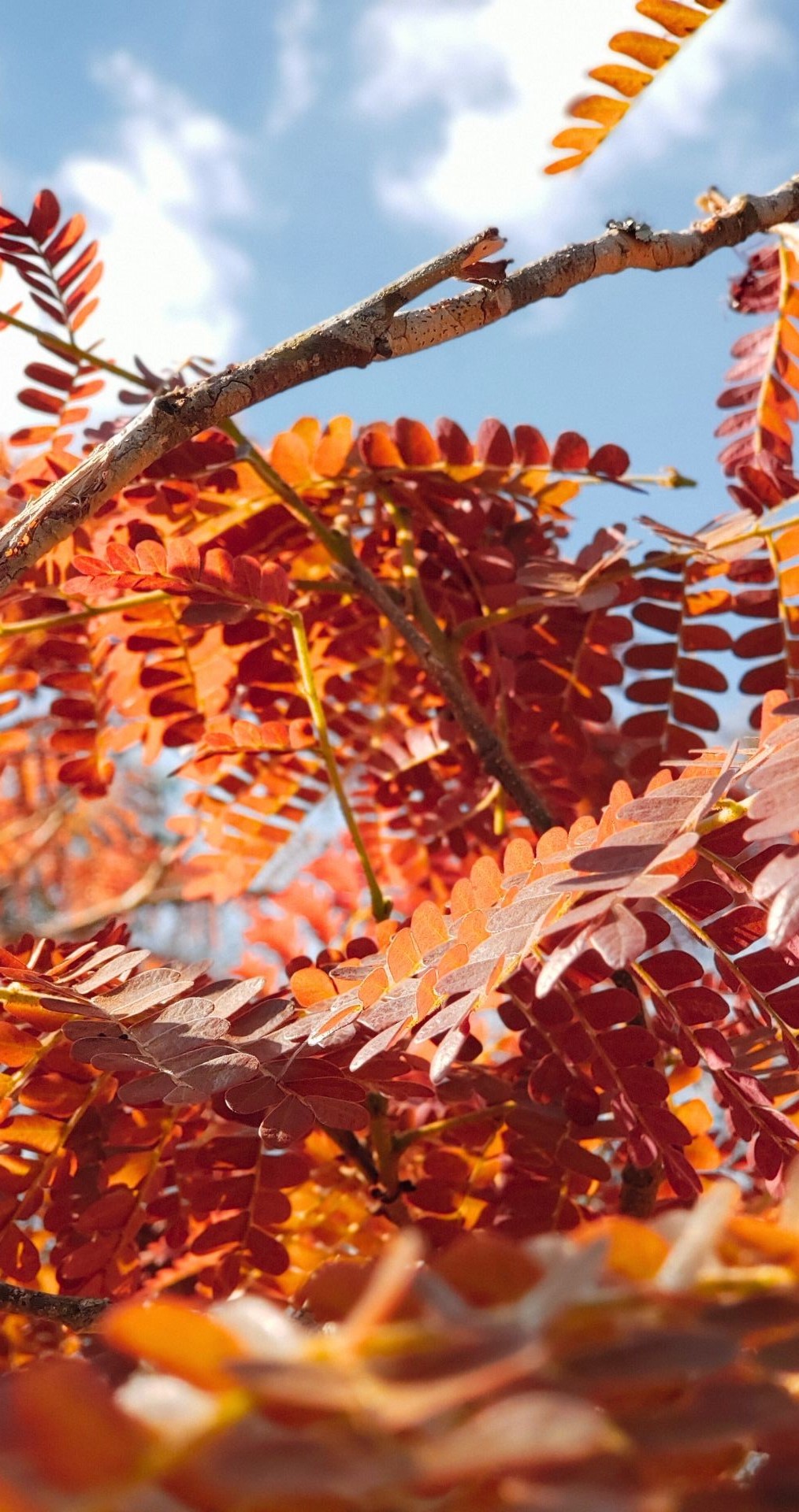
How to grow
Buy a thornless, podless cultivar, not the straight species: wild honey locust carries branched thorns several inches long that are a genuine hazard, while cultivars such as Sunburst, Shademaster and Majestic give you the fine, fern-like foliage without the armour or the ankle-twisting pods. Sunburst opens golden-yellow in spring and greens up by summer; it is seedless and podless but somewhat more prone to canker, so site it with good air movement. Plant in full sun in almost any soil, sand, loam or clay, wet or dry, and give it room: a mature tree reaches 30-70 feet with a broad, open crown that casts filtered shade, so lawn and shade plants still grow beneath it.
Water & feeding
Water deeply while establishing, then water only in prolonged dry spells; honey locust is drought tolerant once settled and tolerates road salt and compacted soil better than most shade trees. It fixes nitrogen like its legume cousins, so it rarely needs fertilizer — a spring mulch of compost or worm castings is plenty, and heavy feeding only invites soft growth and pests.
Common problems
- Mimosa webworm and honeylocust plant bug — the worst pests of over-planted honey locust; choose resistant cultivars and avoid planting street after street of the same tree.
- Thyronectria canker, especially on Sunburst — prune out cankered wood in dry weather and keep the tree vigorous.
- Leaf gall midge and spider mites in hot, dry summers — rarely fatal; water during drought rather than spraying on reflex.
- Seed pods on the species — avoid the problem entirely by planting a named podless cultivar.
Notes
Honey locust gets its name from the sweet pulp in the long seed pods of the wild tree, which livestock once ate. The filtered shade is the real selling point for gardeners: it is one of the few big shade trees under which you can still grow a decent lawn.
Browse all plant & pest guides
Saving seeds
Read this before you go pod-hunting: the wild honey locust is armed. Its trunk and branches carry long, branched, needle-sharp thorns that are genuinely vicious, and many landscape cultivars are thornless precisely because nobody wants to garden around a tree that fights back. If you are collecting pods, wear thick gloves, long sleeves, and eye protection, collect from a thornless tree if you have the choice, and never let a child scramble under a thorny specimen for pods. The second warning is genetic, not physical: seed from a thornless cultivar does not reliably give you a thornless tree — one long-standing reference puts thornless seedlings at roughly half of the offspring — so if thornlessness is non-negotiable, buy a grafted or budded cultivar, and treat seed-grown trees as a lottery in which thorns are a possible prize.
Collect the long, twisted pods in late summer into fall, when they have turned from green to dark maroon-brown and begun to rattle, or gather freshly fallen pods before wildlife and weather get to them. The pods persist into winter, so you have a generous window, but fresher is better: pods left through winter rains go mouldy. Split the leathery pods and pull the oval, bean-like seeds out of their sweet, sticky pulp — livestock once ate these pods for that pulp — then wash the pulp off, because pulp left on seed invites mould in storage. Rinse, spread the seeds on a tray, and dry them thoroughly indoors before they go anywhere near a jar.
Now the famous hard coat. Honey locust seed wears a water-impermeable coat so tough that, untreated, only a small fraction will germinate — the coat has to be breached before the embryo can drink. The home-gardener method is hot water: pour hot, not boiling, water over the seed — sources give roughly 70 to 90 degrees Celsius depending on the reference — and let it soak and cool for twelve to twenty-four hours. Seeds that swell to two or three times their size have drunk successfully and are ready to sow; seeds that stay small and hard can be nicked gently with a file or sandpaper at the edge, away from the embryo end, and soaked again in cool water. Skip the concentrated-acid method you may see in nursery references — that is a commercial technique, not a kitchen one, and a file plus hot water gets a home gardener the same result without the hazard. Sow about half an inch deep in a well-drained mix, keep it moist, and expect germination within a few weeks at mild temperatures, though some seed will always hold out and germinate much later, which is the species hedging its bets.
For storage, dry the seed fully, then keep it in an airtight container with a desiccant packet, cool and dark — Florida humidity argues for the jar, not an envelope on a shelf, and for drying indoors in air-conditioning rather than a humid garage. Honey locust seed is famously long-lived and can stay viable for many years, so a dry batch need not be rushed into the ground. One last honesty note: seed-grown honey locusts vary — pod size, sweetness, thorniness, and form all shuffle — which is why nurseries graft named cultivars rather than sowing them. Sow seed for a tough, fast shade tree if you are happy to rogue out a thorny seedling or two; buy grafted for a guaranteed ‘Sunburst’ or ‘Shademaster’. Seed saving is wonderful, but it is not a photocopier, and a tree that lives for decades deserves that distinction up front.
Varieties
Every named variety of Honey Locust with its own growing guide:
- Sunburst Honey Locust — The honey locust that opens gold: bright golden-yellow new leaves in spring, fading to green, with dappled shade you can garden under.
- Shademaster Honey Locust — The straight, fast, thornless shade tree: a strong central leader, dark-green fern-like leaves, and almost no litter.