
🌳 Sunburst Honey Locust
What it looks like
Why this variety
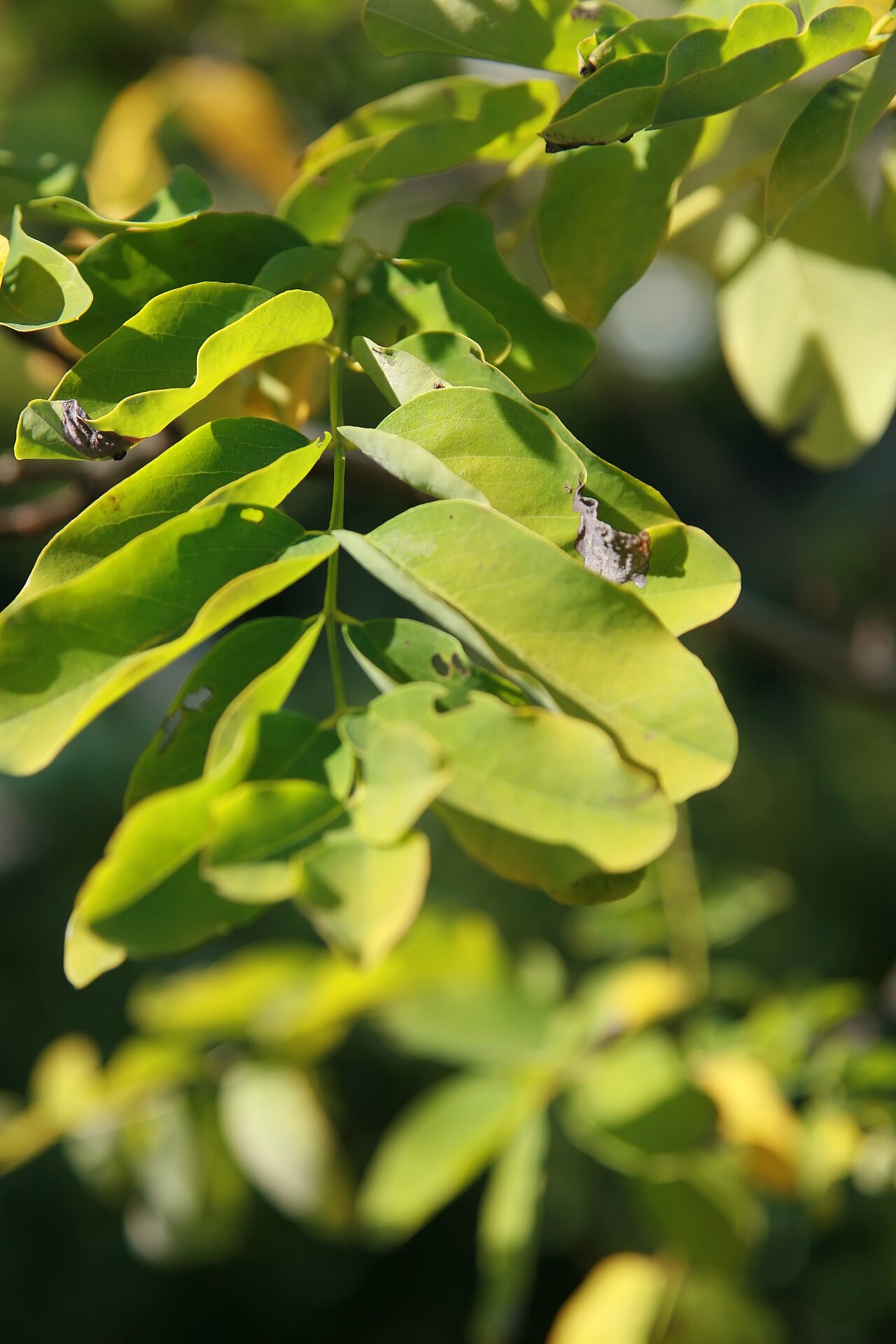
Sunburst is the honey locust people plant for the spring show: new leaves emerge a bright, almost luminous golden-yellow, hold that colour for weeks, and gradually fade to green through summer, so the tree looks lit from within in spring and like a normal, graceful shade tree for the rest of the year. It is thornless and podless — the two things that make a honey locust a garden tree rather than a hazard — with the fine, fern-like foliage that gives dappled shade you can actually garden under, and it grows fast.
In Florida, Sunburst belongs in the north, in full sun, with afternoon shade if the site is brutal. The gold foliage scorches faster than green in a hot, dry summer, so steady water through establishment and mulch to keep roots cool are not optional extras — they are the difference between a golden spring and a scorched summer.
How to grow
Buy a thornless, podless cultivar, not the straight species: wild honey locust carries branched thorns several inches long that are a genuine hazard, while named cultivars give you the fine, fern-like foliage without the armour or the ankle-twisting pods. Honey locust gives dappled shade you can actually garden under, grows fast, and tolerates city pollution, drought, salt and poor soil. Plant in full sun in fall or spring, 30–50 feet from structures, and water deeply for the first two years. In Florida, keep it in the north and give it afternoon shade if the site is brutal; this is a zone 4–9 tree at the warm edge of its comfort.
Water & feeding
Water deeply through establishment, then in dry spells; established honey locust is notably drought-tolerant. It fixes no nitrogen itself — that is its black-locust cousin’s trick — so a light spring feed helps on poor soil, but heavy feeding gives brittle growth. Mulch widely and keep mowers off the bark.
Common problems
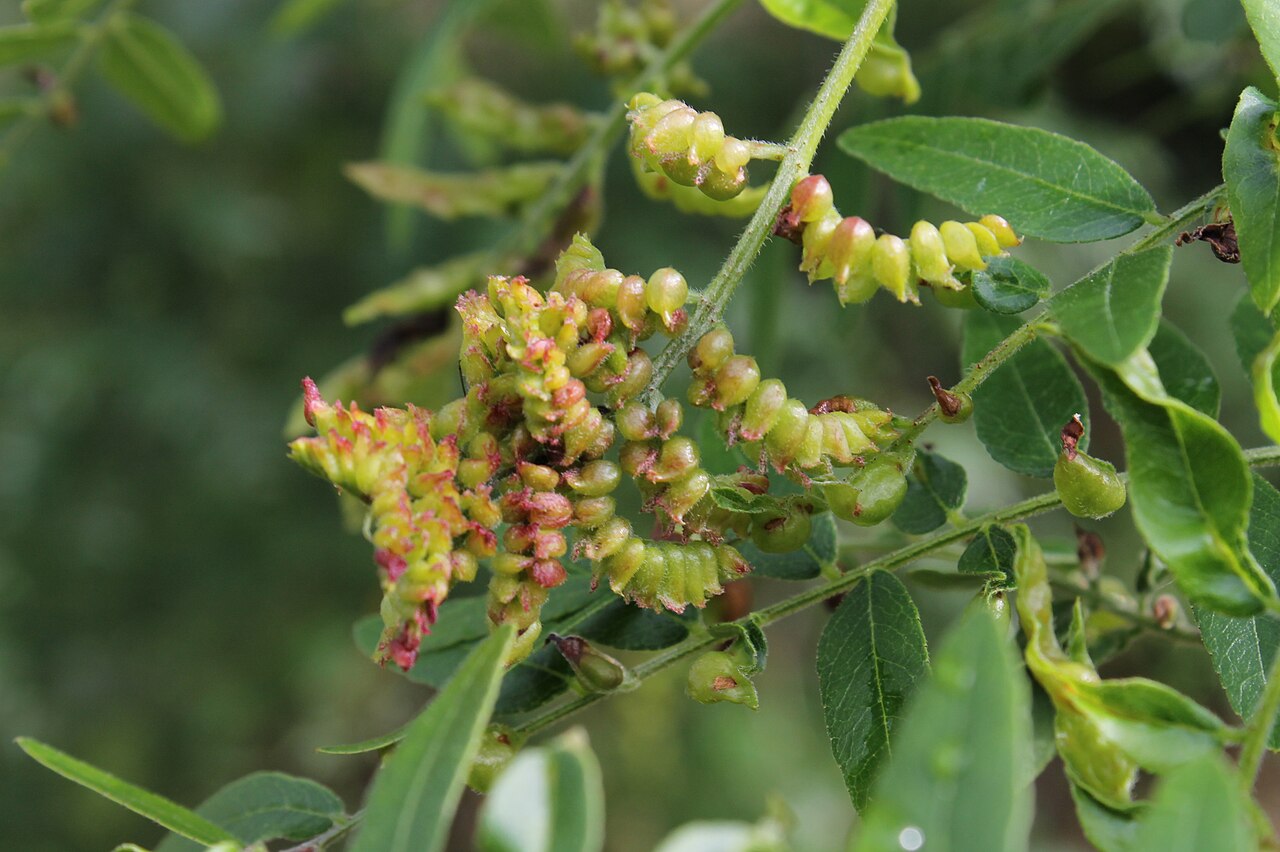
Mimosa webworm and honey locust plant bug may chew or skeletonise leaves in some years; healthy trees regrow, and severe cases are worth a targeted treatment rather than panic. Cankers can strike stressed trees — the prevention is water, drainage and not wounding the bark. Thornless cultivars still occasionally throw a thorny shoot; cut it out promptly.
Harvest
The harvest is spring gold and summer dappled shade, with no pods to rake and no thorns to dodge — that is the cultivar’s whole argument. Prune while young to shape a strong structure; mature trees need little beyond deadwood removal. The gold fades to green by midsummer, which is normal, not a deficiency.
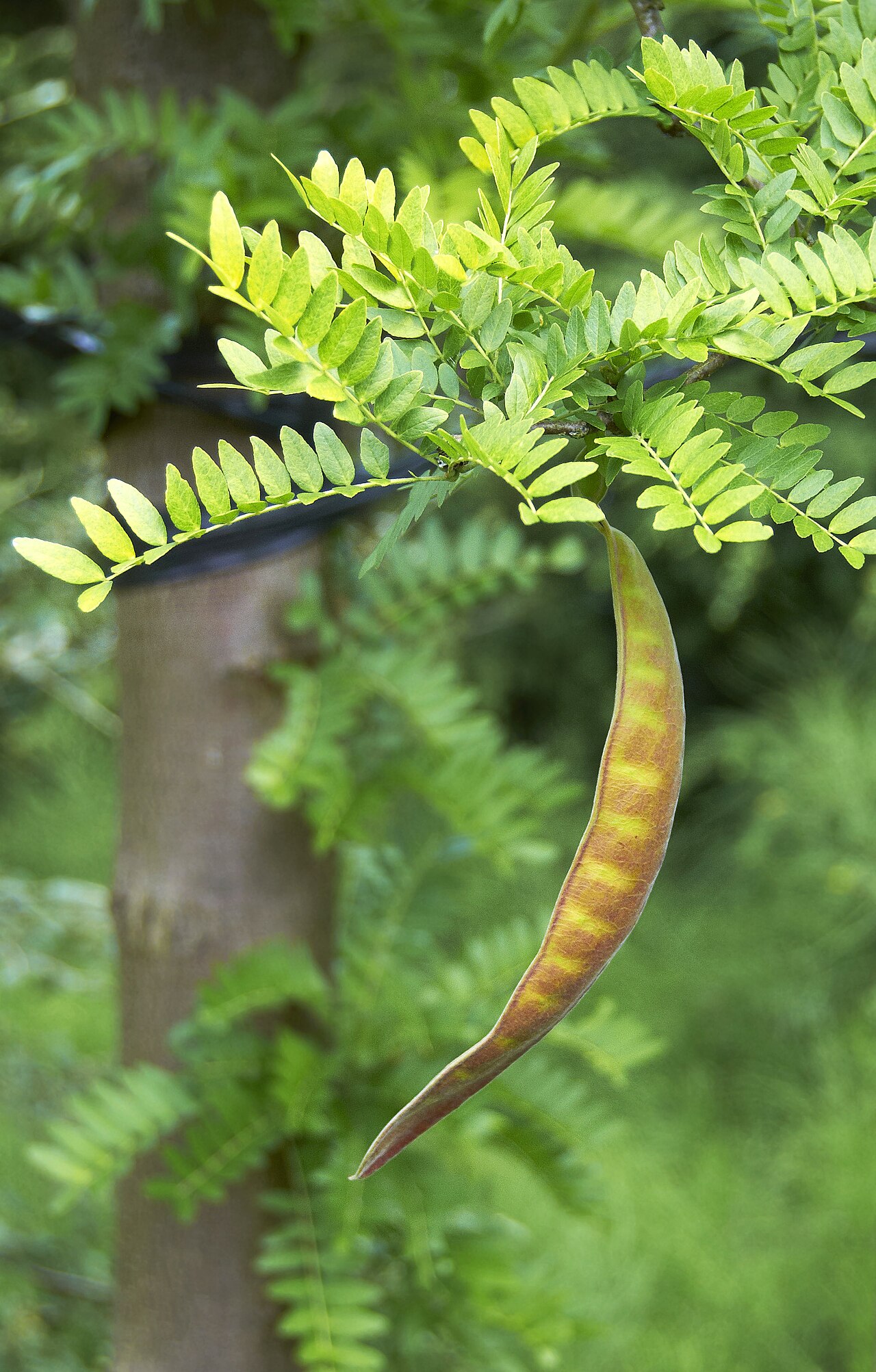
Nerdy fact: Honey locust’s fern-like leaves are twice-compound — each leaf is divided into leaflets, and those leaflets are divided again — which is why its shade is dappled rather than dense: sunlight filters through a double layer of tiny leaflets, and a garden underneath it actually grows.
Saving seeds
Sunburst is the honey locust people plant for the spring show: new leaves emerge a bright, almost luminous golden-yellow, hold that colour for weeks, and gradually fade to green through summer, so the tree looks lit from within in spring and like a normal, graceful shade tree for the rest of the year. It is thornless and podless — the two things that make a honey locust a garden tree rather than a hazard — with the fine, fern-like foliage that gives dappled shade you can actually garden under, and it grows fast. As a named honey locust it is kept true by grafting, not by seed — buy a thornless, podless cultivar, not the straight species: wild honey locust carries branched thorns several inches long that are a genuine hazard, while named cultivars give you the fine, fern-like foliage without the armour or the ankle-twisting pods. Plant in full sun in fall or spring, 30–50 feet from structures, and water deeply for the first two years. In Florida, Sunburst belongs in the north, in full sun, with afternoon shade if the site is brutal. The gold foliage scorches faster than green in a hot, dry summer, so steady water through establishment and mulch to keep roots cool are not optional extras — they are the difference between a golden spring and a scorched summer. The full method is in the Saving seeds section of the Honey Locust guide.