
🏔️ Shasta Doublefile Viburnum
What it looks like
Why this variety
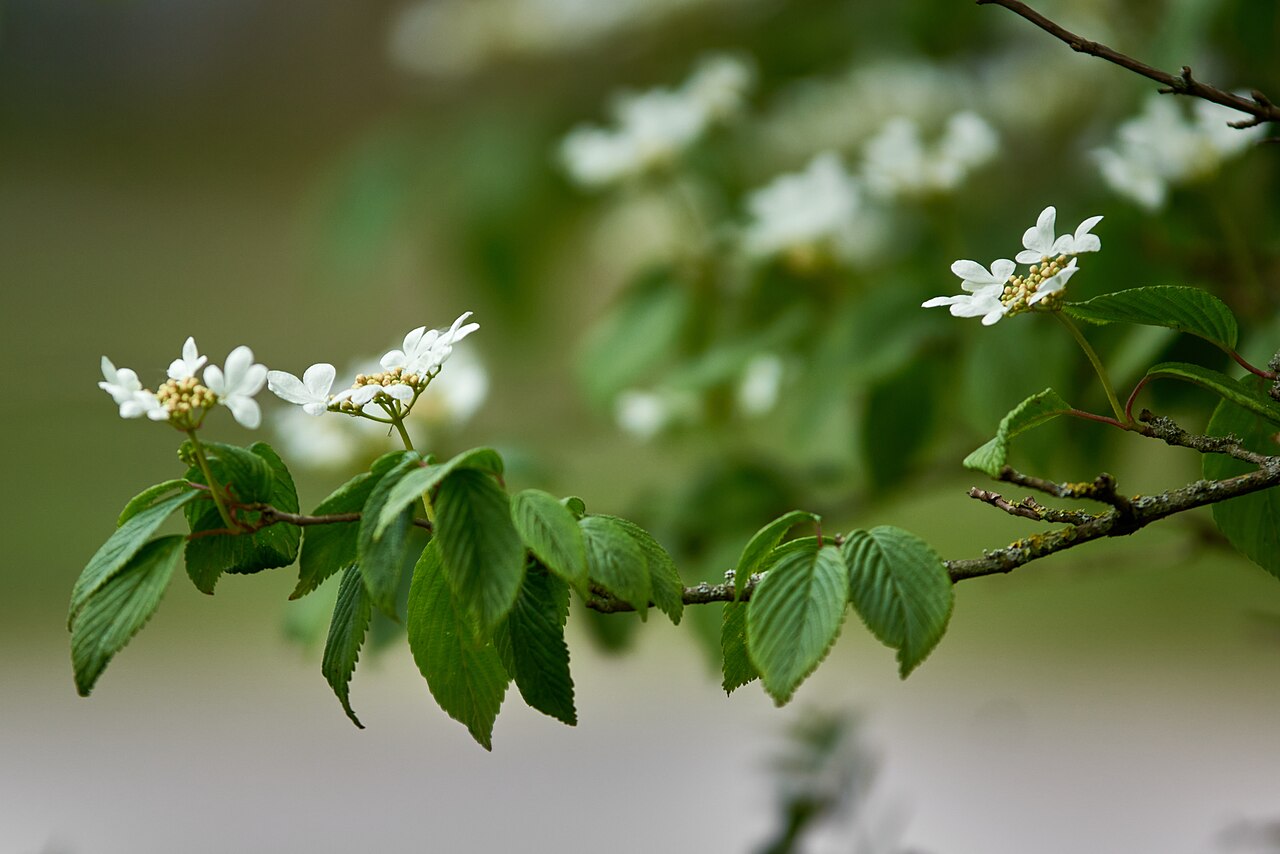
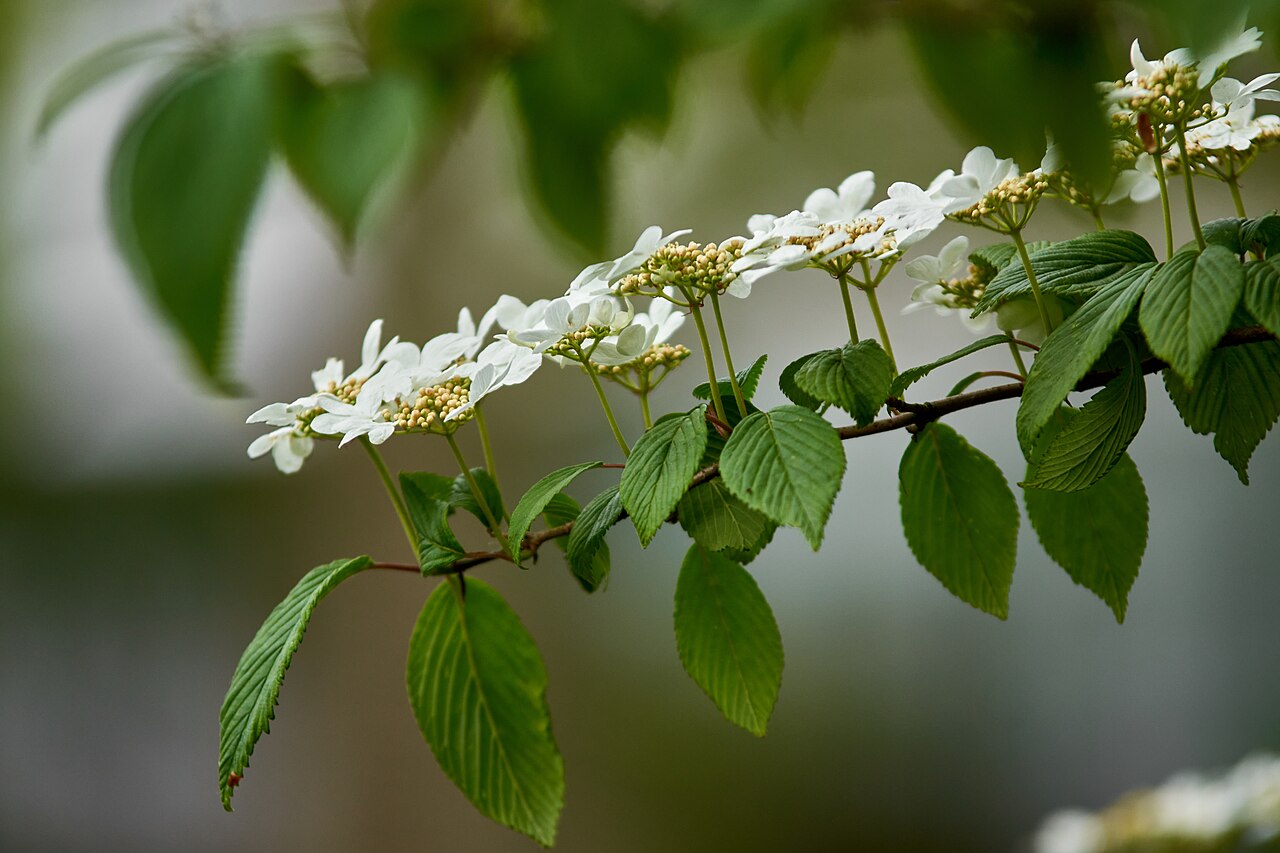
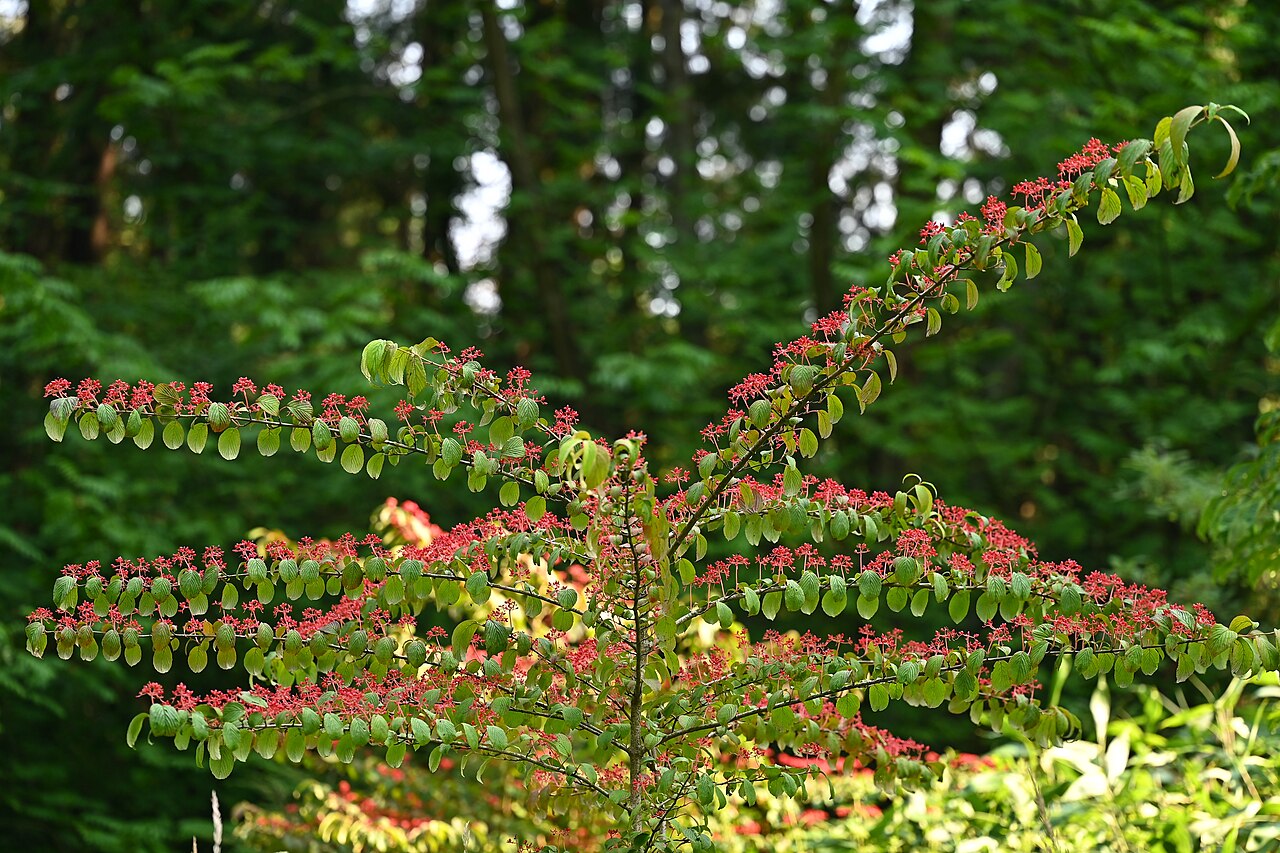
Shasta is the doublefile viburnum with the trophy case: introduced by the U.S. National Arboretum in 1979 and a previous Pennsylvania Horticultural Society Gold Medal winner, it produces large, pure-white flowers — inflorescences about 5 inches across — on a very spreading, horizontal shrub about 6 feet tall and 10 to 12 feet wide, and it is a good fruit producer with dependable fall color. It probably has the most name recognition of any doublefile, and it earned it.
It is also somewhat smaller than the species in height while wider in spread, which makes it the doublefile for a broad bed rather than a tall screen. The trade-off is width: Shasta needs room to stretch sideways, so do not plant it in a narrow foundation bed and expect it to stay polite. Florida honesty: this viburnum needs real winter cold to bloom well, and Florida mostly does not provide it — in Florida treat it as a north-Florida experiment, not a reliable bloomer. Without enough chill, flowering is sparse and the plant spends summer merely surviving heat it was never bred for.
If you are new to choosing between cultivars, the Varieties Matter guide explains why the name after the plant matters as much as the plant itself. See also the species guide: Doublefile Viburnum.
How to grow
Plant in full sun to part shade in moist, well-drained soil. Space plants 8-10 feet apart to allow the wide spread, and water in well. It suits a broad shrub border, a lawn specimen, or a bank where the horizontal branches can be admired from below.
Water & feeding
Water to establish and in dry spells; steady moisture keeps the foliage from wilting in summer heat. Work worm castings into the planting hole and mulch to hold moisture. Feed lightly in spring.
Common problems
- Viburnum beetle larvae skeletonizing leaves — hand-pick or encourage birds.
- Aphids on new growth — blast with water.
- Leaf wilt in dry summers — water deeply; diurnal wilting in heat is normal.
- Leaf spot in wet weather — improve air flow, clean up fallen leaves.
- Crowding neighbors with its wide spread — site it with 10 feet of elbow room.
Pruning & care
Prune lightly after flowering to remove dead wood and crossing branches, keeping the horizontal habit. Never shear into a formal shape — shearing destroys the tiered flowering display. Thin the interior occasionally so air and light reach the lower tiers.
Browse all plant & pest guides
Saving seeds
Shasta is the doublefile viburnum with the trophy case: introduced by the U.S. National Arboretum in 1979 and a previous Pennsylvania Horticultural Society Gold Medal winner, it produces large, pure-white flowers — inflorescences about 5 inches across — on a very spreading, horizontal shrub about 6 feet tall and 10 to 12 feet wide, and it is a good fruit producer with dependable fall color. As a named doublefile viburnum it is kept true by cuttings, not by seed — plant in full sun to part shade in moist, well-drained soil. Space plants 8-10 feet apart to allow the wide spread, and water in well. It suits a broad shrub border, a lawn specimen, or a bank where the horizontal branches can be admired from below. Florida honesty: this viburnum needs real winter cold to bloom well, and Florida mostly does not provide it. The full method is in the Saving seeds section of the Doublefile Viburnum guide.