
🍌 Shenandoah Pawpaw
What it looks like

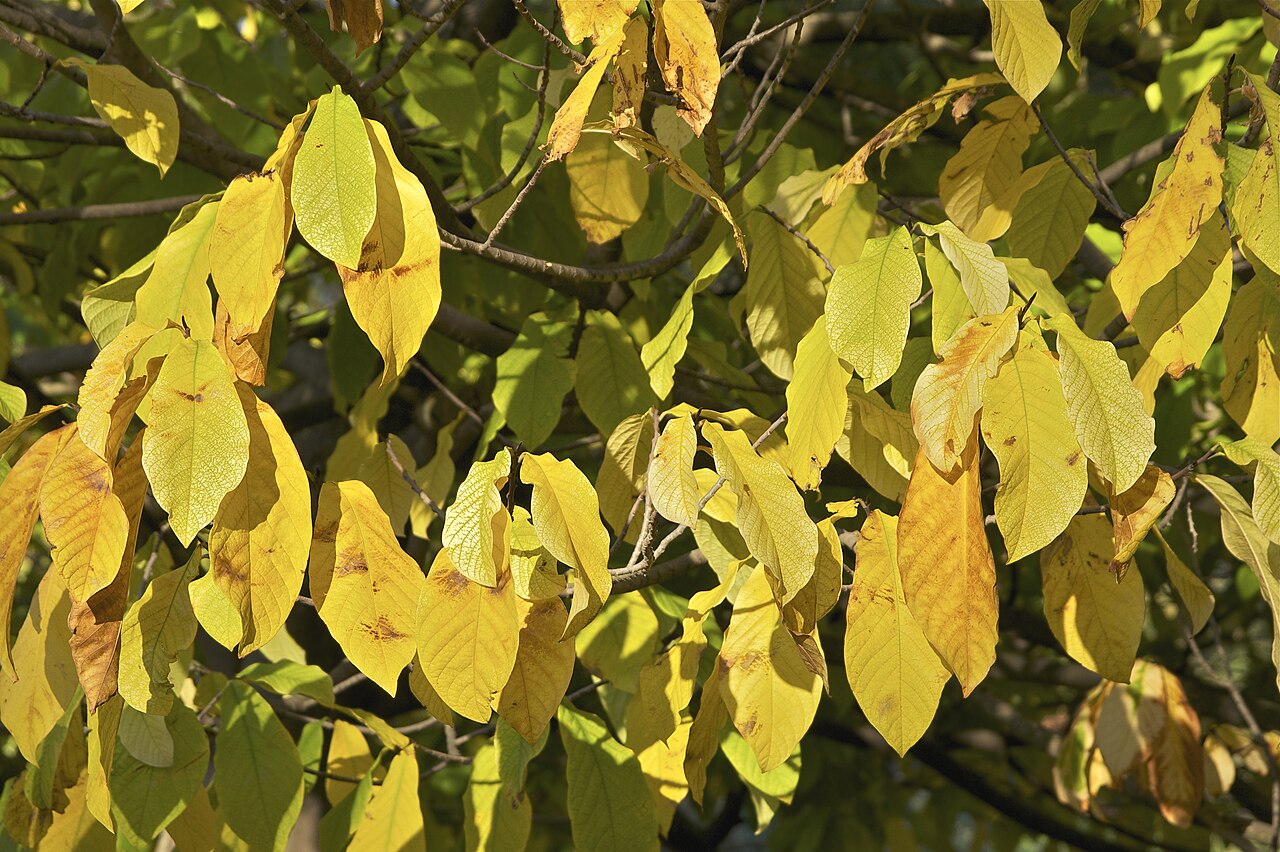
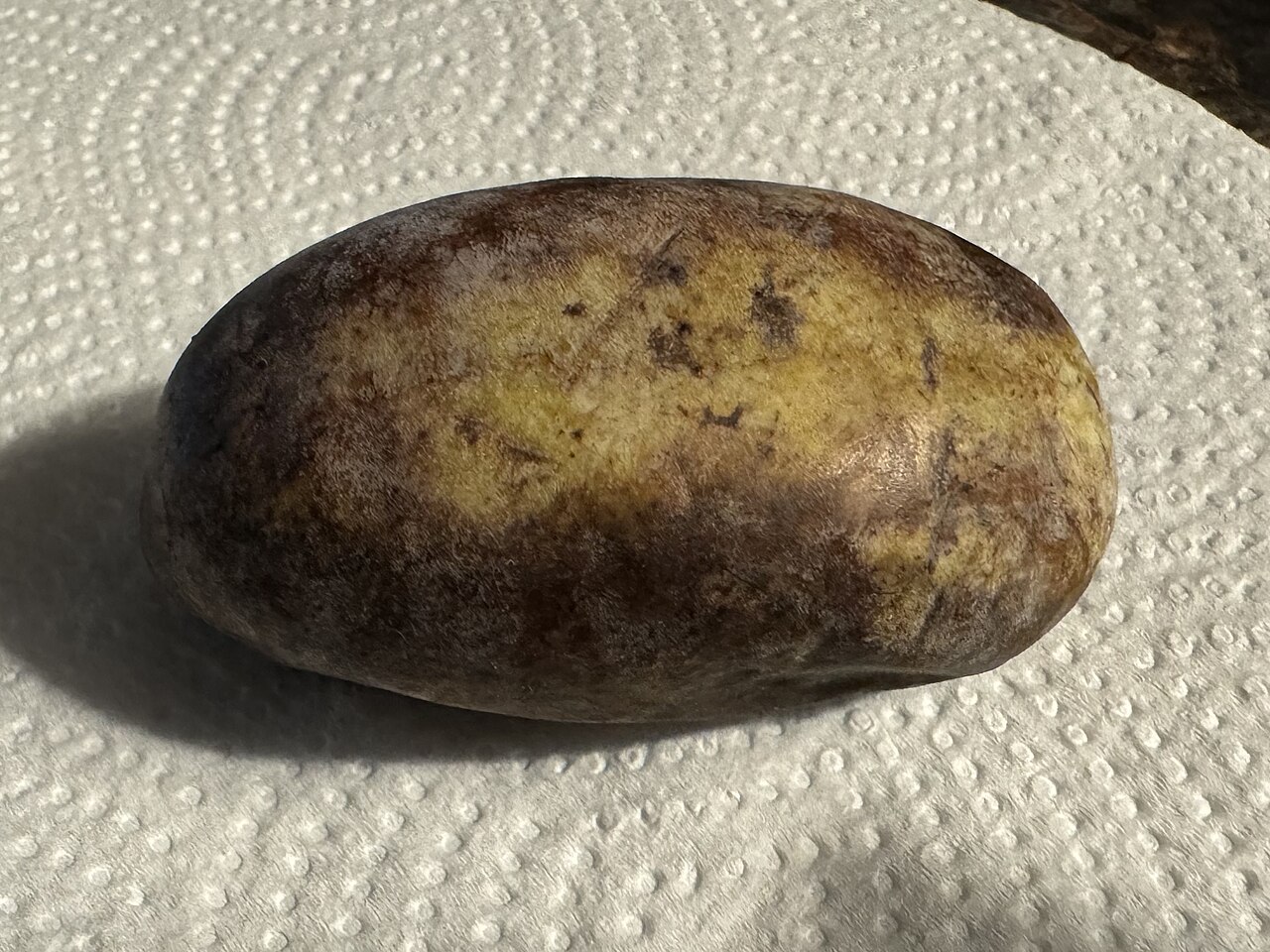
Why this variety
Shenandoah is one of the Peterson pawpaw selections — the series bred by Neal Peterson from wild pawpaw genetics — and it is prized for a specific, practical virtue: few seeds. Pawpaw fruit is famously seedy, with large, bean-like seeds taking up a frustrating share of each fruit; Shenandoah’s flesh-to-seed ratio is notably better, which means more custard per fruit and less picking around seeds. The flavor is mellow, sweet, and classic pawpaw, with a creamy texture that makes it excellent fresh and in ice cream, pudding, and baked goods.
As a Peterson variety, Shenandoah is a documented, grafted selection with known fruit characteristics — the opposite of a wild seedling, whose fruit may be superb or may be astringent and seedy, with no way to know until it bears. Plant Shenandoah with another variety, such as Sunflower, for cross-pollination, and you get the best of both: reliable set and two distinct, excellent fruits.
Peterson selection; few seeds, high flesh ratio, mellow sweet flavor. Needs a second, different pawpaw variety for best pollination. Grafted only.
How to grow
Grow as for Sunflower: grafted trees, shade when young, sun when established, consistent moisture, light pruning. Harvest when fruit yields slightly to pressure and smells fragrant — pawpaw ripens fast and bruises faster, so check trees daily in harvest season and handle fruit like eggs.
Plant grafted trees, never seedlings, if fruit quality matters — seedlings vary wildly and take far longer to bear. Shade young trees for the first year or two, then full sun once established, in rich, moist, well-drained soil. Pawpaw wants woodland-edge moisture, not sand and drought, and its large leaves lose water fast in heat, so site it where water is reliable and mulch deeply.
Florida framing, stated plainly: Shenandoah shares Sunflower’s North Florida trial case — the warm edge of pawpaw’s range, plausible in North Florida with rich, moist soil, shade when young, and consistent water, unproven further south. Its low seed count is a genuine advantage for fresh eating, but it does not change the climate verdict: North Florida trial, Central and South Florida reference only.
Water & feeding
Water consistently, especially in heat and during fruit development — pawpaw’s large leaves and shallow roots make drought stress visible quickly, as wilting and fruit drop. Mulch heavily with leaves or wood chips, kept off the trunk, and top-dress with worm castings in spring. Do not let young trees dry out in their first two years; that stress echoes for seasons.
Common problems
- Pollination failure — pawpaw flowers are pollinated by flies and beetles, not bees, and need two genetically different trees. A lone tree, or two trees of the same clone, may flower beautifully and set nothing.
- Fruit bruising and short shelf life — pawpaw ripens fast and keeps for days, not weeks. Check trees daily in season and handle fruit like eggs.
- Wildlife — raccoons, opossums, and squirrels know ripeness before you do. Harvest at the first sign of softening and fragrance, and ripen indoors if needed.
- Leaf and fruit spots in humid weather — prune for airflow, clean up fallen fruit, and accept some cosmetic damage; pawpaw is generally a low-spray tree.
Harvest
Harvest when fruit yields slightly to pressure and smells fragrant — pawpaw ripens fast, so daily checks in season are not fussiness, they are the harvest method. Eat ripe fruit within days, or freeze pulp, make ice cream, or bake promptly. Do not refrigerate unripe fruit hoping it will ripen well; ripen at room temperature, then chill.
Browse all plant & pest guides
Saving seeds
Shenandoah is one of the Peterson pawpaw selections — the series bred by Neal Peterson from wild pawpaw genetics — and it is prized for a specific, practical virtue: few seeds. Pawpaw fruit is famously seedy, with large, bean-like seeds taking up a frustrating share of each fruit; Shenandoah’s flesh-to-seed ratio is notably better, which means more custard per fruit and less picking around seeds. As a Peterson variety, Shenandoah is a documented, grafted selection with known fruit characteristics — the opposite of a wild seedling, whose fruit may be superb or may be astringent and seedy, with no way to know until it bears. As a named pawpaw it is kept true by grafting, not by seed — grow as for Sunflower: grafted trees, shade when young, sun when established, consistent moisture, light pruning. Harvest when fruit yields slightly to pressure and smells fragrant — pawpaw ripens fast and bruises faster, so check trees daily in harvest season and handle fruit like eggs. The full method is in the Saving seeds section of the Pawpaw guide.