
🍌 Pawpaw
What it looks like

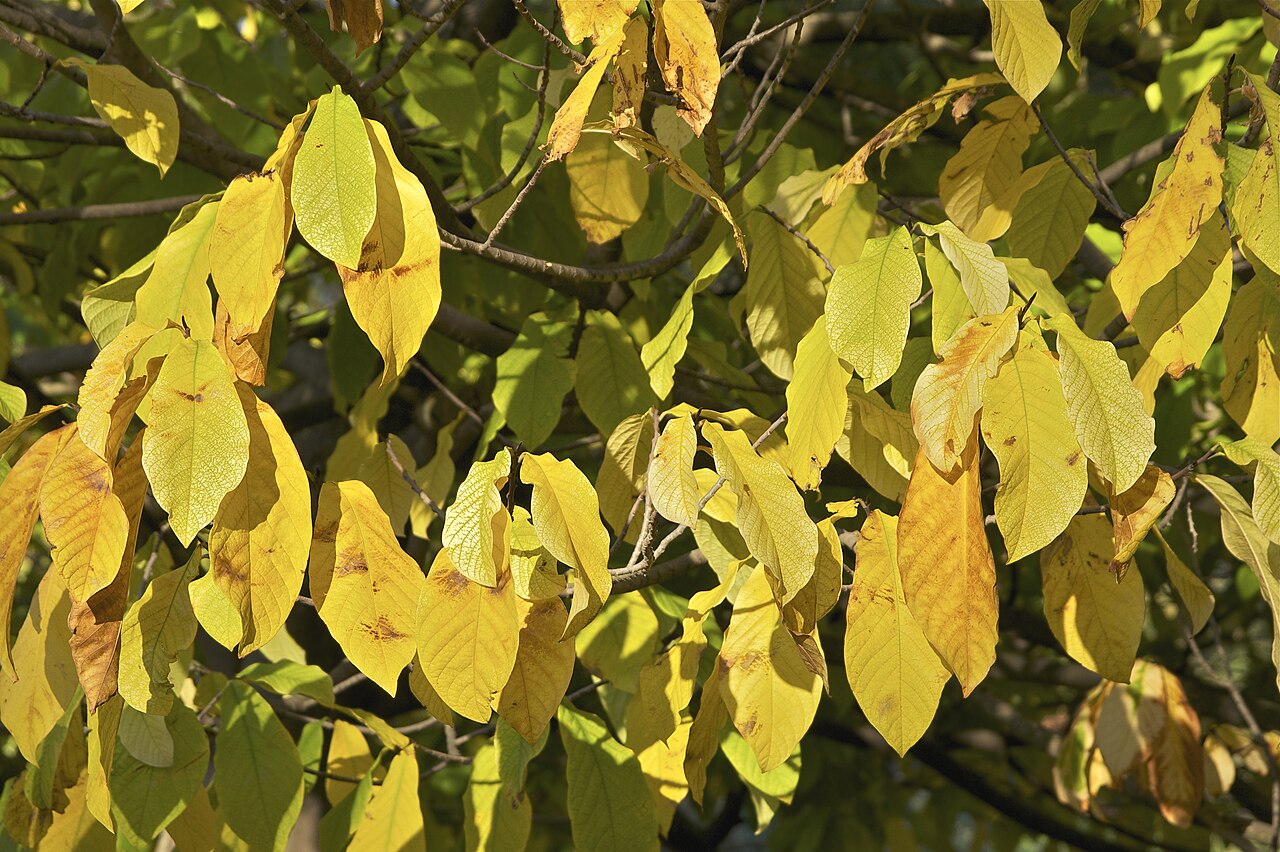
How to grow
Pawpaw tastes like a mango crossed with a banana and a custard, which makes it genuinely strange that it is native to the eastern United States and not a grocery-store staple — the answer is that the fruit bruises if you look at it firmly and keeps for days, not weeks, so it never survived the supply chain. That is exactly why it belongs in a home garden. Buy grafted named varieties (‘Shenandoah’, ‘Sunflower’, ‘Susquehanna’) rather than seedlings if you want predictable flavor and earlier fruit, and plant at least two genetically different trees — pawpaws are generally not self-fertile. Young trees need shade for their first year or two (a shade cloth or a nurse planting works), then full sun for fruiting. They also need a deep taproot’s worth of undisturbed soil, so plant where they will stay and do not transplant casually.
Water & feeding
Consistent moisture, especially in the first few years and during fruit development; pawpaws grow naturally along streams and do not forgive drought. Mulch thickly with leaves or wood chips to mimic a forest floor. They are light feeders — a spring top-dress of compost or worm castings is usually enough.
Common problems
- Pollination — pawpaw flowers are pollinated by flies and beetles, not bees, and fruit set can be poor; hand-pollinating with a small brush improves yields dramatically
- Fruit drop in dry summers
- Few serious pests — one of the lowest-spray fruit trees you can grow, which is part of its charm
- Transplant shock from bare-root stock — plant container-grown or grafted trees carefully and water deeply the first year
Harvest
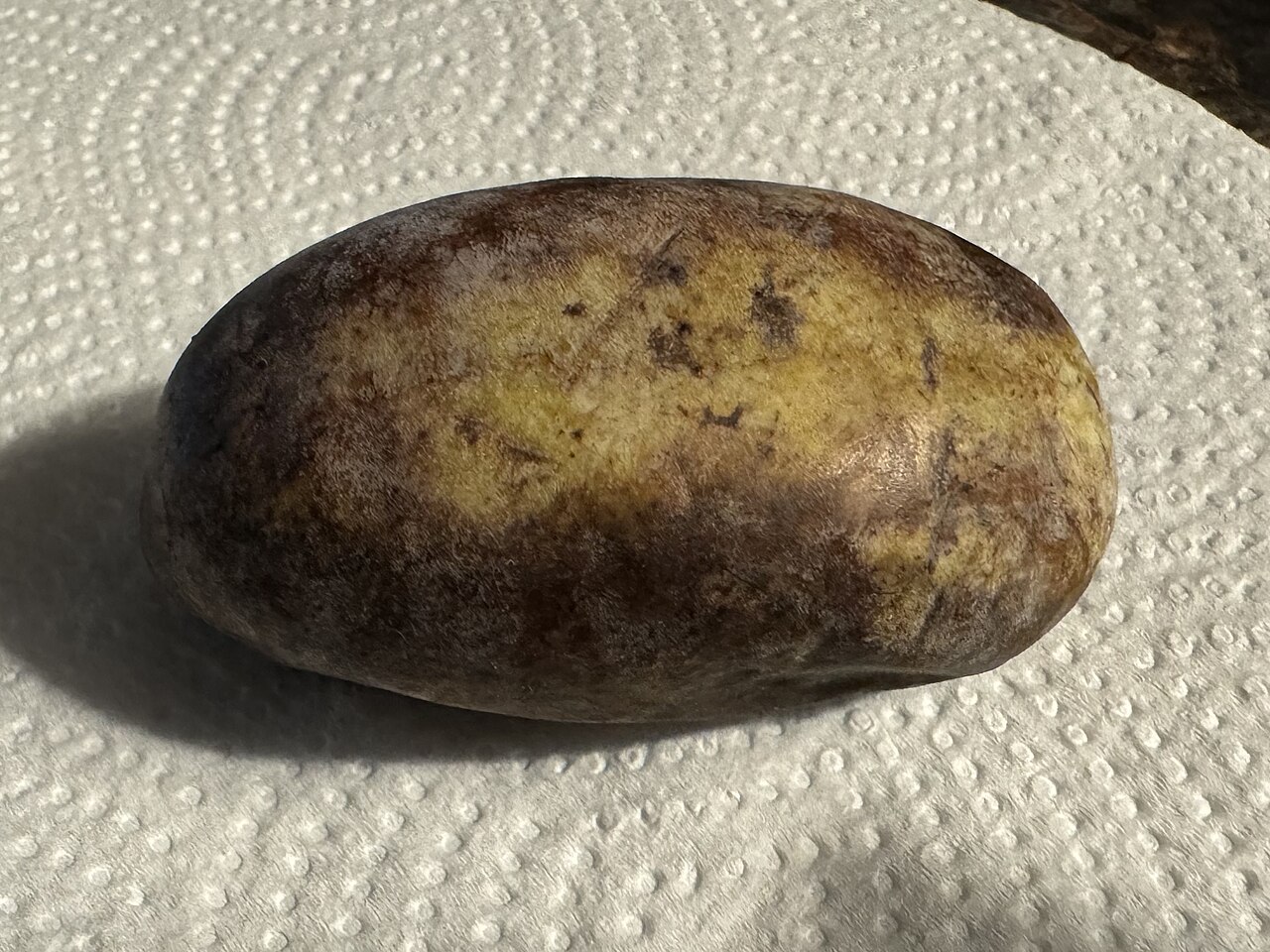
Pick when the fruit gives gently like a ripe avocado and the skin has yellowed or darkened — or gather fruit that has just dropped, which is often perfectly ripe. Eat within a day or two, freeze the pulp for later, and accept that the season is gloriously short.
Browse all plant & pest guides
Saving seeds
Pawpaw is North America’s forgotten custard fruit — tropical flavor, temperate address — and its seed comes with two rules that are not negotiable: never let it dry out, and never rush it. Collect the fruit when it is fully ripe and soft, almost overripe, and clean the pulp off the large, dark seeds. The seed is recalcitrant, which means it cannot be dried and stored like a bean seed — a pawpaw seed that dries out is a pawpaw seed that will not sprout. Keep the seed damp from the moment you clean it until the moment you sow it, in a bag of damp sand or vermiculite in the fridge if you need to hold it.
The seed needs a long winter before it will wake up. Mix the cleaned seed with damp sand, seal it in a bag, and refrigerate it for 90 to 120 days. Sow the stratified seed in spring, in a deep pot of moist, well-draining mix — the taproot goes down fast and a shallow pot will stunt it — and keep it moist and shady. Germination is slow and comes root-first: the taproot emerges weeks before the shoot, so do not dig the seed up to check on it, and do not throw the pot away at six weeks. Some seed takes months, and that is normal.
Here is the thing to know before you save: pawpaws are not self-fertile. A single tree will flower and set almost no fruit — you need two genetically different trees, flowering at the same time, for pollination. Seedlings from the same fruit are siblings, and siblings do not pollinate each other well, so save seed from two different trees, or plant seedlings from different sources, or plan to graft a second variety onto your seedling later.
The honest headline is the long one: a pawpaw grown from seed will take four to eight years to fruit, and it will not match its parent. Grafted trees fruit in two to four years and come true to type. Seed is for the patient, and for the gardener who wants a pawpaw patch rather than a single tree. Save seed from fruit that was fully ripe and delicious, sow more than you need, and keep any stored seed cool and damp, never dry.
Varieties
Every named variety of Pawpaw with its own growing guide:
- Sunflower Pawpaw — The self-fertile pawpaw that broke the pollination rule: large, sweet custard fruit on a tree that can fruit alone.
- Shenandoah Pawpaw — The Peterson pawpaw with few seeds and a mellow, sweet flavor: the refined custard fruit for people who want pawpaw without the seed lottery.