
🍌 Sunflower Pawpaw
What it looks like

Why this variety
Sunflower is the pawpaw variety that changed the conversation about growing pawpaws, for one reason: it is reported to be self-fertile, or at least far more self-fruitful than most pawpaws, which normally need two genetically different trees and the help of flies and beetles — not bees — for pollination. A single Sunflower tree can fruit, which turns pawpaw-growing from a two-tree pollination puzzle into a one-tree decision. Plant a second variety anyway if you have room; cross-pollination still improves yield and fruit size.
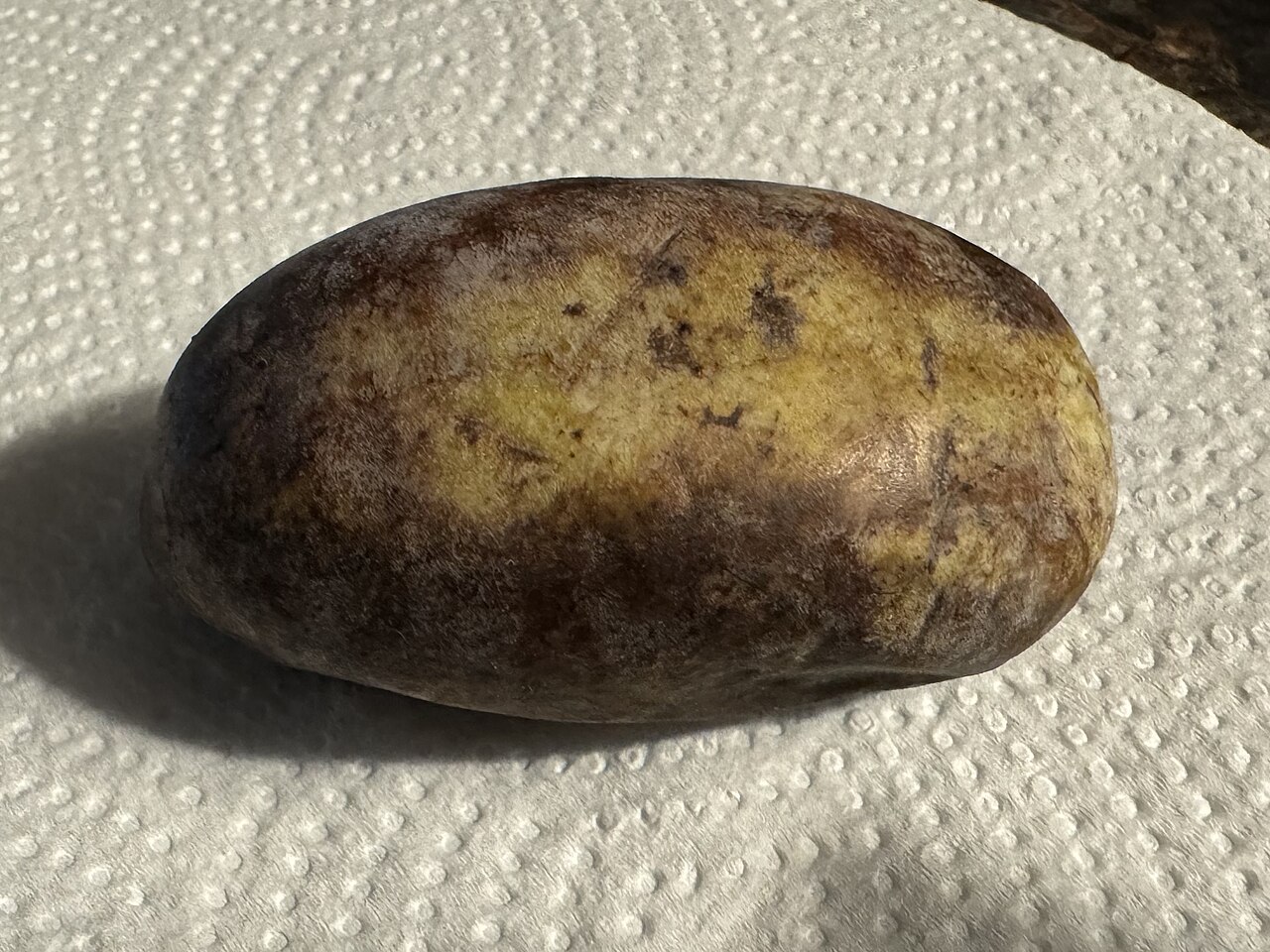
The fruit is large, with sweet, custard-like, yellow flesh and the classic pawpaw flavor — mango crossed with banana and custard, in the usual description, which is accurate enough that it sounds like exaggeration. Sunflower is an older, well-documented selection from Kansas, and it remains one of the most widely planted pawpaws because it is productive, flavorful, and comparatively forgiving.
Large, sweet, custard-like fruit. Notably self-fruitful for a pawpaw — fruits alone, crops better with a second variety. Grafted trees bear in 2-4 years; seedlings take far longer and vary.
How to grow
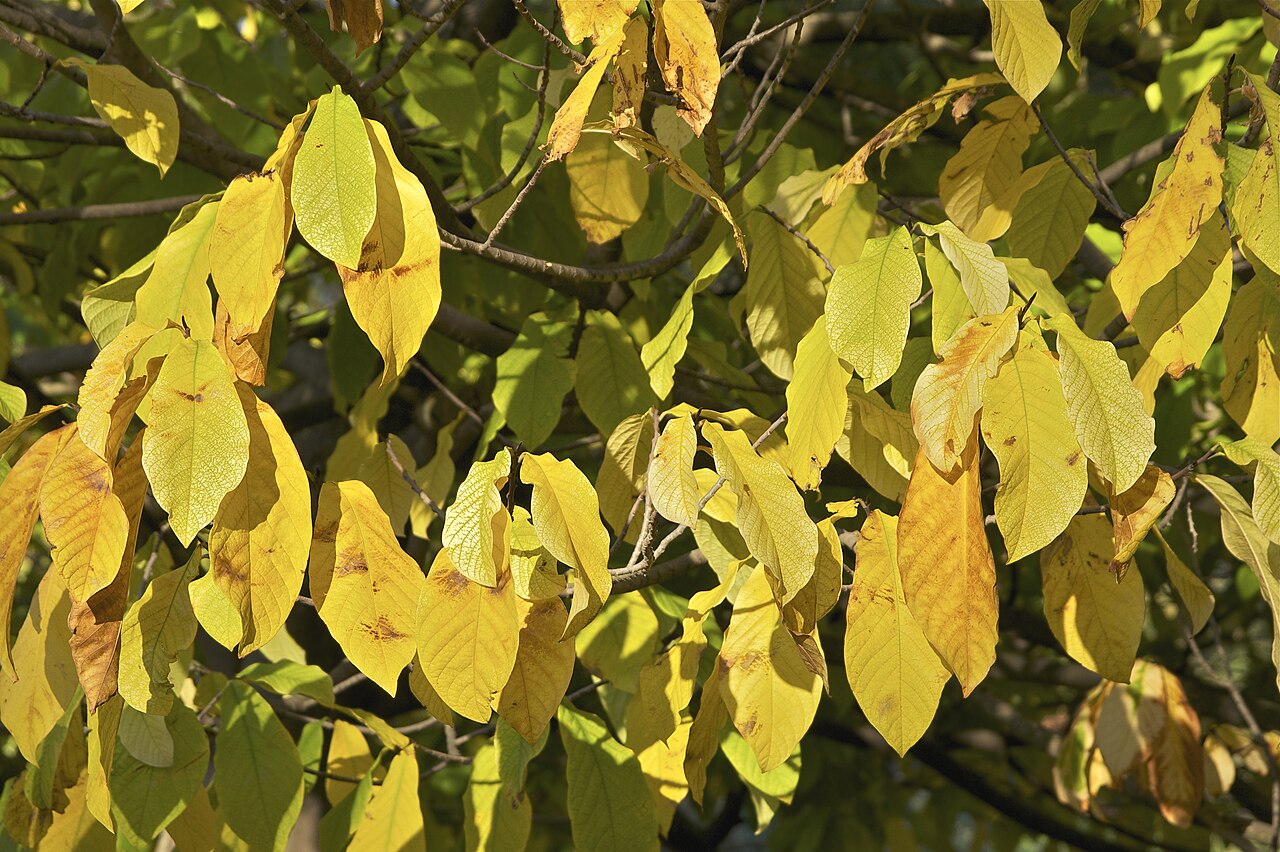
Plant grafted trees, never seedlings, if fruit quality matters — seedlings vary wildly. Shade young trees for the first year or two, then full sun once established. Water consistently; pawpaw’s large leaves lose water fast in heat. Do not prune heavily; pawpaw’s natural form is part of its charm and its productivity.
Plant grafted trees, never seedlings, if fruit quality matters — seedlings vary wildly and take far longer to bear. Shade young trees for the first year or two, then full sun once established, in rich, moist, well-drained soil. Pawpaw wants woodland-edge moisture, not sand and drought, and its large leaves lose water fast in heat, so site it where water is reliable and mulch deeply.
Florida framing, stated plainly: pawpaw has the best North Florida case of any native fruit in this wave — it is native to the eastern United States, and North Florida sits at the warm edge of its range. Sunflower is a genuine North Florida trial candidate, not just a reference variety: plant in North Florida in rich, moist, well-drained soil, shade young trees, and give it consistent water, because pawpaw wants woodland-edge moisture, not Florida sand and drought. Central and South Florida are too warm and too chill-short for reliable fruiting. And a Florida warning that matters: pawpaw fruit bruises if you look at it firmly and keeps for days, not weeks, so harvest ripe and eat or process promptly.
Water & feeding
Water consistently, especially in heat and during fruit development — pawpaw’s large leaves and shallow roots make drought stress visible quickly, as wilting and fruit drop. Mulch heavily with leaves or wood chips, kept off the trunk, and top-dress with worm castings in spring. Do not let young trees dry out in their first two years; that stress echoes for seasons.
Common problems
- Pollination failure — pawpaw flowers are pollinated by flies and beetles, not bees, and need two genetically different trees. A lone tree, or two trees of the same clone, may flower beautifully and set nothing.
- Fruit bruising and short shelf life — pawpaw ripens fast and keeps for days, not weeks. Check trees daily in season and handle fruit like eggs.
- Wildlife — raccoons, opossums, and squirrels know ripeness before you do. Harvest at the first sign of softening and fragrance, and ripen indoors if needed.
- Leaf and fruit spots in humid weather — prune for airflow, clean up fallen fruit, and accept some cosmetic damage; pawpaw is generally a low-spray tree.
Harvest
Harvest when fruit yields slightly to pressure and smells fragrant — pawpaw ripens fast, so daily checks in season are not fussiness, they are the harvest method. Eat ripe fruit within days, or freeze pulp, make ice cream, or bake promptly. Do not refrigerate unripe fruit hoping it will ripen well; ripen at room temperature, then chill.
Browse all plant & pest guides
Saving seeds
Sunflower is the pawpaw variety that changed the conversation about growing pawpaws, for one reason: it is reported to be self-fertile, or at least far more self-fruitful than most pawpaws, which normally need two genetically different trees and the help of flies and beetles — not bees — for pollination. A single Sunflower tree can fruit, which turns pawpaw-growing from a two-tree pollination puzzle into a one-tree decision. Plant a second variety anyway if you have room; cross-pollination still improves yield and fruit size. The fruit is large, with sweet, custard-like, yellow flesh and the classic pawpaw flavor — mango crossed with banana and custard, in the usual description, which is accurate enough that it sounds like exaggeration. As a named pawpaw it is kept true by grafting, not by seed — plant grafted trees, never seedlings, if fruit quality matters: seedlings vary wildly and take far longer to bear. Shade young trees for the first year or two, then full sun once established, in rich, moist, well-drained soil. Pawpaw wants woodland-edge moisture, not sand and drought, and its large leaves lose water fast in heat, so site it where water is reliable and mulch deeply. Do not prune heavily; pawpaw’s natural form is part of its charm and its productivity. The full method is in the Saving seeds section of the Pawpaw guide.