
🐍 Short Snake Gourd
What it looks like
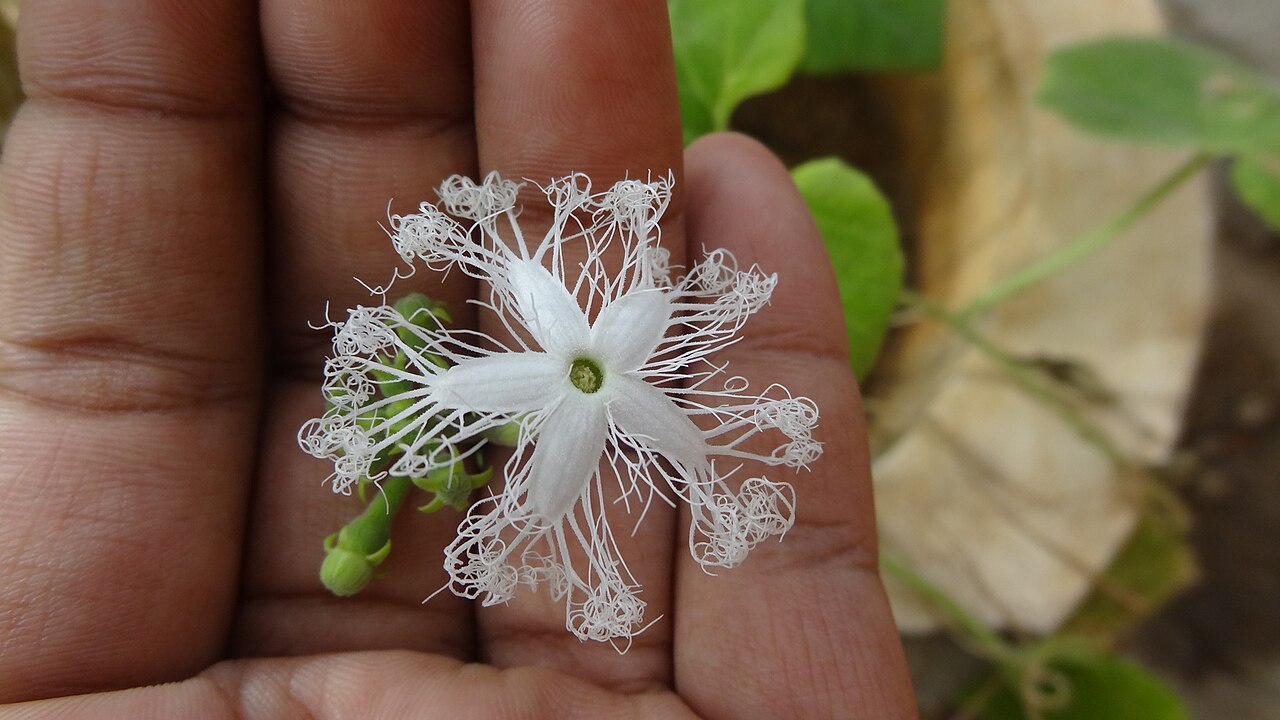
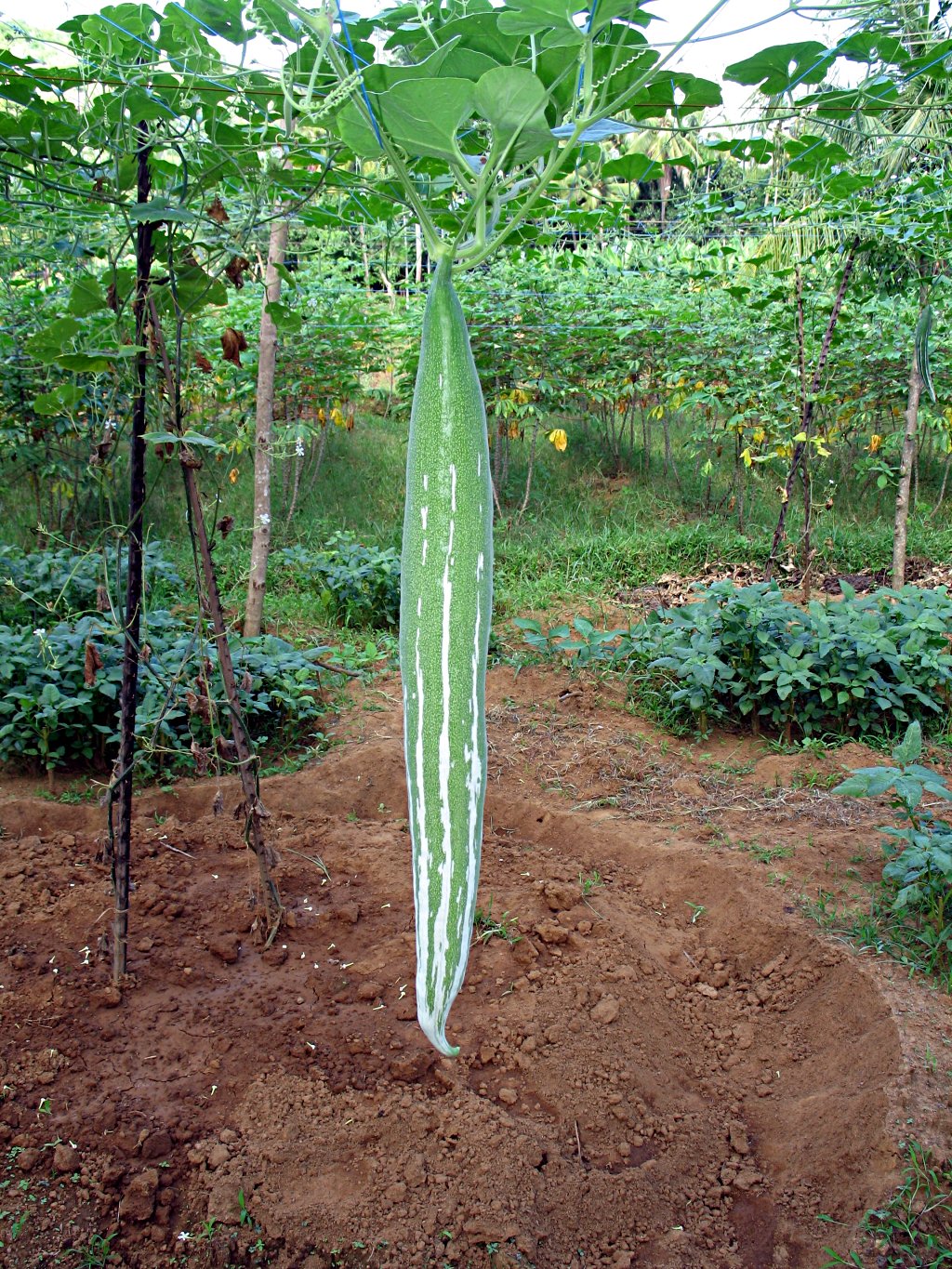
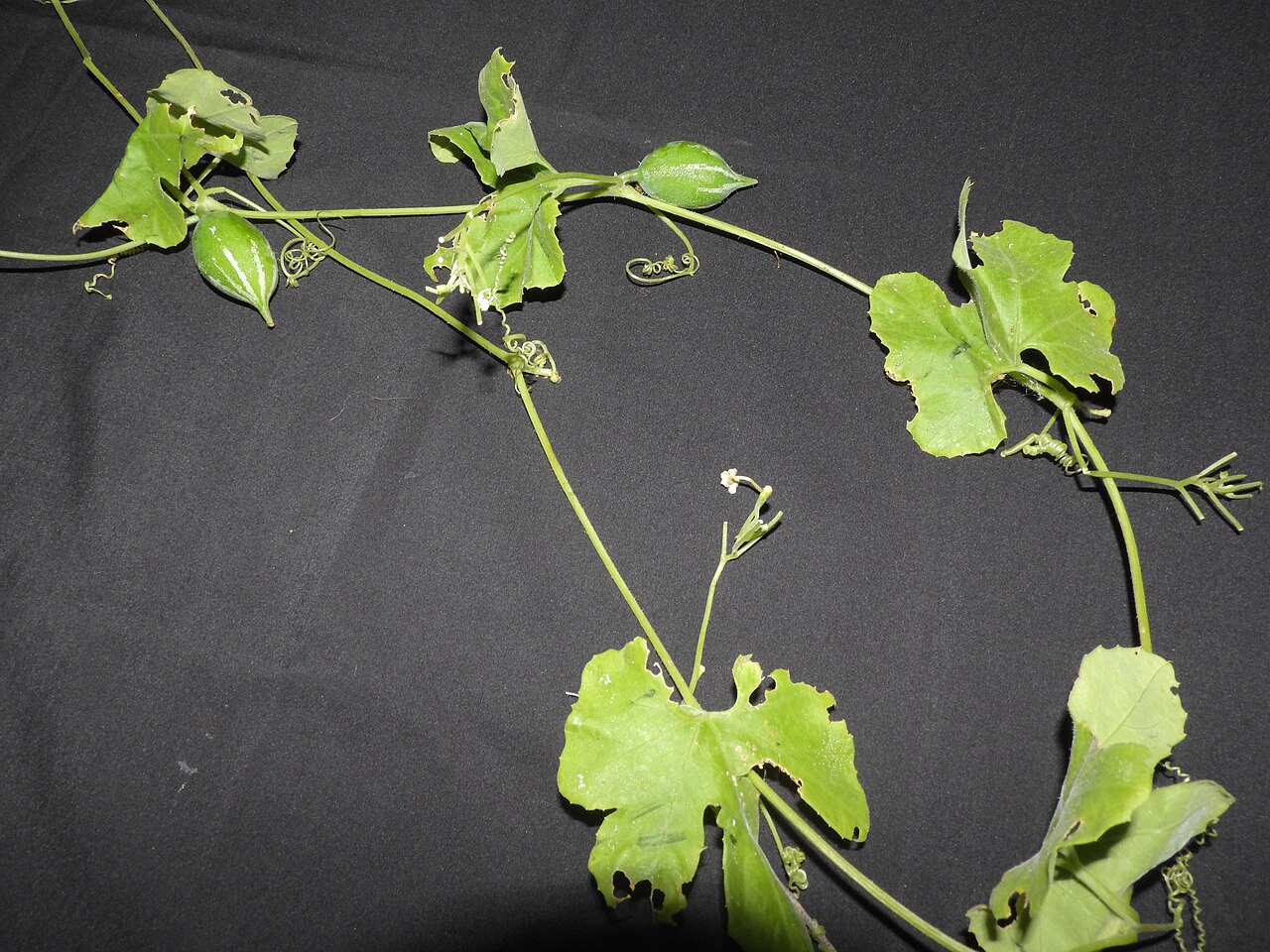
Photos show the species, snake gourd (Trichosanthes cucumerina), since no cultivar-specific photo is hosted for this variety yet.
Why this variety
Short snake gourd — sold as White Short, dwarf snake gourd, or baby snake gourd — is the snake gourd for gardeners without a five-foot trellis and a season to spare. Fruit runs 6-8 inches, tender and mild, ready in 50-70 days, and the compact vine suits containers and small gardens where a Tropical Long vine would stage a takeover.
Short does not mean lesser. The flavour is the same mild, zucchini-like flesh, the flowers are the same frilly white night blooms, and the harvest comes weeks earlier — which in a garden with a short season, or a gardener with a short attention span, is the trait that matters most.
Florida translation: Short snake gourd is a fine succession crop — plant it in spring and again in late summer, and you get two harvests where a long type gives you one.
How to grow
Soak seed overnight and sow in warm soil after frost, or start indoors and transplant when warm. A smaller trellis or sturdy fence suffices, but fruit still benefits from hanging free. Keep water even and mulch well; short vines dry out faster than big ones in a container.
Water & feeding
Water regularly, especially during flowering and fruit development, and mulch well. Feed with compost at planting and side-dress during fruiting; avoid high-nitrogen fertiliser, which encourages vines over fruit. Irrigate in dry spells — a snake gourd vine that dries out while fruit is sizing gives you twisted, woody fruit.
Common problems
- Cold soil: wait for warm soil — seedlings stall below 68°F.
- Poor fruit set: flowers open at night for moth pollinators — hand-pollinate in screened gardens in the evening.
- Fruit flies and rodents on overripe fruit: pick young and promptly.
- Powdery mildew in humid weather: space for airflow and water at the base.
Harvest
Pick at 6-8 inches, tender and smooth, every few days at peak. Short fruit is at its best cooked the day it is picked — in curries, stir-fries, and soups, like any young snake gourd.
Browse all plant & pest guides
Saving seeds
Short snake gourd — sold as White Short, dwarf snake gourd, or baby snake gourd — is the snake gourd for gardeners without a five-foot trellis and a season to spare. Fruit runs 6-8 inches, tender and mild, ready in 50-70 days, and the compact vine suits containers and small gardens where a Tropical Long vine would stage a takeover. Short does not mean lesser. The flavour is the same mild, zucchini-like flesh, the flowers are the same frilly white night blooms, and the harvest comes weeks earlier — which in a garden with a short season, or a gardener with a short attention span, is the trait that matters most. As an open-pollinated snake gourd it comes true from seed: soak seed overnight and sow in warm soil after frost, or start indoors and transplant when warm. A smaller trellis or sturdy fence suffices, but fruit still benefits from hanging free. Keep water even and mulch well; short vines dry out faster than big ones in a container. The full method is in the Saving seeds section of the Snake Gourd guide.