
🫘 Sierra Chickpea
What it looks like
Why this variety
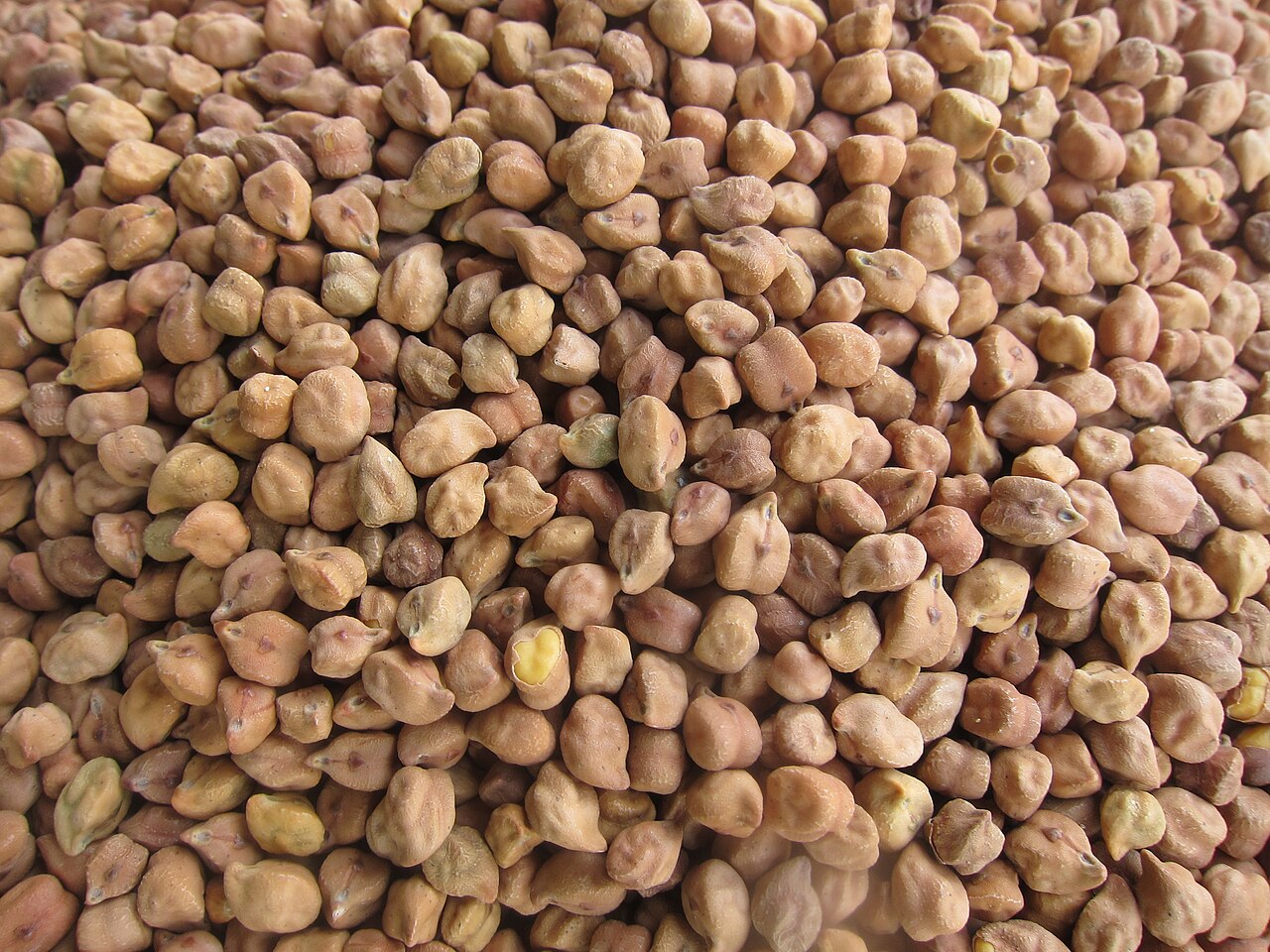
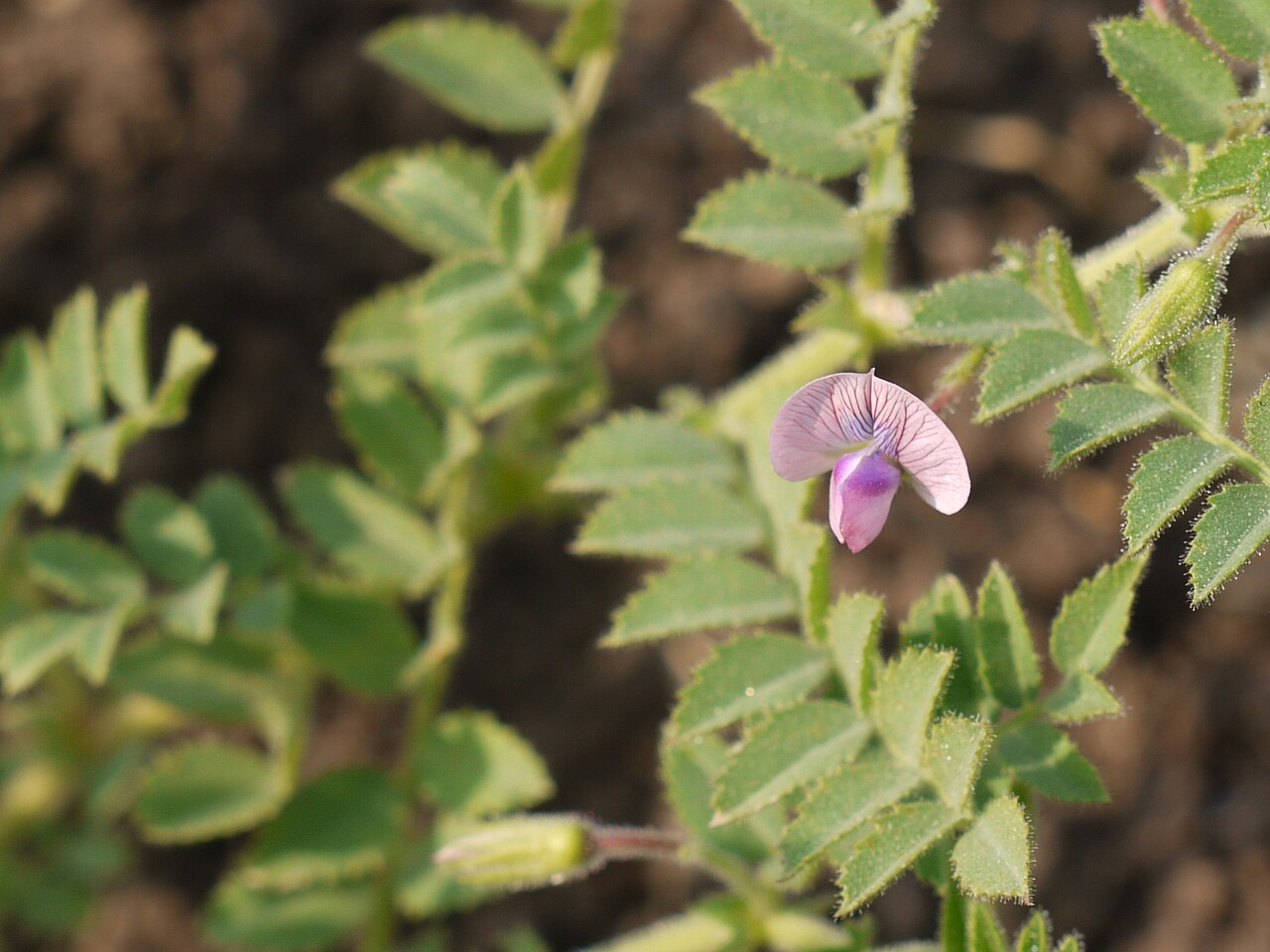
Sierra is the chickpea for gardeners who want the familiar thing, grown well: a large-seeded kabuli type, the kind with smooth, cream-colored, round seeds that most cooks picture when they hear the word chickpea. It is a field variety, bred for yield and large seed size in the dryland pulse regions of the western United States, and it brings that field toughness to the garden — bushy, upright plants, good pod set, and seeds big enough to make hummus that is actually creamy rather than gritty. If Black Kabouli is the dramatic cousin, Sierra is the reliable classic, and there is no shame in growing the classic on purpose.
The kitchen payoff is immediate: large kabuli seeds cook into the smoothest hummus, roast into the crunchiest snack, and hold up in salads without falling apart, because their thin, smooth coats and large size mean even cooking. Sierra’s seeds are also the ones that look right in a jar on the pantry shelf — plump, uniform, cream-colored — which matters more than gardeners admit, because a beautiful pantry is a pantry you actually cook from. Grow Sierra if you want chickpeas for weekly cooking, not just for novelty.
If you are new to choosing between cultivars, the Varieties Matter guide explains why the name after the plant matters as much as the plant itself. And if you want the whole clan at a glance, the broader Chickpea guide covers chickpeas generally.
How to grow
Chickpeas in Florida are a cool-season gamble worth taking, because they want sun, drainage, and dry air at harvest — three things a Florida summer refuses to provide. Sow in fall or very early spring, in the best-drained bed you have, and aim to have pods drying as the weather turns dry rather than humid: wet pods at harvest mean mold, and molded chickpeas are compost, not hummus. They are bushy, upright plants that need no trellis, and they tolerate poor sandy soil better than most vegetables, which is a genuine compliment in this state. Treat chickpeas as a dry-season crop, harvest green pods early for a sweet snack, and let the rest dry for the pantry.
Sow as for other chickpeas: 2 to 3 weeks before the last frost in a cool climate, or in fall where winters are mild, seeds 1 to 2 inches deep and 3 to 6 inches apart in rows 18 to 24 inches apart, in full sun and well-drained soil. Sierra needs a full season, about 100 to 110 days to dry pods, so sow early and do not waste warm weeks. Keep weeds down early, water at soil level, and give plants air — kabuli types are just as blight-prone as any chickpea in wet weather, and spacing is prevention. In Florida, fall sowing and a dry harvest window are the winning combination.
Water & feeding
Chickpeas are drought-tolerant once established, and they are one of the few garden crops where too much water is a bigger risk than too little — wet soil and wet foliage invite Ascochyta blight, the disease that ends chickpea seasons. Give them about half an inch to an inch of water a week while they flower and set pods, watered at soil level, and then back off sharply as pods dry. Work worm castings into the bed at sowing and skip nitrogen fertilizer, because chickpeas fix their own nitrogen and extra nitrogen grows leafy plants with few pods. Mulch lightly to hold moisture without trapping humidity around the stems.
Common problems
Ascochyta blight is the main threat, starting in wet weather as spots on leaves and stems; dry foliage, rotation, and spacing are the defenses. Aphids, leafminers, and the occasional cutworm may appear; check plants regularly. Drought during flowering and pod fill reduces seed size, so water steadily while pods fill, then back off as pods dry — wet harvests mold, and molded chickpeas are compost. Harvest promptly once pods brown, because pods left in rain deteriorate fast.
Harvest
Pick green pods early for fresh eating, or wait for dry pods, pull plants when most pods are tan and dry, and thresh indoors over a tarp. Dry Sierra chickpeas store a year or more airtight and cool; soak overnight and cook until tender for hummus, roast tossed in oil and spices until crunchy, or simmer in stews where their large size stays satisfying. Save seed only from healthy, disease-free plants, and isolate from other chickpeas if you want purity, because chickpeas do cross.
Nerdy fact: Kabuli chickpeas get their name from Kabul, the same city as Black Kabouli — two branches of one family, one cream and smooth, one black and rough, both tracing their story back to the crossroads of Central Asia, where chickpeas have been traded for millennia.
Saving seeds
Sierra is the chickpea for gardeners who want the familiar thing, grown well: a large-seeded kabuli type, the kind with smooth, cream-colored, round seeds that most cooks picture when they hear the word chickpea. It is a field variety, bred for yield and large seed size in the dryland pulse regions of the western United States, and it brings that field toughness to the garden — bushy, upright plants, good pod set, and seeds big enough to make hummus that is actually creamy rather than gritty. As an open-pollinated chickpea it comes true from seed: chickpeas in Florida are a cool-season gamble worth taking, because they want sun, drainage, and dry air at harvest — three things a Florida summer refuses to provide. Sow in fall or very early spring, in the best-drained bed you have, and aim to have pods drying as the weather turns dry rather than humid: wet pods at harvest mean mold, and molded chickpeas are compost, not hummus. They are bushy, upright plants that need no trellis, and they tolerate poor sandy soil better than most vegetables. The full method is in the Saving seeds section of the Chickpea guide.