
🌸 Snow White Indian Hawthorn
What it looks like
Why this variety
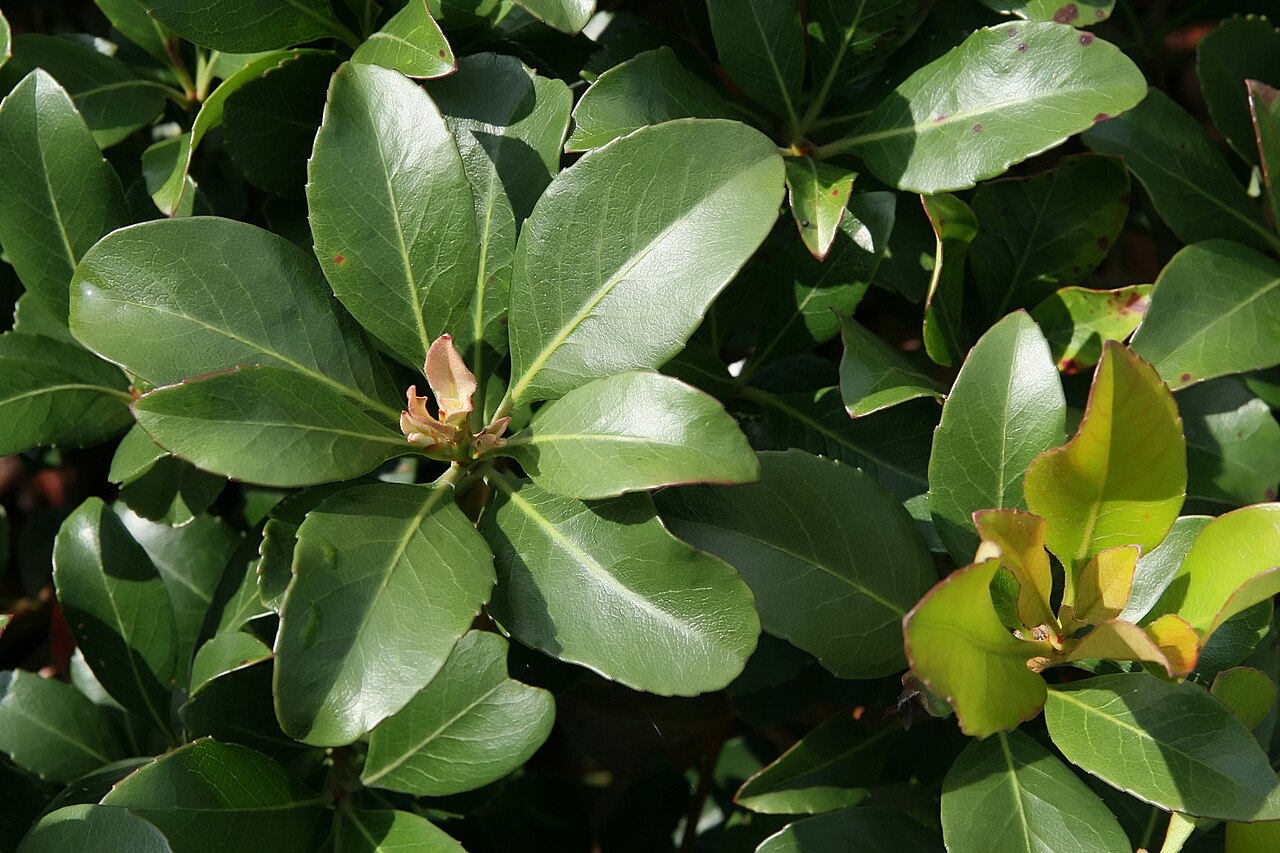
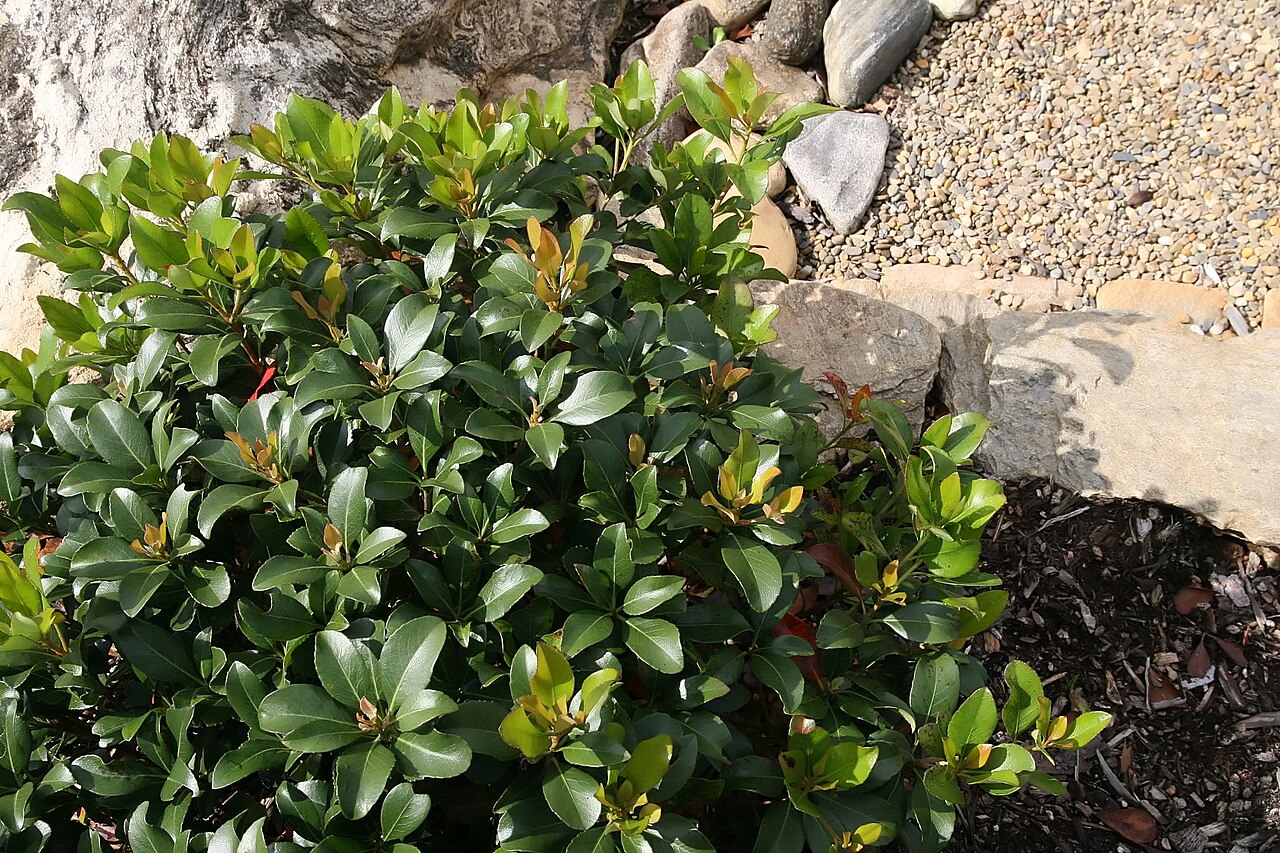
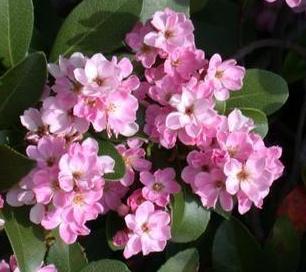
Snow White is Indian hawthorn in white: clusters of crisp white flowers in spring over glossy dark green evergreen leaves, followed by small blue-black berries that birds enjoy, in a tidy mound 3–4 feet tall and wide. It is the foundation shrub for gardeners who want the evergreen structure and salt tolerance of Indian hawthorn without the pink — a plant that looks fresh in August, when many flowering shrubs have given up, and that holds its shape without constant shearing.
In Florida, Snow White is at home across the central and southern peninsula in full sun to part shade, and it shrugs off heat, salt spray and coastal wind. Give it well-drained soil and air circulation — the leaf-spot prevention that matters most in humid gardens — and it will be one of the most reliable shrubs in the bed.
How to grow
Indian hawthorn is a broadleaf evergreen foundation shrub with glossy dark green leaves, clusters of pink or white flowers in spring, and small blue-black berries that birds enjoy. It grows 2–6 feet tall and wide depending on cultivar, shrugs off heat, salt and coastal wind, and asks for very little beyond sun and drainage. Plant in spring or fall in full sun to part shade in well-drained soil, at the cultivar’s mature width — not the size it is in the pot — and water deeply for the first season. In Florida it is one of the most reliable evergreen shrubs for a foundation bed, and one of the few that looks good in August.
Water & feeding
Water deeply through establishment, then in dry spells; established plants are moderately drought-tolerant but bloom best with steady moisture. Feed lightly in spring. Prune lightly after flowering if shaping is needed; heavy shearing ruins the natural rounded form and the next bloom.
Common problems
Leaf spot (Entomosporium) is the classic problem in humid, crowded plantings — give it air, sun and space, avoid overhead watering, and choose resistant cultivars, and it stays minor. Scale and aphids may appear on stressed plants. A hawthorn planted in shade and wet clay will spot badly; that is a siting verdict, and the fix is a sunnier, drier spot.
Harvest
The harvest is spring bloom and year-round evergreen structure. Prune lightly after flowering if shaping is needed; heavy shearing ruins the rounded form and the next bloom. The berries are a bird harvest, and the evergreen foliage is the winter reward.
Nerdy fact: Indian hawthorn’s genus, Rhaphiolepis, means ‘needle scale’ in Greek, for the tiny scales on its flower buds — and despite the common name, it is not a true hawthorn at all, but a cousin in the rose family with evergreen leaves and a much better attitude to heat.
Saving seeds
Snow White is Indian hawthorn in white: clusters of crisp white flowers in spring over glossy dark green evergreen leaves, followed by small blue-black berries that birds enjoy, in a tidy mound 3–4 feet tall and wide. It is the foundation shrub for gardeners who want the evergreen structure and salt tolerance of Indian hawthorn without the pink — a plant that looks fresh in August, when many flowering shrubs have given up, and that holds its shape without constant shearing. As a named Indian hawthorn it is kept true by cuttings, not by seed — Indian hawthorn is a broadleaf evergreen foundation shrub with glossy dark green leaves, clusters of pink or white flowers in spring, and small blue-black berries that birds enjoy. It grows 2–6 feet tall and wide depending on cultivar, shrugs off heat, salt and coastal wind, and asks for very little beyond sun and drainage. Plant in spring or fall in full sun to part shade in well-drained soil, at the cultivar’s mature width — not the size it is in the pot — and water deeply for the first season. The full method is in the Saving seeds section of the Indian Hawthorn guide.