
🌸 Sulphurea Coral Honeysuckle
What it looks like
Why this variety
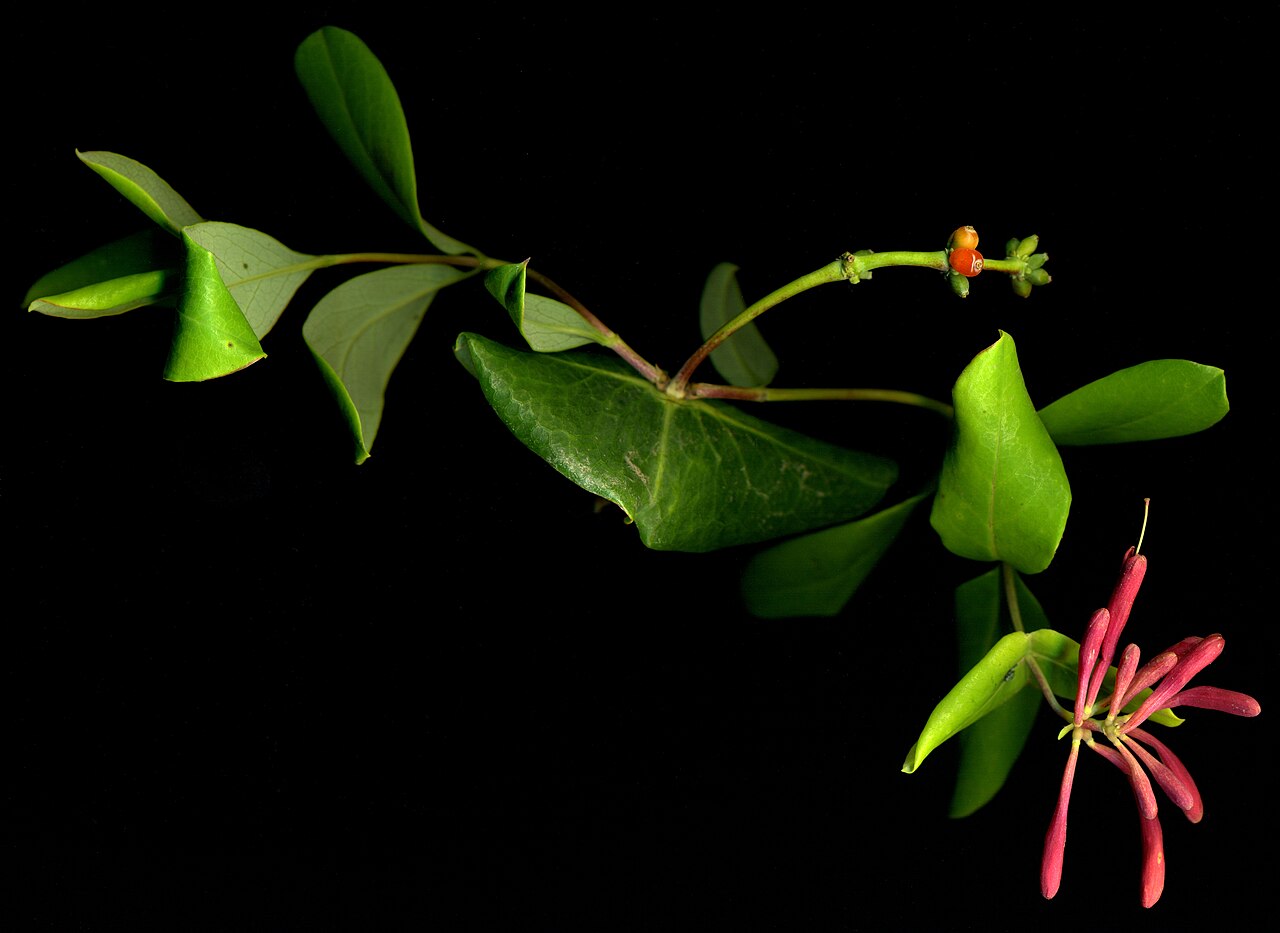
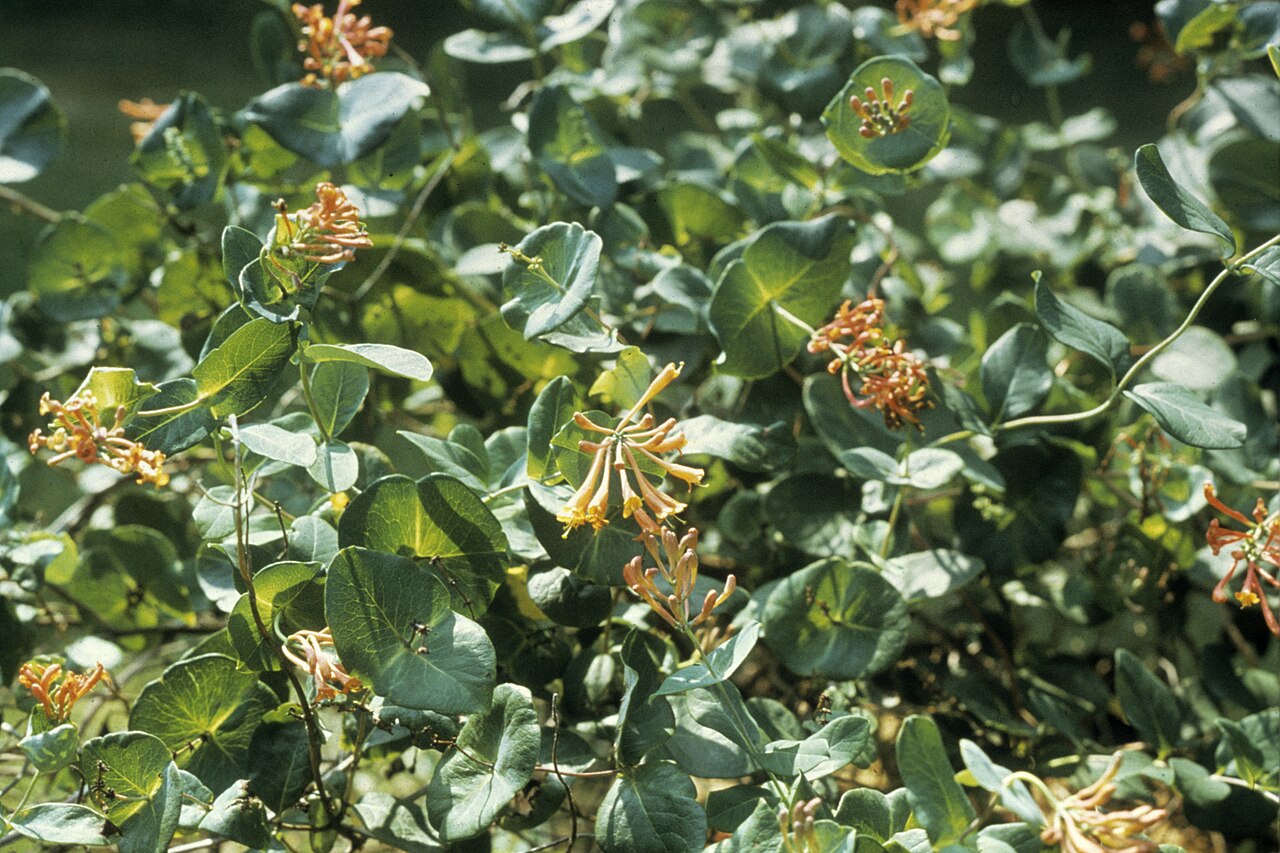
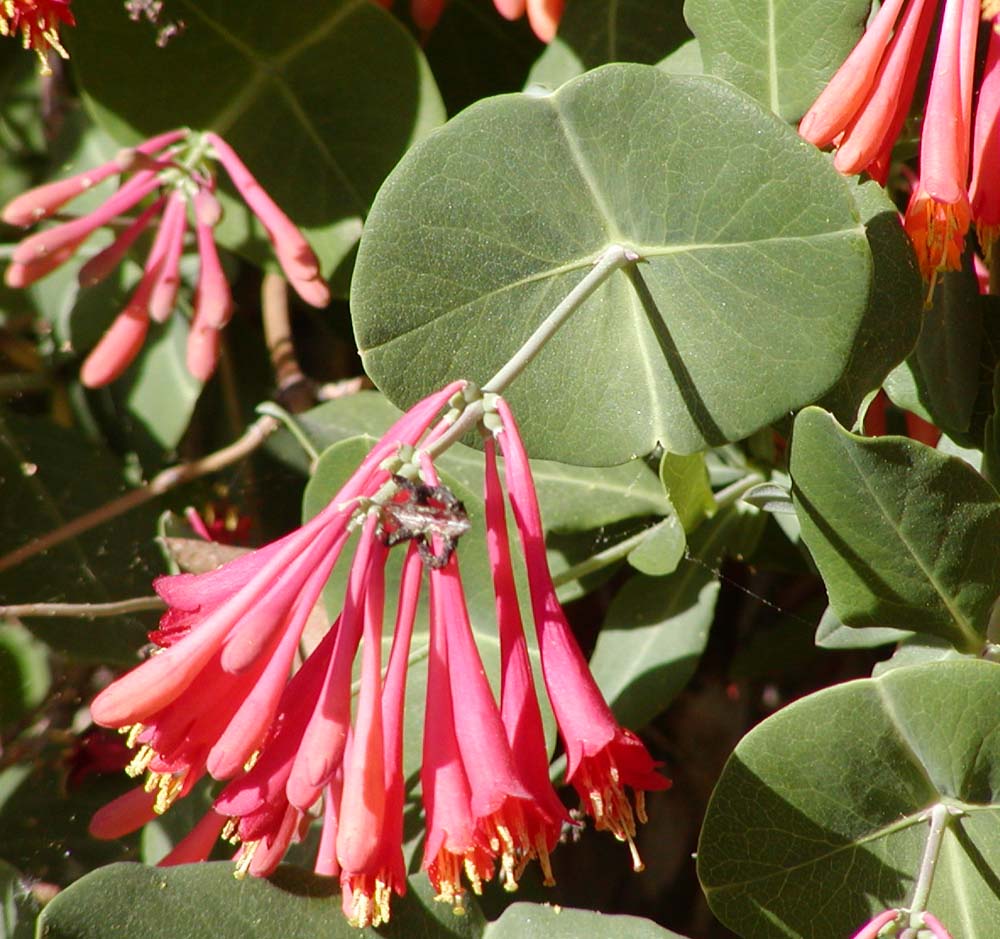
Sulphurea is the coral honeysuckle for gardeners who like their plants with a history: an older yellow selection of Lonicera sempervirens, listed by extension and arboretum sources among the established cultivars, with soft yellow trumpet flowers on a native, semi-evergreen to deciduous twining vine growing about 8 to 12 feet high. Where John Clayton is the brighter, more widely sold yellow form, Sulphurea is the older, softer yellow — a heritage selection that has been in the trade long enough to earn the Latin-sounding name, which simply means sulfur-colored. It blooms from late spring through summer with repeat flowering, feeds hummingbirds like every coral honeysuckle, and follows with the same red berries for songbirds.
Plant Sulphurea where a softer yellow suits the garden — a cottage border, a pale fence it will not clash with, a trellis near pastel perennials — because its gentle color plays well with neighbors that a brighter yellow would shout over. It is a touch less vigorous than Major Wheeler, reaching 8 to 12 feet rather than 15, which makes it a good choice for a smaller trellis, a mailbox post, or a fence section you do not want overwhelmed. Like all coral honeysuckles, it is native and non-invasive, it twines rather than clings, and it wants full sun and a support to wrap. In Florida it is semi-evergreen to deciduous, and its yellow flowers are a welcome change from the red forms that dominate the trade.
How to grow
Coral honeysuckle, also called trumpet honeysuckle, is a twining woody vine native to the eastern United States, reaching south into the central Florida peninsula and west to Texas. It is the native honeysuckle to plant instead of Japanese honeysuckle, which is invasive: coral honeysuckle climbs politely, blooms in clusters of long trumpet flowers that hummingbirds defend like tiny territories, and follows with red berries that songbirds eat. The wild flower is coral-red; the cultivars below include the famous red rebloomers and the older yellow selections, all selections of the same native species, not hybrids with the invasive cousin. In Florida it is semi-evergreen to deciduous depending on winter cold, and it flowers heaviest in spring with repeat bloom through summer and fall when it is happy. Give it sun, something to climb — a fence, trellis, arbor, or mailbox post — and air around its leaves, and it will cover that support faster than you expect.
Plant in fall or spring in full sun to part shade, in average, well-drained soil. Set at the base of its support, backfill with native soil and worm castings, mulch the root zone, and space 3 to 5 feet apart along a support. Guide young stems onto the trellis until twining takes over. Water deeply the first year; established vines tolerate drought but rebloom best with steady moisture. Prune in late winter, removing dead wood and thinning crowded stems — Sulphurea blooms on new wood, so late-winter pruning is the setup for the flowering season.
Water & feeding
Coral honeysuckle is not a thirsty vine: average garden water, deep watering for the first year, and drought tolerance once established are the whole story. In sand, mulch the root zone to keep it cool — the old rule is heads in the sun, feet in the shade — and water at soil level during dry spells to keep bloom coming. Work worm castings into the planting hole and top-dress in spring; it is a light feeder, and overfeeding makes leafy growth at the expense of flowers. Good air circulation matters more than extra fertilizer in humid Florida, where crowded, still air invites mildew.
Common problems
Aphids on spring growth, powdery mildew and leaf spot in humid, crowded plantings, occasional deer browse — the usual coral honeysuckle list. Yellow flowers show problems plainly, so inspect Sulphurea regularly and act early: a water blast for aphids, better air for mildew, soil-level watering always. Because it is an older selection, availability can be patchier than Major Wheeler’s or John Clayton’s — buy from a native nursery that labels its stock, and check that the flowers are actually yellow, because a mislabeled red vine is a common disappointment with this group.
Harvest
Leave berries for birds, cut a few flowering stems for a vase — soft yellow honeysuckle is lovely indoors — and prune in late winter for shape and air. Deadhead lightly to encourage rebloom, leave some clusters to fruit, and thin by removing whole stems rather than shearing. Sulphurea’s softer habit means it needs less wrestling than the vigorous red forms, but it still wants its annual late-winter haircut to stay floriferous and airy.
Nerdy fact: Sulphurea’s name comes from sulfur, whose pale yellow color the flowers match — a reminder that botanical Latin, for all its reputation, is often just a color swatch with a fancy ending.
Saving seeds
Sulphurea is the coral honeysuckle for gardeners who like their plants with a history: an older yellow selection of Lonicera sempervirens, listed by extension and arboretum sources among the established cultivars, with soft yellow trumpet flowers on a native, semi-evergreen to deciduous twining vine growing about 8 to 12 feet high. Where John Clayton is the brighter, more widely sold yellow form, Sulphurea is the older, softer yellow — a heritage selection that has been in the trade long enough to earn the Latin-sounding name, which simply means sulfur-colored. As a named coral honeysuckle it is kept true by cuttings, not by seed — plant Sulphurea where a softer yellow suits the garden: a cottage border, a pale fence it will not clash with, a trellis near pastel perennials, because its gentle yellow pairs with anything. Coral honeysuckle, also called trumpet honeysuckle, is a twining woody vine native to the eastern United States, reaching south into the central Florida peninsula and west to Texas. It is the native honeysuckle to plant instead of Japanese honeysuckle, which is invasive: coral honeysuckle climbs politely, blooms in clusters of long trumpet flowers that hummingbirds defend like tiny territories, and follows with red berries that songbirds eat. It blooms from late spring through summer with repeat flowering, feeds hummingbirds like every coral honeysuckle, and follows with the same red berries for songbirds. The full method is in the Saving seeds section of the Coral Honeysuckle guide.