
🍊 Tangerine Beauty Crossvine
What it looks like
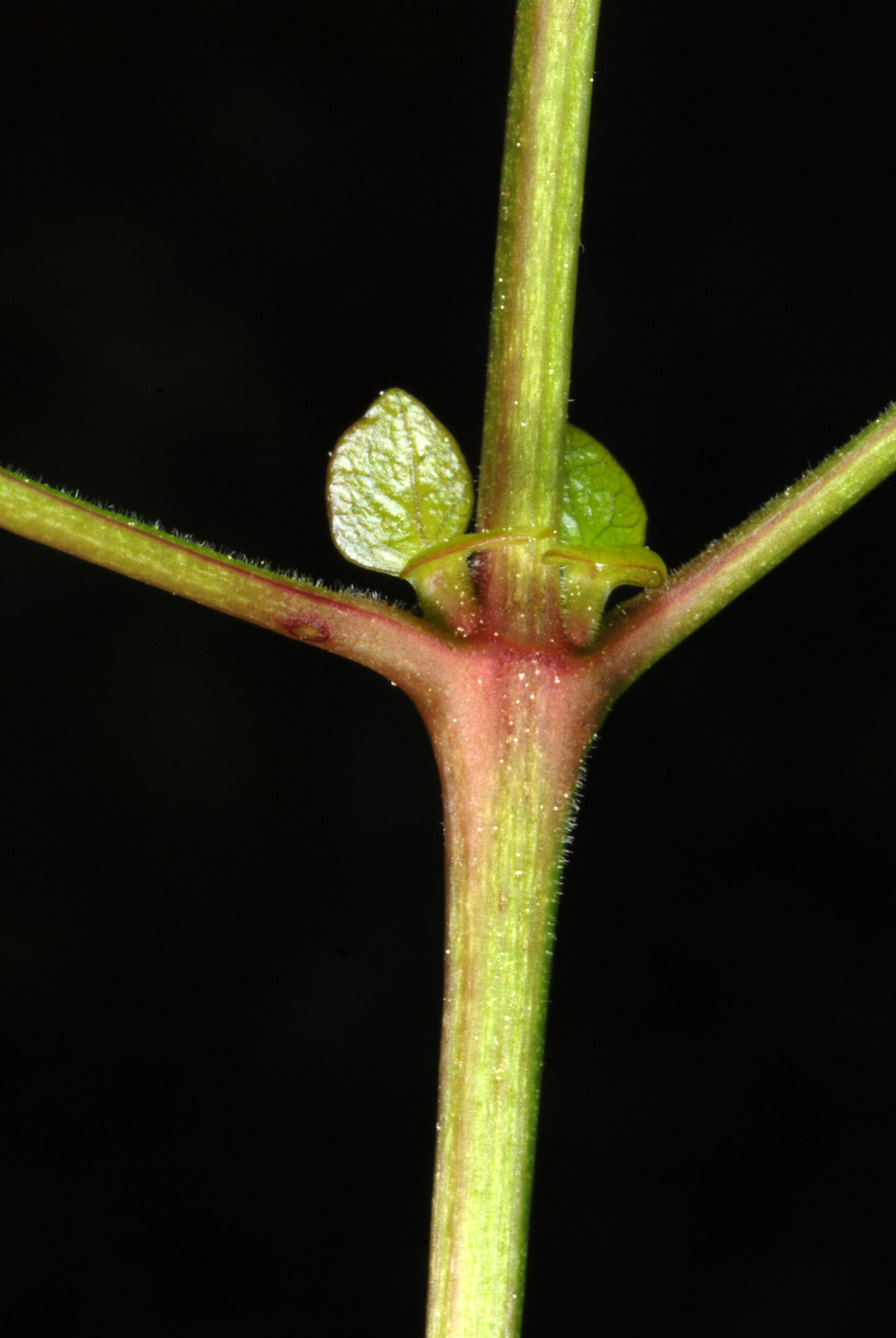
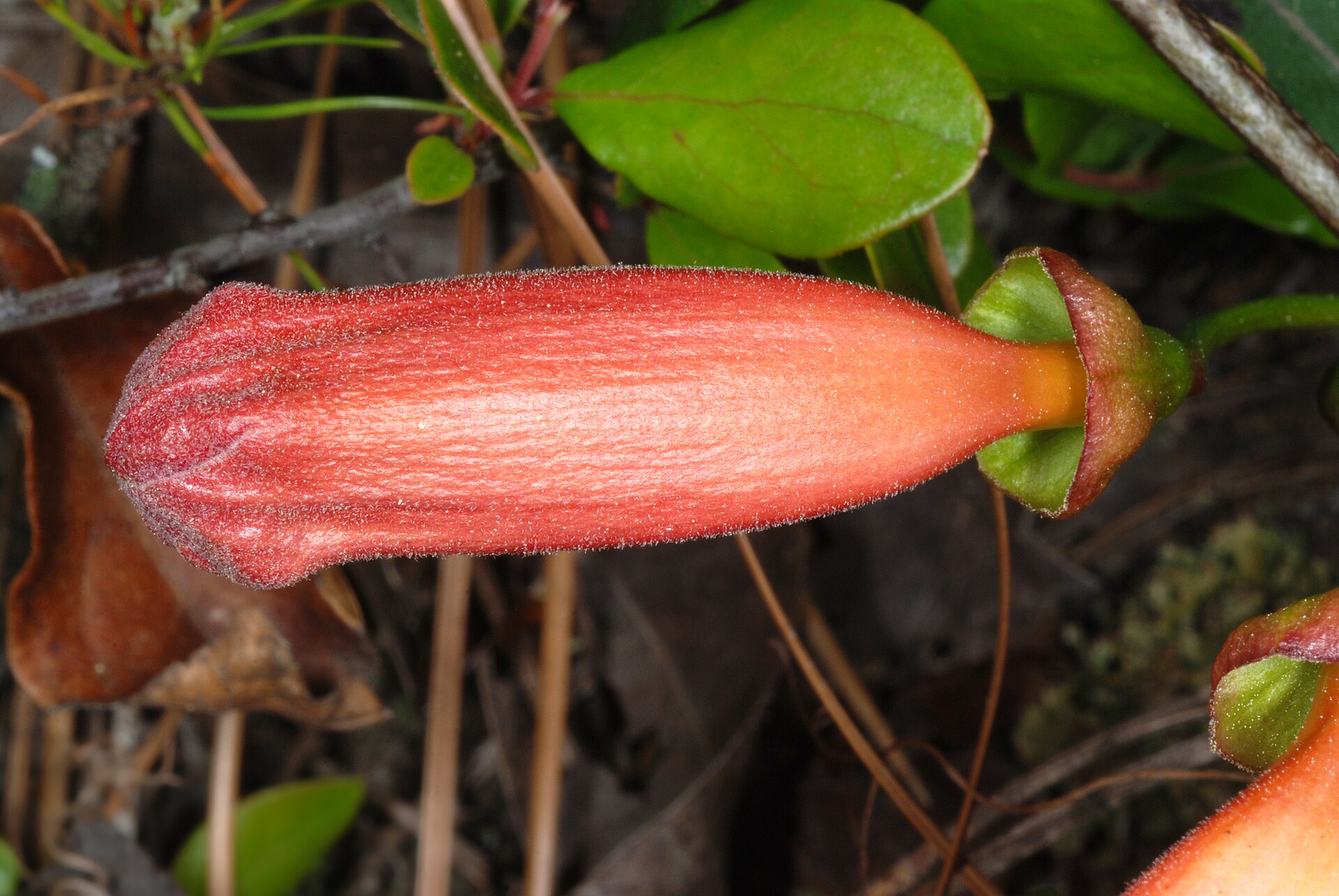
Tangerine Beauty is a selected crossvine whose trumpets run a clear, bright tangerine rather than the species’ brick-red, with a yellow throat that glows against the glossy evergreen leaves. Nurseries list it as more floriferous than the straight species, so a mature plant carries more flower clusters per stem and reads brighter from across the yard.
In habit it is crossvine through and through: a woody vine climbing by tendrils, evergreen in mild winters, and capable of reaching well up a tree or across a long fence if it is allowed to. The difference is in the color and the flower density, not in a smaller size, so do not plant it expecting a compact vine.
Why this variety
Choose Tangerine Beauty when the species crossvine is almost right but you want a warmer, lighter color and a heavier spring show. On a dark fence or against deep green shrubs, tangerine reads farther than brick-red, and in a small garden the extra flowers matter more than a few extra feet of vine.
It is also the crossvine to plant where you want one vine to do the work of a hedge and a flower show at once. It screens in winter, it glows in spring, and it does all of it without the suckering habit that makes trumpet creeper a regret.
How to grow
Grow it exactly like the species: sun, soil that drains but holds some moisture, a sturdy support, deep watering through the first year, and mulch. Tie the first stems to the support and let the tendrils take over. If you plant it in deep shade expecting flowers, you will get leaves and patience, in that order.
Prune after bloom, cutting back the longest shoots to a side branch. A light summer tidy keeps it from piling up at the top of the support, and a hard winter cutback is possible but may cost you the next spring’s flowers, so save the big cuts for a vine that has genuinely outgrown its place.
Water & feeding
Water deeply once a week in dry weather while it establishes, then ease off. Crossvine tolerates short dry spells once rooted, but a long drought in spring will shrink the flower show, which is the one thing you planted it for.
Feed with compost in spring only. Rich soil and heavy fertilizer give you a jungle of leaves and a thinner bloom, the classic overfed-vine disappointment.
Common problems
Color varies with light: flowers look redder in shade and more tangerine in sun. If the color is the point, plant it where it gets morning sun at least.
Slow to bloom when young: like the species, it may take two or three years to flower well. Sun, patience, and no heavy feeding are the cure.
Overgrowing its support: prune after bloom. Do not let it mat at the top, where it shades its own lower leaves and flowers less.
Confusion with trumpet creeper: crossvine has evergreen paired leaves and tendrils with adhesive pads; trumpet creeper has deciduous compound leaves and suckers freely. Check before you plant.
Harvest
There is no edible harvest. The harvest is the late-spring weeks when a tangerine vine stops traffic, and the rest of the year it is a green screen that asks for one prune a year.
Snip a few flowering stems for a vase in spring, but leave most of them on the vine: the show is the point, and a vine in full flower is worth more on the fence than in a jar.
Saving seeds
Choose Tangerine Beauty when the species crossvine is almost right but you want a warmer, lighter color and a heavier spring show. On a dark fence or against deep green shrubs, tangerine reads farther than brick-red, and in a small garden the extra flowers matter more than a few extra feet of vine. It is also the crossvine to plant where you want one vine to do the work of a hedge and a flower show at once. It screens in winter, it glows in spring, and it does all of it without the suckering habit that makes trumpet creeper a regret. As a named crossvine cultivar it is kept true vegetatively, not by seed — propagate it by cuttings or layering, because seed from a Tangerine Beauty vine will not give you this tangerine color and flower density. Grow it exactly like the species: sun, soil that drains but holds some moisture, a sturdy support, deep watering through the first year, and mulch. Tie the first stems to the support and let the tendrils take over. If you plant it in deep shade expecting flowers, you will get leaves and patience, in that order. Prune after bloom, cutting back the longest shoots to a side branch. A light summer tidy keeps it from piling up at the top of the support, and a hard winter cutback is possible but may cost you the next spring’s flowers, so save the big cuts for a vine that has genuinely outgrown its place. The full method is in the Saving seeds section of the Crossvine guide.
Varieties
See the species guide, Crossvine, and Crossvine: All Varieties.