
🌳 Thomas Walnut
What it looks like
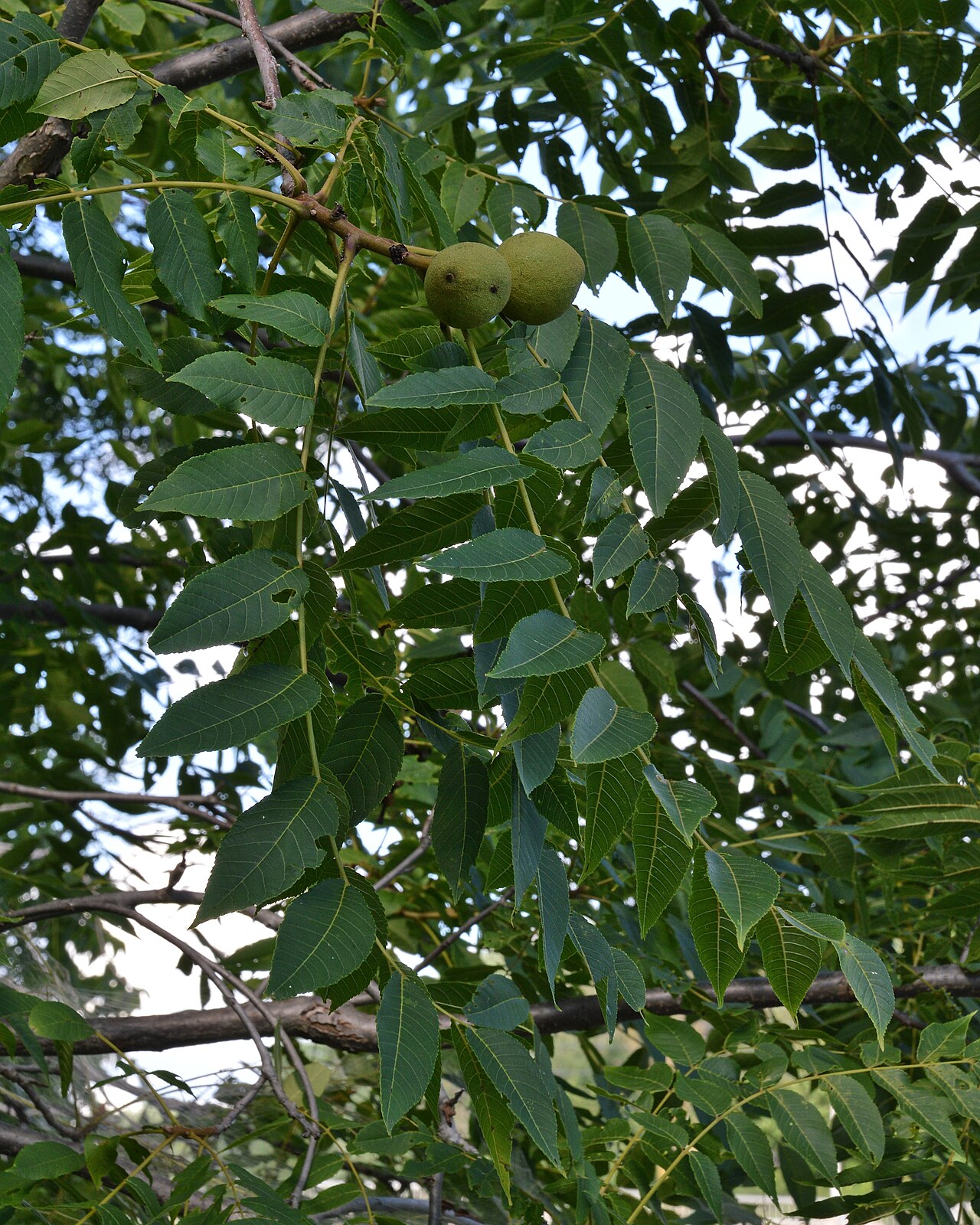
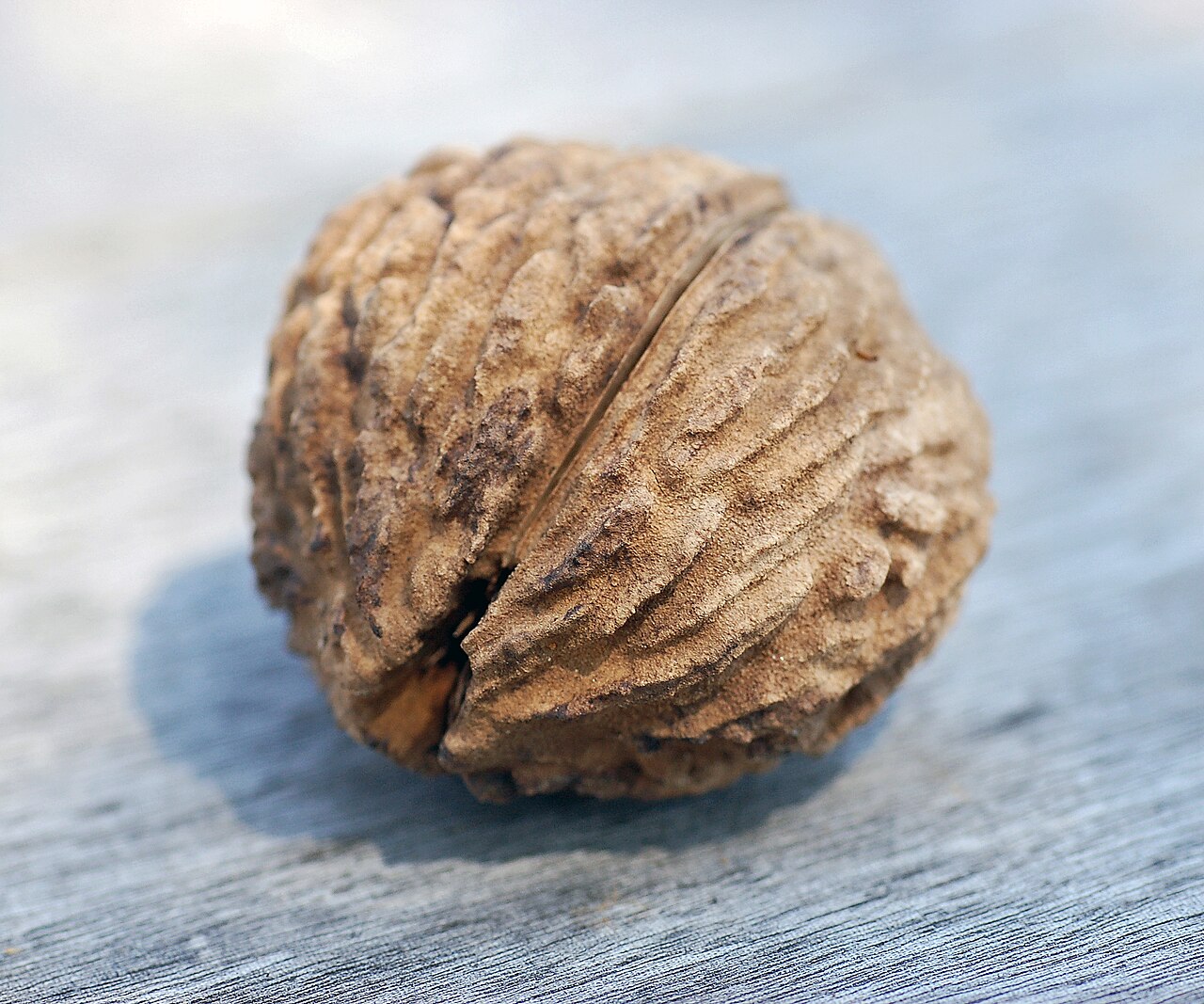
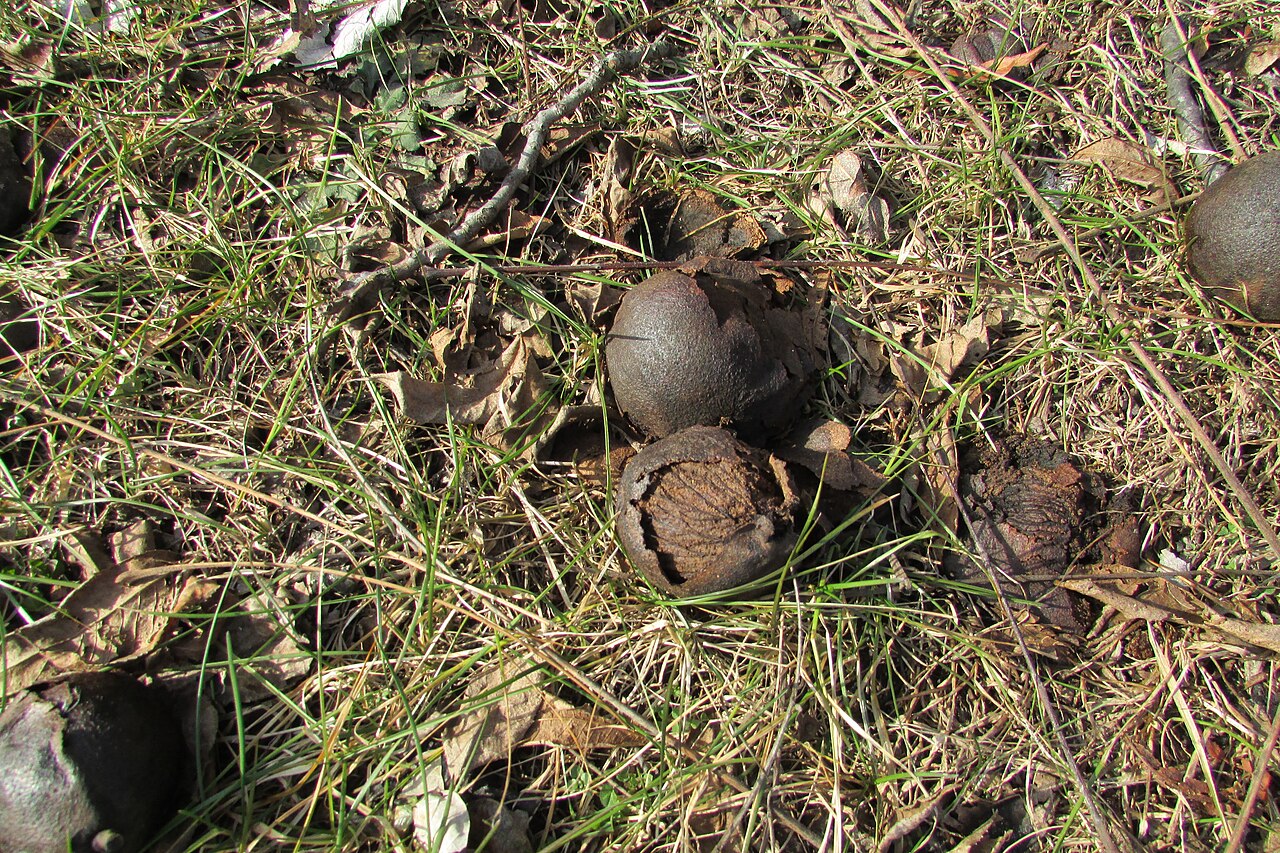
Why this variety
Thomas is the black walnut that proved a black walnut could be cracked. First discovered in Pennsylvania in 1881 and propagated ever since, it is the earliest recorded clonal black walnut selected for kernel quality, and it became the standard other black walnuts were compared against for over a century: thin shells that usually crack on the first try, kernels that come out as halves and quarters instead of crumbs, and a bold, earthy, unmistakably black-walnut flavor that English walnuts do not attempt. If Chandler and Hartley are the grocery-store walnuts, Thomas is the baker’s walnut — the one for cookies, brownies, fudge, and ice cream where black walnut flavor is the point, not a garnish.
The tree is a massive native hardwood, typically 40-65 feet tall, with a broad crown, deep roots, and a lifespan measured in generations. Grafted trees bear early for a walnut — often within a few years, rather than the long seedling wait — and a mature Thomas is a heavy, productive tree, though it tends to alternate bearing, with a big year followed by a lighter one. Honest caveats belong in the same paragraph as the praise: Thomas is susceptible to anthracnose leaf spot in humid conditions, and it has lost favor in some midwestern states for summer defoliation and poor nut filling in bad years, while still rating highly in Pennsylvania and the East Coast. It is also a black walnut, which means juglone — its roots suppress many garden plants, tomatoes above all — and husks that stain everything they touch. Plant Thomas where it has room, where nothing fussy grows nearby, and where you want a century tree that pays rent in baking nuts.
Thin-shelled for a black walnut; kernels in big halves and quarters; bold, earthy flavor. A massive native tree — plan spacing for generations, not seasons.
How to grow
Plant grafted trees in full sun in deep, fertile, well-drained soil — walnuts drown in wet feet and sulk in shallow soil. Stake young trees, prune for a strong central leader, and harvest when husks split and nuts drop; husk promptly, wash, and dry thoroughly before storage, or the kernels go rancid.
Plant grafted trees in full sun in deep, fertile, well-drained soil, and give them their mature spacing from day one — a black walnut becomes a very large tree, and crowding one is a decades-long mistake. Thomas needs a pollinator — another black walnut nearby — for a full crop, so a single isolated tree is a shade tree with a light nut bonus, not an orchard. Stake young trees against wind, prune for a strong central leader, and be patient: even a fast-starting grafted Thomas is measured in years to first crop and decades to peak production.
Florida framing, stated plainly: black walnut is native across the eastern United States, with a range that reaches Florida, but Thomas as a named nut cultivar is a North Florida trial only, not a promised Florida crop. Humid summers favor the anthracnose that already troubles Thomas, mild winters can leave nuts poorly filled, and the tree’s size and juglone demand a site chosen with care. In North Florida, plant only on deep, well-drained ground with room for a very large tree and a pollinator partner, and expect the trial to take years to judge; further south, reference only. And the Florida-specific caution, twice over: do not plant Thomas over a beloved vegetable bed, and wear gloves for husking — black walnut husk stain is a commitment.
Water & feeding
Water young trees deeply and regularly until established; mature nut trees tolerate dry periods but crop best with consistent moisture through nut fill. Mulch heavily with wood chips or leaves, kept off the trunk, and work worm castings into the root zone at planting and as an annual top-dress. Avoid disturbing shallow roots with cultivation — black walnuts resent root disturbance for years, and their deep taproot means they do not move once planted.
Common problems
- Squirrels — the primary harvest competitor for every nut tree. Harvest promptly when nuts drop or husks split; leaving nuts on the ground is donating them.
- Anthracnose leaf spot — Thomas’s known weakness, worst in humid conditions, causing summer defoliation and poor nut filling in bad years. Prune for airflow, clean up fallen leaves and nuts, and site for air movement.
- Wet feet — nut trees drown in waterlogged soil. If your site holds water after rain, plant elsewhere or plant on a mound.
- Alternate bearing — a heavy crop one year followed by a light one is normal for Thomas, not a sign of failure. Thin heavy crops and feed consistently to soften the swing.
- Husk pests and weevils — fallen, wormy nuts should be cleaned up promptly to break pest cycles. Wear gloves: husks stain skin, clothes, and concrete.
Harvest
Harvest when nuts drop or husks split, typically in late September to early October — do not pick unopened husks and hope. Husk promptly (gloves on), wash if needed, and dry thoroughly before storage; nuts stored damp go rancid or moldy. Crack a few before storing the whole crop: Thomas should give large kernel halves with a first-try crack, and a cracking test tells you more about the year’s quality than any calendar date.
Browse all plant & pest guides
Saving seeds
Thomas is the black walnut that proved a black walnut could be cracked. First discovered in Pennsylvania in 1881 and propagated ever since, it is the earliest recorded clonal black walnut selected for kernel quality, and it became the standard other black walnuts were compared against for over a century: thin shells that usually crack on the first try, kernels that come out as halves and quarters instead of crumbs, and a bold, earthy, unmistakably black-walnut flavor that English walnuts do not attempt. But it is a clonal selection, not a seed strain: a seedling of Thomas is a black walnut, not Thomas — the thin shell and clean-cracking kernels are not guaranteed to repeat. To keep this exact tree, plant a grafted Thomas, not a seedling. The full method is in the Saving seeds section of the Walnut guide.