
🍠 Ube True Yam
What it looks like
Why this variety
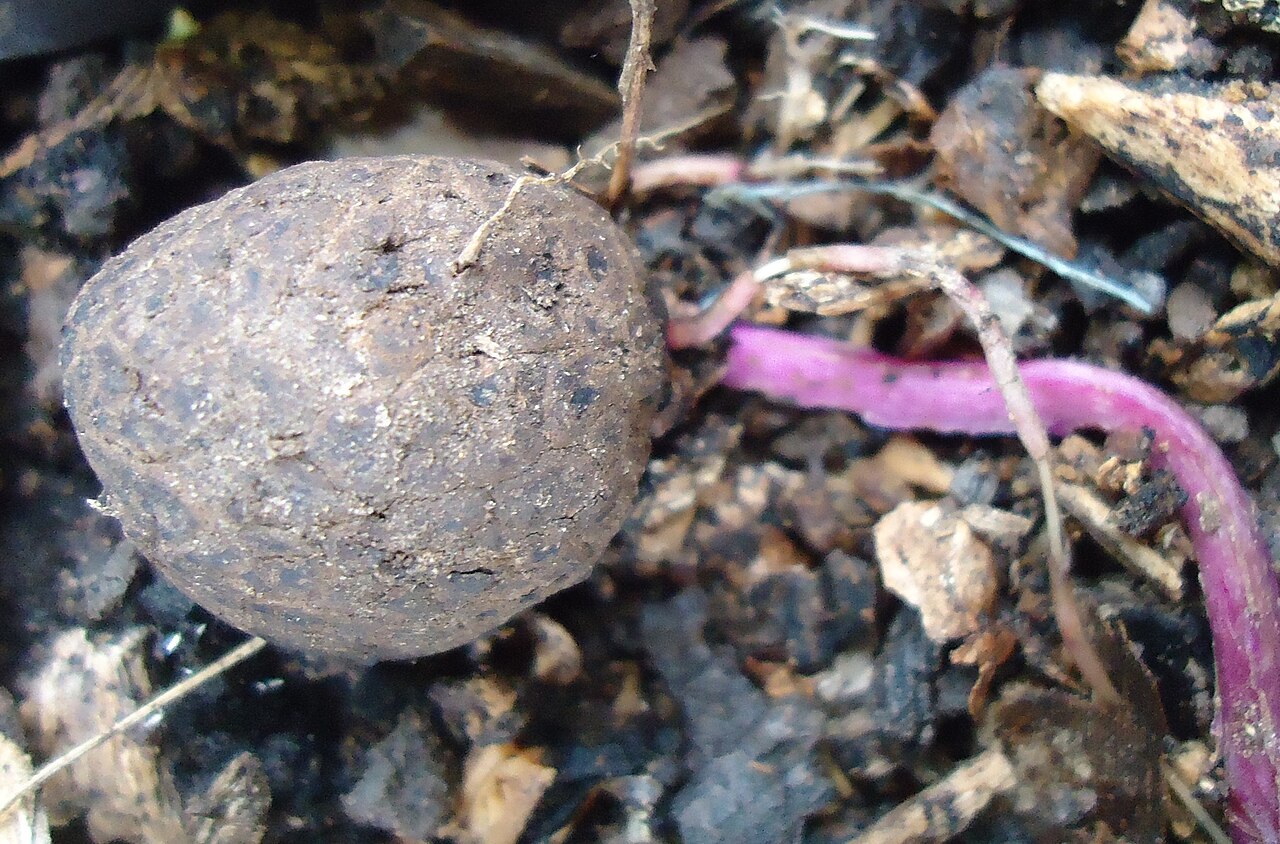
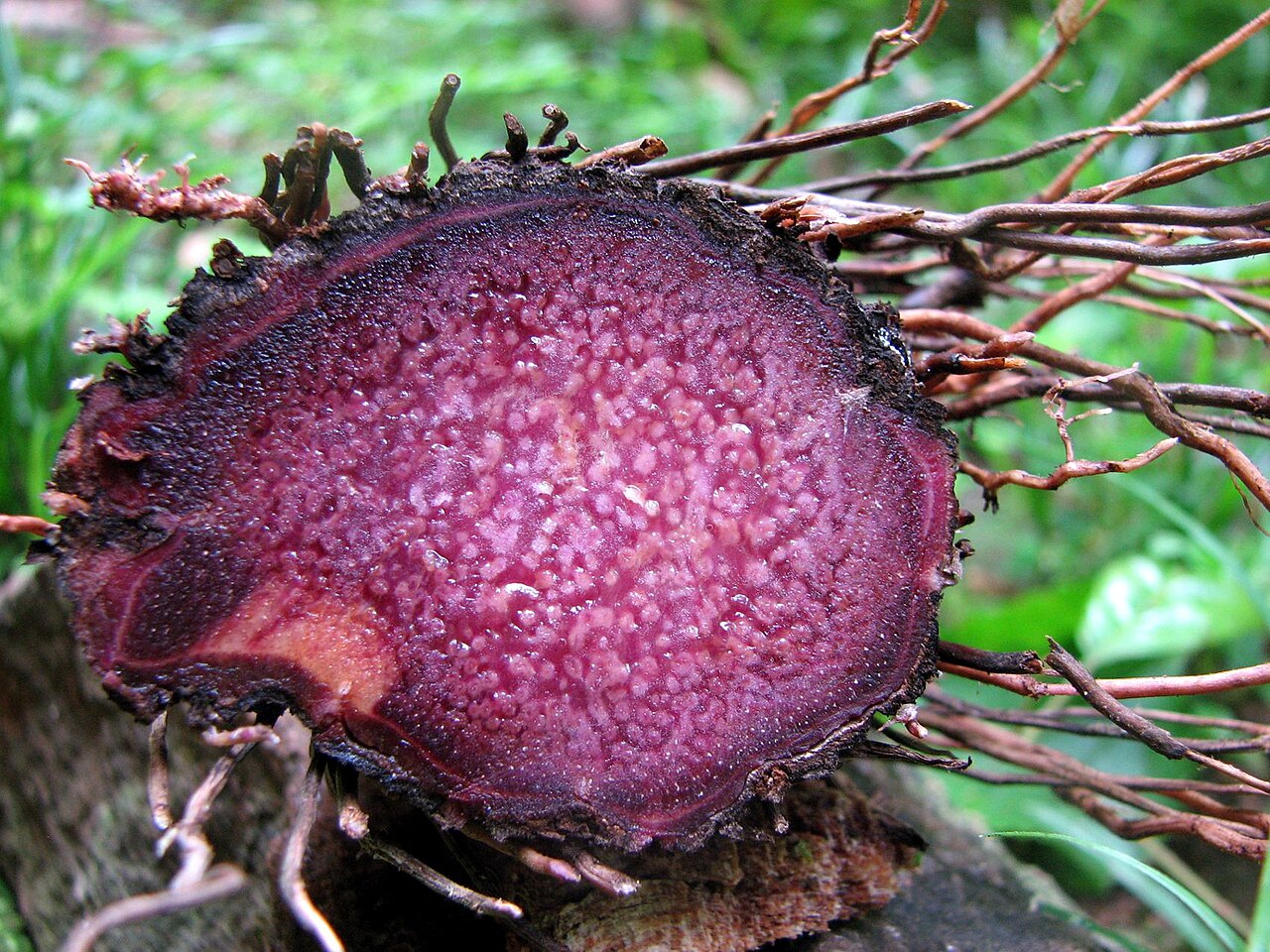
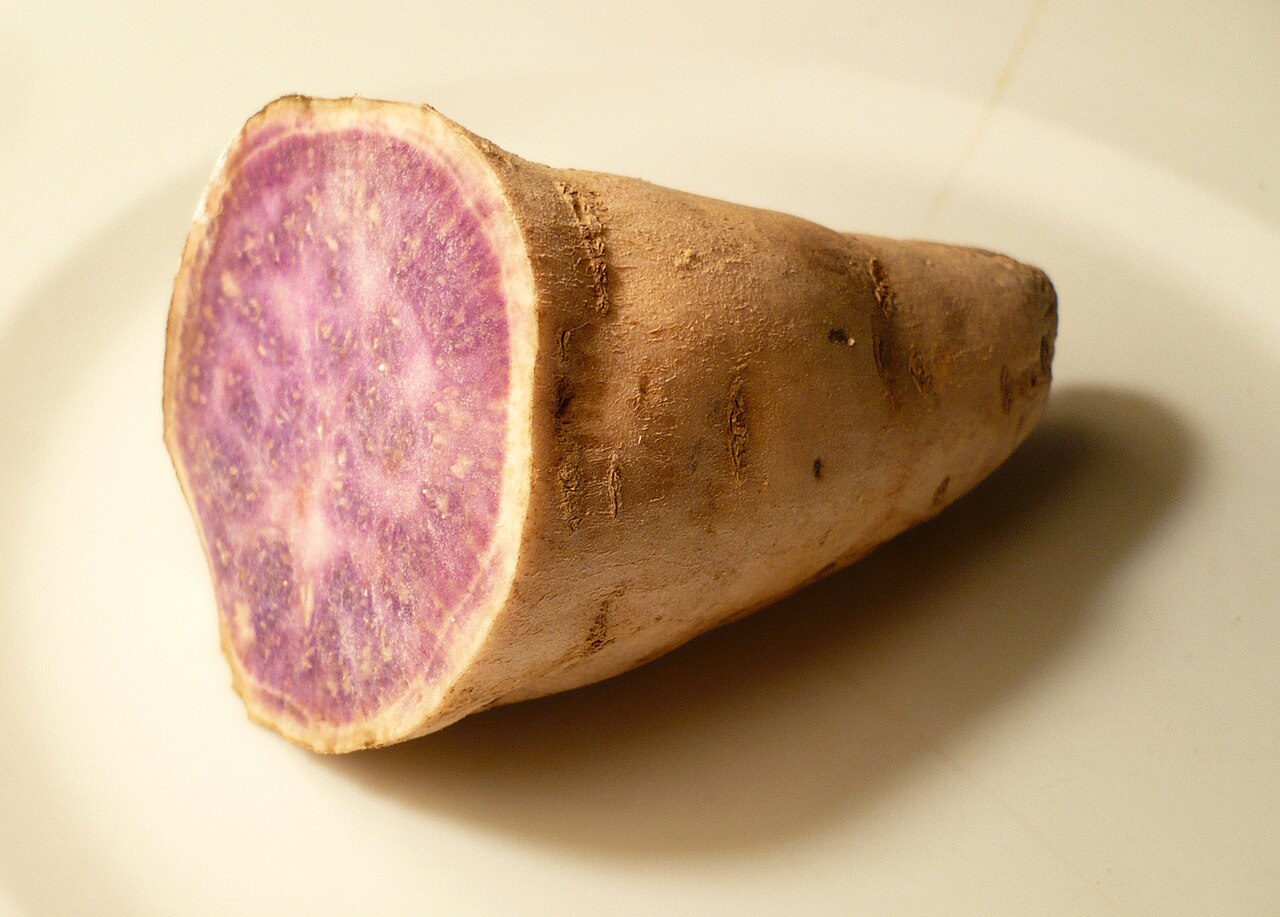
Ube is the purple-fleshed type of the greater yam, Dioscorea alata — a type name rather than a single registered cultivar, and the name that Filipino cooking made famous. The tubers are vivid violet-purple to bright lavender, sometimes creamy-white in related types, and the flesh is sweet, starchy, and intensely colored, which is why ube shows up in desserts, ice cream, and halaya, the sweet purple jam that is a celebration food in its home cuisine.
For the gardener, Ube is the yam that makes the trellis worth building: a vigorous climbing vine with winged, four-angled stems, heart-shaped leaves, and tubers that can grow large in a long, warm season. It is also the yam to grow with containment in mind — a vigorous vine that escapes is a problem, not a harvest — so trellis it strongly, harvest every tuber and bulbil, and never plant it near natural areas.
If you are new to choosing between cultivars, the Varieties Matter guide explains why the name after the plant matters as much as the plant itself. And if you want the whole clan at a glance, the broader True Yam guide covers true yam generally.
How to grow
In Florida, true yam is an honest trial, not a statewide promise: it loves heat, but humid air brings anthracnose and leaf diseases, a cool winter can kill the vine to the ground in the north, and a vigorous yam vine that escapes its trellis is a problem, not a harvest. Grow it on a strong trellis or in a large container, in the warmer parts of the state, and treat the first season as an experiment. Never plant it near natural areas, and never let bulbils or vine fragments wander off the trellis.
Plant tuber pieces in spring after the soil warms, 18 inches apart at the base of a strong trellis, in rich, well-drained soil. Water deeply and regularly while the vine is running, mulch the root zone, and feed with compost through the season. The vine dies back in fall or winter; dig tubers after dieback, before the ground gets cold and wet.
Water & feeding
True yam wants deep, regular water while the vine is running and the tuber is sizing up, but soil that drains — a drowned tuber rots, and a drought-stressed vine drops leaves. Mulch the root zone, feed with compost through the season, and give the vine airflow on its trellis; humid, still air is where yam diseases move in.
Common problems
Anthracnose and other leaf diseases love humid, still air — give the vine airflow on its trellis, remove diseased leaves promptly, and avoid overhead watering late in the day. Nematodes can damage tubers in sandy soil; rotate beds and do not replant yam in the same spot year after year. And contain it: harvest all bulbils, because a dropped bulbil is next year’s vine.
Harvest
Dig carefully after the vine dies back — tubers can be large and deep, and a fork through the middle of one is a tragedy you will remember. Cure in a dry, shady spot for a week, then store cool and dry. Cook thoroughly before eating: boil, steam, or bake until tender, then mash for halaya, cube for stews, or grate into desserts. Never eat yam raw.
Nerdy fact: Ube’s purple comes from anthocyanins, water-soluble pigments that color the flesh so intensely it dyes everything it touches — dough, ice cream, your hands, and, if you are not careful, your favorite shirt. It is the same pigment family that colors blueberries, and it is why ube desserts need no food coloring at all.
Saving seeds
Ube is the purple-fleshed type of the greater yam, Dioscorea alata — a type name rather than a single registered cultivar, and the name that Filipino cooking made famous. The tubers are vivid violet-purple to bright lavender, sometimes creamy-white in related types, and the flesh is sweet, starchy, and intensely colored, which is why ube shows up in desserts, ice cream, and halaya, the sweet purple jam that is a celebration food in its home cuisine. Yams are not seed crops in the garden sense: Ube is grown from tuber pieces planted in spring at the base of a strong trellis, and from the small bulbils the vine produces — and every tuber and bulbil must be harvested, because a vigorous vine that escapes is a problem, not a harvest. Never plant it near natural areas, and never let bulbils or vine fragments wander off the trellis. The full method is in the Propagation section of the True Yam guide.