
🍠 True Yam
What it looks like
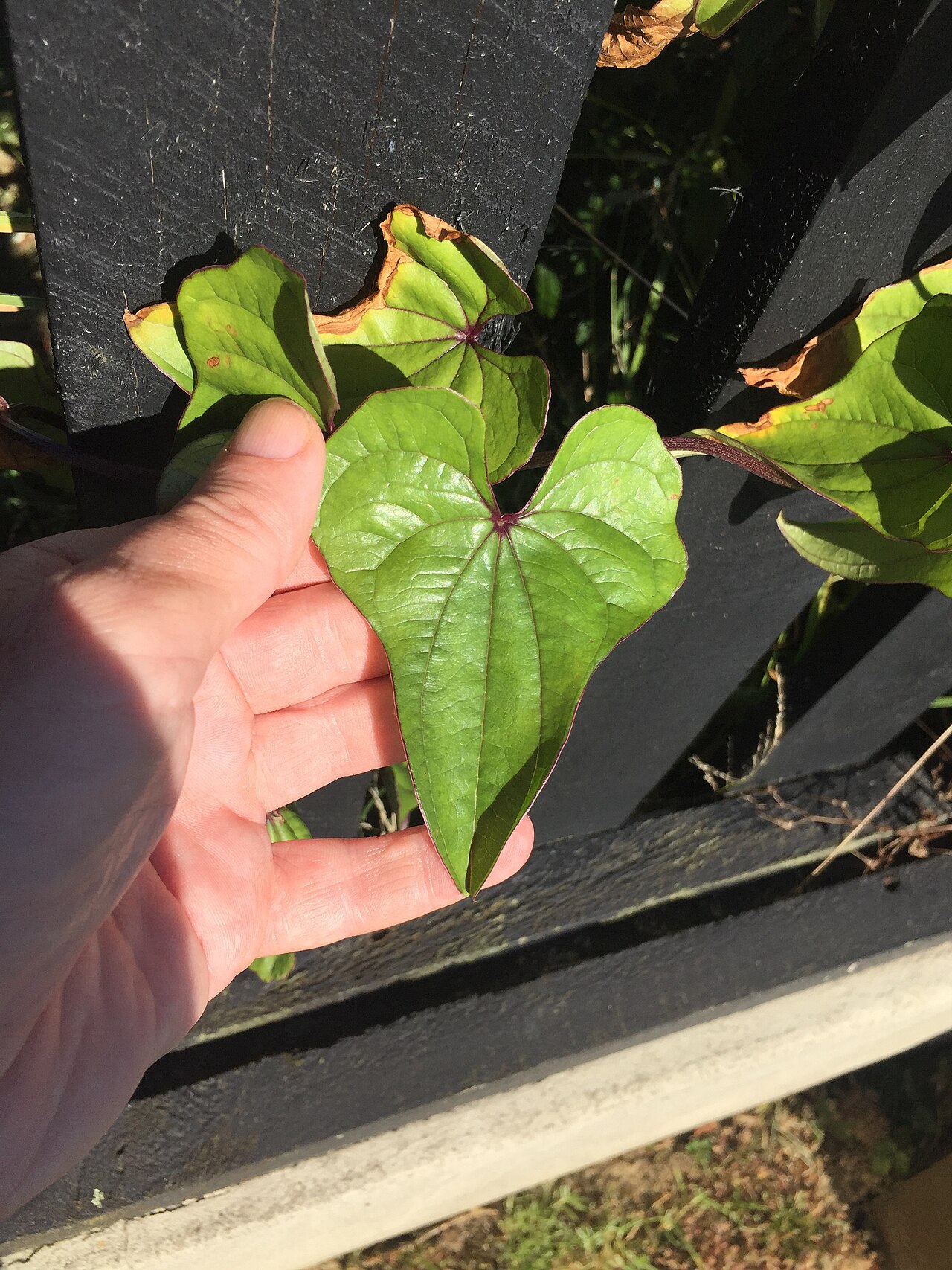
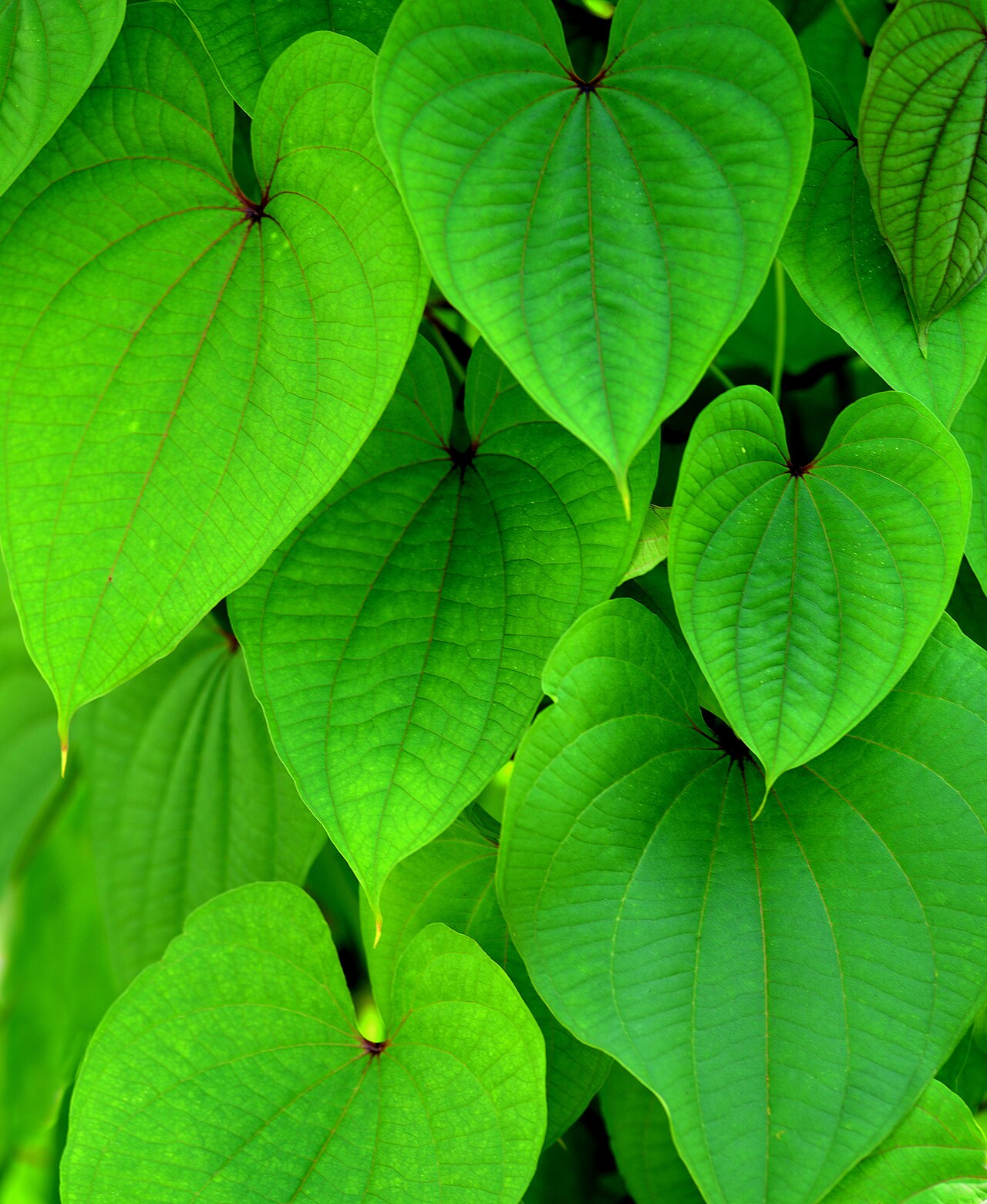
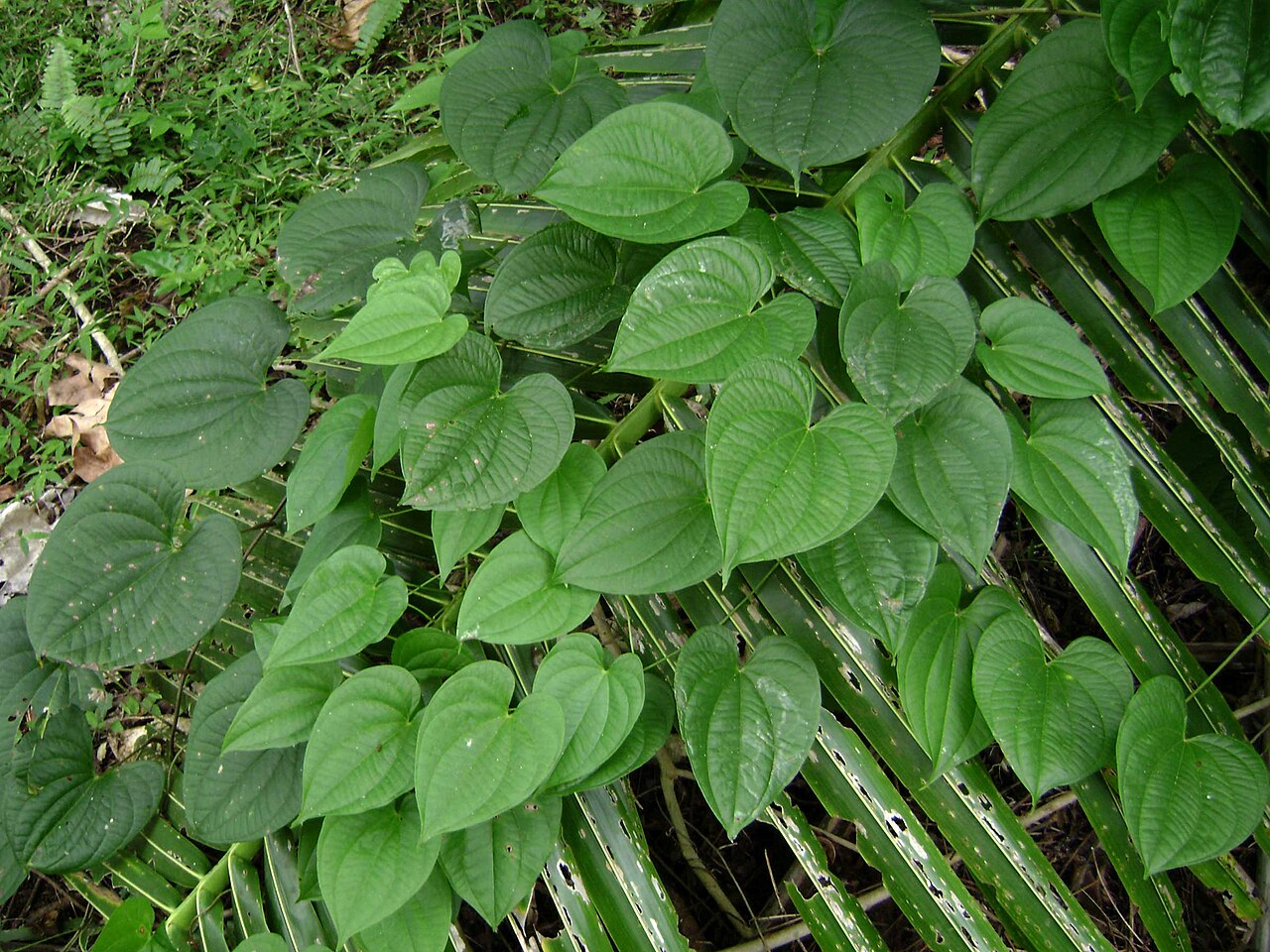
How to grow
True yams are tropical climbing vines grown for starchy tubers — white yam (Dioscorea rotundata) and water yam or ube (D. alata) are the main food species. They need at least 180 consecutive frost-free days with warm soil above 65°F, so in the United States they are realistic outdoors only in South Florida, Hawaii, the Gulf Coast, and other zones 9–11, with zone 8b possible only in sheltered microclimates with indoor-started tubers. Plant whole small tubers or 4–5 ounce seed pieces 2–3 inches deep in spring, in deep, loose, well-drained soil, and give vines a strong trellis — untended vines sprawl and shade everything. IMPORTANT: do NOT plant air potato (Dioscorea bulbifera), which is invasive in Florida and the Southeast, and check your state’s rules before planting D. alata, which can also escape cultivation — harvest every bulbil and tuber, and never dump vine trimmings where they can root.
Water & feeding
Water deeply and regularly during vine growth and tuber bulking, but never let soil stay saturated — wet soil invites Phytophthora root rot and Fusarium wilt, which have no easy organic cure. Feed with compost at planting and a balanced feed during growth; deep, fertile soil matters more than fertilizer, because yams form long, vertical tubers that fork in compacted ground.
Common problems
- Cold soil and frost — the main limit; do not plant until soil is reliably warm, and dig before the first hard frost in marginal zones.
- Nematodes — cause cracked, pitted tubers; rotate crops and use clean planting material.
- Mealybugs and mosaic virus — destroy virus-affected plants and never take seed pieces from diseased vines.
- Escapes — treat every bulbil as a potential new plant; contain vines and clean up thoroughly.
Harvest
Harvest when vines yellow and die back, 10–11 months after planting — in South Florida typically October through January. Dig by hand, carefully, because tubers bruise easily and damaged tubers rot in storage. Cure tubers in a cool, dark, ventilated place; storage life is short in tropical conditions, often just weeks, though treated tubers in cool storage last longer. Cook yams thoroughly before eating — true yams are not eaten raw, and some species must be cooked carefully to be safe. Note for shoppers: the orange ‘yams’ in US grocery stores are sweet potatoes, not Dioscorea.
Browse all plant & pest guides
Propagation
The honest headline: true yams are not grown from seed. They flower and set seed in the wild, but in cultivation they are propagated entirely by tuber pieces — chunks of tuber called seed tubers, each with an eye — because seed does not come true, germinates poorly, and takes years to become a tuber worth eating. There is no seed to save, and no reason to try.
To propagate, lift the tubers in fall or winter, after 180 to 270 days of growth, and save the best ones — the plumpest, the best-storing, the ones that grew well in your soil. Cut them into pieces, each with at least one eye, let the cut ends dry for a day or two so they do not rot, and plant them in spring once the soil is warm, about 18 inches apart in full sun and loose, well-drained soil.
Give the vines something to climb — a trellis, a fence, a pole — because true yams are climbing vines and a vine on the ground rots in the rain. Harvest before the first frost, cure the tubers in a warm, dry place for a week or two so they store, and keep a few back for seed tubers — that is the crop paying you back.
In Florida, true yams are a warm-climate crop for zones 9 to 11, happiest in the southern part of the state with a long, hot season. They are a ten-month commitment, and the reward is a tuber that feeds a family — a real yam, not a sweet potato, and worth every month of waiting.
Varieties
Every named variety of True Yam with its own growing guide:
- Ube True Yam — The purple yam — vivid violet flesh, sweet flavor, and the yam for desserts, ice cream, and ube halaya.
- White Water Yam True Yam — The white-fleshed water yam — sweeter, more mucilaginous than the white Guinea yam, and the West African table type.