
🍠 White Water Yam True Yam
What it looks like
Why this variety
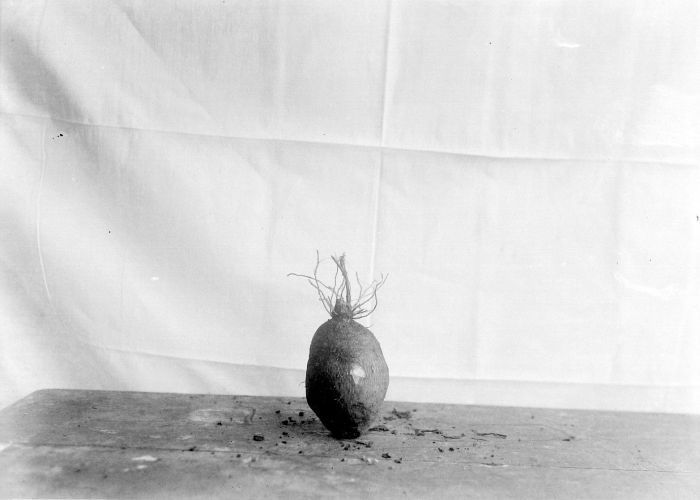
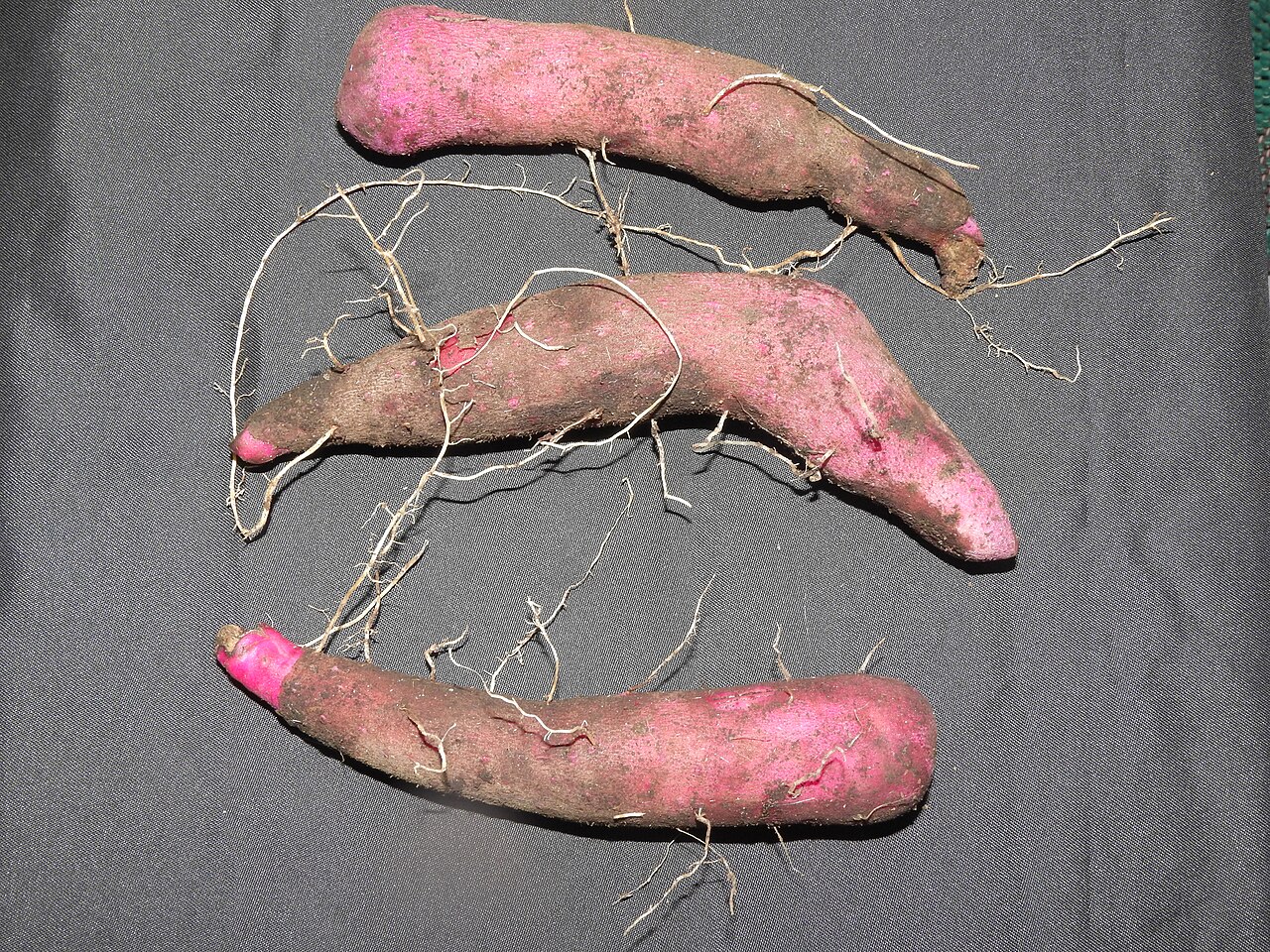
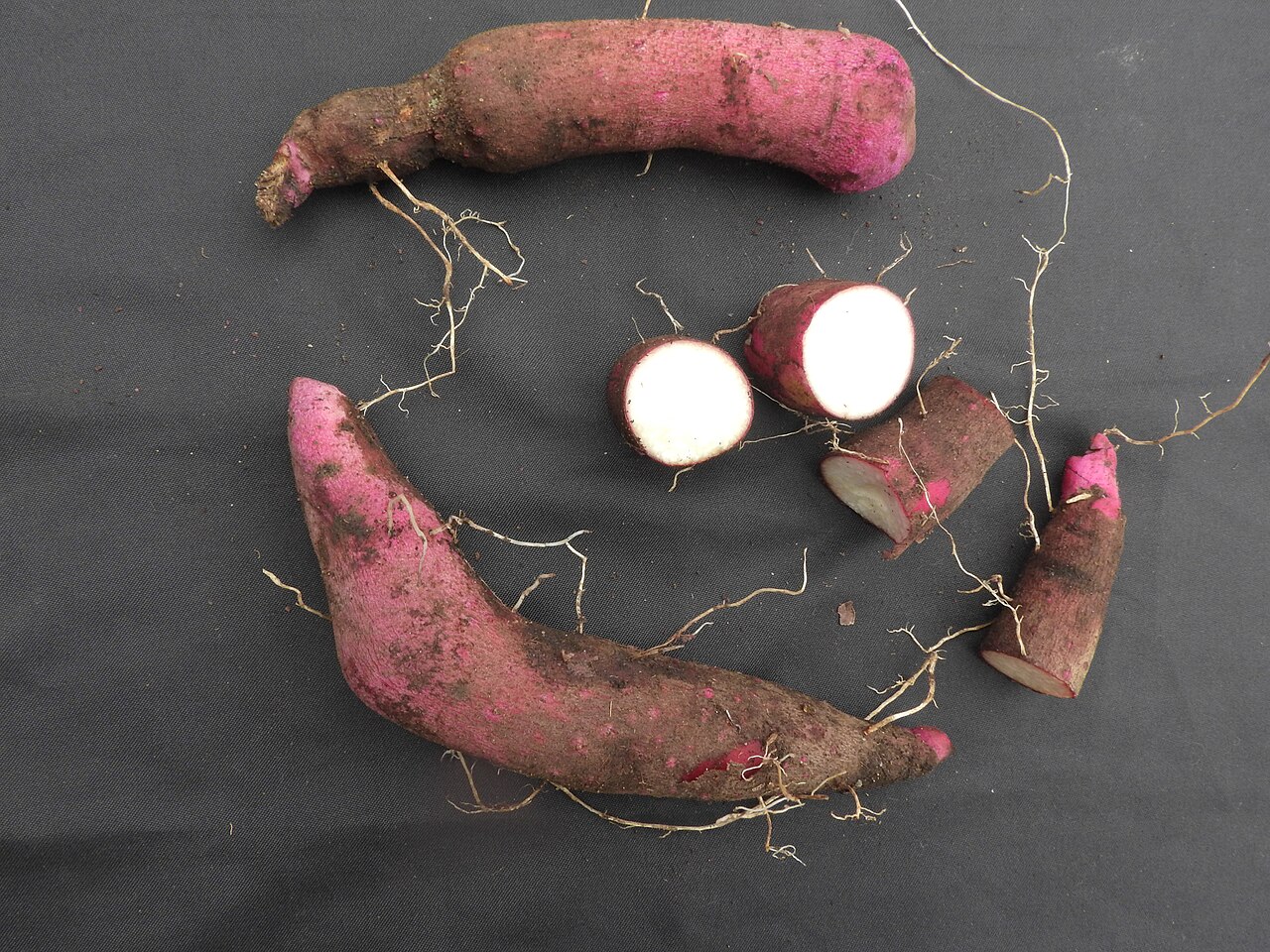
White Water Yam is the white-fleshed type of Dioscorea alata grown widely in West Africa, where it is the everyday yam rather than the dessert yam: sweeter and much more mucilaginous than the white Guinea yam, with a texture that thickens soups and stews and makes pounded yam smooth and stretchy. It is a type name, not a single registered cultivar, and it describes a whole family of white-fleshed alata types that cooks know by texture as much as by name.
For the kitchen, that mucilage is the point: pounded white water yam stretches and holds together in a way that makes it the classic accompaniment to soups, and cubed in stew it thickens the broth without any flour. If your yam plans start with a savory pot rather than a dessert, White Water Yam is the type to grow — and if you have only ever eaten sweet potato and thought it was yam, this is the plant that corrects the record.
If you are new to choosing between cultivars, the Varieties Matter guide explains why the name after the plant matters as much as the plant itself. And if you want the whole clan at a glance, the broader True Yam guide covers true yam generally.
How to grow
In Florida, true yam is an honest trial, not a statewide promise: it loves heat, but humid air brings anthracnose and leaf diseases, a cool winter can kill the vine to the ground in the north, and a vigorous yam vine that escapes its trellis is a problem, not a harvest. Grow it on a strong trellis or in a large container, in the warmer parts of the state, and treat the first season as an experiment. Never plant it near natural areas, and never let bulbils or vine fragments wander off the trellis.
Grow White Water Yam like Ube: plant tuber pieces in spring at the base of a strong trellis, 18 inches apart, in rich, well-drained soil, water deeply through the season, and mulch the root zone. The vine is vigorous and climbing, so the trellis must be strong — a yam vine that outgrows a flimsy trellis takes the fence with it. Dig after dieback in fall or winter.
Water & feeding
True yam wants deep, regular water while the vine is running and the tuber is sizing up, but soil that drains — a drowned tuber rots, and a drought-stressed vine drops leaves. Mulch the root zone, feed with compost through the season, and give the vine airflow on its trellis; humid, still air is where yam diseases move in.
Common problems
Anthracnose in humid air is the main disease; airflow on the trellis and prompt removal of spotted leaves matter more than sprays. Nematodes in sandy soil damage tubers, so rotate and do not replant in the same bed yearly. Containment is non-negotiable: harvest every bulbil and tuber fragment, and never plant near natural areas.
Harvest
Dig after the vine dies back, cure for a week in shade, and store cool and dry. Boil or steam until completely tender, then pound for pounded yam, cube for stew, or roast. The mucilaginous texture is normal and desirable — it is what makes the pounded yam stretch — so do not mistake it for undercooking. Cook thoroughly; never eat yam raw.
Nerdy fact: True yams and sweet potatoes are not related at all: yams are monocots in the Dioscoreaceae, sweet potatoes are morning glories, and the orange vegetable in the holiday can is a sweet potato wearing a yam’s name. White Water Yam is a real yam, Dioscorea alata, and growing it is the fastest way to learn the difference — one bite, and the confusion ends.
Saving seeds
White Water Yam is the white-fleshed type of Dioscorea alata grown widely in West Africa, where it is the everyday yam rather than the dessert yam: sweeter and much more mucilaginous than the white Guinea yam, with a texture that thickens soups and stews and makes pounded yam smooth and stretchy. It is a type name, not a single registered cultivar, and it describes a whole family of white-fleshed alata types that cooks know by texture as much as by name. Seed will not repeat it: yams are kept true by tuber pieces. Plant tuber pieces in spring at the base of a strong trellis, 18 inches apart, in rich, well-drained soil, and never let bulbils or vine fragments wander off the trellis or near natural areas — a vigorous yam vine that escapes is a problem, not a harvest. The full method is in the Propagation section of the True Yam guide.