
🔔 Variegatum Solomon’s Seal
What it looks like
Why this variety
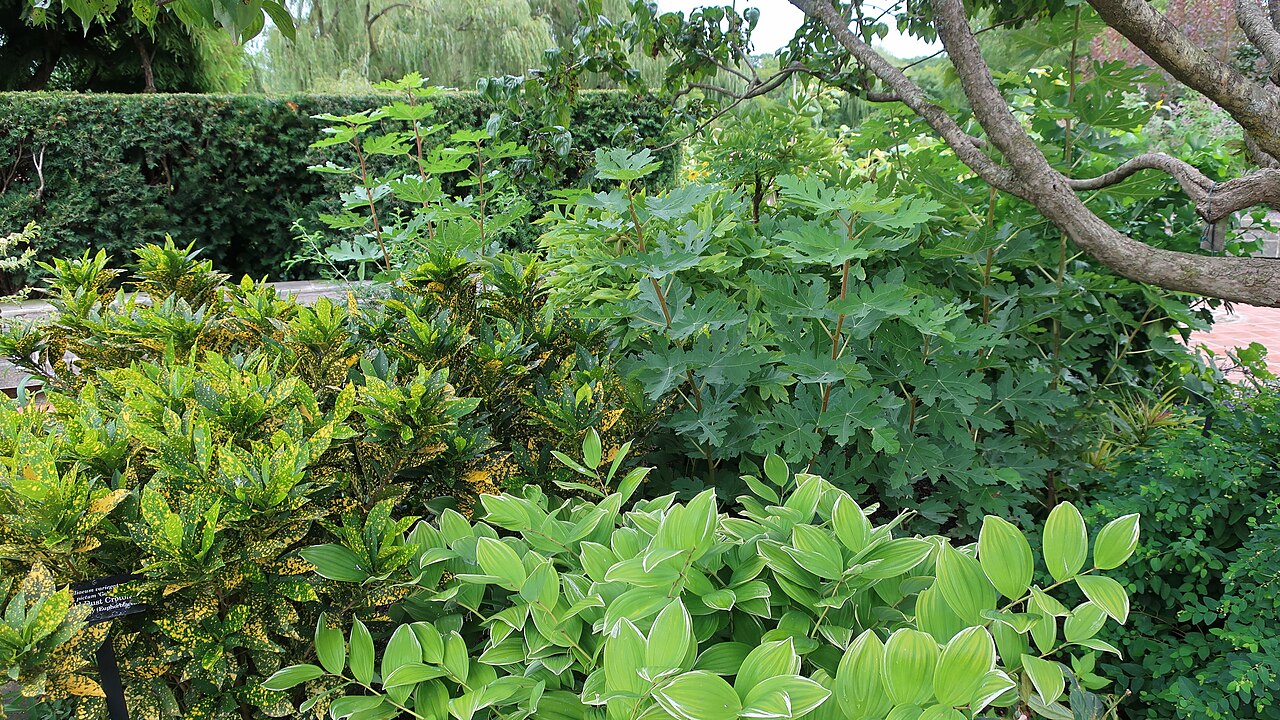
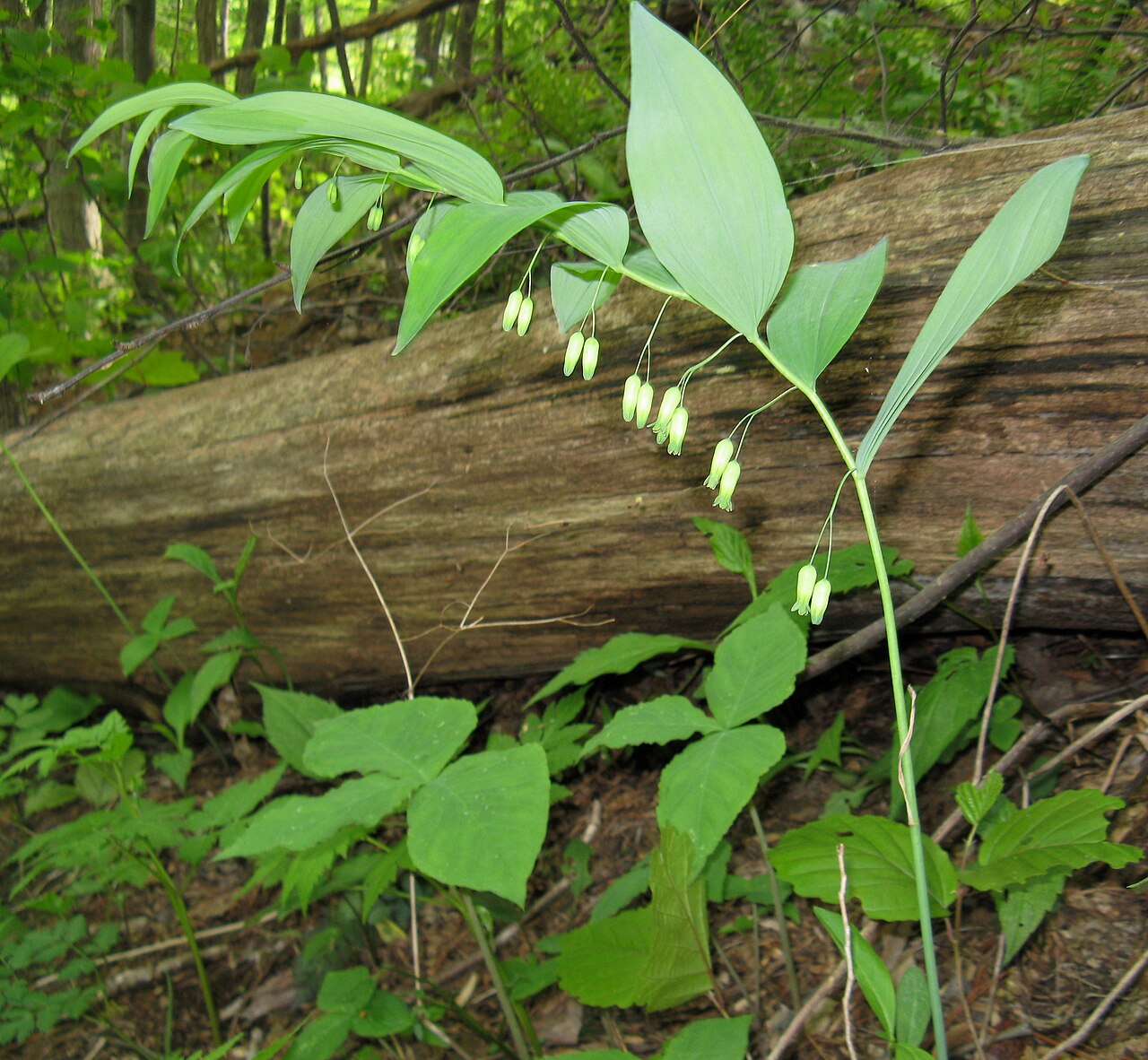
Variegatum is the Solomon’s seal that made Solomon’s seal famous: arching stems, 2 to 3 feet tall, with lance-shaped leaves edged in creamy white, and small, dangling, fragrant white bells with green tips hanging beneath them in late spring, followed by blue-black berries in fall. It won the Royal Horticultural Society’s Award of Garden Merit and the Perennial Plant of the Year award, and it earned them by being the shade plant that lights up a dark corner — the white variegation glows where plain green would vanish into the gloom.
The trade-off is that variegated plants grow a little slower than green ones — less chlorophyll means less energy — and Variegatum wants cool, moist, humus-rich shade, not hot sun or dry soil. Give it leaf-mold soil, consistent moisture, and shade, and it will form a graceful, weed-smothering colony that needs almost no care. Do not plant it in sun or drought and expect silver; give it a woodland bed and it will reward you for decades.
If you are new to choosing between cultivars, the Varieties Matter guide explains why the name after the plant matters as much as the plant itself. Variegatum is a perfect example: it is not just a solomon’s seal in the abstract, it is a solomon’s seal with a specific job, a specific history, and specific strengths.
Florida honesty, stated plainly: Solomon’s seal is a North Florida shade trial, not a statewide promise — it wants cool, moist, shaded woodland conditions, and Florida heat and humidity are not its home weather. In North Florida, plant it in deep shade with afternoon protection, in soil that never dries out, and treat a thriving colony as a triumph. South of the Panhandle, expect decline, and choose a heat-proof shade plant instead. Note: the blue-black berries are poisonous — do not eat them, and plant with care where small children roam.
How to grow
Plant in spring or fall in part to full shade and humus-rich, moist soil — Solomon’s seal is a woodland plant that wants leaf-mold soil, consistent moisture, and protection from hot sun. Work worm castings and compost into the bed at planting, mulch deeply, and give it room to form a colony, because a Solomon’s seal drift forms from rhizomes as much as from the original plants. Do not plant it in sun or drought and expect it to thrive.
Set plants 12-18 inches apart in soil with a pH around 5.5-7.0. Work worm castings into the bed at planting and mulch to hold moisture. A well-fed solomon’s seal plant rewards that care directly: steadier growth, better bloom, and a show that actually shows up.
Water & feeding
Keep soil consistently moist — Solomon’s seal scorches in dry soil and hot sun, and its variegated leaves show damage plainly. Water at the soil line, mulch deeply, and feed lightly: castings and compost at planting plus a spring top-dress. In a dry spell, water is the care program; a Solomon’s seal that dries out does not bounce back that season.
Common problems
- Scorch in sun or drought — browned leaves; the fix is shade, moisture, and mulch, applied before damage, not after.
- Slugs and snails on foliage in wet weather — pick at dusk and keep mulch pulled back slightly from crowns.
- Slow establishment — Solomon’s seal takes a season or two to settle; judge it in year two or three, not year one.
- Poisonous berries — blue-black berries are toxic; do not eat them, and plant with care where small children roam.
- Short life in hot climates — heat shortens Solomon’s seal life; in warm zones, treat it as a shade trial with soil that never dries out.
Harvest
Cut a few arching stems for foliage arrangements in late spring, when bells are open — Solomon’s seal lasts a few days in water and its arching stems suit tall, woodland-style arrangements. Do not cut heavily: the plant needs its foliage to feed next year’s rhizomes. Divide congested clumps in spring or fall every few years, replanting divisions at the same depth, and leave the foliage standing into fall for its golden color — but do not eat the berries.
Browse all plant & pest guides
Saving seeds
Variegatum is the Solomon’s seal that made Solomon’s seal famous: arching stems, 2 to 3 feet tall, with lance-shaped leaves edged in creamy white, and small, dangling, fragrant white bells with green tips hanging beneath them in late spring, followed by blue-black berries in fall. It won the Royal Horticultural Society’s Award of Garden Merit and the Perennial Plant of the Year award, and it earned them by being the shade plant that lights up a dark corner — the white variegation glows where plain green would vanish into the gloom. Seed will not repeat the variegation, so Variegatum is kept true by dividing its rhizomes: lift a clump in spring or fall and replant the pieces in part to full shade and humus-rich, moist soil. Give it leaf-mold soil, consistent moisture, and shade, and it will form a graceful, weed-smothering colony that needs almost no care. The full method is in the Saving seeds section of the Solomon’s Seal guide.