
🌺 Violetto Globe Artichoke
What it looks like
Why this variety
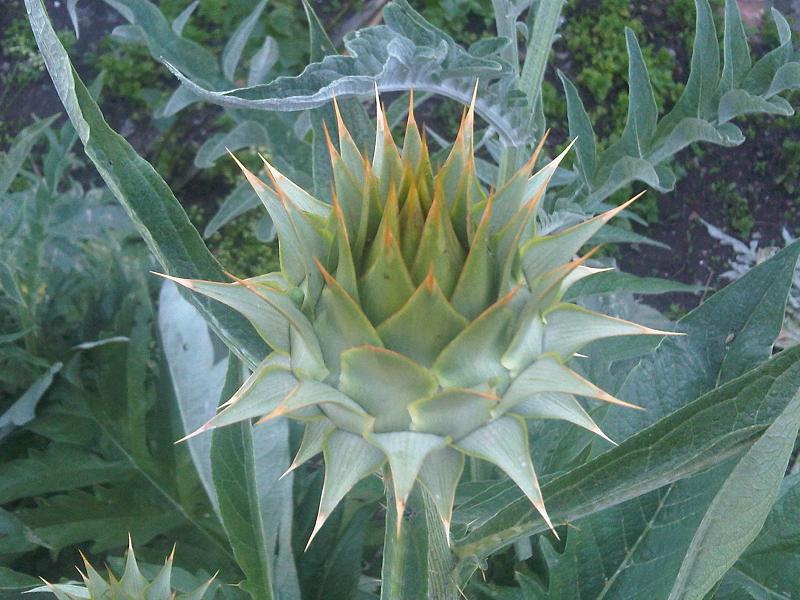
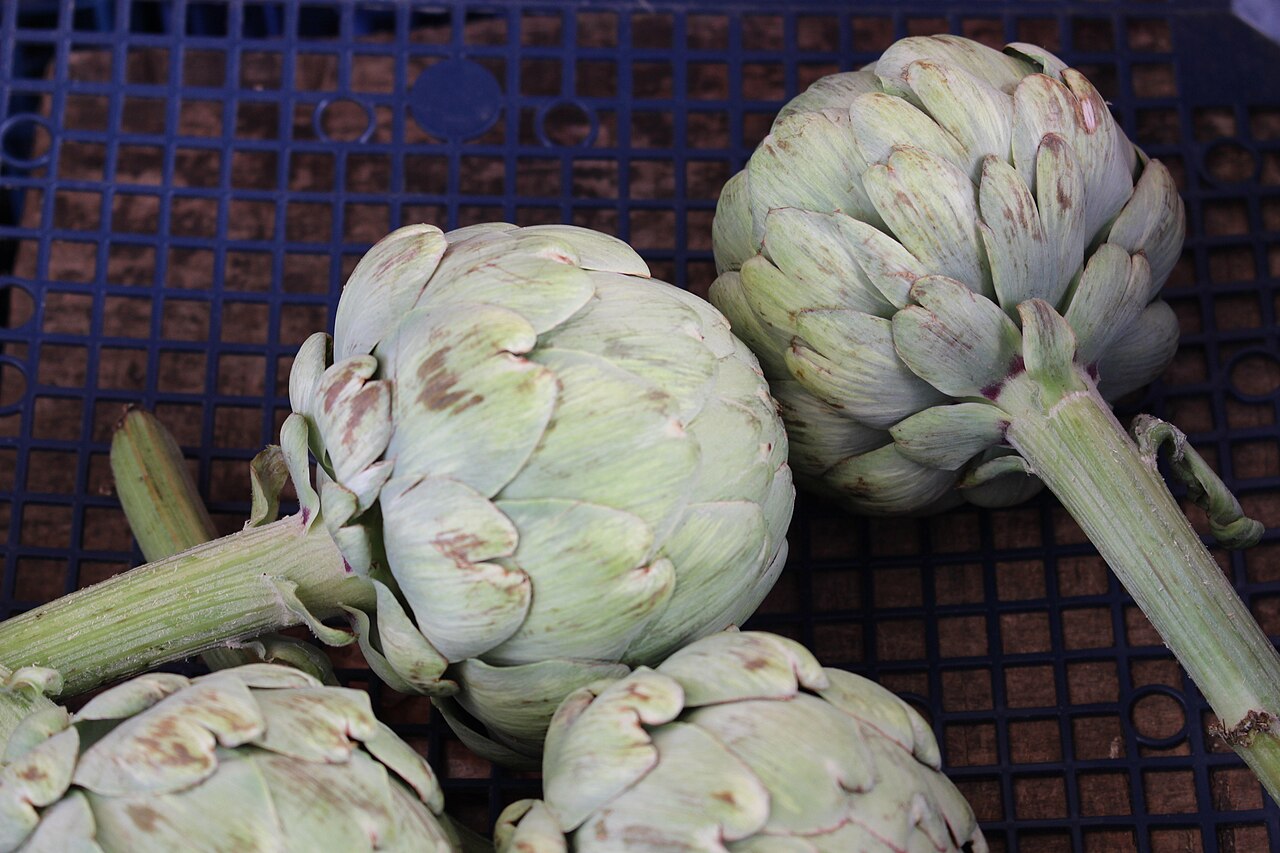
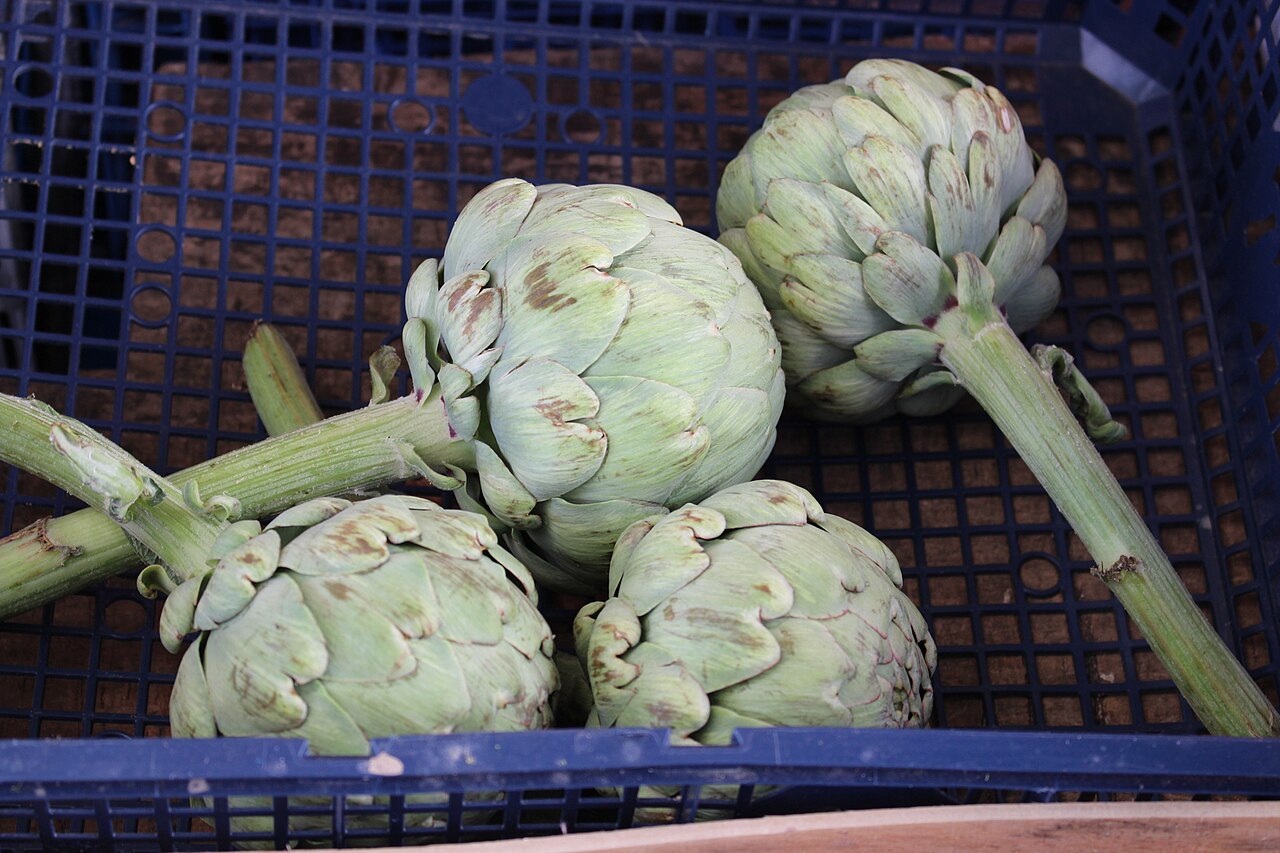
Violetto — the Violetta di Chioggia type, the purple artichoke of the Venetian lagoon — is the artichoke for gardeners who want beauty with their dinner: elongated buds flushed violet-purple, tender hearts, and a flavor that Italian cooks prize for eating young and whole, often raw in salads or fried in the Roman-Jewish style.
Purple buds have a kitchen advantage beyond looks: Violetto buds are traditionally picked smaller and younger than green types, when the choke is barely formed and the whole bud can be eaten with minimal trimming. Less work, more artichoke — a combination any cook appreciates.
If you are new to choosing between cultivars, the Varieties Matter guide explains why the name after the plant matters as much as the plant itself. And if you want the whole clan at a glance, the broader Globe Artichoke guide covers globe artichoke generally.
How to grow
In Florida, globe artichoke is a big, architectural perennial for the northern and central parts of the state and a spectacular cool-season annual farther south. Give it room — this is not a plant for a tight bed — and mulch the crown over winter in the cooler parts of the state. The buds are worth the space: few vegetables feel as much like an occasion.
Grow it like other artichokes: start indoors early, transplant 3–4 feet apart into rich, well-drained soil, and give it a long season. Violetto is a perennial where winters are mild and an annual elsewhere, like Green Globe, but it appreciates a little extra warmth — in cooler climates, give it the sunniest spot you have.
Water & feeding
Artichoke wants deep, regular water and rich soil; it sulks in drought and turns tough and small when dry. Mulch heavily, feed with compost through the growing season, and keep the crown mulched over winter where freezes are expected.
Common problems
Aphids, earwigs, and plume moth are the usual suspects; drainage and airflow matter most in humid air. Violetto’s elongated buds can trap moisture between bracts, so avoid overhead watering late in the day and give plants full sun and space.
Harvest
Harvest young for whole-bud eating — when the bud is 2–3 inches long and the bracts are tight — or let it size up for the classic steamed treatment. Cut with stem attached, and keep picking side buds; the plant produces over a long season if picked regularly.
Nerdy fact: Violetto’s purple color comes from anthocyanins, the same pigments that color blueberries and red cabbage — which means your artichoke is, chemically speaking, wearing the same sunscreen as a berry.
Saving seeds
Violetto — the Violetta di Chioggia type, the purple artichoke of the Venetian lagoon — is the artichoke for gardeners who want beauty with their harvest: violet-tinged buds, tender hearts, and old-world flavor. Do not count on seed to repeat it: artichokes are normally propagated by root cuttings because they do not come true from seed, and seed-grown Violetto plants vary — some triangular and purple like the parent, some rounder and all green. Keep Violetto true with crown divisions or offsets from a plant you already like, and treat seed as a gamble for finding a new good plant, not as a way to copy this one. The full method is in the Saving seeds section of the Globe Artichoke guide.