
🥢 Watanabe Early Burdock
What it looks like
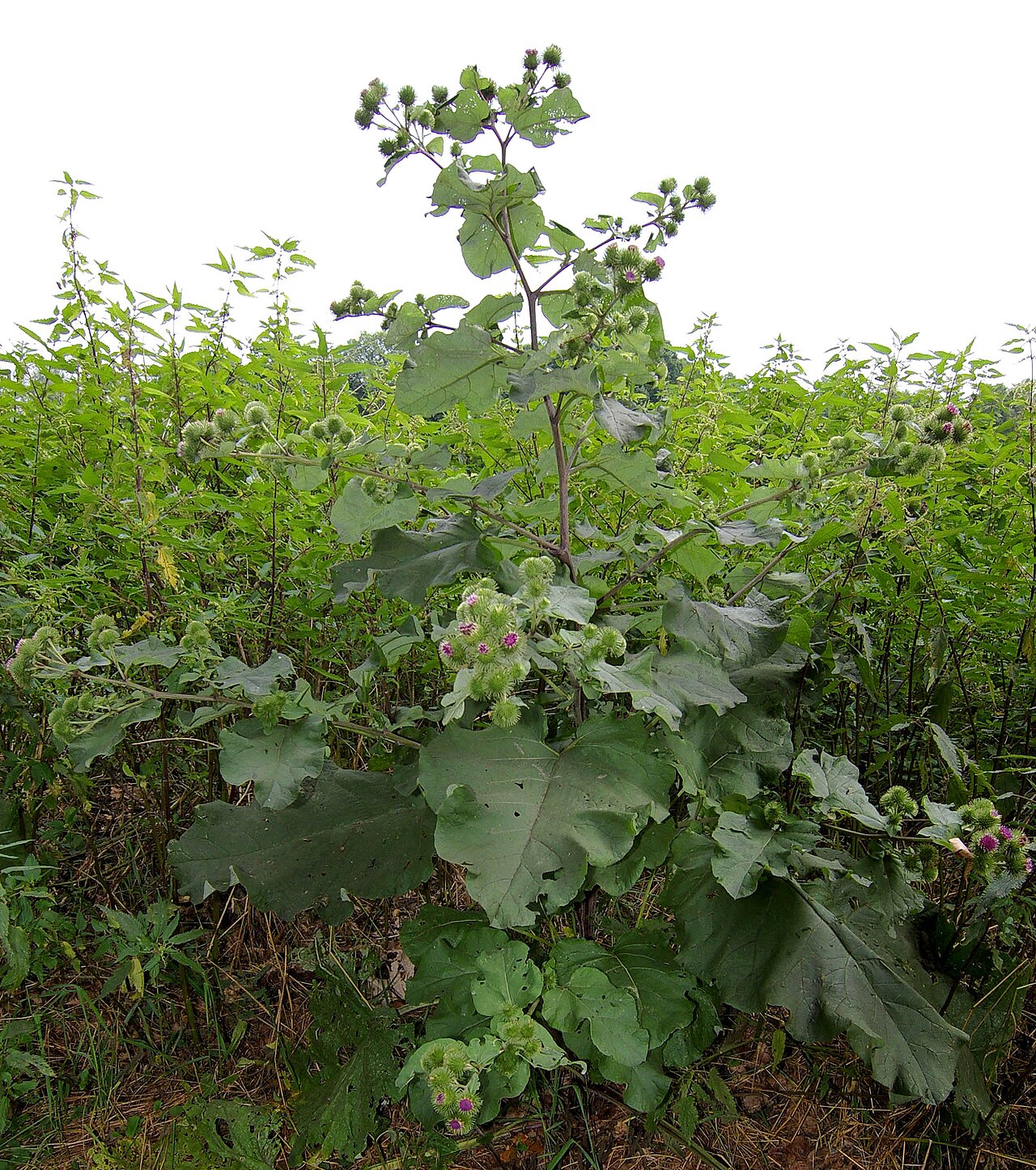
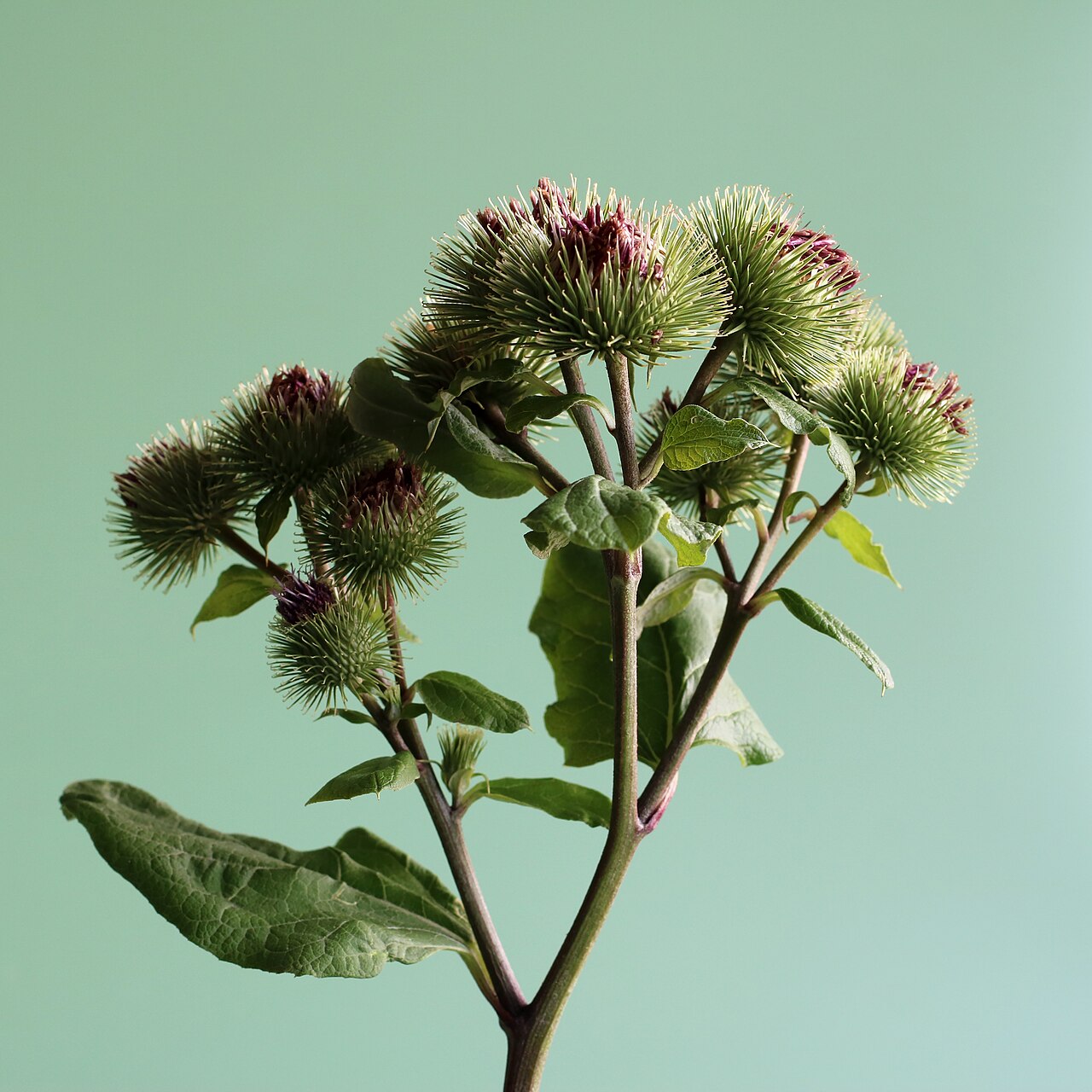
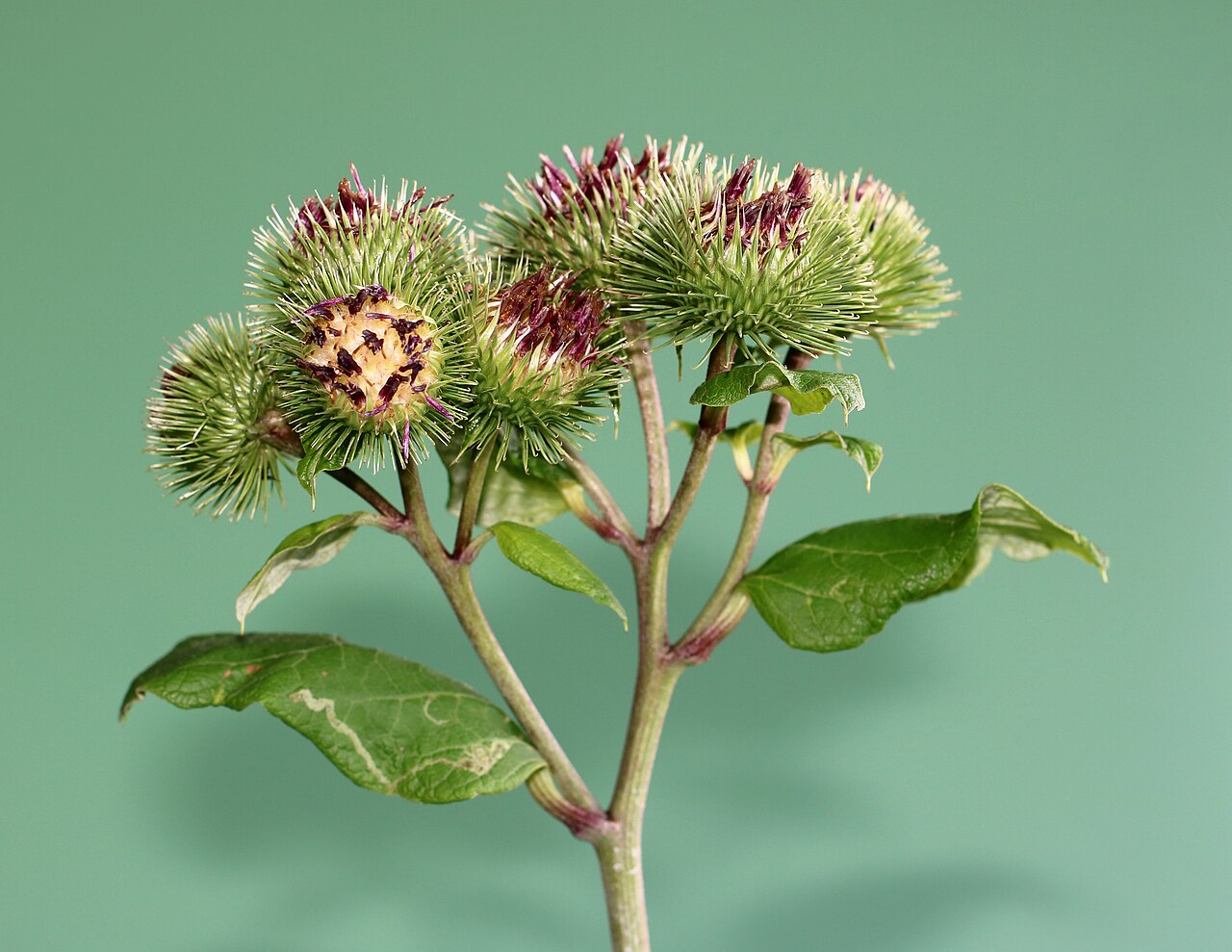
Why this variety
Watanabe Early is the burdock for gardeners who do not want to wait all season: a Kitazawa-listed early variety, maturing in about 110 days and noted as maturing faster than Takinogawa, the standard long gobo. That earliness is a practical advantage in Florida, where the cool season is the growing window and a faster root is a surer root.
The roots are the classic gobo: earthy, mildly sweet, crisp when cooked quickly, perfect julienned for kimpira with carrot, soy, and sesame, or simmered into soups. Watanabe Early’s tenderness when young is its selling point — harvest on time, while roots are still crisp, and the kitchen work is easy.
If you are new to choosing between cultivars, the Varieties Matter guide explains why the name after the plant matters as much as the plant itself. And if you want the whole clan at a glance, the broader Burdock guide covers burdock generally.
How to grow
In Florida, grow Watanabe Early for first-year roots in the cool season, sowing in fall in the north and harvesting before summer heat. This is a north-Florida crop first; in warmer areas it is a winter trial. Give it the deepest, loosest soil you can manage — burdock roots want depth the way teenagers want privacy, and a shallow bed gives you a short, forked root and a lesson.
Direct-sow in deeply worked, stone-free soil, keep moist through germination, and thin to the final spacing. Do not transplant. Harvest in the first year, before the plant bolts in its second year and the root turns woody — first-year roots are the vegetable, second-year plants are the seed source and the burr factory.
Water & feeding
Even, deep watering and mulch keep roots crisp and straight. Dry soil makes burdock roots woody and hard to dig; a loose, moist bed makes harvest a pleasure instead of an excavation. Feed with compost at planting; heavy fertilizer is unnecessary and can push leafy tops.
Common problems
The famous burdock problem is not pests but burrs: let a plant go to seed and you will be picking burrs off everything for a year, and the plant will reseed with enthusiasm. Harvest first-year roots, remove second-year plants before they set seed unless you want seed, and dig roots gently — long roots snap if yanked. In Florida, heat is the other enemy: a root left into summer turns fibrous.
Harvest
Harvest first-year roots in the cool season, digging deep alongside the row and lifting gently. Scrub, peel thinly if you like, and julienne for kimpira or slice for soups — burdock browns when cut, so drop pieces into acidulated water while you work, the same trick as salsify.
Nerdy fact: Burdock burrs inspired Velcro: Swiss engineer George de Mestral, picking burrs off his dog after a walk in 1941, examined the tiny hooks under a microscope and spent years turning that hook-and-loop idea into the fastener we now use everywhere — a weed’s seed dispersal strategy, patented.
Saving seeds
Watanabe Early is the burdock for gardeners who do not want to wait all season: a Kitazawa-listed early variety, maturing in about 110 days and noted as maturing faster than Takinogawa, the standard long gobo — an earliness that is a practical advantage in Florida, where the cool season is the growing window and a faster root is a surer root. Whether saved seed comes true to Watanabe Early is not pinned down: no seed house states open-pollinated versus hybrid for this named variety, and its sibling Takinogawa is sold as an open-pollinated heirloom while Watanabe’s own breeding status is unstated, so the honest answer is that the variety’s status is unconfirmed. Burdock is a biennial — first-year roots are the vegetable, second-year plants are the seed source — so let a few plants bolt in their second year if you want to try saving seed, but buy fresh seed when the early Watanabe root is the point. The full method is in the Saving seeds section of the Burdock guide.