
🦋 Whirling Butterflies Gaura
What it looks like
Why this variety
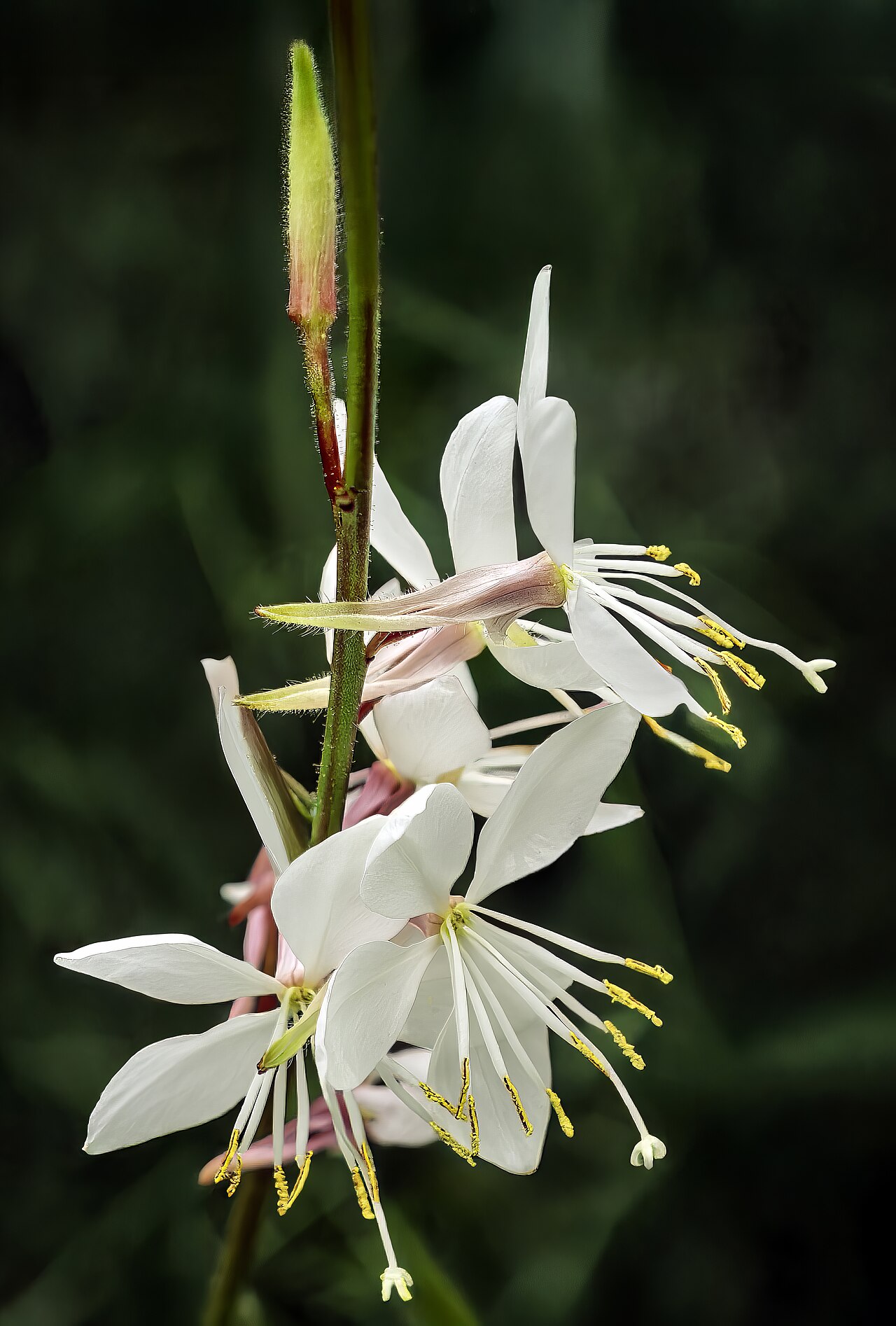
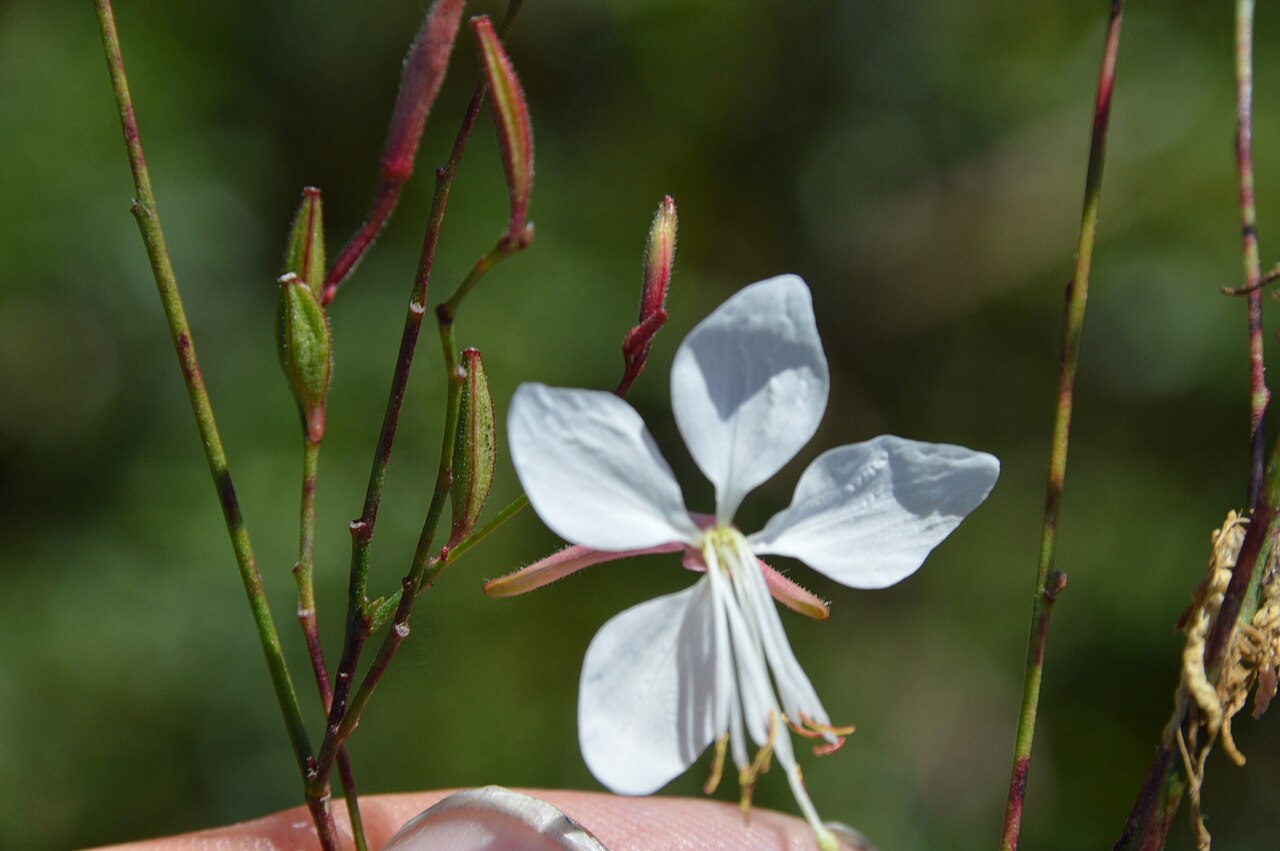
Whirling Butterflies is the gaura that made gaura famous: billowy, 2- to 4-foot plants with wiry stems carrying small, white, four-petaled flowers that look like butterflies hovering, from summer until frost. The flowers dance because the stems are thin and flexible — a breeze sets the whole plant in motion, and a border of Whirling Butterflies in wind looks like a cloud of white butterflies that never lands. It is long-blooming, heat-tolerant, deer-resistant, and beloved by bees and butterflies, all on lean soil and little water.
The trade-off is its habit: gaura is airy, not dense, so it will not fill a hole or hide a fence — it adds movement and sparkle over and through other plants, which means it needs companions, not a solo spot. It also self-seeds freely and can flop in rich, wet soil, so give it sun, sharp drainage, and lean soil, cut back by half in midsummer for a tidier rebloom, and edit seedlings in spring. In return you get the longest, airiest white bloom in the summer border.
If you are new to choosing between cultivars, the Varieties Matter guide explains why the name after the plant matters as much as the plant itself. Whirling Butterflies is a perfect example: it is not just a gaura in the abstract, it is a gaura with a specific job, a specific history, and specific strengths.
Florida honesty: gaura is a genuine statewide plant in Florida — it loves heat, tolerates drought once established, and blooms from summer until frost in full sun. Give it sun and sharp drainage or a raised bed where summer rain ponds, cut back in midsummer for rebloom, and let it self-sow for next year’s drift. It is one of the few perennials that actually prefers a Florida summer to a northern one.
How to grow
Plant in spring in full sun and sharply drained, even lean soil — gaura is a sun-and-drainage plant that rots in rich, wet soil and flops in shade. Work a little worm castings into the bed at planting, do not overfeed it, and space for air and movement: gaura is airy, not dense, and it shines planted through other perennials rather than alone. Cut back by half in midsummer for a tidier rebloom.
Set plants 18-24 inches apart in soil with a pH around 6.0-7.5. Work worm castings into the bed at planting and mulch to hold moisture. A well-fed gaura plant rewards that care directly: steadier growth, better bloom, and a show that actually shows up.
Water & feeding
Water to establish, then water sparingly — gaura is drought-tolerant once established and rots in wet soil. Water at the soil line, do not mulch heavily, and feed lightly: castings at planting is usually enough, because rich soil makes floppy gaura with fewer flowers.
Common problems
- Flopping in rich, wet soil — lean soil and sun make sturdy gaura; overfeeding makes leggy gaura.
- Enthusiastic self-seeding — volunteers appear freely; edit seedlings in spring or welcome the drift.
- Airy habit disappointing as a filler — gaura adds sparkle, not mass; plant it through companions, not alone.
- Rot in wet soil — gaura’s killer in humid climates; plant in sharp drainage or raised beds.
- Short life in wet winters — gaura is short-lived where winters are wet; let it seed for replacements.
Harvest
Cut stems for bouquets from summer into fall, when butterfly flowers are fully open — gaura lasts a few days in water and its airy stems suit loose, wildflower-style arrangements. Cut back by half in midsummer for a tidier rebloom, deadhead lightly or let plants seed for next year’s drift, and divide congested clumps in spring every few years.
Browse all plant & pest guides
Saving seeds
Whirling Butterflies is the gaura that made gaura famous: billowy, 2- to 4-foot plants with wiry stems carrying small, white, four-petaled flowers that look like butterflies hovering, from summer until frost — long-blooming, heat-tolerant, deer-resistant, and beloved by bees and butterflies, all on lean soil and little water. Seed will not repeat it: named gaura cultivars are selected clones, and stem cuttings are the standard commercial method for multiplying ‘Whirling Butterflies’ — seedlings from it are variable and will not reliably carry the form. Keep Whirling Butterflies true with softwood stem cuttings taken in late spring through midsummer, or by division. The full method is in the Saving seeds section of the Gaura guide.