
🌺 White Roselle
What it looks like

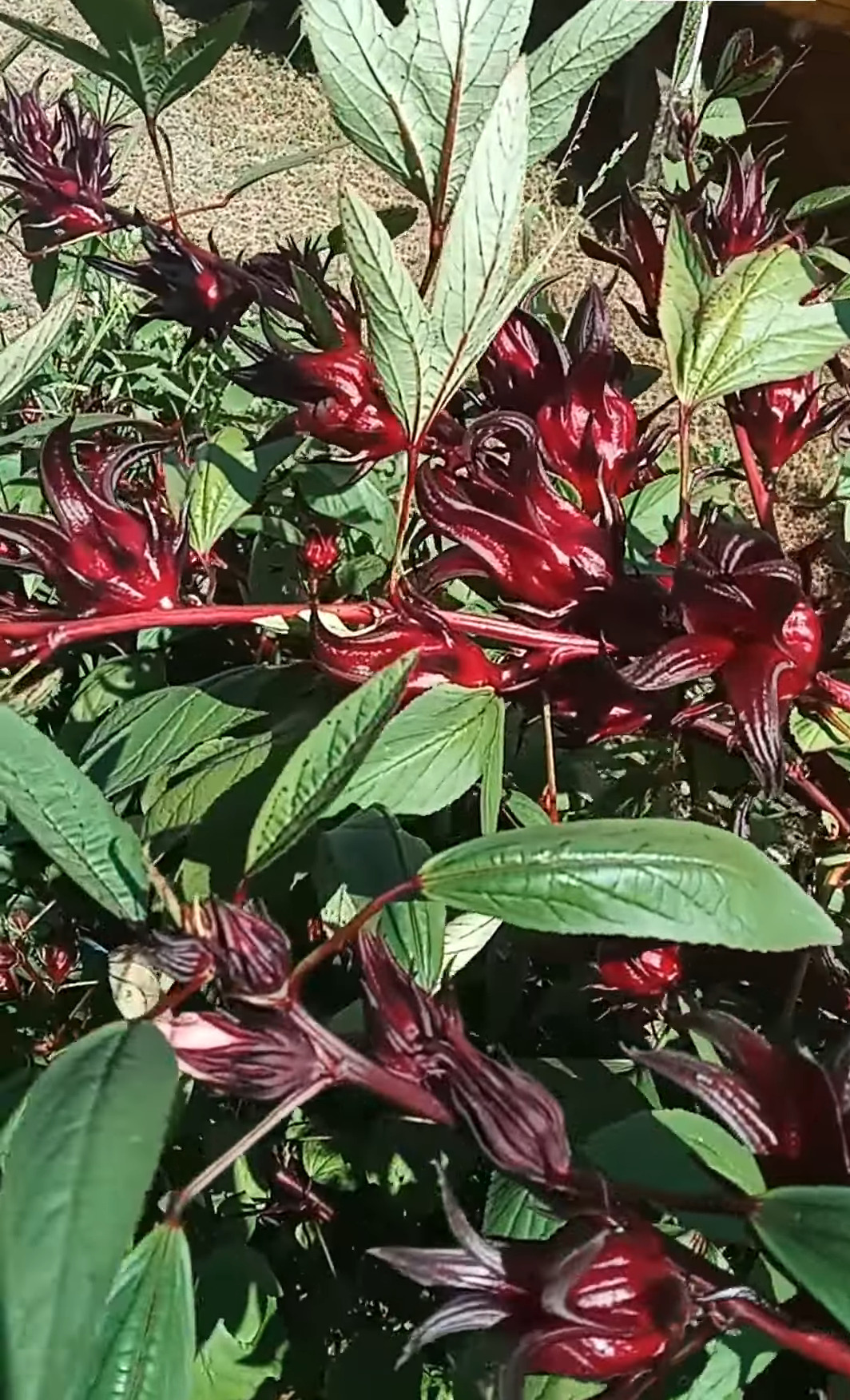
Photos show the species; no verified photo of ‘White Roselle’ itself was found, so these species photos are used with attribution rather than a padded substitute.
Why this variety
Most roselle gardeners grow the red kind, and for good reason — red calyces make the famous tart tea. White roselle is the other roselle: a green form known as white sorrel, with greenish-white calyces that are used more as a vegetable than as a drink. The green calyx is milder and more lemony than the red, cooked into soups, stews, and sauces in West African and Caribbean kitchens, where it is valued for its tart, citrus-like brightness rather than its color. If red roselle is a tea plant, white roselle is a soup plant, and that is a distinction worth a bed.
The plants are a little smaller than red varieties — nursery descriptions put them around four feet, bushy and very productive — which makes white roselle a better fit for a modest garden than the six-foot red types. It is still a tall, bushy tropical hibiscus with maple-like leaves and pale yellow flowers with a dark red eye, and it still needs a long, hot, frost-free season. Grow it alongside red roselle and you get two harvests from one species: red for tea and jam, green for the pot.
For the general picture, start with the Roselle growing guide — this guide covers what makes White Roselle different.
How to grow
Start seed indoors six to eight weeks before last frost, soaking overnight to help germination, and transplant only after nights stay warm — roselle does not tolerate cold at all, and a chilly night sets it back weeks. Plant in full sun and well-drained, fertile soil, thirty-six inches apart, because a mature plant is bushy and wants room. In Florida, direct-sow after frost danger in the warmest, sunniest spot you have, and give it the whole summer: roselle is a long-season plant that looks unremarkable until late summer, when it suddenly starts flowering and fruiting in earnest.
Water steadily and mulch to hold moisture, and feed with compost or worm castings through the season — roselle is not a heavy feeder, but a big bushy plant in sandy soil appreciates steady fertility. Stake tall plants in windy spots, because a roselle loaded with calyces in a thunderstorm is top-heavy. As with red roselle, the calyces swell after flowers fade, and the harvest window is late summer into fall, before the first cold night ends the season.
Water & feeding
Water steadily and mulch to hold moisture — roselle tolerates heat well but stalls in drought, and a stressed plant makes fewer, smaller calyces. Feed modestly with compost or worm castings through the season; a big bushy plant in sandy soil appreciates steady fertility, but excess nitrogen grows leaves at the expense of calyces. Stake tall plants in windy spots, because a roselle loaded with calyces in a thunderstorm is top-heavy.
Common problems
- Frost — one cold night ends the season. Harvest calyces before the first frost and treat plants as annuals in cold zones.
- Aphids and whiteflies on buds — usually minor; blast with water and let beneficial insects handle the rest.
- Leggy growth in shade — grow in full sun for the bushiest plants and the most calyces.
- Short seasons — in cool climates, start early indoors and choose the sunniest spot; calyces need a long, hot summer to ripen.
Harvest
Pick calyces in late summer and fall, when they are plump and just starting to open at the tip — for white roselle, look for pale green, fleshy cups rather than ruby-red ones. Snap them off the stem, peel away the papery outer layer, and use fresh in soups, stews, and sauces, where their lemony tartness brightens rich dishes, or dry them promptly in a warm, airy place for later use. White calyces will not make a red tea, and that is the point: they are a different ingredient from the same plant, and they deserve their own recipes. Leave a few pods to ripen for seed, and save seed for next year’s patch.
Dried calyces keep for months in a jar — pick in a late-season rush, dry promptly in a warm, airy place, and save seed for next year.
Browse all plant & pest guides
Saving seeds
Most roselle gardeners grow the red kind, and for good reason — red calyces make the famous tart tea. White roselle is the other roselle: a green form known as white sorrel, with greenish-white calyces that are used more as a vegetable than as a drink. The green calyx is milder and more lemony than the red, cooked into soups, stews, and sauces in West African and Caribbean kitchens, where it is valued for its tart, citrus-like brightness rather than its color. It is a form of the species, not a hybrid cultivar, so seed saved from it comes true as white roselle. Roselle is largely self-pollinating: let calyces dry on the plant, shell out the seed, and dry it hard before storing — and give it the whole summer, because roselle looks unremarkable until late summer, when it suddenly starts flowering and fruiting in earnest. The full method is in the Saving seeds section of the Roselle guide.