
🥬 Yukina Savoy Tatsoi
What it looks like
Why this variety
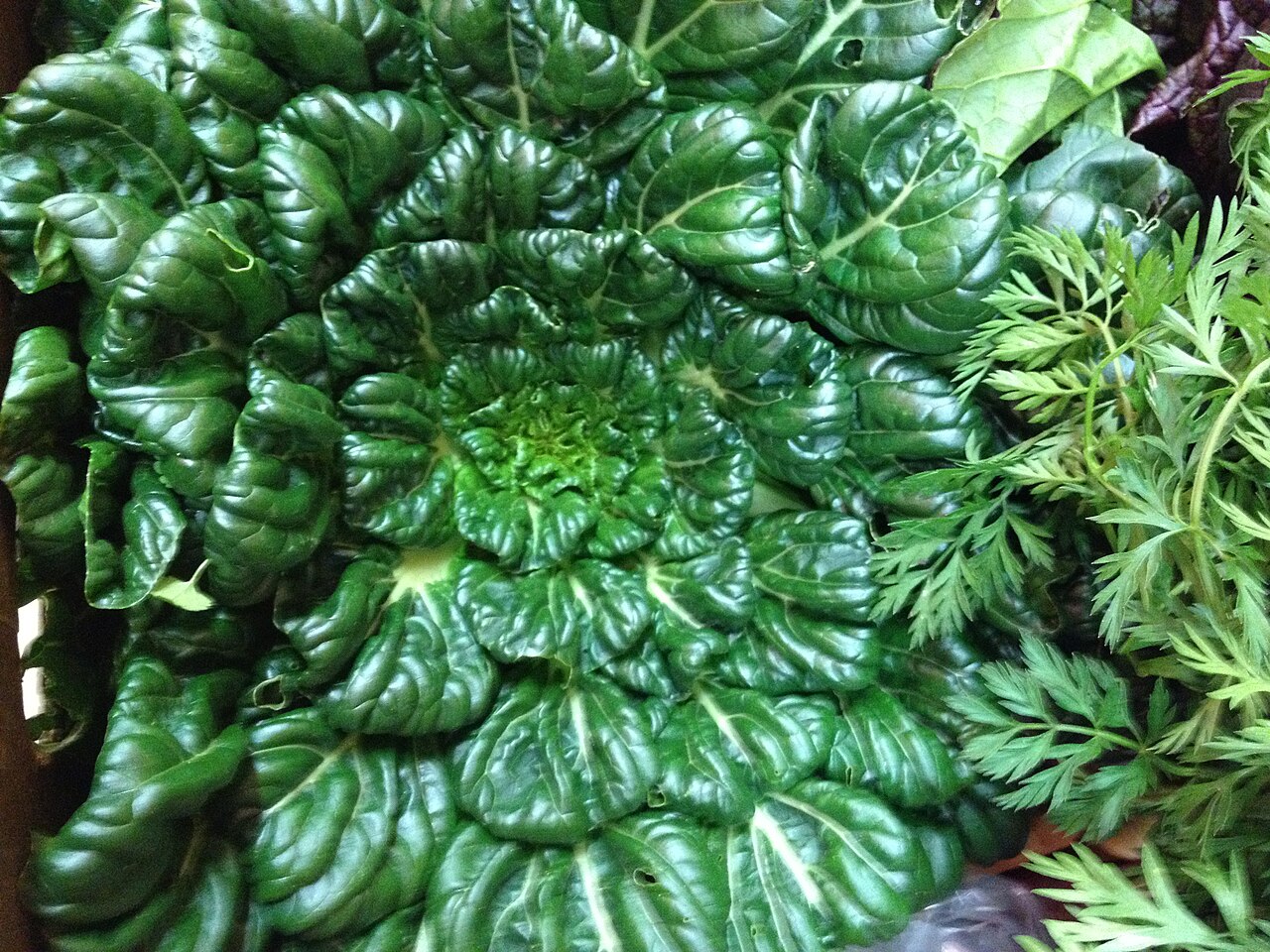
Yukina Savoy is the tatsoi with texture: semi-savoyed, crinkled leaves and thicker, sturdier stems than the smooth types, which makes it the tatsoi that stands up to cooking instead of wilting into nothing. The savoy crinkle is not just looks — crinkled leaves trap dressing in salads and hold their shape in soups and stir-fries, so a Yukina Savoy leaf eats like a leaf with opinions.
It is also a forgiving tatsoi for a first attempt at Asian greens: it grows steadily in cool weather, tolerates a light frost, and gives you both tender young leaves for salads and full rosettes for cooking from the same planting. If smooth tatsoi feels a little too delicate for your kitchen, Yukina Savoy is the sturdier cousin that talks you back in. The thicker stems are the giveaway in the kitchen: they stay crisp in a stir-fry while smooth leaves wilt, so a Yukina Savoy stir-fry has texture as well as flavor, and texture is what turns a side dish into a dish people ask about.
If you are new to choosing between cultivars, the Varieties Matter guide explains why the name after the plant matters as much as the plant itself. And if you want the whole clan at a glance, the broader Tatsoi guide covers tatsoi generally.
How to grow
In Florida, tatsoi is a fall-through-spring green that laughs at a light frost and bolts at the first serious warm spell, which makes timing the whole crop. Sow from fall into winter, harvest rosettes young and often, and succession-sow every few weeks so a warm snap costs you one sowing, not the season. Its spoon-shaped leaves are mild, mustardy, and tender enough for salads raw, which is more than most brassicas can claim.
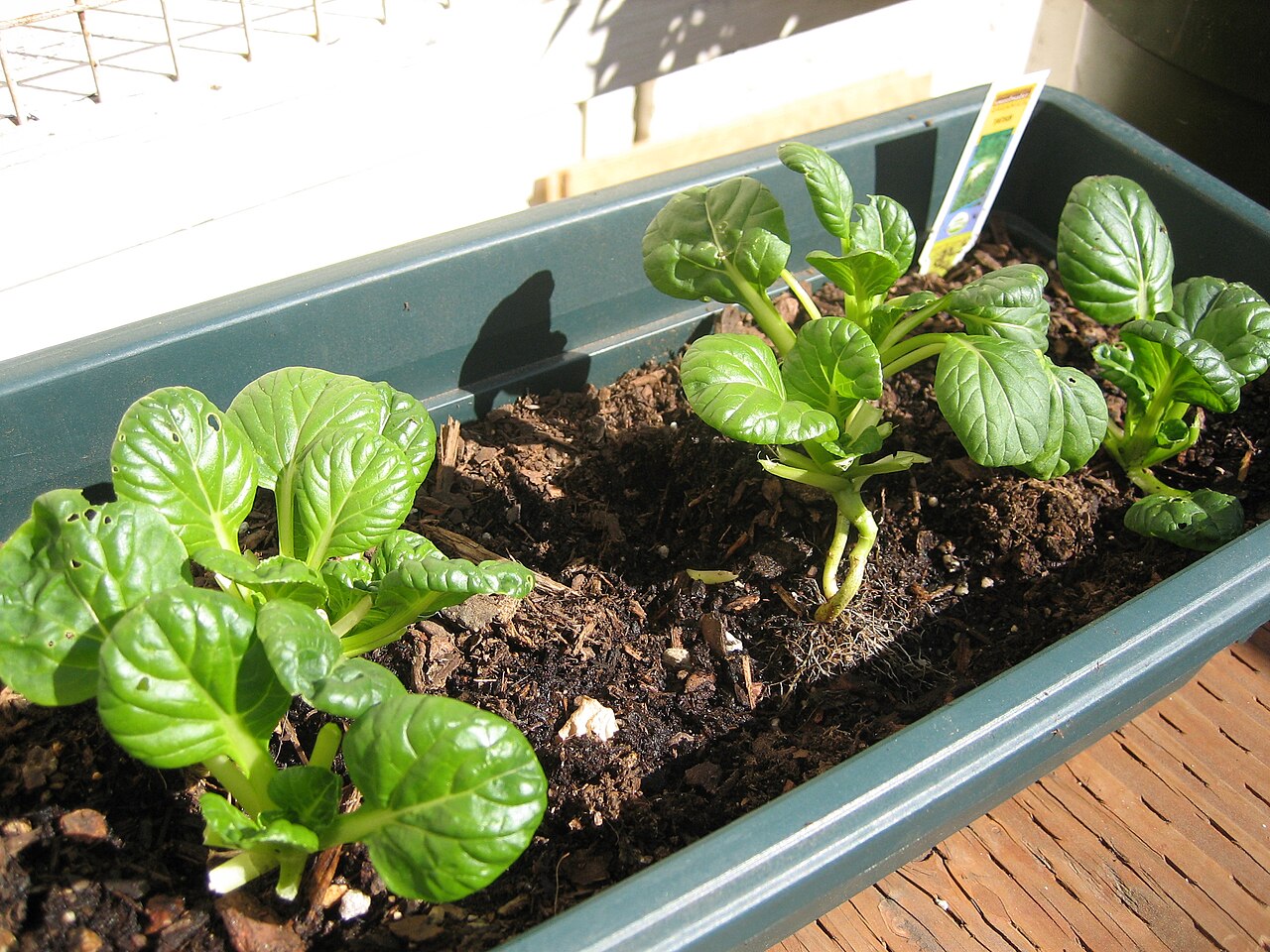
Grow it like other tatsois but give it a little more room — 8 inches apart — so the savoyed rosettes can spread. Sow in fall through early spring in rich, moist soil, keep the water steady, and succession-sow through the cool season. A spring sowing that bolts is not a failure, it is a lesson in timing, and the fall sowing will forgive you.
Water & feeding
Tatsoi grows fast and drinks steadily. Keep the soil evenly moist, mulch to hold that moisture, and feed with compost at planting and again halfway to harvest. Dry soil plus heat is the recipe for bolting, so water before the leaves wilt, not after.
Common problems
Flea beetles, slugs, and aphids are the usual brassica visitors; row cover and a check of the rosette heart handle most of it. The crinkled leaves hide aphids well, so look closely. Heat is the other threat — a warm spell pushes even a sturdy tatsoi to bolt, so plant Yukina Savoy for fall and winter, not midsummer.
Harvest
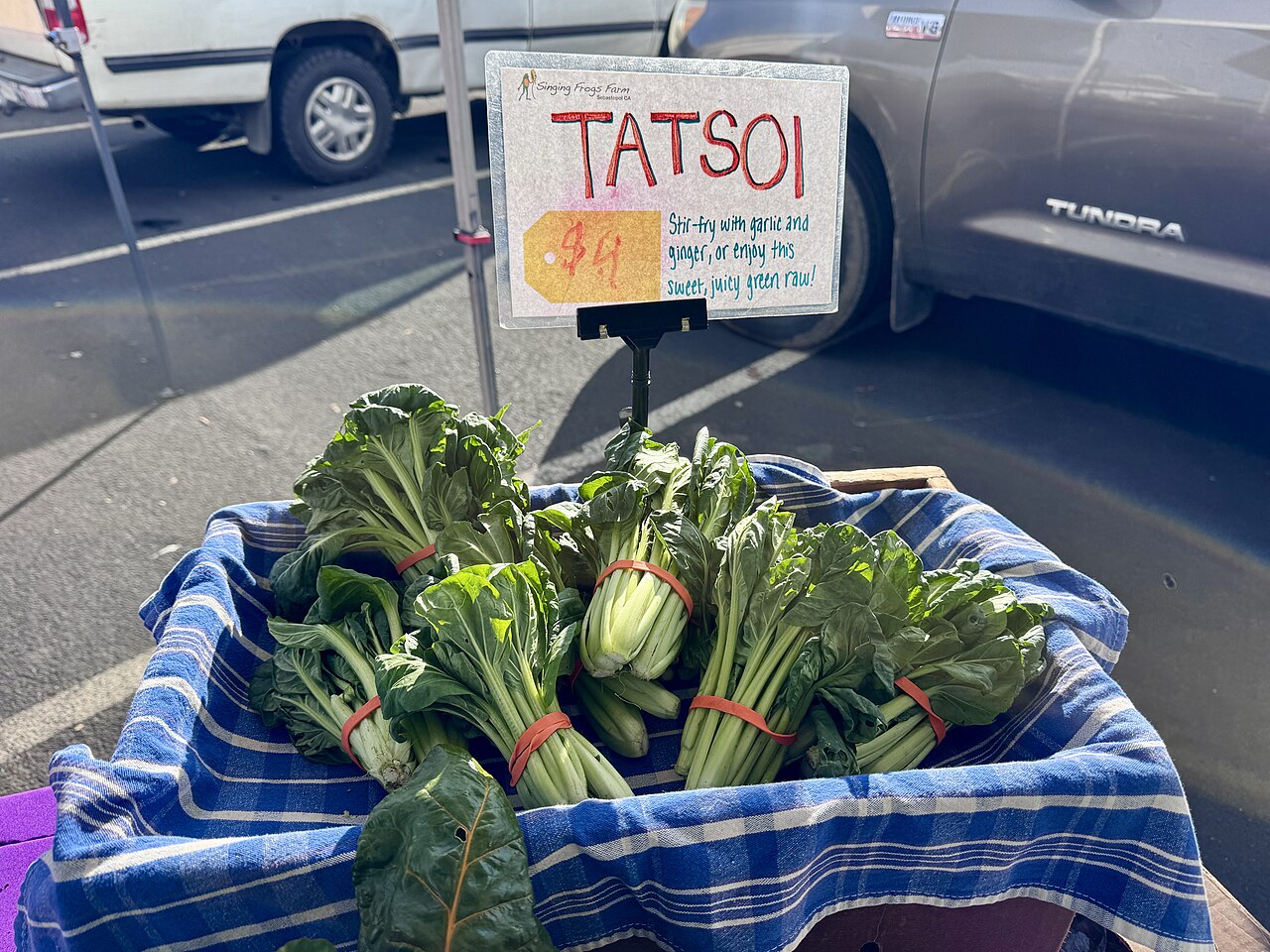
Harvest leaves as needed once they are a hand high, or cut the whole rosette when it is full. Young leaves are tender enough for salads raw; mature savoyed leaves are best cooked, where the crinkle softens into a silky, substantial green that holds up to garlic, ginger, and a hot pan.
Nerdy fact: Savoying — the crinkled leaf surface — is a trick brassicas use to pack more leaf into the same rosette, and it is why savoy cabbages and savoyed tatsois feel more substantial than their smooth cousins: same footprint, more leaf, and a texture that catches sauce instead of shedding it.
Saving seeds
Yukina Savoy is the tatsoi with texture: semi-savoyed, crinkled leaves and thicker, sturdier stems than the smooth types, which makes it the tatsoi that stands up to cooking instead of wilting into nothing. The savoy crinkle is not just looks — crinkled leaves trap dressing in salads and hold their shape in soups and stir-fries, so a Yukina Savoy leaf eats like a leaf with opinions. It is also a forgiving tatsoi for a first attempt at Asian greens: it grows steadily in cool weather, tolerates a light frost, and gives you both tender young leaves for salads and full rosettes for cooking from the same planting. If smooth tatsoi feels a little too delicate for your kitchen, Yukina Savoy is the sturdier cousin that talks you back in. It is open-pollinated — Pam Dawling of Sustainable Market Farming notes “In our experience, OP Yukina Savoy is more cold-hardy and bolt-resistant than hybrid Koji. Koji is an F1 hybrid tatsoi” sold to replace it — so seed saved from Yukina Savoy comes true. Tatsoi is a Brassica rapa, insect-pollinated and outcrossing, so isolate flowering plants from other flowering rapa types — turnips, bok choy, Chinese cabbage, field mustard — or cage them. The full method is in the Saving seeds section of the Tatsoi guide.