
🎨 Joseph’s Coat
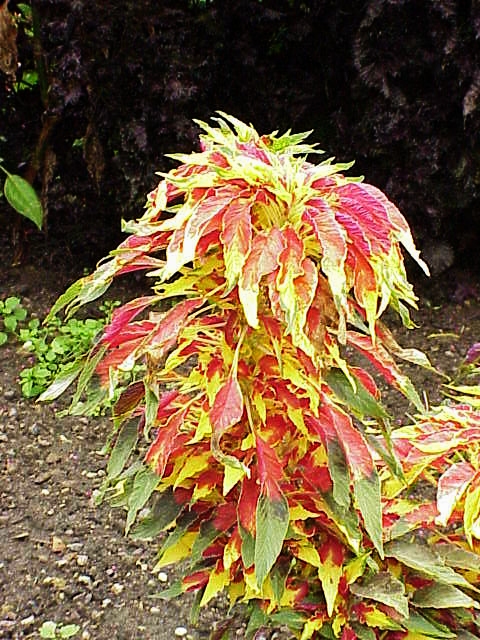
What it looks like
Quick facts
- Sun: Full sun (6+ hours); color is boldest in sun
- Soil: Average, well-drained garden soil; tolerates poor soil, dislikes waterlogging
- Spacing: 12 to 18 inches apart
- Height: 2 to 4 feet
- Life cycle: Warm-season annual, frost-tender
- Bloom: Small, bristly flower clusters in summer; grown for foliage, not flowers
- Florida: Grown statewide as a warm-season annual; loves Florida heat and humidity
First, the fact that confuses everyone — stated plainly
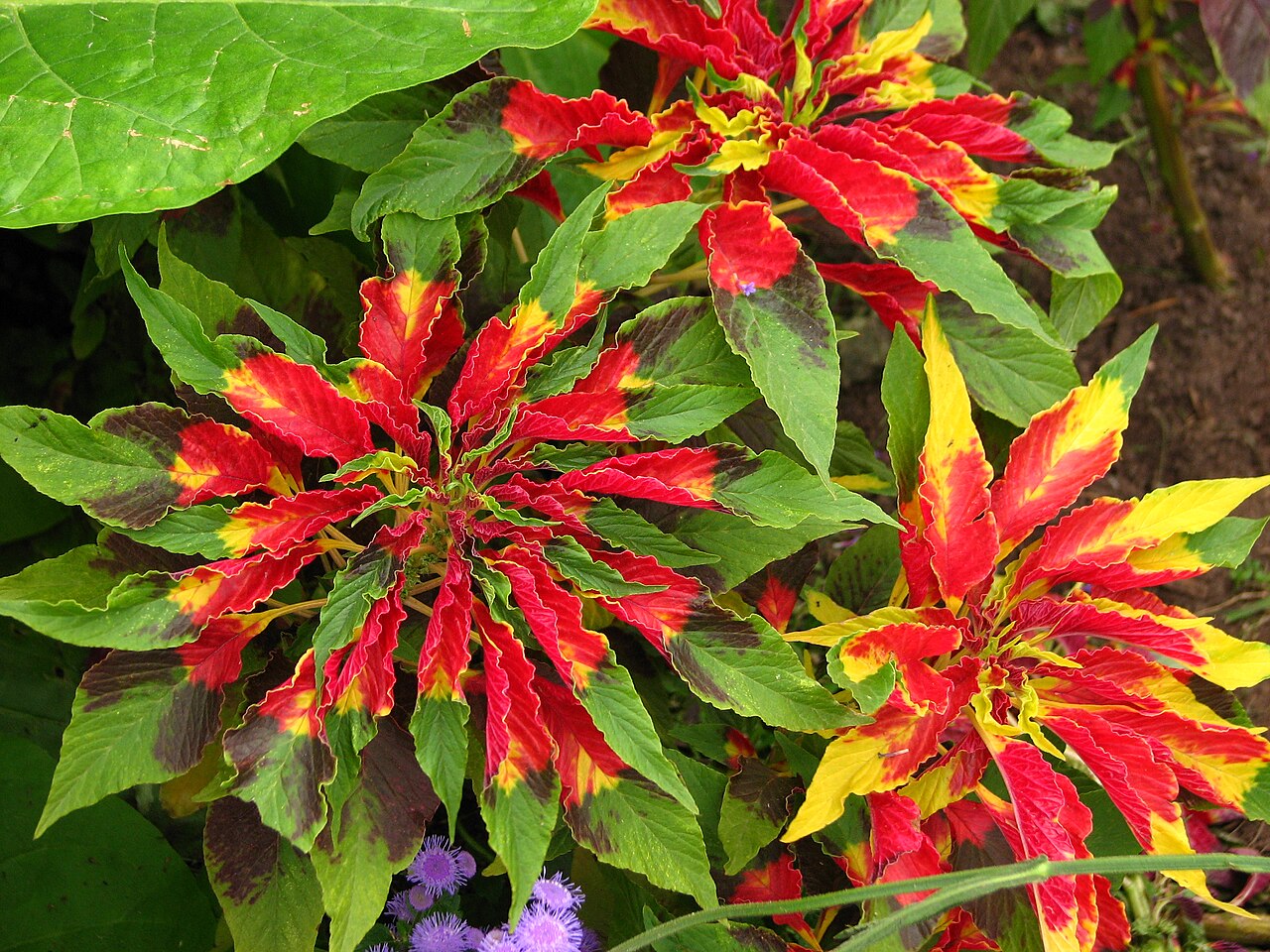
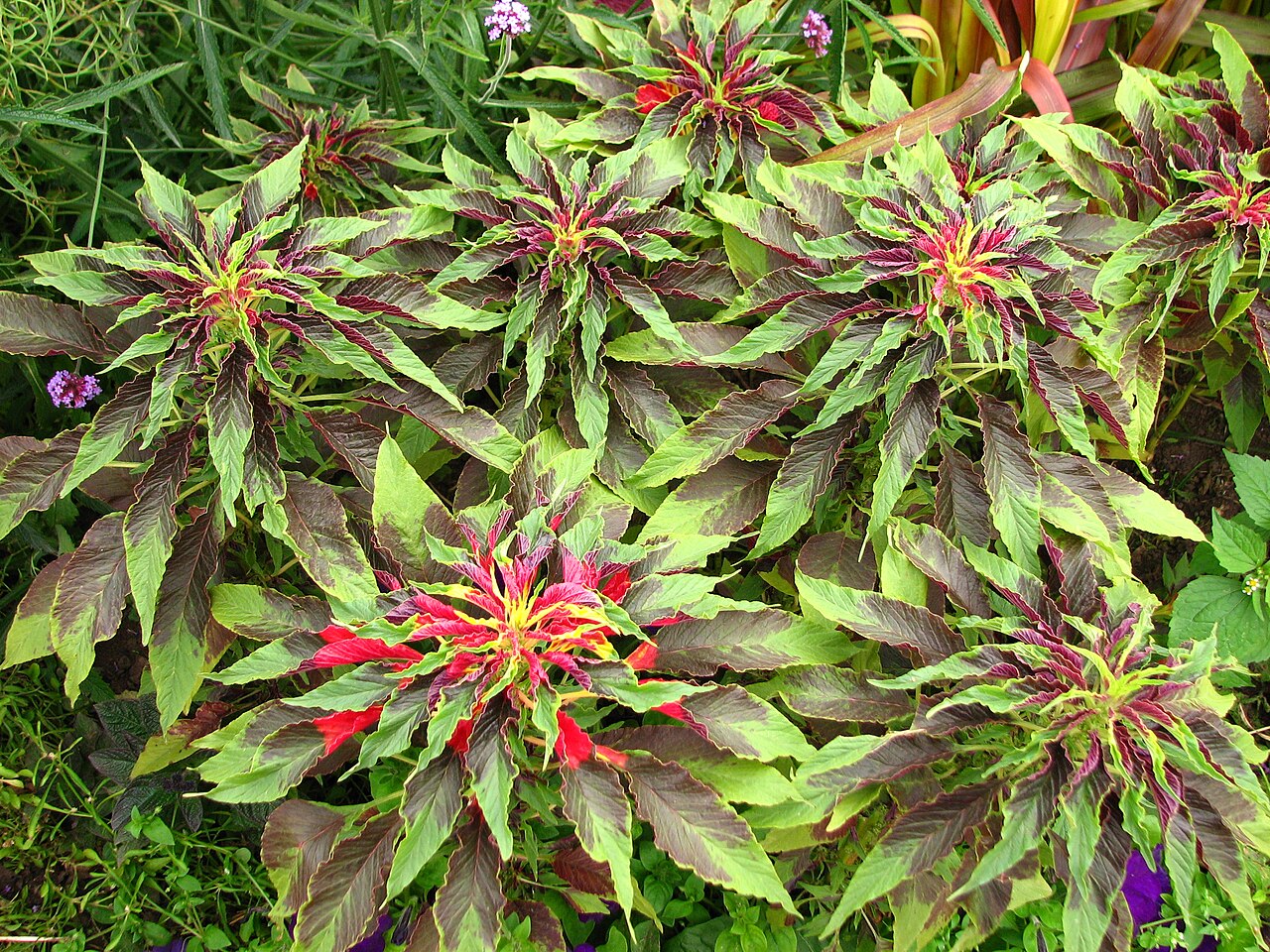
Joseph’s coat is Amaranthus tricolor. Vegetable amaranth is also Amaranthus tricolor. Same species. Not a close cousin, not a lookalike — the same plant, grown for different reasons. The ornamental forms are selected for foliage color: leaves splashed and banded in red, yellow, orange, purple, and green, often with the upper leaves a different color from the lower ones, so one plant looks like a sunset gradient. The vegetable forms are selected for leaf yield and tenderness. Both are edible — the leaves of ornamental forms are edible too, though they are usually tougher and less choice than a vegetable selection — but this guide is about the ornamental job, and the vegetable job has its own guide.
If you want the eating side in full, see the Vegetable Amaranth guide, which covers the leaf crop properly. What follows here is the showpiece: how to grow Joseph’s coat for color, which forms to look for, and how to keep it looking like a painting instead of a weed — because, honestly, it is related to pigweed, and it knows it.
The name comes from the biblical Joseph’s coat of many colors, and it fits: a well-grown plant in midsummer carries half a dozen colors at once. Common ornamental selections include ‘Perfecta’, ‘Illumination’, ‘Splendens’, and ‘Early Splendor’ (named in Missouri Extension’s amaranth roundup), plus ‘Molten Fire’, an all-red terminal-leaved selection said to have been introduced by Luther Burbank. The flowers, small reddish bristly clusters in the leaf axils, are an afterthought — the leaves are the show, and they are the show from early summer until frost.
Growing Joseph’s coat in Florida
Florida is, for once, exactly what this plant wants. Joseph’s coat is a warm-season annual that thrives in heat and humidity, grows fast, and colors up best in full sun. Start seed indoors a few weeks before the last frost in North Florida, or direct-sow after frost danger has passed; in Central and South Florida, sow in spring for a long summer show, and sow again in late summer for a fall round. Seeds are tiny — sow shallowly, barely covered, in warm soil — and seedlings grow fast once the heat arrives.
Give it full sun and average, well-drained soil. Rich soil grows bigger plants, but Joseph’s coat tolerates poor soil cheerfully, which is part of its charm; what it will not forgive is waterlogging. Space plants 12 to 18 inches apart so air moves between them, mulch to hold moisture, and water through dry spells — drought-stressed plants color up but stay small, and the goal here is big and colorful. A top-dressing of compost or worm castings at planting, and a light side-dressing midseason, is plenty; heavy nitrogen pushes leafy growth at the expense of the color contrasts that make the plant worth growing.
Pinch young plants once to encourage branching, and deadhead or pinch off the seed heads if you do not want self-sown volunteers next year — Joseph’s coat seeds freely, and in Florida it will happily volunteer. That is either free plants or a weeding chore, depending on your garden philosophy; rogue seedlings are easy to pull while small and easy to identify by their coloring.
Design notes and problems
Use Joseph’s coat where you need a jolt of color that does not depend on flowers: a bedding edge, a container thriller, a gap in a summer border, a row along a path where its colors stop foot traffic. It pairs beautifully with dark foliage (sweet potato vine, purple basil) and with the hot colors of zinnias and marigolds. It is not a refined plant — one old extension description calls it gaudy, and means it as a compliment — so give it an informal setting and let it be loud.
Problems are few: aphids and leaf-chewing caterpillars sometimes visit, and fungal leaf spots can appear in very wet weather. Good spacing and morning watering handle most of it. The main caution is the pigweed connection — amaranths cross and self-sow readily, so do not let it seed into a vegetable bed where you are trying to keep varieties pure, and do not let it naturalize near natural areas. In the garden, it is a guest; keep it that way.
Where this guide came from
Joseph’s coat is one of the ornamental amaranths surveyed in the group guide. See also the Ornamental Amaranth guide, which surveys the whole group this plant belongs to.
Saving seeds
Joseph’s coat is a seed plant, first and foremost — a warm-season annual that practically saves its own seed if you let it. This is the same species as vegetable amaranth, and like its vegetable cousins it flowers in summer, sets thousands of tiny black seeds, and scatters them with enthusiasm. If you let a few plants go to seed, you will have next year’s patch sorted before this year’s plants have even finished blooming, and probably a few volunteers you did not plan on.
Pick a few strong, colorful plants to be your seed parents — the ones whose red, yellow, and green splashes you would most like to see again — and let their bristly flower clusters mature undisturbed. When the flower heads have turned dry and brown and the tiny seeds shake free easily, cut the heads into a paper bag and let them finish drying indoors for a week. Rub the dried heads between your palms over a tray to free the seed, then winnow away the chaff with a gentle breeze. The seed is small, black, and shiny, so work over white paper where you can see what you are doing.
Dry the seed thoroughly before it goes anywhere near a closed container. In Florida humidity, this is not optional — spread it thin on paper in a dry room until it feels hard and completely dry, then store it in a labeled paper envelope or an airtight jar with a desiccant packet, cool and dark. Seed stored damp in our humidity will mold in the jar. Amaranth seed keeps well for a few years under those conditions, with germination fading gradually, so sow the oldest packets first and sow a little thickly from older seed.
Sow after all frost danger has passed, in warm soil — Joseph’s coat loves Florida heat and sulks in cool weather. Surface-sow or barely cover the seed, because light aids germination, and keep the mix evenly moist until sprouts appear, which usually takes about a week in warm soil. Thin or transplant to 12–18 inches apart once seedlings are sturdy. In Florida you can direct-sow where the plants will grow, or start them indoors a few weeks early for a head start; either way, give them full sun, because the foliage color is boldest in bright light.
Two honesty notes before you fill the seed rack. First, named varieties will not come perfectly true from seed — seedlings shuffle the red, yellow, and green patterning, so each plant is a slightly different painting. That is half the charm for a plant grown for foliage, but if one particular plant is a showstopper you want to clone exactly, take stem cuttings: snip a 4-inch tip, strip the lower leaves, and root it in water or moist mix, where it usually strikes within a week or two. Second, this plant self-seeds freely, so if you do not want volunteers everywhere next spring, cut the seed heads off before they shatter — or embrace the chaos and let them fill the gaps, thinning the extras once you can see which colors came up.
Varieties
Every named variety of Joseph’s Coat with its own growing guide:
- Molten Fire Joseph's Coat — The all-red Joseph's coat: intensely hot-pink to cherry new growth aging to deep red and purple — a compact firework, not a pastel.
- Illumination Joseph's Coat — The sunset-gradient Joseph's coat: newest leaves yellow, aging through copper-orange and hot pink to dark purple-green — no two plants exactly alike.
- Aurora Joseph's Coat — The golden Joseph's coat: clear yellow foliage that glows against green neighbors — the Joseph's coat for gardeners who want light, not fire.