
🌳 European Hornbeam
What it looks like

Quick facts
- Sun: Full sun to part shade
- Soil: Moist, well-drained loam or clay; tolerates a wide pH range, from acidic to alkaline
- Spacing: 15–25 feet apart as trees; 18–24 inches apart for a dense hedge
- Mature size: Typically 40–60 feet tall and 30–40 feet wide as a tree; hedge height is whatever you clip it to
- Zones: USDA zones 4–8 (Virginia Tech lists 5–7 for landscape use)
- Florida: North Florida trial only — a cool-temperate tree, not a statewide Florida tree; see the honest Florida note below
What it is
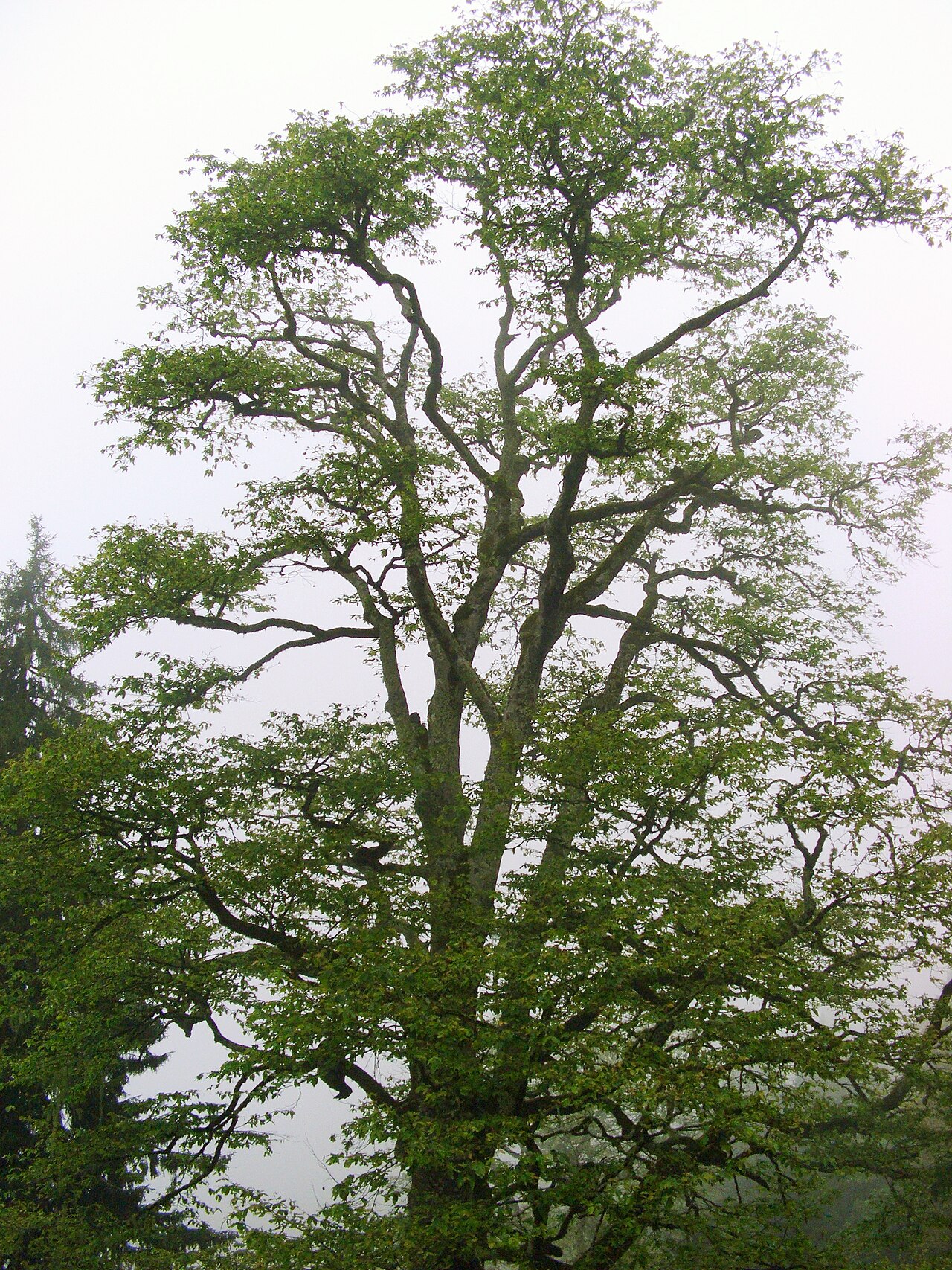
European hornbeam is one of those trees that landscape designers reach for when they want a tree to behave like architecture. Carpinus betulus is a deciduous tree native to Europe and western Asia, with deeply pleated, oval leaves that look like they were pressed with a crimping iron, smooth grey bark that develops a sinewy, muscle-like fluting with age, and dangling clusters of winged nutlets in autumn. In spring it leafs out a fresh, almost luminous green; in autumn it turns gold, orange, and red.
The name “hornbeam” is a clue to its wood: horn-hard, beam-strong timber that was historically used for tool handles, cogs, and anything that needed to take a beating without splitting. The tree itself is equally workmanlike — tolerant of clay, pollution, wind, and urban compaction, and famously tolerant of pruning. Left alone it becomes a broad, rounded shade tree; clipped once or twice a year it becomes a dense hedge that holds some of its brown leaves through winter, giving a semi-evergreen screen in a cold climate. That hedge habit is its superpower and the reason it lines so many European gardens and estates.
How to grow
Plant in autumn or spring in full sun to part shade, in soil that is moist but well-drained. Hornbeam is unusually soil-tolerant for a big tree — it handles clay, loam, and sand, and a wide pH range — but it draws the line at waterlogged ground, where roots suffocate. Water deeply through the first two growing seasons, mulch the root zone, and then mostly leave it alone: established trees are moderately drought-tolerant and need little feeding beyond a spring mulch of compost.
For a hedge, plant young whips close together and prune to shape from the start; hornbeam branches low and fills in fast if you clip it while it is young. The classic hedge schedule is a cut in midsummer and a tidy-up in late winter, which keeps it dense rather than leggy. For a tree form, remove only crossing or damaged branches — the natural shape is handsome without much intervention, and over-pruning a mature hornbeam just buys you a decade of watersprouts.
Water & feeding
Young trees need steady water; mature trees are forgiving. A deep soak during a dry summer beats a daily sprinkle, and a compost mulch in spring feeds the soil biology that feeds the tree — which, if you have been reading this site for any length of time, you already know is the whole point. Do not fertilize a stressed, newly planted tree into growth it cannot support; water and patience are the fertilizer in year one.
Common problems
European hornbeam is notably pest- and disease-light compared with many shade trees, which is part of its appeal. Occasional leaf-feeding insects may nibble, and stressed trees in wet soil can develop root problems, but there is no single headline disease to dread the way some trees carry one. Its main “problem” is size: people plant a hedge plant and forget it wants to be a 50-foot tree, so site it where a big tree is welcome, not under power lines or against a foundation.
Seasonal interest
Spring brings catkins and fresh pleated leaves; summer gives deep, cool shade; autumn turns the canopy gold and russet; winter shows off the fluted grey bark and, on hedges, a rustling screen of held brown leaves. It is a four-season tree in the truest sense — not because any one season is spectacular, but because no season is empty.
The honest Florida note
European hornbeam is a cool-temperate tree, and Florida’s heat is the limiting factor. Even the generous zone 8 top end of its range does not translate to reliable performance in Florida’s long, humid summers and warm winters, and the more conservative zone 5–7 listing is the honest guide. Treat it as a north Florida trial plant in the coolest microclimate you have, with moist, well-drained soil and afternoon shade, and never as a statewide recommendation. If you want hornbeam character in Florida, look first at the native American hornbeam relatives and other heat-adapted shade trees — and enjoy this one as a reference for what a great hedge tree looks like where it belongs.
Nerdy fact: beam wood is so hard and dense that it was once used for the wooden screws in wine presses and the cogs in mill machinery — parts that had to grind against each other for years without wearing out. A tree whose wood outlasted iron in some machines is a tree that takes pruning personally, and not at all: it just grows back.
Where it fits in the Living Root guides
This plant is also covered in our survey guide to the wider group — see Hornbeam: Growing Guide for how it compares with its relatives. Browse all the plant guides in the Plant Guides index.
Saving seeds
European hornbeam seed is a lesson in patience wearing a three-lobed wing. The nutlets hang in dangling clusters through autumn, each small nut tucked at the base of a leafy bract that catches the wind like a tiny sail, and the moment to collect them is when the clusters turn brown and start to break apart. Gather on a dry day, rub the clusters gently to free the nutlets, and winnow away the papery bracts. Leave plenty of clusters on the tree, because finches, tits, and small mammals eat these seeds all winter, and a hedge that feeds birds is doing double duty.
The first rule is the one most people break: do not let fresh hornbeam seed dry out and sit on a shelf while you get around to it. Fresh seed that dries hard can fall into a dormancy so deep that germination stretches to two or three years, which is how a promising seed project becomes a pot of dirt you eventually throw away in disgust. There is a shortcut the old growers knew: collect seed while it is still slightly green, after it is ripe but before it has dried fully on the tree, and sow it immediately outdoors, and it will often germinate the following spring, skipping the worst of the wait. If you miss that window, you are in for the full treatment, and the full treatment is a two-act play.
Hornbeam seed has double dormancy, meaning both the seed coat and the embryo need convincing, and the standard method is warm, moist stratification followed by cold, moist stratification. Mix the nutlets with damp sand or vermiculite and hold them warm, around room temperature, for several weeks, then move them to the fridge for a cold spell. Sources differ on the exact split, one reference giving about four weeks warm and twelve weeks cold, another giving eight to twelve weeks at each stage, so treat the calendar as a range, not a recipe: warm until the seed has had a proper autumn, cold until it has had a proper winter, and check the mix monthly so it stays damp but never soggy or moldy. Then sow about one to two centimeters deep in a cold frame or sheltered seedbed, keep the mix evenly moist, and wait. Germination is uneven by nature, often taking up to eighteen months even from well-treated seed, and average viability is reported around two-thirds, so sow generously and keep the pots for a second season before declaring defeat.
Grow seedlings on for two years in the seedbed before planting out, and understand what you are signing up for. Named hornbeam forms, the fastigiate and weeping and purple-leaved selections, do not come true from seed; seedlings are the species, variable and upright in their own way, which is perfect for a hedge or a woodland tree and useless if you wanted a clone. Trees grown from seed also take a long time to join the seed-making club themselves, on the order of ten to twenty years, so a hornbeam you raise from a nutlet is a gift to a future gardener as much as to yourself. The Florida note is brief and honest: this is a cool-temperate tree, and seed saving here is a project for cooler climates or for a Florida gardener mailing seed to a friend who actually gets winter. In Florida humidity, dry any seed thoroughly before storage, keep it airtight with desiccant in the fridge, and never store fresh hornbeam seed dry at room temperature and expect it to wake up.
Varieties
Every named variety of European Hornbeam with its own growing guide:
- Fastigiata European Hornbeam — The street-tree column: fastigiate when young, broadening with age, 30–40 feet tall and built for city streets.
- Frans Fontaine European Hornbeam — The narrower column: the fastigiate form that holds its narrow shape longer than Fastigiata.
- Pendula European Hornbeam — The weeping umbrella: grafted branches that cascade downward into a broad, shady crown — height set by the graft.