
🌺 Allamanda
What it looks like

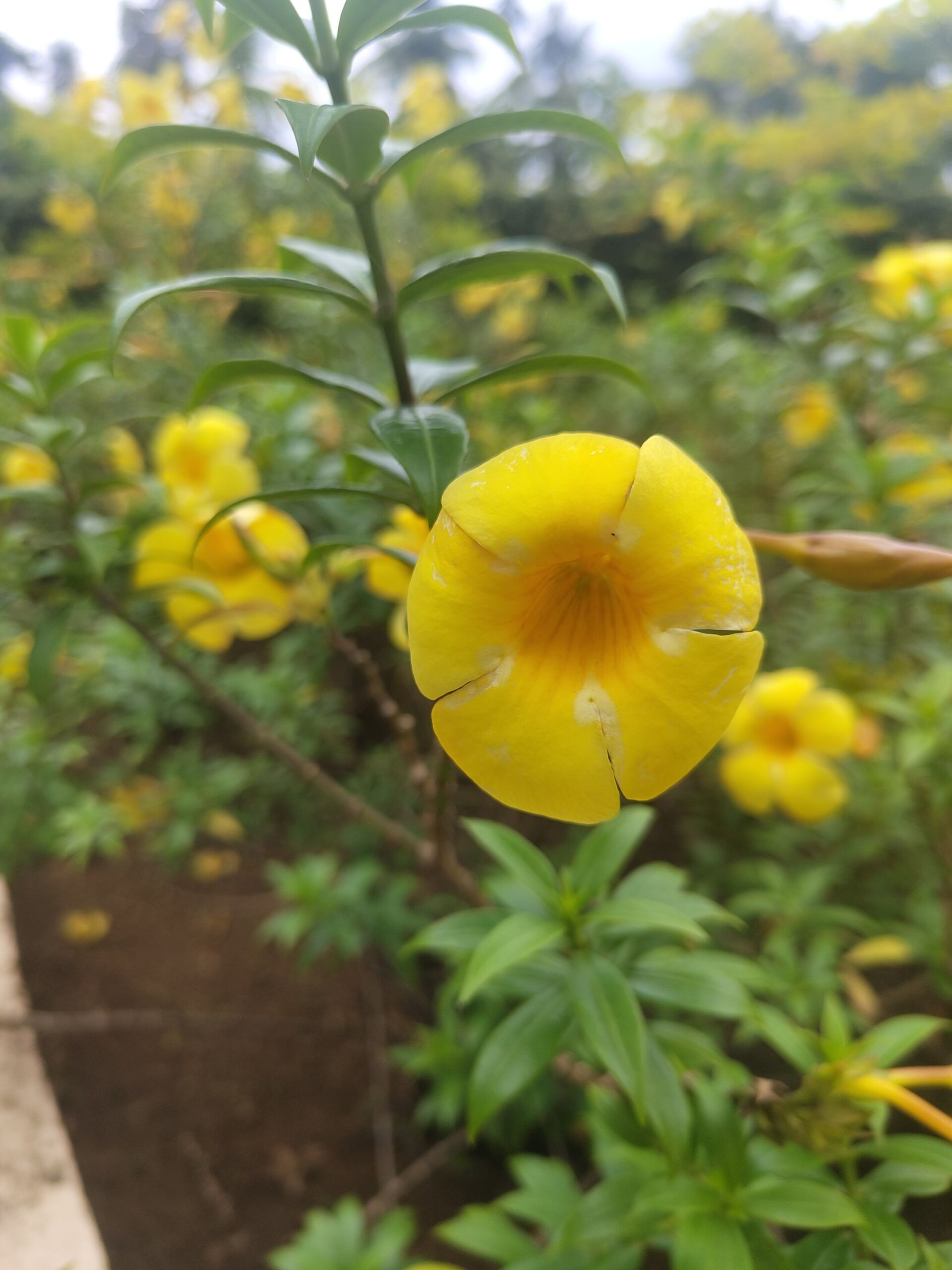
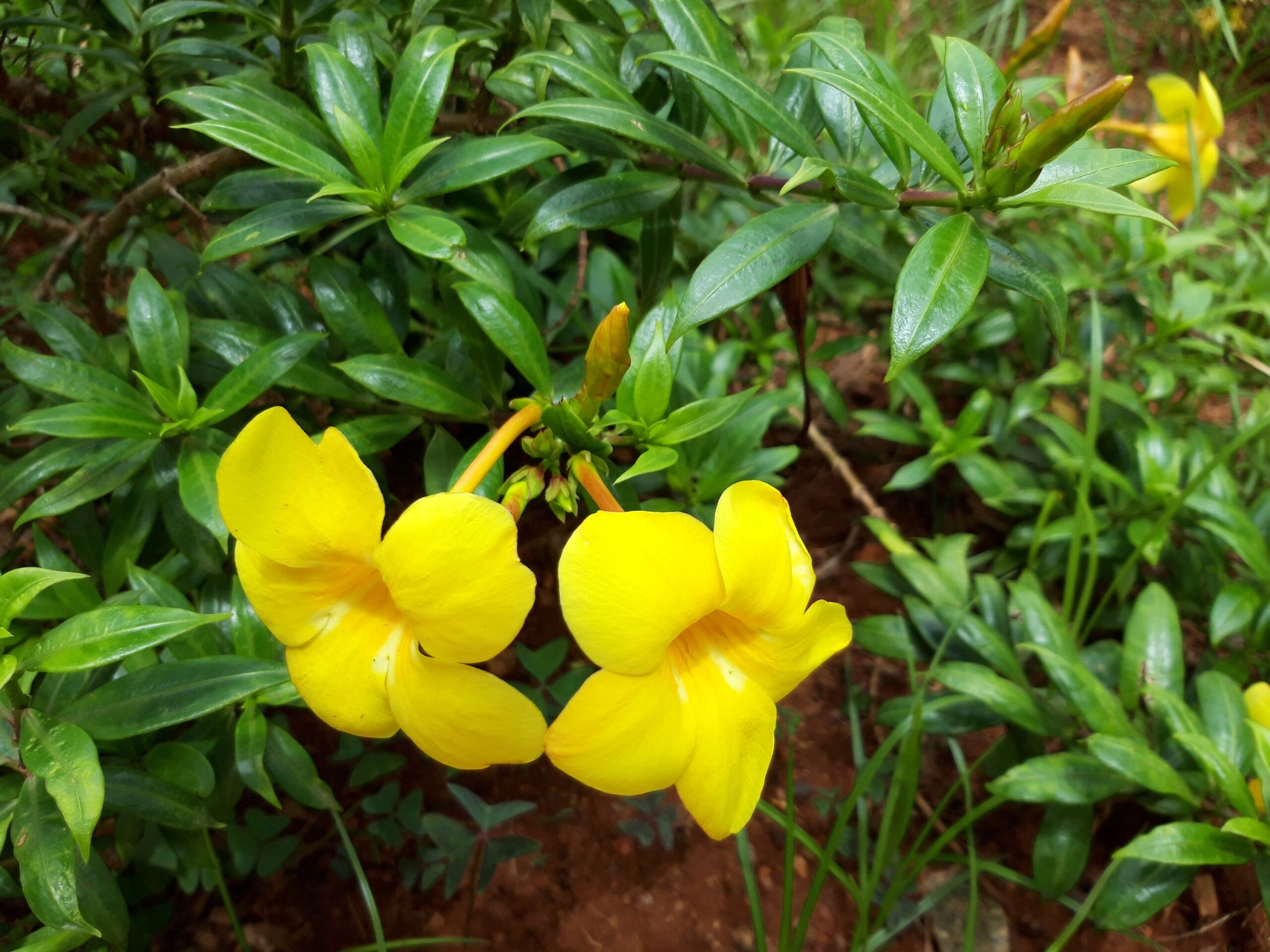
Allamanda cathartica is a vigorous tropical shrub-vine with glossy, oblong leaves in whorls and large, funnel-shaped golden-yellow trumpet flowers, up to about 5 inches across, borne in clusters at stem tips through the warm season. It does not twine or cling like a true vine — it is a rambler, with long stems that lean on and through supports — so it needs tying to a trellis rather than expecting it to climb alone.
Why this variety
Allamanda is the golden trumpet for a reason: few tropical plants flower as loudly, for as long, or with as little fuss in a frost-free garden. The flowers are big, fragrant — most strongly at night — and produced in succession for months, so a healthy allamanda is rarely without a trumpet open. It is named for the Swiss botanist Frédéric-Louis Allamand, and it has been a Southern garden favourite for generations, which is a better recommendation than any new introduction.
A Florida note, stated plainly: allamanda is a tropical plant, not a native, and it is listed as invasive in parts of Australia and naturalised in many tropical regions — in Florida, grow it as a garden plant, prune it, deadhead it, and do not let it escape into natural areas. It is not in the same league as coral vine, which this site advises against planting in Florida, but a vigorous tropical rambler still deserves a gardener who keeps it to its trellis.
How to grow
Plant in spring in full sun in rich, well-drained soil, against a strong trellis, fence, or pergola, and tie stems to the support as they grow — allamanda leans and scrambles rather than twining, so untied stems will flop. In Florida it is perennial in zones 9-11, tolerating only light, brief freezes as a mature plant; young plants must be protected, and in colder parts of the state it is best grown in a large container brought in on cold nights.
Prune in late winter or early spring to shape, remove cold-damaged wood, and encourage the new growth that carries the flowers. Work worm castings into the planting hole and mulch well; in sandy soils, compost top-dressing each spring holds moisture and feeds the soil life. Allamanda responds to pruning with enthusiasm — a hard spring cut is followed by vigorous regrowth and a heavy flowering season, not sulking.
Allamanda has named varieties with their own growing guides, listed in the Varieties section below — start here for the species as a whole, then pick a variety for the named form in detail.
And a plain-language note on the hero stats above, because vines and shrubs are not vegetables: “Spacing” here means mature planting distance, and “Days to harvest” means time to first bloom — the moment the plant starts paying you back in flowers, not a picking date.
Varieties
Every named variety of Allamanda with its own growing guide:
- Hendersonii Allamanda — The giant golden trumpet: the most popular allamanda, with huge yellow blooms up to 5 inches across on a vigorous vine — the allamanda for big fences.
- Cherries Jubilee Allamanda — The cherry-red allamanda: showy cherry-pink to deep mauve trumpets, larger than the yellow form’s — the allamanda for gardeners who want trumpet colour without yellow.
- Schottii Allamanda — The bush allamanda: a shrubby, compact golden trumpet that behaves like a bush, not a vine — the allamanda for hedges, borders, and small gardens.
Water & feeding
Water to establish, then deeply during dry spells; allamanda wants moist, well-drained soil and flowers best with consistent moisture in the warm season. Feed in spring and through the flowering season with a balanced organic fertilizer, and reduce water in winter while growth slows. Avoid waterlogging, which invites root rot, and avoid letting containers dry out completely in summer heat.
Common problems
- Mealybugs and scale on stems and leaf joints — inspect regularly and treat with horticultural oil or insecticidal soap in mild weather.
- Leaf spot and sooty mold in humid, crowded growth — improve airflow, water at soil level, and prune out spotted growth.
- Cold damage — a light freeze burns foliage back. Wait for spring growth before pruning, and protect young plants on cold nights in the northern part of its range.
- Sap toxicity — allamanda sap is irritating and all parts are toxic if eaten. Wear gloves when pruning and keep it out of grazing reach.
Harvest
The harvest is golden trumpets for cutting and for the fence show. Cut stems in the morning for vases — the big trumpets hold well — and deadhead spent clusters to keep new buds coming. Prune in late winter or early spring, wear gloves for the milky sap, and keep all parts away from grazing pets and children: allamanda is beautiful and toxic, and both facts deserve equal billing.
Propagation
Say the safety part first, because it governs everything else in this section: every part of allamanda is toxic if eaten, and the milky sap irritates skin and eyes. Wear gloves when you take cuttings, wash your hands after, and keep plants and prunings away from children and pets. The species name cathartica is a hint, not a joke — this plant purges, and it is grown for its trumpets, never for tasting.
Cuttings are the standard way to multiply allamanda: a cutting is the parent plant, while seed is slower and less predictable. In spring or early summer, take healthy, non-flowering tip or semi-hardwood stems about four to six inches long, cut just below a leaf node, strip the lower leaves, and dip the cut end in rooting hormone if you have it. Set them in a well-drained mix of peat and perlite or sand, keep them warm in bright indirect light under a humidity cover, and expect roots in several weeks — new growth is the signal, not the calendar. Seed is possible too: let the spiny pods ripen and dry on the plant, extract the flat, winged seeds, and sow them fresh and shallow in a warm, moist mix. Only fresh seed germinates reliably, and even then germination takes weeks to a couple of months and varies — so sow seed for curiosity and cuttings for certainty, and do not expect seedlings to match a named form.
One last Florida responsibility: allamanda is flagged as a high invasion risk in Florida, so do not let seed pods or prunings escape into natural areas, and dispose of unwanted material rather than dumping it where it can root. Propagate the plant you love, in the garden you control, and keep its ambitions inside the fence.