
🥬 Witloof Chicory
What it looks like

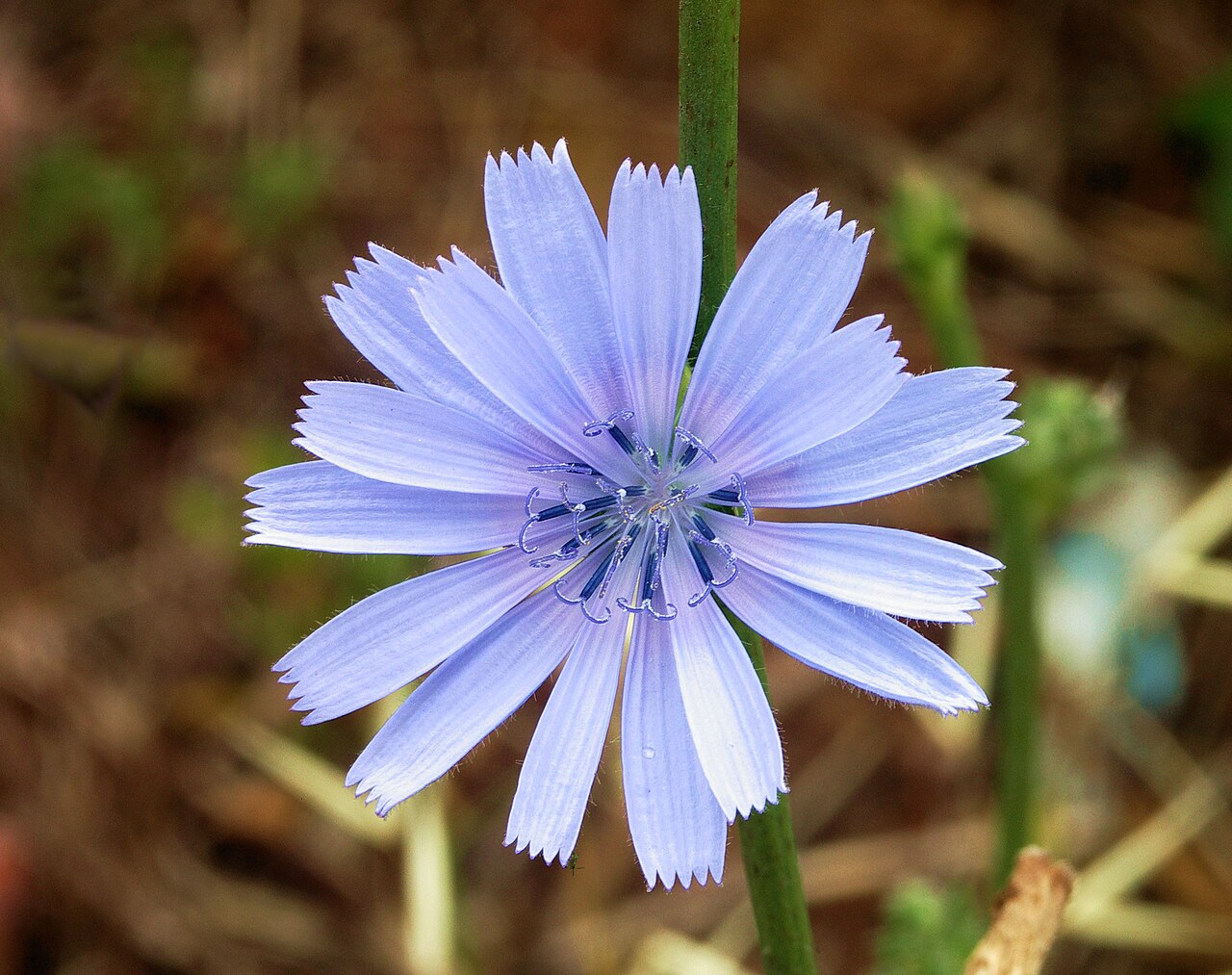
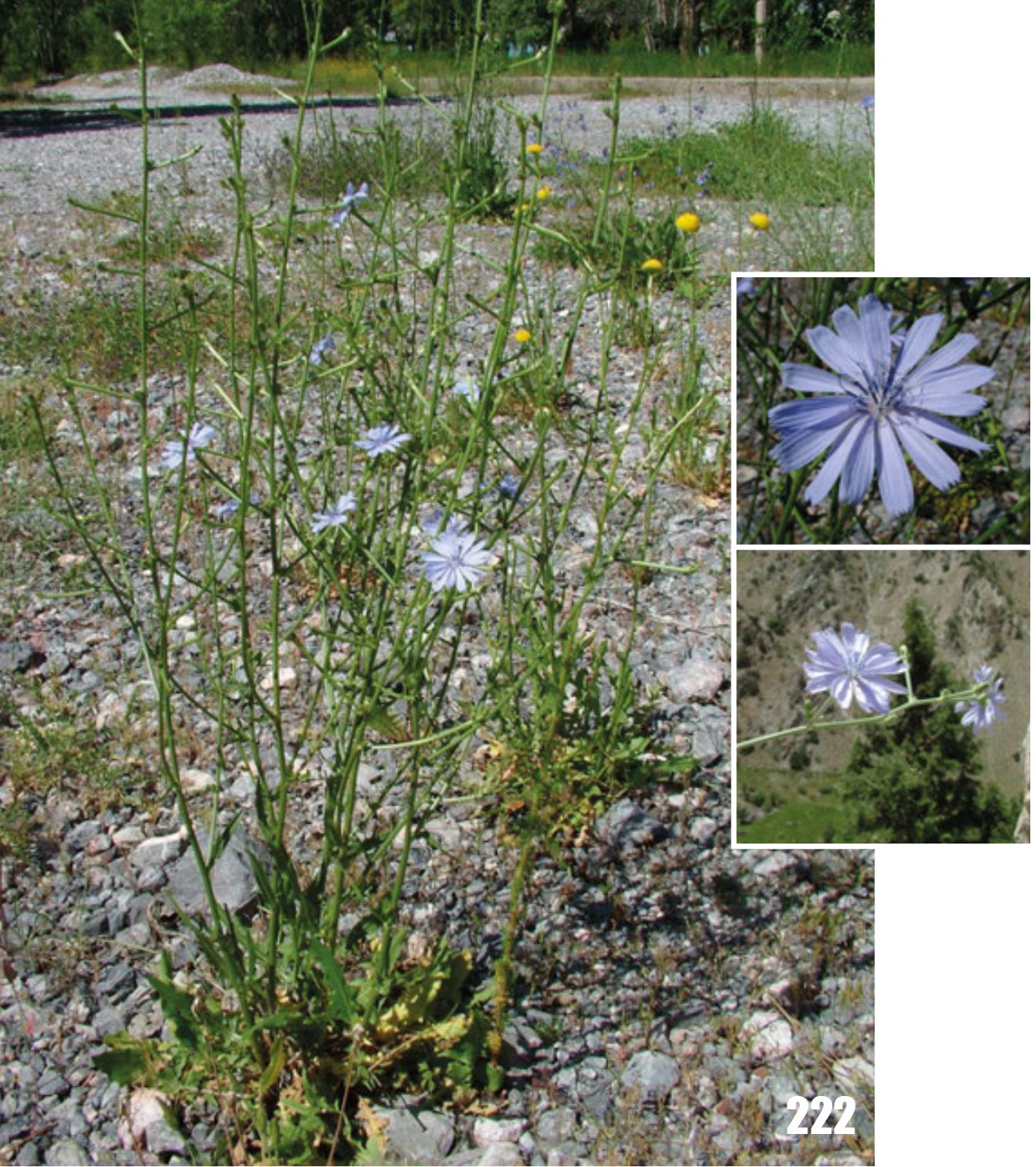
Why this variety
Witloof chicory is the vegetable world’s best magic trick: you grow it once for its roots, dig those roots up, and then grow it a second time in total darkness, where it produces the pale, torpedo-shaped heads called chicons — sold in stores as Belgian endive or French endive. The chicons are crisp, mildly bitter, and nothing like the green leaves the plant grew outdoors, because darkness stops chlorophyll and softens the bite.
The trick was refined in Belgium in the mid-1800s, and witloof means ‘white leaf’ in Flemish — a fair description of what comes out of the dark. It is a long project, about 250 days from seed to forced head in some accounts, but most of that time the plant just sits in the garden growing roots, and the forcing stage is mostly waiting in the dark.
How to grow
Sow in spring in cool climates, or in fall in Florida, 1/4 inch deep, thinning to 8–12 inches apart. Grow the roots through the cool season without heavy feeding — straight, thick roots force best. In late fall or late winter, lift roots when they are 1–2 inches thick at the crown, trim leaves to about an inch above the crown, and trim the root to a uniform length.
To force, stand roots upright and close together in a container of moist growing medium, crowns just exposed, then cover completely to exclude light and hold at about 50–60°F. In 3–6 weeks, firm chicons 5–8 inches long are ready. In Florida, witloof is a winter project, not a summer crop: sow in fall, grow the roots through the cool months, lift them in late winter, and force the chicons indoors in a dark, cool spot. Witloof needs 110–130 cool days to make forcing-size roots, and it bolts if planted in warm weather — so the Florida window is fall-sown roots, winter forcing, and no summer attempts. If you cannot give the forcing roots a dark place at about 50–60°F, a cool garage or a spare fridge shelf for the forcing stage is the honest workaround.
Water & feeding
In the garden, witloof wants steady, moderate water while roots size up — about an inch a week, at the base, with mulch to hold it. Do not overfeed: rich, heavily fertilized soil makes forked, hairy roots that force poorly. In the forcing stage, keep the growing medium moist but not soggy, and keep it dark — light is the enemy of a pale, mild chicon.
Common problems
- Premature bolting — warm weather or a late planting sends plants to seed before roots size up. Sow in fall for winter roots, and do not sow witloof for summer harvest.
- Green, bitter chicons — light leaking into the forcing area. Check for light leaks, cover containers completely, and harvest promptly; even brief light exposure greens the heads and sharpens the bitterness.
- Rot in forcing — soggy medium or warm forcing temperatures. Keep the medium moist, not wet, and hold forcing at about 50–60°F with airflow.
- Small roots, small chicons — crowded plants or poor soil. Thin properly, give roots a full season, and lift only roots 1–2 inches thick at the crown.
- Aphids and slugs in the garden stage — blast aphids with water, use beer traps for slugs, and keep the bed weeded so roots grow straight.
Harvest
Harvest roots after the first light frost in cool climates, or in late winter in Florida, when roots are thick at the crown. After forcing, cut chicons just above the root crown when 5–8 inches long and firm — a second, smaller crop often follows from the same roots. Eat chicons raw in salads, braised, or grilled; they keep in the fridge for a couple of weeks, wrapped, away from light.
Saving seeds
Witloof chicory is a brassica-family cousin in the seed playbook — easy, and a little promiscuous. Let a few plants bolt and flower in summer, and do not pick from them; the seed plants are working, not feeding you. The seed heads ripen over several weeks, so harvest the whole plant when most of the heads are dry and brown, and finish drying it in a paper bag.
Witloof chicory is a biennial, which means it needs a cold winter to flower — in Florida, that means a fall sowing that bolts in spring. Isolation matters: it crosses freely with other chicory — wild chicory, radicchio, and their cousins — so grow only one chicory type for seed at a time, or accept the hybrids. Dry the seed thoroughly before storing; it keeps four to five years in a cool, dry jar.
Sow in fall in Florida, in moist soil, about a quarter inch deep; germination comes in one to two weeks in cool soil. Save from the best plants — the tightest heads, the least bitter leaves — and let the bitter, bolt-prone ones go to the compost instead of to seed.
In Florida, witloof chicory is a fall-through-spring green, happiest in north and central Florida with rich, moist soil. It bolts fast in the heat, so sow in fall for the longest harvest, and let the spring bolters go to seed — that is the crop paying you back.
Varieties
Every named variety of Witloof Chicory with its own growing guide:
- Brussels Witloof Chicory — The traditional forcing chicory: tightly packed, pale, finely textured chicons, the classic Belgian endive.
- Witloof Zoom Chicory — The early-to-midwinter forcing type: uniform, vigorous chicons for the first forcing of the season.
- Witloof Flash Chicory — The late forcing type: holds for forcing through March, when early types are spent.
- Witloof Robin Chicory — The red witloof: rosy chicons with the same forcing habit, for color on the plate.
- Holland Early Witloof Chicory — The early Dutch forcing type: a good all-round witloof for a first attempt at forcing.