
🫘 Fava Bean
What it looks like
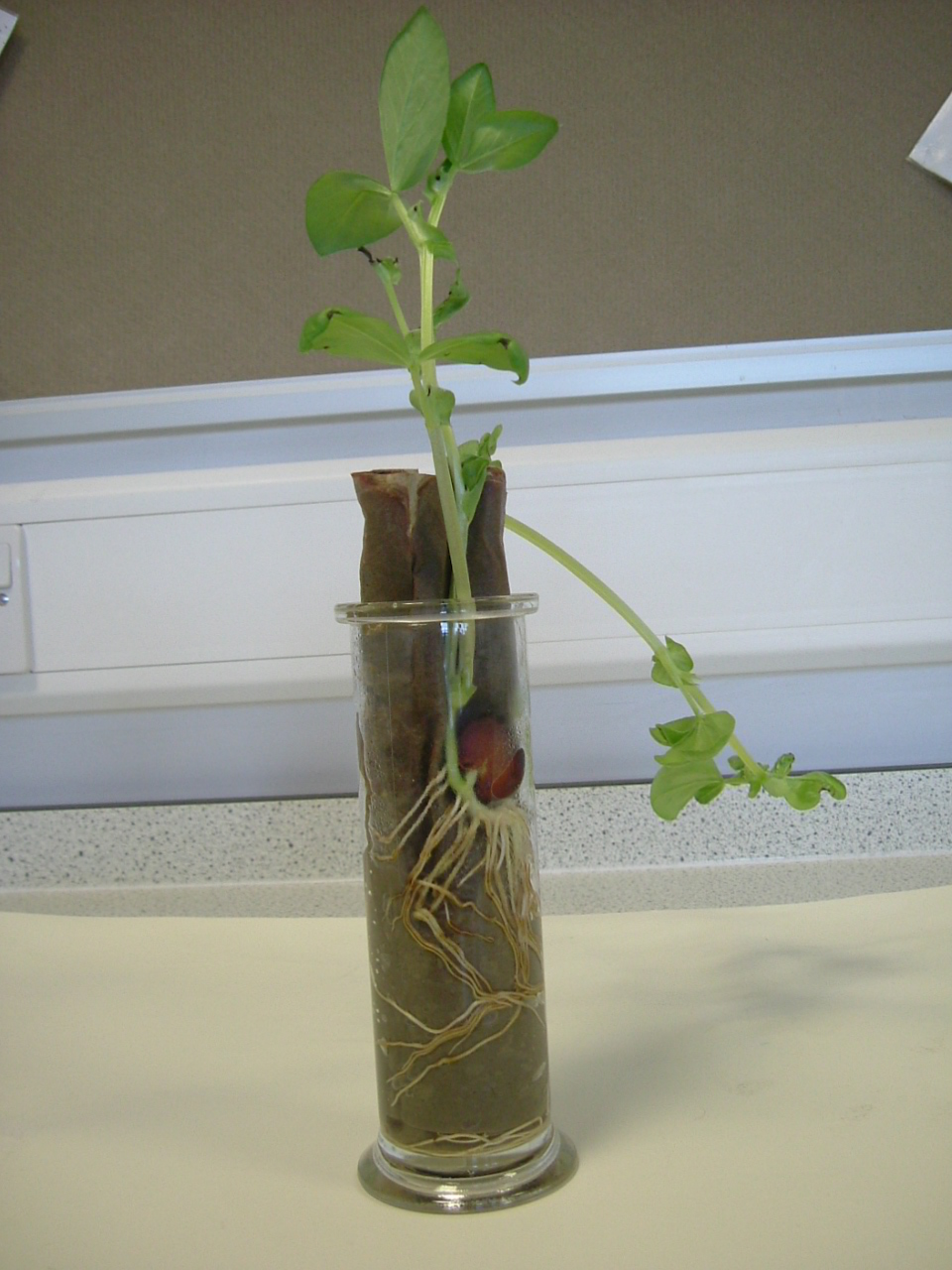
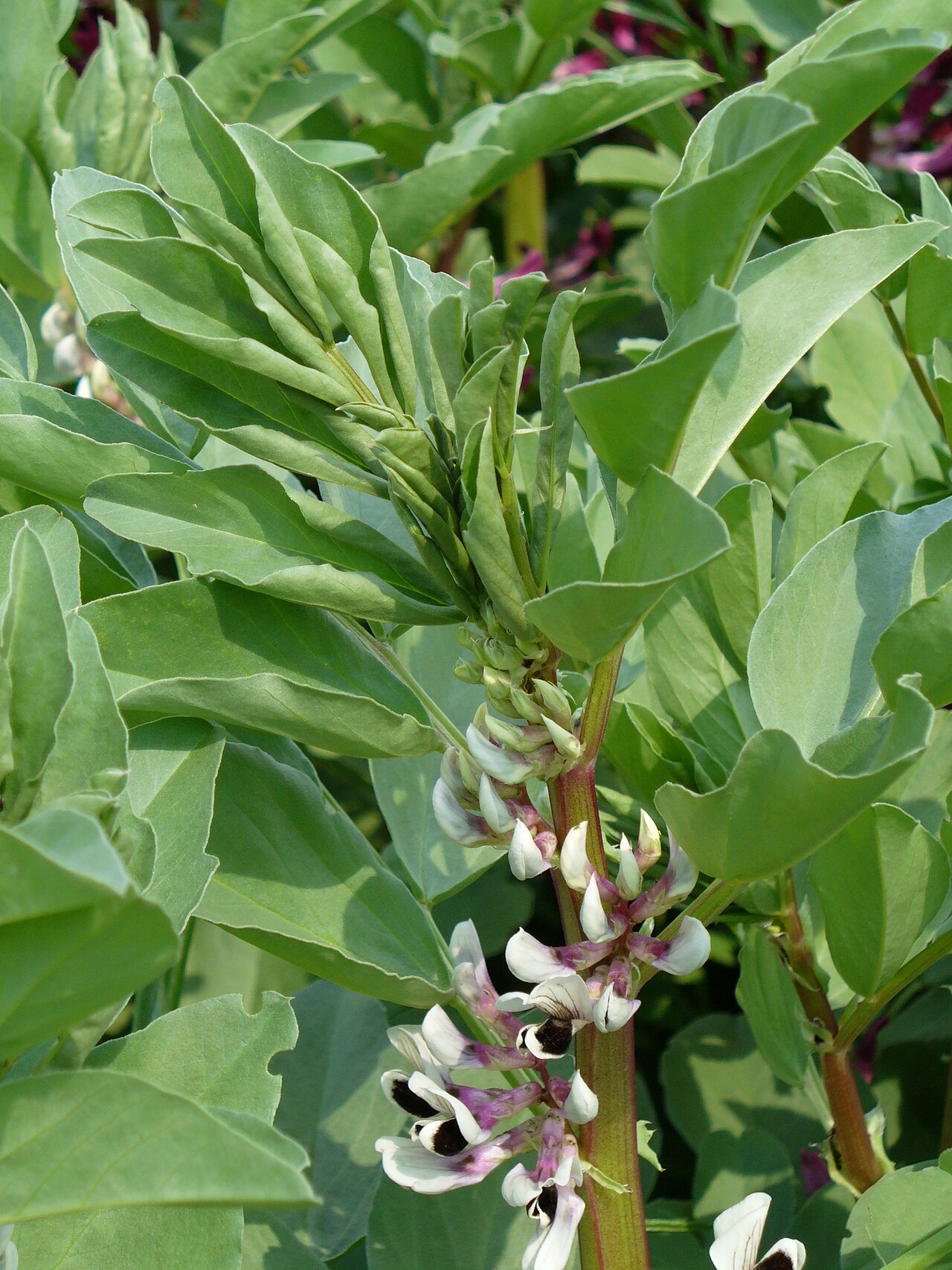
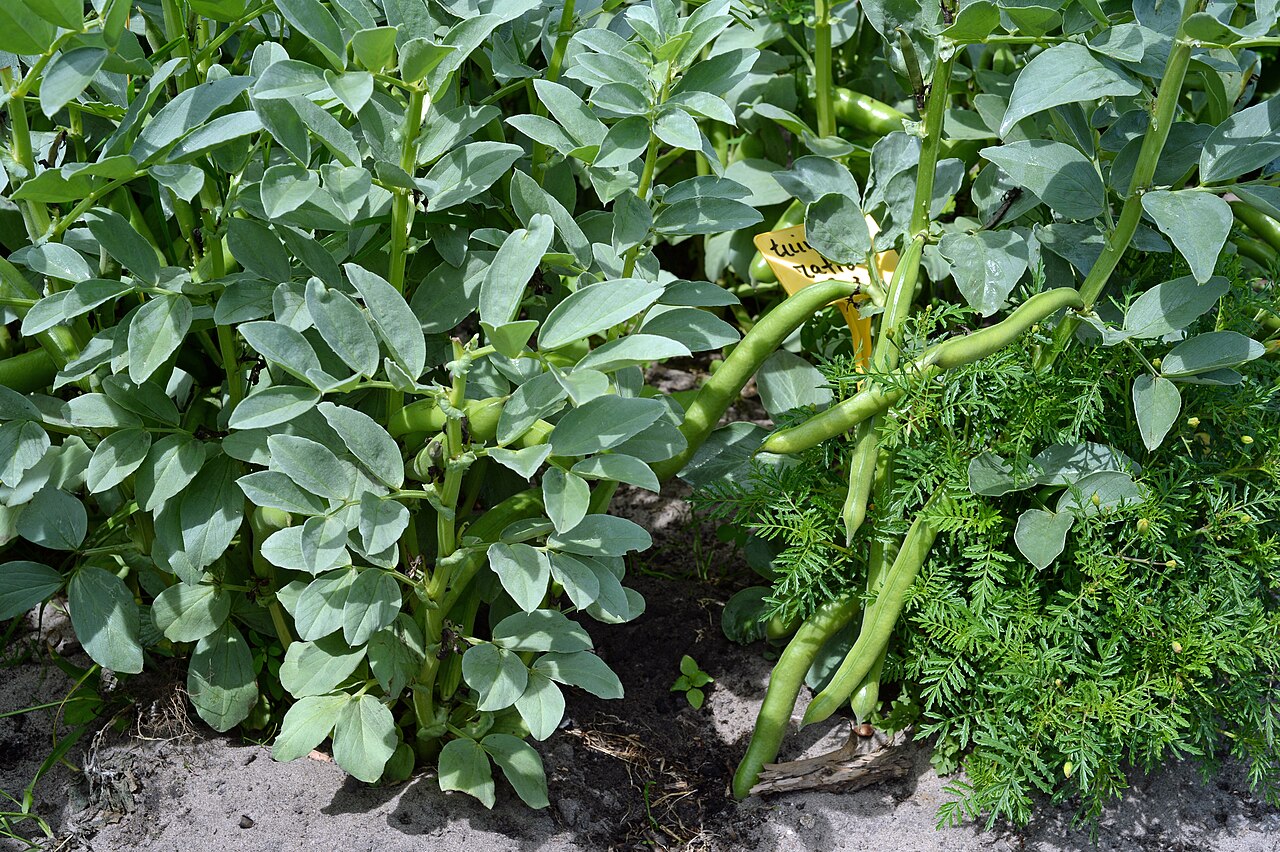
Uploaded by Vinayaraj, CC BY 2.0.
How to grow
Fava beans (broad beans) are the odd one out among garden beans: they want cool weather, not heat, and they are planted when other beans would rot — early spring in cold zones, fall in mild ones. The plants are upright, sturdy, and handsome, with white-and-black flowers that smell faintly sweet.
Direct-sow 1–2 inches deep, as soon as soil can be worked in spring (favas germinate in cool soil that snap beans would sulk in) or in fall where winters are mild, for a spring harvest. Pinch out the growing tips once pods start forming — this discourages black aphids, which love the tender tips, and pushes energy into pods.
As legumes, favas fix nitrogen and are a classic cover crop as well as a food crop: a bed of favas dug in after harvest leaves nitrogen for the next planting. Tall varieties in windy spots need a simple stake-and-string support.
Water & feeding
About 1 inch a week, especially during flowering and pod-fill — drought means small, tough beans. Work worm castings into the bed at planting; castings carry a low burn risk and support the long cool-season growth without forcing soft, aphid-prone shoots.
Common problems
- Black bean aphids on shoot tips: pinch tips early, blast with water, and encourage ladybugs.
- Chocolate spot (brown blotches on leaves) in wet weather: improve airflow, space plants, and avoid working wet plants.
- Rust in humid conditions: rotate beds and remove affected leaves.
- Poor pod set in heat: favas stop setting pods when summer heat arrives — sow early enough that pods fill before it.
Harvest
Pick pods when they feel plump and the beans inside are clearly swollen, but while pods are still green and flexible. Shell, then decide: young beans can be cooked pod and all (peeled), while mature beans are usually blanched and slipped out of their tough skins for the tender inner bean. Dried favas store well and make the classic ful medames and soups.
Browse all plant & pest guides
Saving seeds
Important warning first: favism. Fava beans (Vicia faba) contain vicine and convicine, compounds that can trigger a serious breakdown of red blood cells — haemolytic anaemia — in people with glucose-6-phosphate dehydrogenase (G6PD) deficiency, a common inherited enzyme deficiency. For most people favas are simply dinner, but for someone with G6PD deficiency they can be dangerous, and pollen exposure has also been reported as a problem for some affected people. If you share seed or a harvest, say so out loud: label saved seed clearly as fava bean, and mention favism when you hand it to another gardener or cook. That one sentence costs nothing and could matter enormously to the person receiving it.
With that said, favas are one of the friendliest vegetables to save seed from, because they are primarily self-pollinating. The flowers mostly fertilise themselves before insects get much of a say, though bees do visit and some crossing happens, so purity is a matter of degree, not certainty. Garden seed-saving charts give isolation distances in the range of about 20 to 50 feet between varieties, with sources disagreeing at the edges — the honest home-garden rule is simpler: if you want a variety to stay true, grow only one fava variety for seed in a season, or give varieties as much space and as many intervening plantings as your garden allows, and save from a good population (a couple of dozen plants is the chart-scale target) rather than a single heroic plant. Save only from healthy, vigorous, true-to-type plants, and leave the earliest, fattest pods for eating if you like — seed selection is about the plant’s overall health, not about cherry-picking one freak pod.
For seed, do the opposite of everything you do for eating. Leave the pods on the plant until they are dry, brown, and crisp, and the beans inside are hard and rattle when you shake the pod. In Florida, where a wet fall can rot pods faster than they dry, you may pull whole plants and hang them somewhere dry and airy to finish — good airflow matters more than sunshine, and direct hot sun can cook seed. Shell the dry pods, discard any beans that are mouldy, shrivelled, or holed by bean weevils, and dry the good beans further on a tray indoors until they are rock-hard. Store them in a labelled, airtight jar with a desiccant packet, cool and dark; garden charts put fava seed life at about four years under good storage, so sow the oldest jar first and test-germinate a few beans before betting a whole bed on them. One last honesty note: open-pollinated varieties saved this way generally grow true, but seed from a hybrid (F1) cultivar will segregate in the next generation — you will get favas, but not necessarily the fava on the packet. If the variety name matters to you, save from open-pollinated varieties, and keep a cutting-free, seed-only record: variety, year, and where it grew, on the jar.
Varieties
Every named variety of Fava Bean with its own growing guide:
- Aquadulce Fava Bean — The cold-hardy Spanish heirloom — early, productive, and the fava to sow first in a cold garden.
- Broad Windsor Fava Bean — The classic English fava — very large beans, robust flavor, and a history back to at least 1863.
- Superaguadulce Fava Bean — The long-podded Aquadulce type — an extended harvest window and very long pods.
- The Sutton Fava Bean — The dwarf fava: all the broad-bean flavor on a 12-to-14-inch plant that fits a pot, a small bed, or a windy corner.
- Masterpiece Green Longpod Fava Bean — The long-podded classic: slender pods up to a foot long, packed with six or seven green beans — and made for the freezer.
- Sweet Lorane Fava Bean — The sweet small-seeded fava: low-tannin skins you do not even need to peel, on a plant hardy down to 10 degrees.
- Crimson Flowered Fava Bean — The fava with magenta flowers — an edible ornamental that feeds pollinators and the kitchen alike.