
⭐ Star Jasmine
What it looks like
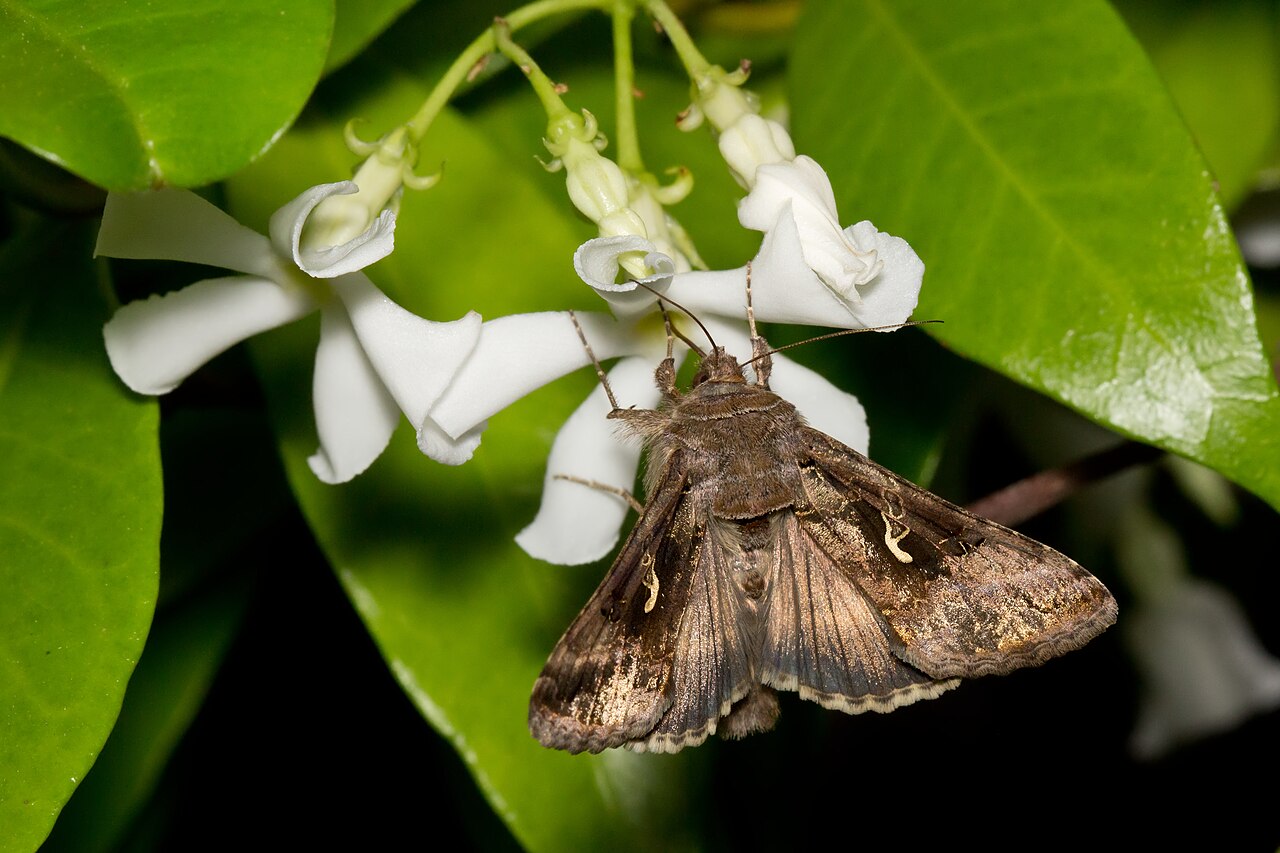

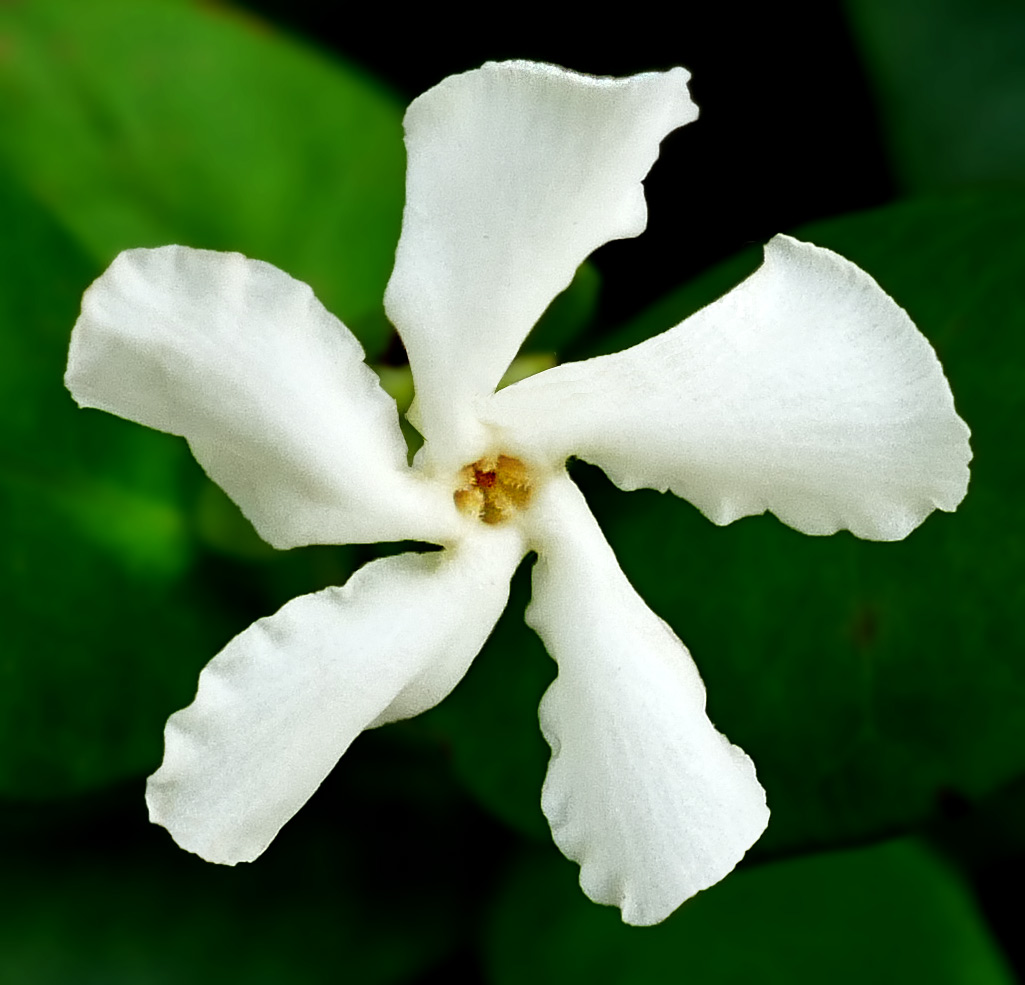
How to grow
Plant in spring in well-drained soil in sun to part shade — star jasmine is evergreen, fragrant, and well-behaved compared with wisteria or trumpet vine, which is why it covers so many Southern fences and arbors. Outside zones 8–10, grow it in a large container and overwinter indoors or in a greenhouse; it will not survive a hard freeze. It climbs by twining and also works as a dense evergreen groundcover on banks. Give it a sturdy trellis — it is lighter than wisteria but still a woody vine at maturity.
Water & feeding
Water to establish and during dry spells; mature plants are moderately drought-tolerant but look best with consistent moisture. Container plants need regular watering and must never dry out completely.
Common problems
- Cold damage below zone 8 — container culture is the answer, not hope
- Scale and sooty mold on stressed plants
- Few serious diseases; overwatering in containers causes root rot
Harvest
Prune after the spring bloom flush to shape and control size; it tolerates shearing well for hedges and screens. Tie new growth to the support while it is flexible.
Browse all plant & pest guides
Saving seeds
The honest headline: star jasmine is grown from cuttings, not seed, and seed is the slow road. A cutting roots in weeks and is a clone of the parent; a seedling takes years to flower and will not match the parent. If you want more star jasmine, take cuttings.
Seed does exist, for the patient. The long, thin seed pods ripen in late summer to fall; collect them when they are dry and beginning to split, and sow fresh in a warm, moist mix, barely covered. Germination is slow and uneven — often several weeks — and no cold treatment is needed. Sow more than you need, and do not give up on the tray after a month.
Seedlings will vary, and the named forms come only from cuttings. Save seed only from a healthy plant with the fragrance you love, and dry it thoroughly before storing; it keeps a year or two in a cool, dry jar, and viability drops fast after that.
In Florida, star jasmine is a vigorous evergreen vine for zones 8 to 10, happiest in sun or part shade with something strong to climb. Give it a trellis, keep it watered until established, and let it be the fragrant wall it wants to be — by cuttings, mostly, and by seed only if you are feeling patient.
Varieties
Every named variety of Star Jasmine with its own growing guide:
- Madison Star Jasmine — The cold-hardy star jasmine: a full zone hardier than the species, with sweeter, orange-blossom fragrance — the star jasmine for the cold edge.
- Variegatum Star Jasmine — The variegated star jasmine: cream-splashed leaves with the same intoxicating white flowers — the star jasmine for bright walls.
- Pink Showers Star Jasmine — The pink star jasmine: pale pink, jasmine-scented stars fading to creamy white, blooming from late spring through summer — the Confederate jasmine in blush.
- Winter Ruby Star Jasmine — The star jasmine that blushes in winter: evergreen foliage turning ruby-red after cold snaps, with the same fragrant white stars in spring — the star jasmine for four seasons.