
🌵 Prickly Pear
What it looks like
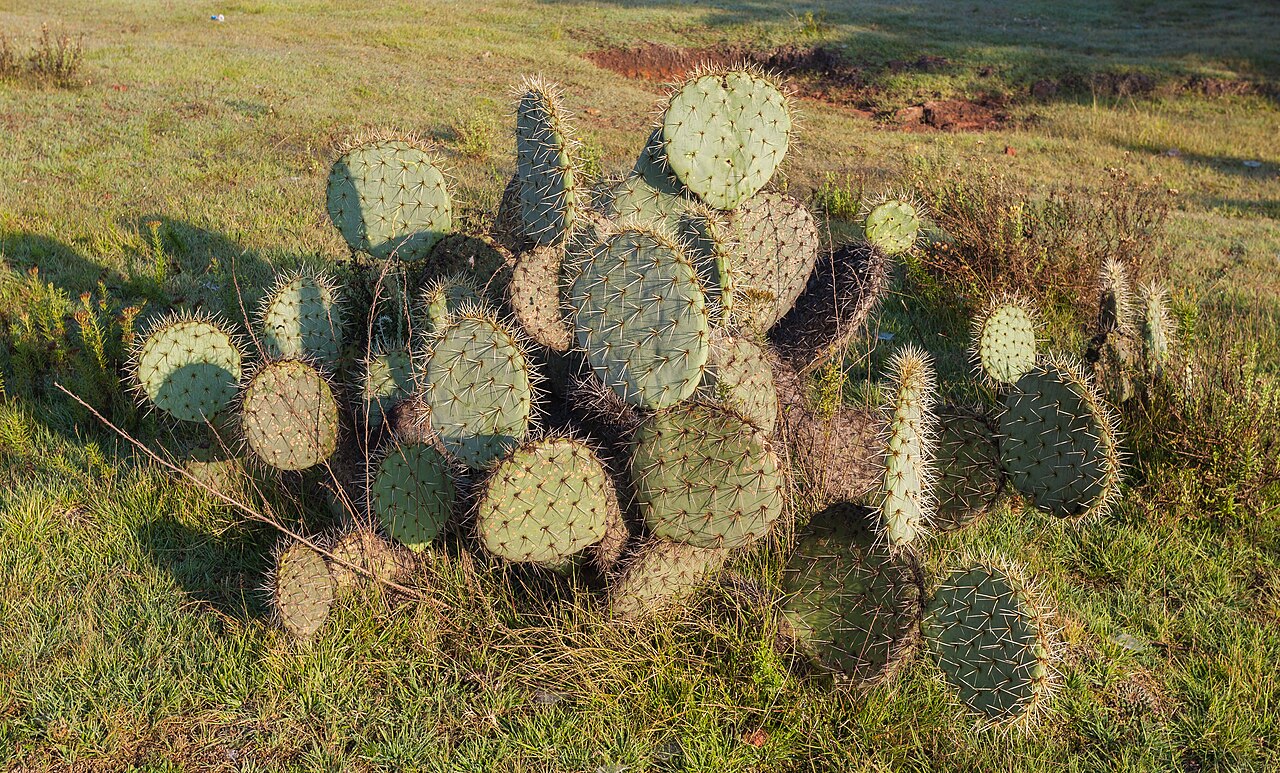
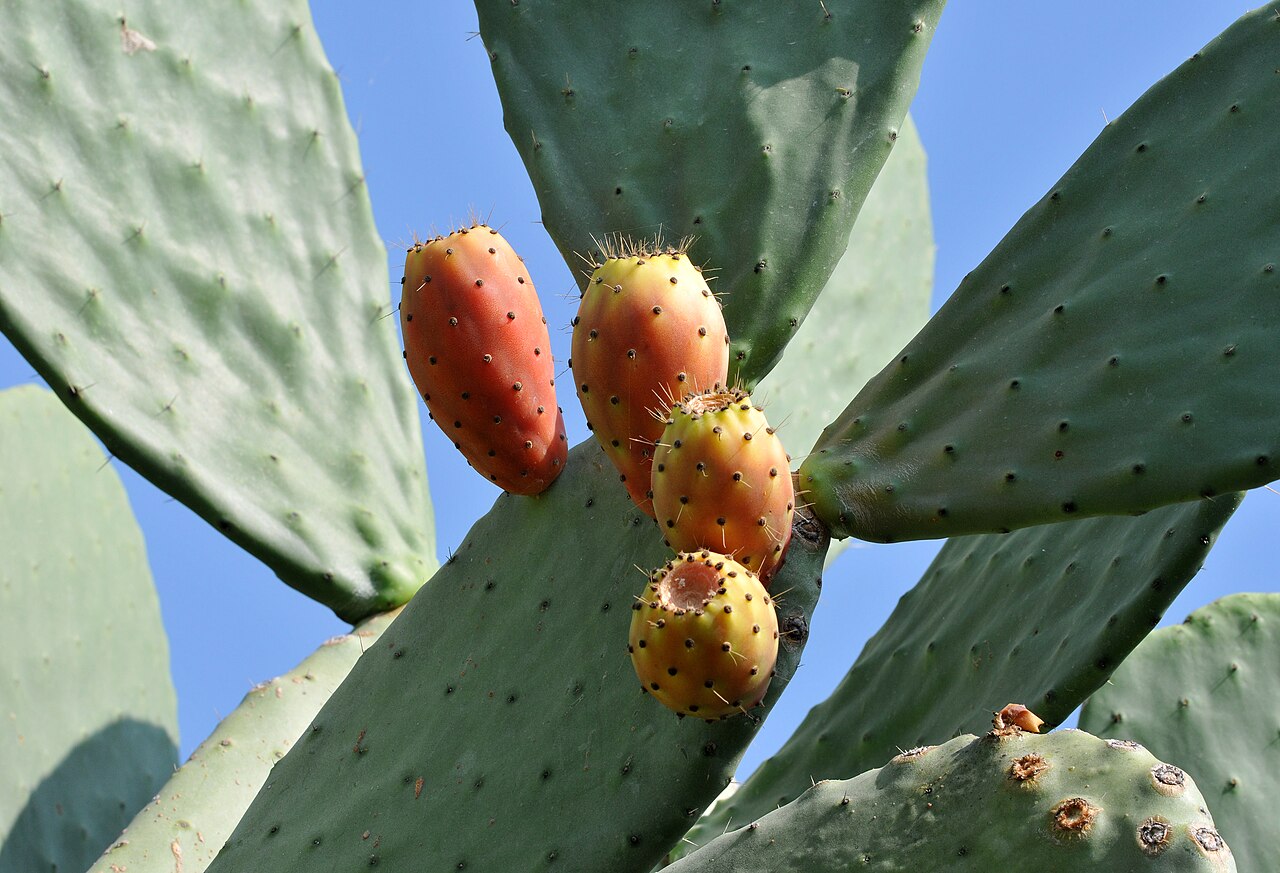
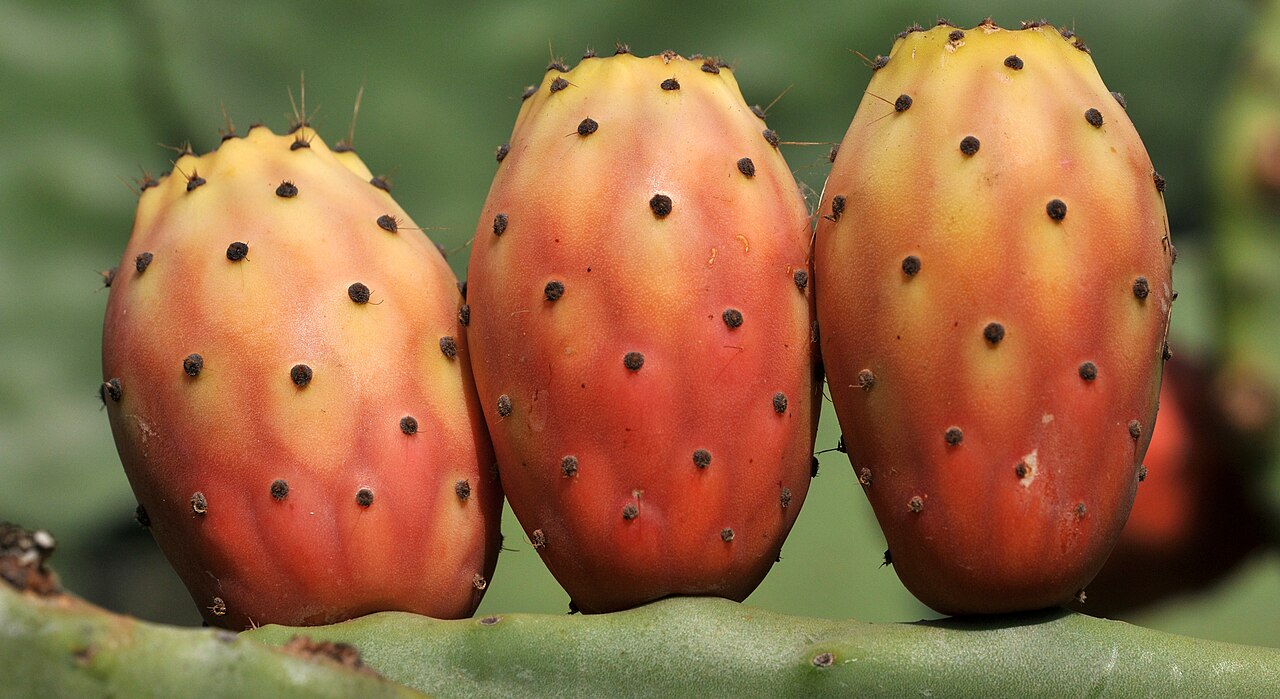
How to grow
Prickly pear is grown for its fruit (called tuna) — sweet, magenta or green, and excellent fresh or juiced — from flat, spiny pads that root where they fall. Plant a pad cutting in spring in the hottest, driest, best-drained spot you have: lay the pad on dry soil, let the cut end callus for a week, then plant it shallow. Prickly pears need almost no water, no fertilizer to speak of, and no pampering — they are the fruit plant for gardeners whose soil is sand and whose summer is a furnace. They are self-fertile, so one plant fruits. The handling warning is real: in addition to large spines, most varieties carry glochids, tiny barbed bristles that embed in skin and itch for days — harvest with thick gloves, tongs, and a healthy respect.
Water & feeding
Water sparingly — prickly pear rots in wet soil faster than it dries out in drought. Water a new cutting lightly until rooted, then leave it alone except in extreme drought. No fertilizer is needed in most soils; in rich soil, plants grow pads at the expense of fruit.
Common problems
- Glochids — the tiny barbed bristles are worse than the big spines; use tongs and gloves, and singe or peel fruit before eating
- Root rot in poorly drained or overwatered soil — the number one killer
- Cochineal scale insects in warm regions — wash off with a strong water jet
- Spreading where unwanted — pads root where they fall, so keep them off paths and lawns
Harvest
Pick when the fruit is fully colored (magenta, red, or green depending on variety) and gives slightly — twist with tongs, singe off glochids over a flame or peel with gloves, and eat fresh, juice, or cook into syrup and jelly. The flavor is sweet, mild, and watermelon-like.
Browse all plant & pest guides
Saving seeds
Prickly pear seed is armored — a hard, lignified coat built to survive being eaten by a tortoise, baked in the sun for years, and sprouted only when conditions are exactly right. To save it, scoop the seed from a fully ripe fruit, rinse the pulp off, and dry it. Then hurt it: rub the seed gently with sandpaper until the coat thins and changes color, or nick it with a nail file, taking care not to damage the embryo inside. After scarifying, soak the seed in warm water for 24 to 48 hours. A cold stratification of 4 to 6 weeks in the refrigerator helps some growers, though others skip it and rely on heat alone — sources disagree, so scarification plus warmth is the reliable core, and the chill is optional.
Sow shallowly, about an eighth of an inch deep, in a gritty, well-draining cactus mix — equal parts coarse sand, perlite, and potting soil works — and keep it warm, 75 to 90°F. Germination takes 2 to 6 weeks when conditions are right, and up to 8 to 10 weeks when they are not, so keep the tray warm and patient. Seedlings hate wet feet: water lightly, give them bright indirect light at first, and harden them into full sun gradually. A seedling is slow — it may be only three inches tall after a year, and it takes 3 to 5 years to flower — while a pad cutting roots in 3 to 6 weeks and fruits in 2 to 4 years.
The honest headline is that pads are the practical route, and seed is the project. A pad cutting — a segment snapped off, callused for a week in the shade, then stuck in dry mix — gives you an exact copy of the parent, faster and more reliably than seed ever will. Seed is for genetic diversity, for growing a lot of plants cheaply, and for the satisfaction of a cactus you started from a fruit you ate. Seedlings vary, and a seedling from a spineless variety may grow spines.
In Florida, prickly pear grows well across the state in full sun and sharp drainage, and it tolerates drought once established. Grow seedlings in pots for their first year or two, plant out in the warm season, and give them room — a prickly pear wants to be a thicket, not a specimen. Wear gloves when you handle the fruit and the seed: the glochids are tiny, barbed, and miserable.
Varieties
Every named variety of Prickly Pear with its own growing guide:
- Burbank Spineless Prickly Pear — Luther Burbank's spineless nopal — edible pads and sweet red tunas without the spine gauntlet.
- Ellisiana Prickly Pear — The South Texas spineless prickly pear — tiger-tongue pads, red fruit, and a plant that refuses to quit.