
🍋 Yuzu
What it looks like


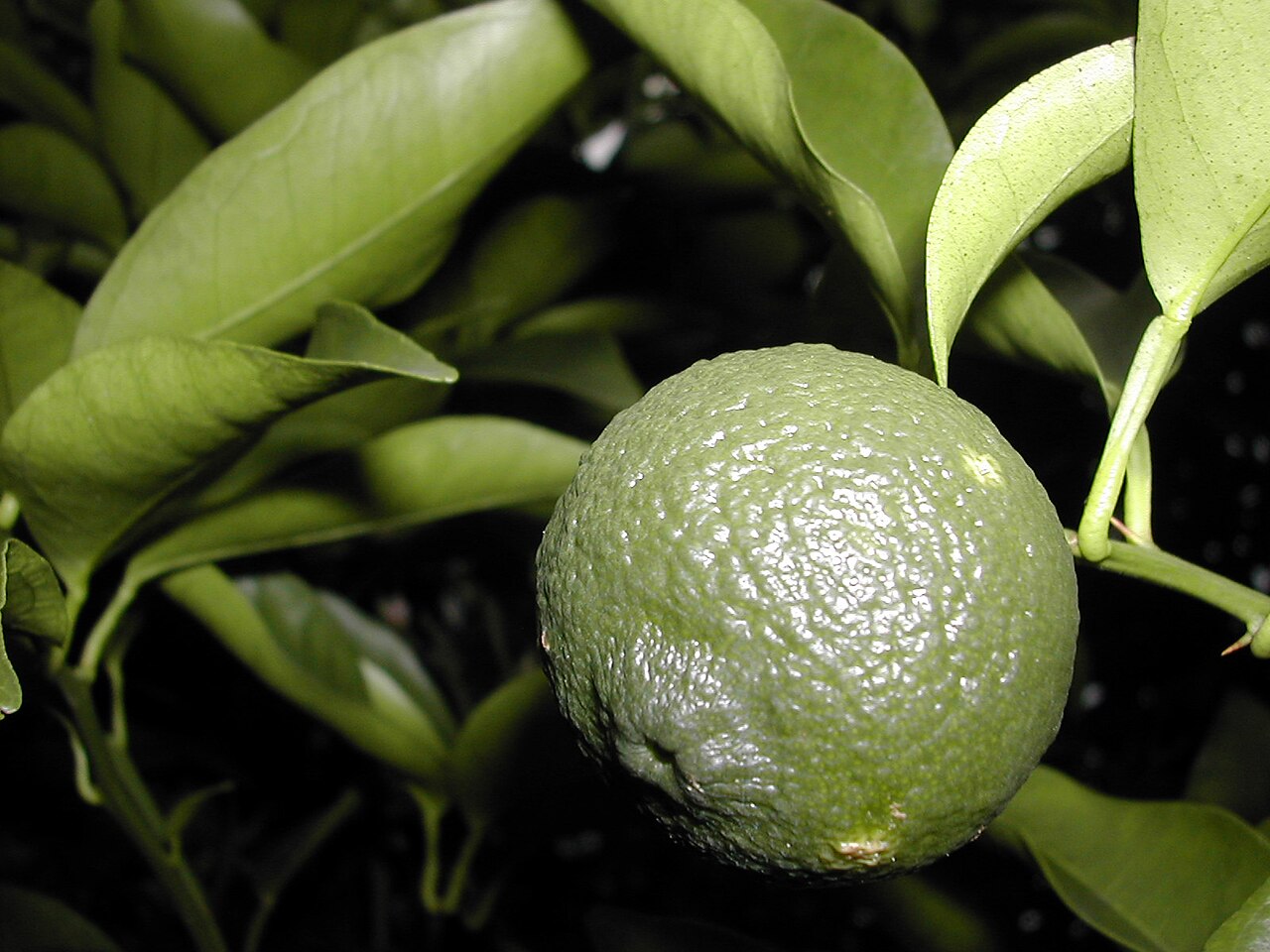
How to grow
Yuzu is a Japanese citrus prized for its intensely aromatic rind and juice, and it is the cold-hardiest of the true citrus fruits — established trees tolerate temperatures into the low teens Fahrenheit, which puts yuzu within reach of gardeners in zone 7 and warm zone 8 where lemons and limes fail. Plant in spring in well-drained soil in the warmest, most sheltered spot available — a south-facing wall helps in marginal zones. Yuzu trees are often thorny and vigorous, growing 10–15 feet, and they are generally self-fertile, so one tree fruits. They are slow to bear from seed (seedlings can take a decade), so buy a grafted tree on appropriate rootstock — trifoliate orange for cold hardiness — and, in Florida, start with certified disease-free stock and scout for psyllids, since citrus greening (HLB) is the defining challenge. Container growing works for marginal zones; wheel the pot inside for freezes. Prune lightly to shape; yuzu does not want hard annual pruning, and its thorns argue for gloves.
Water & feeding
Deep, regular watering during establishment and fruit development; yuzu tolerates some drought once established but fruit quality drops without moisture. Mulch to hold water, keep mulch off the trunk, and feed with a citrus fertilizer through the growing season.
Common problems
- Frost in marginal zones — plant sheltered and cover on the coldest nights
- Thorns — site away from paths and prune with gloves
- Scale and leafminers — treat with horticultural oil and encourage beneficial insects
- Slow bearing from seedling trees — buy grafted stock
Harvest
Pick from late fall into winter, when the fruit is fully yellow and fragrant — yuzu is used mostly for its zest and juice, so harvest when the aroma is strongest. Taste is the test, since color can mislead, and yuzu holds on the tree for weeks once ripe, so harvest as needed. In Florida, the season runs roughly fall through spring. The fruit keeps for a couple of weeks refrigerated; zest freezes well for year-round use.
Browse all plant & pest guides
Saving seeds
Yuzu seed comes with a deadline: it is best sown fresh. Clean the pulp off the seed, rinse it, and sow it right away in moist mix, barely covered — it loses viability fast once it dries out. Keep it warm, and germination usually comes in two to four weeks. Do not store the seed, and do not dry it out.
Save seed from the best tree — the most fragrant fruit, the healthiest canopy — and sow more than you need, since germination is uneven. The seedlings will vary wildly in fruit size and flavor, and the named cultivars come only from grafting. Seed is for the species, for rootstocks, and for the patient gardener. A seed-grown yuzu takes five to seven years to fruit.
Keep the seedlings warm and moist, and protect them from frost — yuzu is a subtropical citrus for zones 8 to 10, happiest in full sun and rich, moist soil. It is the hardiest of the citrus, tolerating more cold than most, but it still wants a warm, humid summer.
In Florida, yuzu is a dooryard citrus for the northern and central parts of the state, happiest where the frost is light and the summers are long. Plant it in a sunny spot with room to grow, and be patient — a yuzu grown from your own seed is a citrus tree with a story.
Varieties
Every named variety of Yuzu with its own growing guide:
- Shishi Yuzu — The lion yuzu: large, knobbly, ornamental fruit with powerful yuzu fragrance, the yuzu for growers who want a showpiece.
- Tadanishiki Yuzu — The cold-hardy yuzu: a Japanese selection prized for reliable fruiting, aromatic fruit, and cold hardiness, the yuzu for northern citrus growers.
- Ichandrin Yuzu — The chef's yuzu, intensely fragrant, lemon-lime bright, and hardy enough to make northern gardeners jealous.