
🍋 Sorrel
What it looks like
How to grow
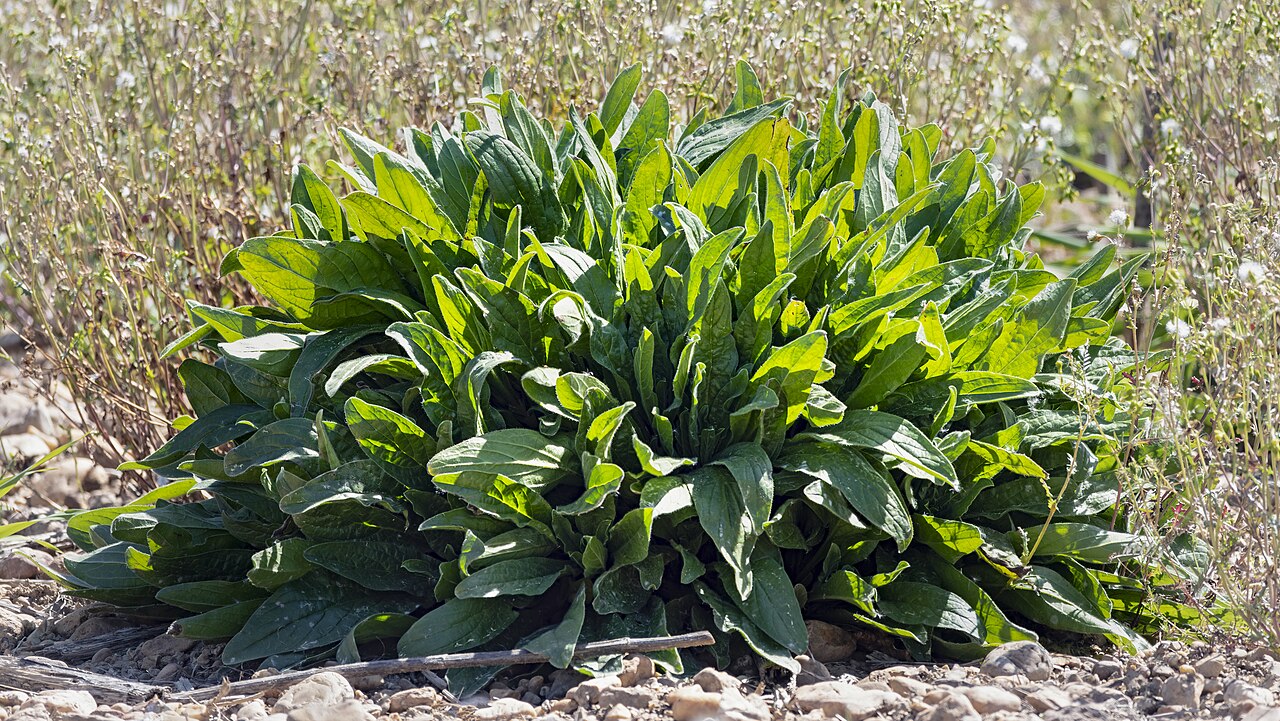
Sorrel is a hardy perennial leaf crop, one of the first things ready to pick in spring. Common sorrel (Rumex acetosa) has broad, arrow-shaped leaves and a bold, lemony tang. French sorrel (Rumex scutatus) has smaller, shield-shaped leaves and a milder, more refined flavor — the one French cooks reach for. Both belong to the buckwheat family, not the spinach family, and both get their pucker from oxalic acid, the same compound that makes rhubarb tart.
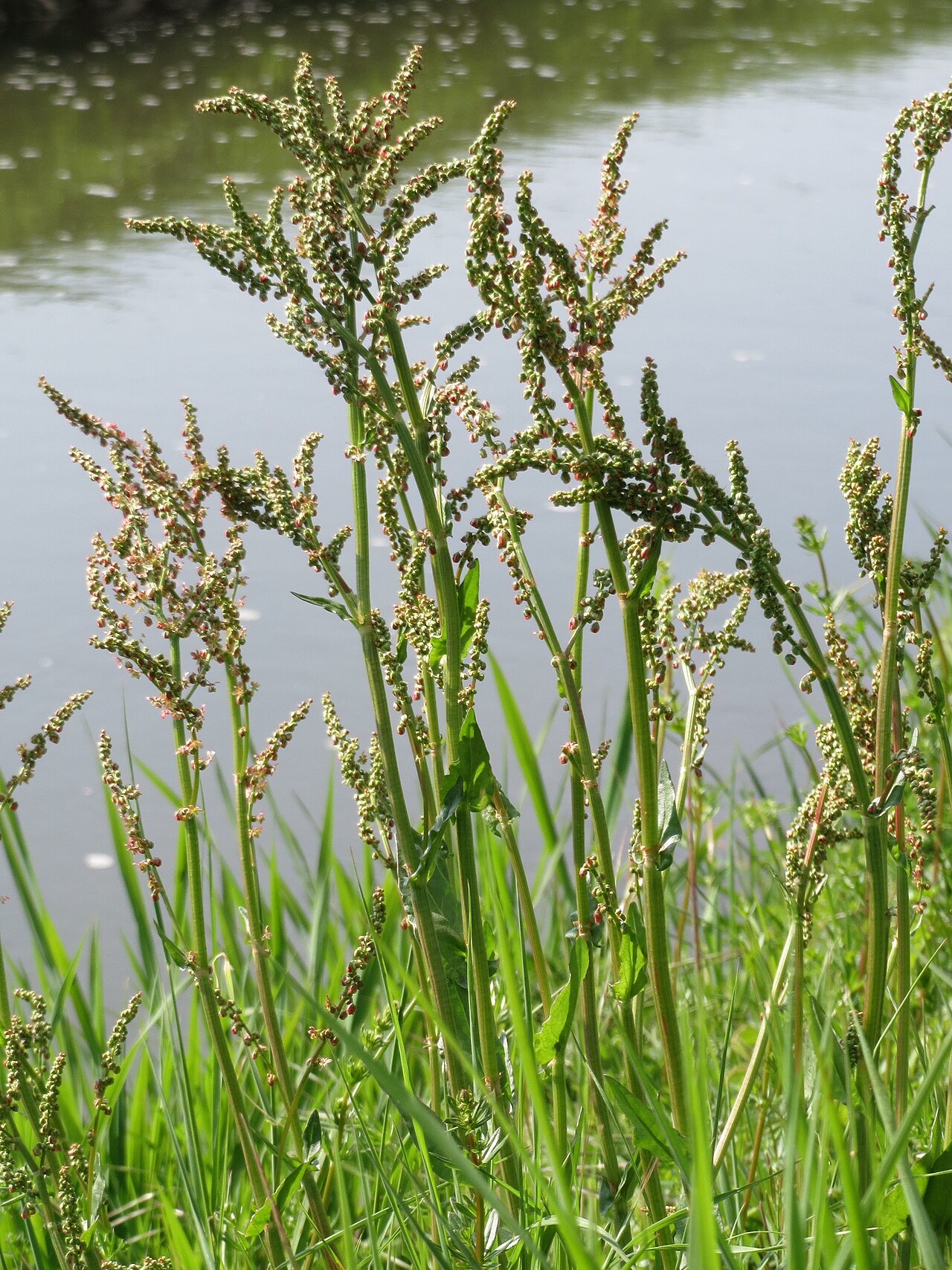
Start seed indoors about three weeks before your last frost, or direct-seed in early spring, in a spot with good drainage and rich soil. Space mature plants at least a foot apart; sorrel forms a deep-rooted clump that only gets better with age. Cut flower stalks off as they appear — flowering makes leaves tougher and more bitter — and divide the clump every few years in spring if it outgrows its space. Pick young leaves often; regular picking keeps tender new growth coming.
USDA zones
Sorrel is reliably perennial in zones 3–8, and it is hardy enough for Minnesota gardens at zone 3. In warmer zones it can be grown as a cool-season annual or kept going with shade and steady moisture. In Florida, treat it as a fall-through-spring crop: plant in fall, harvest through the mild months, and expect it to flag in summer heat.
Water & feeding
Sorrel likes steady moisture — about an inch of water a week, soaked in deeply — and rich soil with plenty of compost worked in before planting. A spring top-dress of compost or worm castings is plenty of feeding; it is not a heavy feeder. Letting it dry out in heat is what turns leaves tough and extra-sharp, so mulch and water are your flavor controls.
Common problems
- Bolting in heat — flower stalks mean the plant is done making tender leaves for now. Snip stalks promptly and keep plants watered and partly shaded.
- Tough, bitter older leaves — pick young leaves and cook older ones; cooking greatly softens sorrel’s tartness, which is why soups can take large handfuls of it.
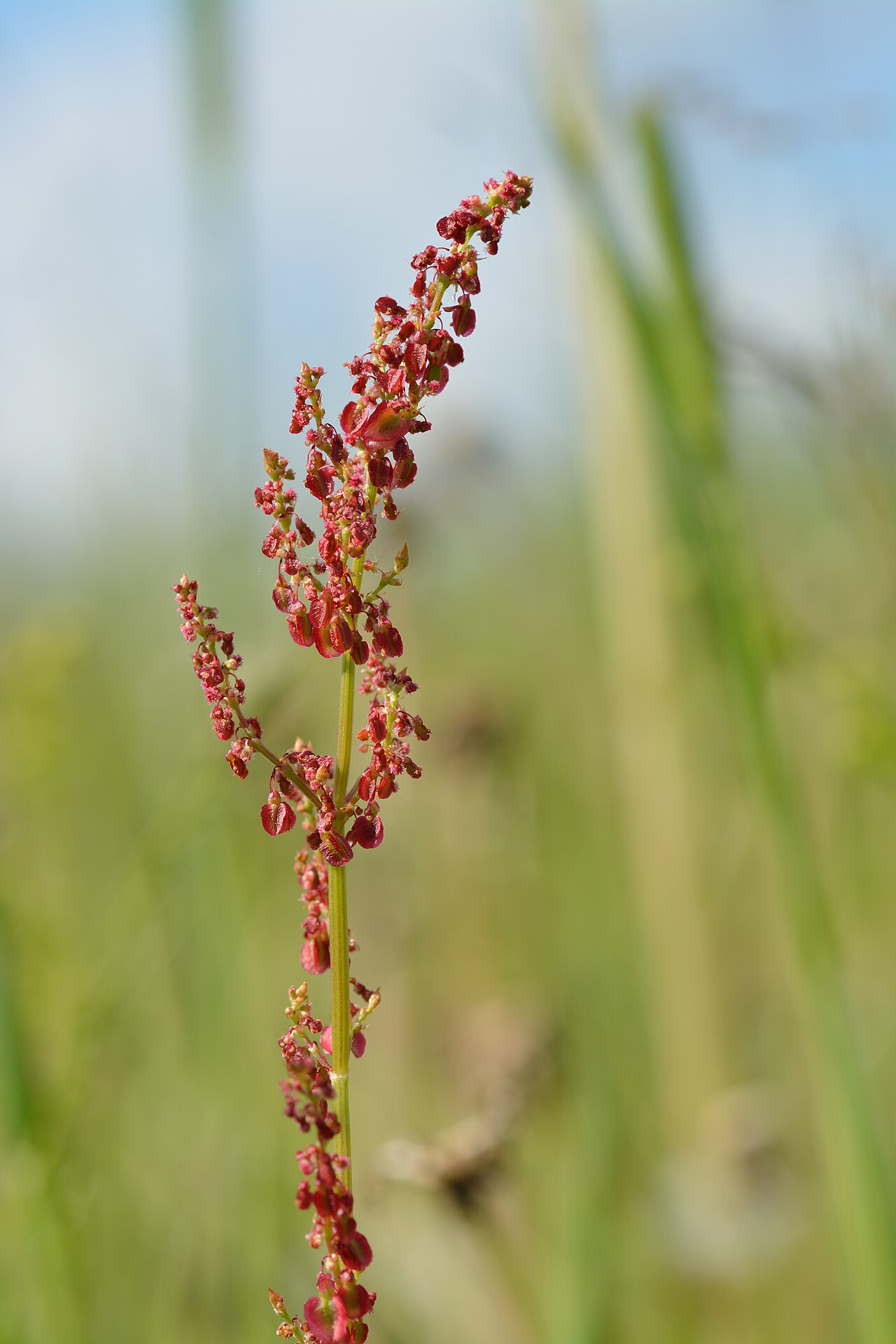
- Self-seeding — sorrel can spread by seed if flower heads are left on. Cut heads before they ripen if you do not want volunteers everywhere.
Harvest
Pick outer leaves once plants are established, leaving the center to keep growing — a healthy clump can be cut again and again through the season. Use young leaves raw in salads and sandwiches; cook larger leaves into soups, sauces, and the classic sorrel soup. Leaves are best eaten fresh, as they wilt fast, but cooked sorrel freezes well. A note on moderation: sorrel’s oxalic acid means it is best enjoyed as part of a varied diet rather than by the bushel at every meal, especially for anyone sensitive to oxalates.
Browse all plant & pest guides
Saving seeds
Sorrel is easy seed. Let a few plants bolt and flower — the flower spikes turn brown and dry in summer — then strip the seed into a paper bag. No cold treatment is needed; sow in spring in moist soil, barely covered, and germination usually comes in one to two weeks. You can also direct-sow in fall and let the seed wait out winter in the soil.
Sorrel self-seeds freely, so deadhead if you do not want a patch of it everywhere, or let it go and pull the volunteers you do not want. Save from the plants with the best flavor — the mildest, lemoniest leaves — and let the bitter, bolt-prone ones go to the compost instead of to seed. That is selection, and it works.
Sorrel crosses with other Rumex — dock and its cousins — so if you want pure sorrel seed, grow only one Rumex type for seed at a time, or accept that the offspring may be a dock-sorrel mix. Dry the seed thoroughly before storing; it keeps a few years in a cool, dry jar.
In Florida, sorrel is a cool-season green for fall through spring, happiest in north and central Florida with afternoon shade and moist soil. It bolts fast in the heat, so sow in fall for the longest harvest, and let a few plants go to seed in spring to stock next year’s bed.
Varieties
Every named variety of Sorrel with its own growing guide:
- Large Leaf Sorrel — The classic garden sorrel — broad, lemony leaves, heavy cropping, and the standard for soups and sauces.
- Blonde de Lyon Sorrel — The tender French sorrel — pale, refined leaves, mild lemon flavor, and the connoisseur's sorrel.
- Profusion Sorrel — The never-bolting sorrel — tangy leaves all season, propagated by division, and the low-fuss perennial.
- Belleville Sorrel — The French sorrel for big, mild leaves: broad, tender, lemony foliage on a vigorous perennial — the soup sorrel.
- Red-Veined Sorrel — The ornamental sorrel: green leaves veined in crimson, lemony and mild — the prettiest leaf in the herb bed.