
🔔 Penstemon
What it looks like
How to grow
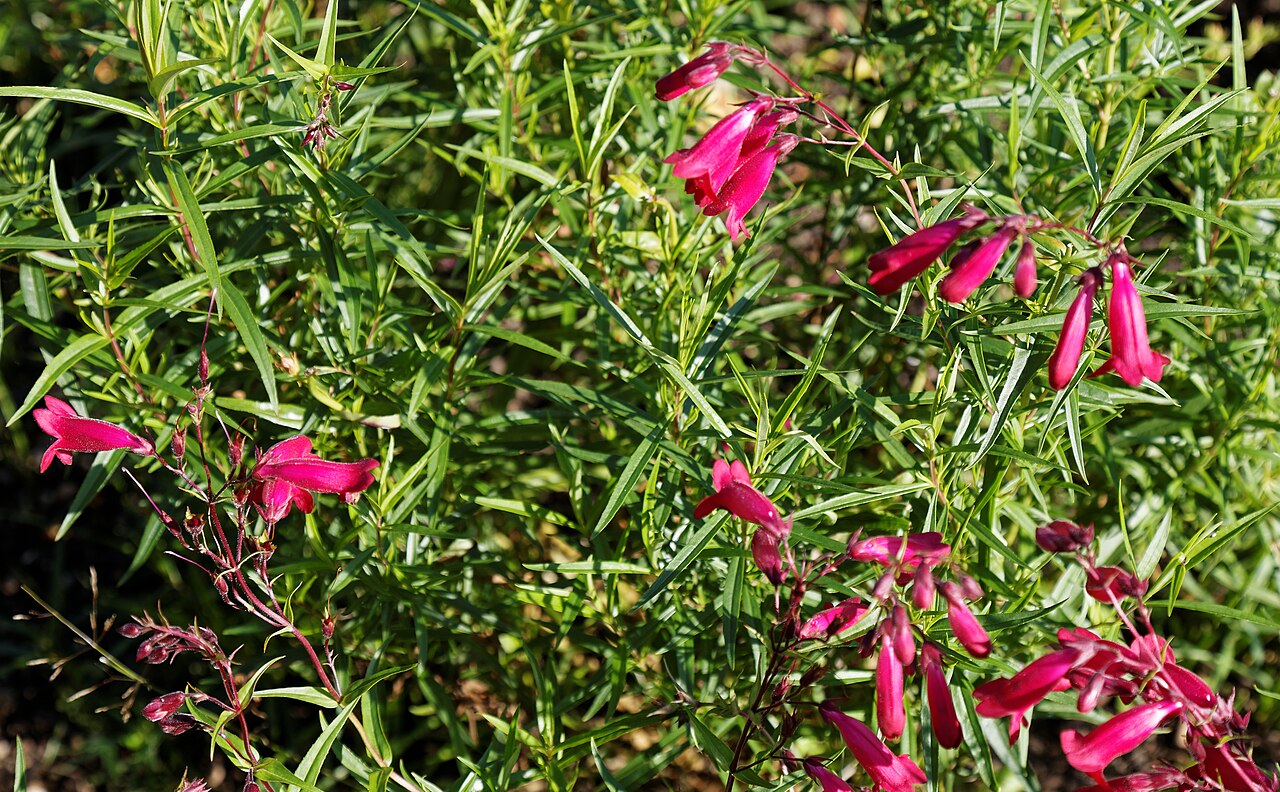
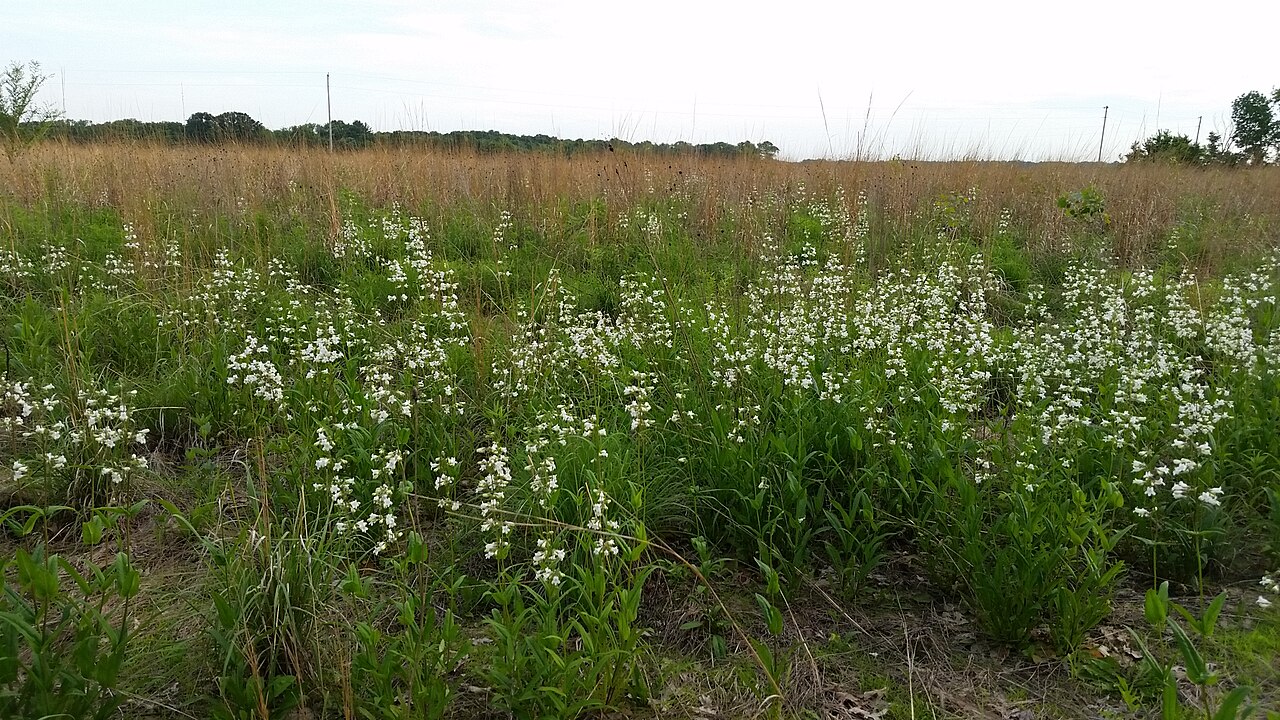
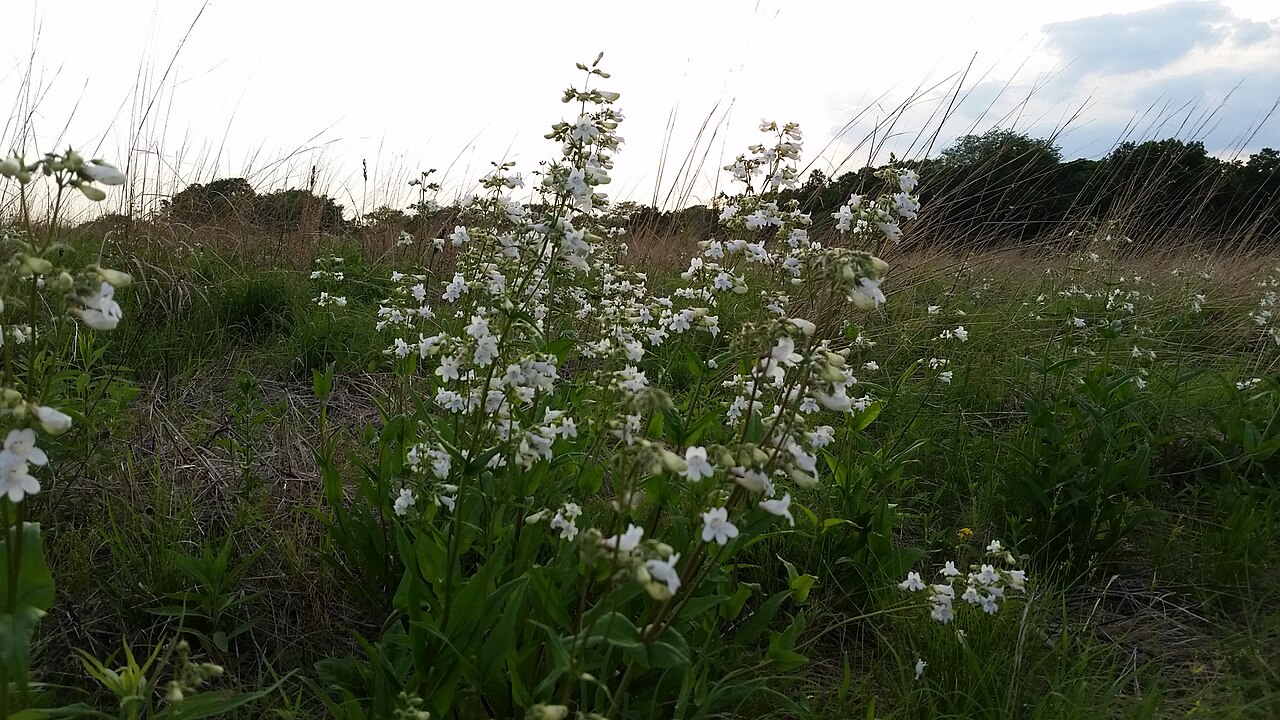
Penstemon, or beardtongue, is a huge North American genus — over 250 species — so garden penstemons range from 6-inch rock-garden gems to 5-foot border plants, in pink, purple, red, blue, and white tubular flowers with a distinctive fuzzy ‘tongue’ inside (the staminode that gives it its name). What they share: full sun, excellent drainage, and a dislike of wet winter soil, which kills more penstemons than cold does. Plant in spring in well-drained, even lean soil, spacing 18–24 inches apart, and do not enrich the bed heavily — penstemon in rich, wet soil grows soft and short-lived. Hummingbirds and bees are devoted visitors, and many types rebloom if deadheaded. Choose species suited to your zone: Rocky Mountain penstemon (P. strictus) is hardy to zone 3, while many showy hybrids are hardy only to zone 6 or so — check the label, not just the genus.
Water & feeding
Water regularly the first season, then water sparingly; established penstemon is drought-tolerant and overwatering shortens its life. Feed lightly in spring with compost if soil is poor; skip fertilizer in decent soil. Mulch with gravel rather than moisture-holding mulch in wet climates.
Common problems
- Winter rot — wet soil is the top killer; plant high, drain well, use gravel mulch.
- Short life — many penstemons are naturally short-lived perennials; let them self-seed or replace every few years.
- Flopping — too much shade, water, or fertilizer; give sun and lean soil.
- Crown rot — avoid burying the crown; keep mulch pulled back.
Notes
Deadhead after the first flush for rebloom in warm zones, and cut stems back to about 6 inches in spring to encourage bushy growth. Propagate by division in spring or softwood cuttings in summer, and let some plants self-seed — seedlings keep the planting going even as individual plants age out. Cut back perennials to the ground in fall in cold zones and mulch lightly.
Browse all plant & pest guides
Saving seeds
Penstemon is a genus of roughly 250 species, and this is genus-level advice because the cold treatment varies a lot from one species to the next. The common thread: most penstemons need a chill before they will sprout. Collect the pods when they turn brown and begin to split, then dry them in a paper bag and shake the small, dark seed out. Seed from a named cultivar will not come true — penstemon crosses readily, and seedlings vary in color and habit — so if you want an exact copy of a favorite plant, take cuttings instead.
For the cold treatment, mix the seed with damp sand or vermiculite in a sealed bag and refrigerate at 35 to 40°F. How long is where the sources disagree: garden references say 2 to 4 weeks, most growers use 4 to 8 weeks, and some cold-climate species need 90 days or more. The honest rule is to match the plant’s origins — a species from the desert Southwest needs a short chill, a mountain species needs a long one — and if you do not know, give it 6 to 8 weeks and accept that germination may be uneven. Fall sowing outdoors is the lazy alternative: scatter the seed in late fall and let winter do the work.
Sow on the surface and barely cover, if at all — penstemon seed needs light to germinate, so press it into moist seed-starting mix and dust it with a whisper of fine sand or vermiculite. Keep it at 65 to 70°F and evenly moist, and expect sprouts in 2 to 3 weeks, though some species take a month or more and a few stragglers may wait until the next season. Do not bury the seed: depth is the most common reason penstemon seed fails.
Store dry seed in a paper envelope in a cool, dry place; it keeps for a couple of years, though fresh seed germinates best. In Florida, penstemon is a cool-season performer in most of the state, so start seed in late winter and give seedlings their best shot before the summer heat arrives.
Varieties
Every named variety of Penstemon with its own growing guide:
- Dark Towers Penstemon — The darker towers: deep burgundy foliage with pink flower spikes, Husker Red grown moodier.
- Husker Red Penstemon — The burgundy penstemon: white flower spikes over wine-red foliage, the 1996 Perennial Plant of the Year.