
🍋 Oca
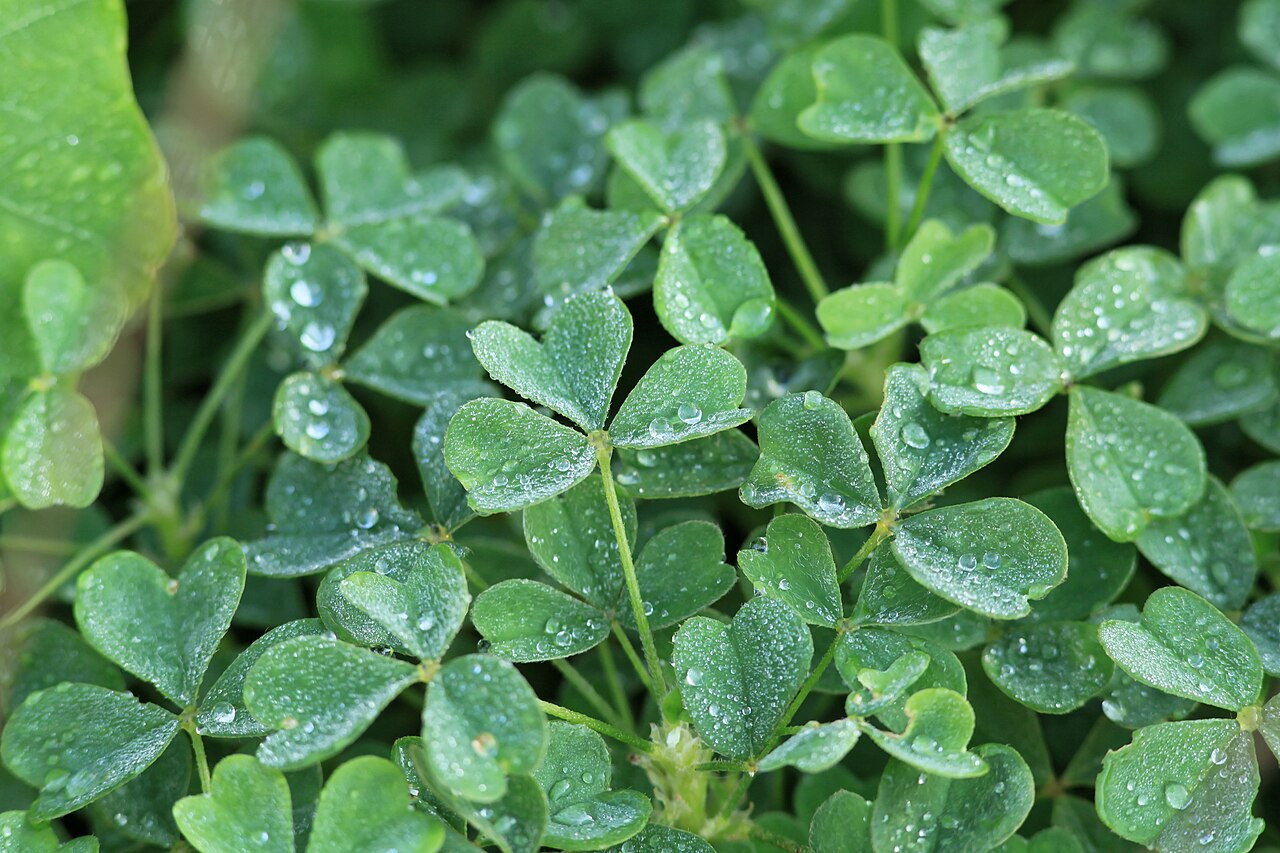
What it looks like


How to grow
Oca, also called New Zealand yam (though it is not a true yam), is an Andean tuber crop grown for colorful, lemony tubers in red, pink, orange, and cream. Plant tubers in spring after the last frost, 2–3 inches deep, in rich, well-drained soil, in full sun — with afternoon shade in hot southern climates. Plants sprawl about 3 feet wide, and burying vining stems at intervals increases tuber production, as tubers form wherever stems meet soil. The key constraint is photoperiod: most oca varieties only form tubers when days drop below about 12 hours, after the autumn equinox, so tubers bulk up from mid-October onward and need about six frost-free weeks after that — protect plants from early frosts with covers or tunnels, or yields stay small. Oca does best in cool maritime climates like the Pacific Northwest and coastal California, and in zones 7–9 with cooler summers.
Water & feeding
Water regularly but never waterlog; oca is more drought-tolerant than potato once established. Feed with compost at planting — 2 inches worked into the top 8 inches — and a handful of organic fertilizer per planting hole. Hill soil around stems as plants grow, like potatoes.
Common problems
- Early frost — the main yield-killer; cover plants to buy autumn weeks.
- Heat stress — give afternoon shade in hot climates.
- Small tubers — planted too late, harvested too early, or grown in poor, dry soil.
- Oxalic tang — fresh tubers are lemony from oxalic acid; sun-cure to sweeten (see Harvest).
Harvest
Dig tubers in late autumn to early winter, after foliage dies back or after the first hard frost kills tops — the longer tubers stay in the ground in autumn, the bigger they get. Save small tubers for replanting next spring. Fresh tubers are tangy; spread them in direct sunlight for 5–14 days to break down oxalic acid and convert starches to sugars, making them sweet enough to eat raw like fruit. After curing, store in a cool, dark place at 40–50°F for several months. Eat skin and all, raw or roasted in olive oil, where the flavor turns sweet and starchy like turnip or kohlrabi.
Browse all plant & pest guides
Propagation
Oca is grown from tubers, not from seed, and that is the first thing to know about multiplying it. The plant does flower, but it rarely sets seed in cultivation — and when it does, the seed is not a reliable way to get more oca. The tuber is the seed, the harvest is the planting stock, and the whole cycle runs on the same logic as potatoes.
Save your planting stock at harvest. Lift the tubers after the first frost kills the tops, or in late fall when the tubers have finished forming — oca only starts making tubers when the days shorten in autumn, which is why the harvest is so late. Choose small, firm, unblemished tubers from your healthiest, most productive plants, and set them aside before the rest go to the kitchen. Cure them for a few days in a cool, airy, shaded spot, then store them in a paper bag or a box of dry sand or sawdust, in a cool, dark, dry place. They keep for months if they stay dry and cool, and they will sprout on their own schedule as spring approaches.
Plant the saved tubers in spring, after the last frost, about two inches deep and a foot or two apart. Plant small tubers whole — cutting them, the way you would cut a seed potato, works but risks rot, so whole is the safer bet for oca. Each tuber will send up several shoots and form a clump, and by autumn the clump will have made a new crop of tubers.
One practical note: oca tubers sun-cure to sweetness. The tubers you save for planting do not need sun, but the ones you eat get sweeter after a few days in the sun — which is a pleasant accident of the same harvest. Keep your planting stock labeled and separate from your eating stock, or next spring you will be planting the sweetest tubers and eating the planting stock, which is a mistake in exactly the wrong direction.
Varieties
Every named variety of Oca with its own growing guide:
- Sunset Oca — The heavy-yielding oca — orange tubers with red eyes, carrot-sweet flavor, and the earliest tuber set of the lot.
- Bolivian Red Oca — The deep-red oca — blood-red tubers, a classic Andean type, and a strong, steady producer.
- Hopin Oca — The pink-tubed oca — gorgeous pink tubers, vigorous growth, and a favorite for breeding new types.