
🩶 Wormwood
What it looks like
How to grow
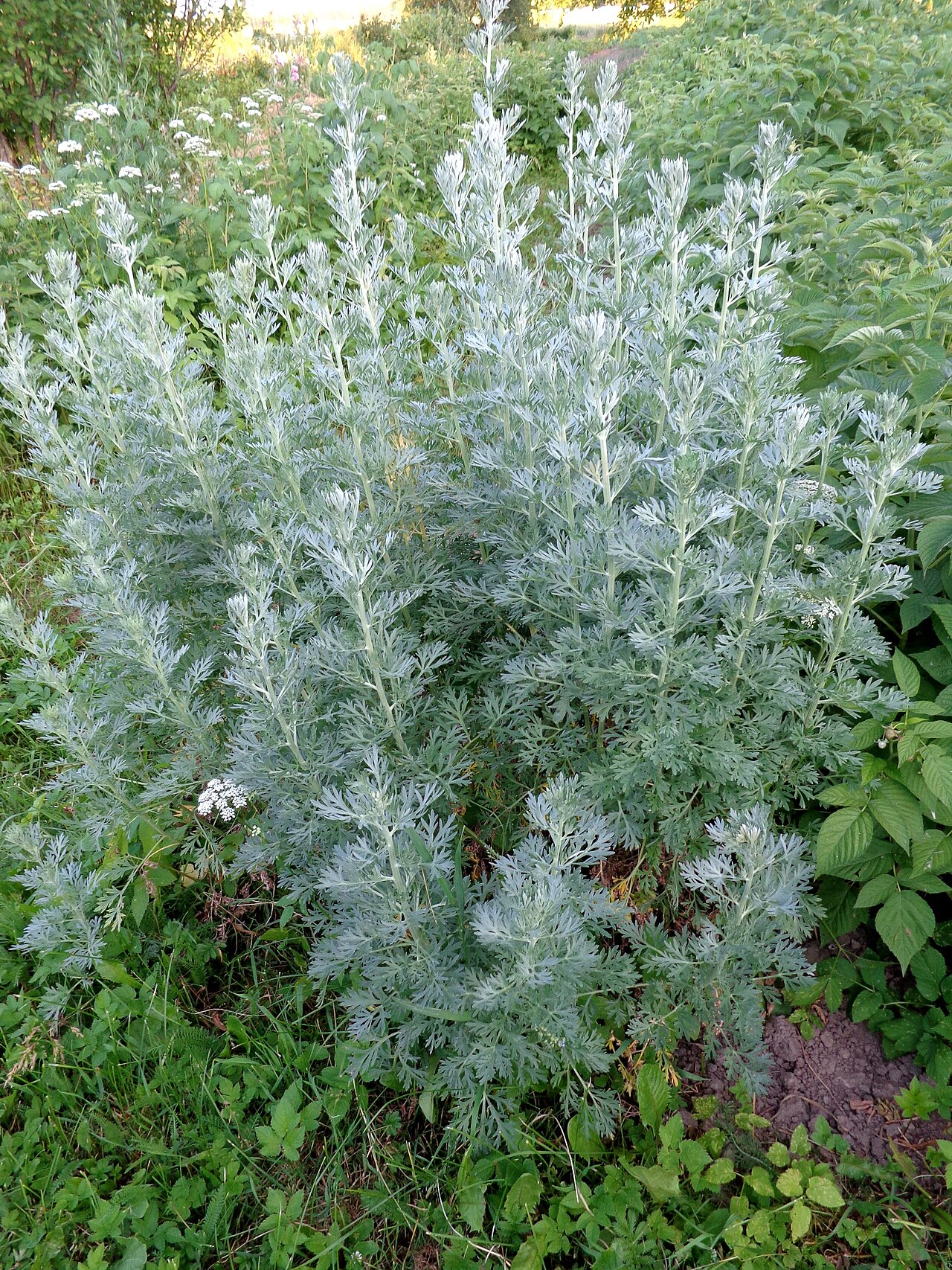
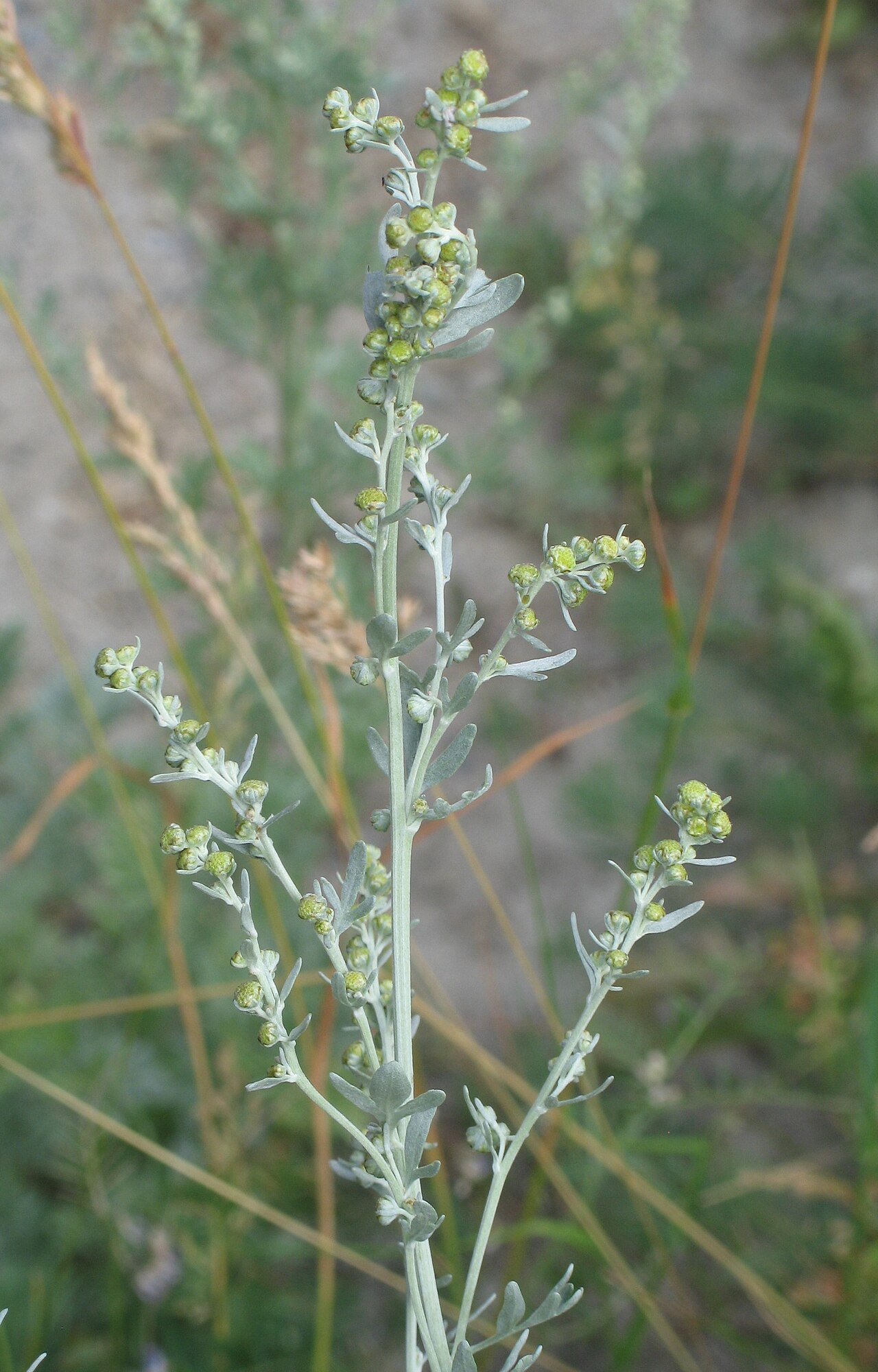
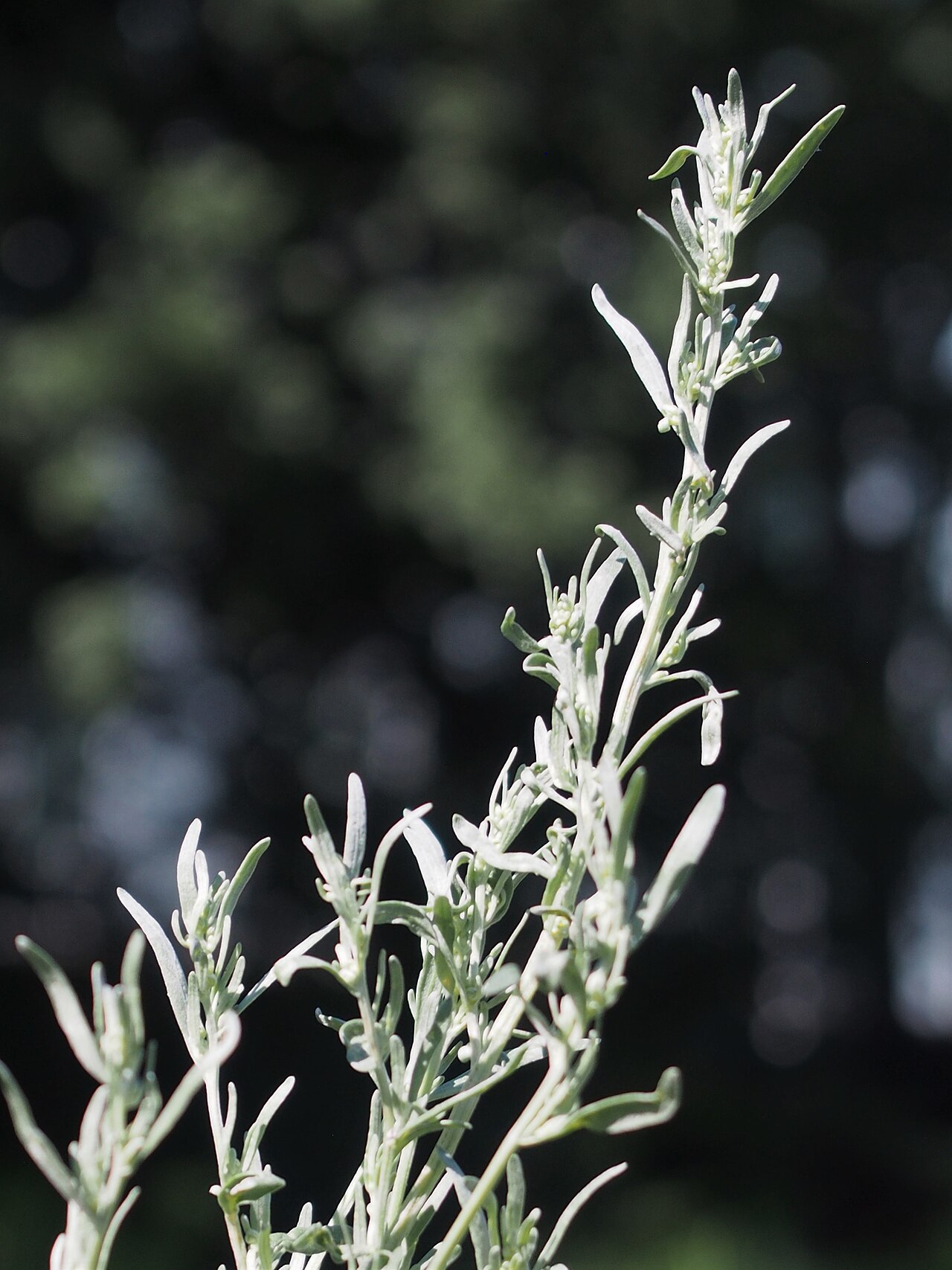
Wormwood is a woody-based perennial with finely divided, silvery-gray, intensely aromatic leaves and small yellow flowers in late summer, growing 2-4 feet tall in a mounding shrub. Start from seed indoors or from cuttings and divisions in spring, and plant it in the sunniest, driest, leanest corner you have — wormwood thrives on neglect, poor soil, and sharp drainage, and rich, wet soil makes it floppy and short-lived. Give it space: its roots release compounds that can inhibit nearby plants (allelopathy), so do not tuck it cheek-by-jowl with tender vegetables, and do not confuse it with its cousin mugwort, which spreads far more aggressively by rhizomes and is invasive in much of the eastern US. Wormwood itself stays in a clump, which is one reason gardeners prefer it. Cut it back hard in spring to keep it dense and silvery rather than woody and bare-legged.
Water & feeding
Water sparingly once established — wormwood is a drought-tolerant Mediterranean plant and overwatering kills it faster than drought does. It needs no fertilizer at all; compost at planting is more than enough, and excess nitrogen ruins the silvery color and the compact shape. Mulch with gravel rather than organic mulch in wet climates, to keep the crown dry.
Common problems
- Root rot in wet soil — plant in raised beds or gritty soil, and never let it sit in winter wet.
- Allelopathy — keep it away from the roots of tender crops and seedlings, or give it its own corner of the herb bed.
- Woodiness with age — cut back by half in spring and again after flowering to force fresh, silvery growth from the base.
- Aphids on flower stalks — usually minor; the plant’s own bitterness deters most pests, and a water blast settles the rest.
Harvest
Snip leafy stems through the season, cutting the top growth before flowers fully open if you want the most aromatic foliage, and dry in small bunches in a dark, airy place. Safety note, plainly: wormwood contains thujone, a compound that is toxic in quantity, and its concentrated oil should never be taken internally. This guide is about growing an ornamental and aromatic garden plant — it is not a recipe for absinthe, wormwood tea, or any home remedy, and you should not ingest homegrown wormwood. Handle with gloves if your skin is sensitive, and keep dried material away from children and pets.
Browse all plant & pest guides
Saving seeds
Wormwood seed is dust — tiny, light-hungry, and easy to lose. Let a few flower heads ripen on the plant until they are dry and brown, then strip them into a paper bag over a sheet of white paper. Sow on the surface of moist mix and do not bury the seed at all; it needs light to germinate. Keep it warm, and germination usually comes in one to two weeks. No cold treatment is needed.
It self-seeds freely, so deadhead if you do not want a patch of it everywhere, or let it go and pull the volunteers you do not want. Save from the plants with the strongest scent — the silvery-est leaves, the most aromatic — and dry the seed thoroughly before storing; it keeps a few years in a cool, dry jar.
Seedlings will vary, and the named forms come only from cuttings or division. Division is easy for the clump-forming kinds — lift and split in spring or fall, and every piece with roots and shoots attached becomes a plant.
And two cautions. First, wormwood contains thujone, which is toxic in quantity — this guide does not give medical advice, and the seed note here is for the garden, not the medicine cabinet. Second, wormwood is allelopathic: it suppresses the growth of nearby plants, so do not plant it in the middle of your vegetable bed.
Varieties
Every named variety of Wormwood with its own growing guide:
- Lambrook Mist Wormwood — The fine-mist wormwood: an RHS-accepted selection with extra-finely divided, silvery-grey foliage, the lacier wormwood.
- Lambrook Silver Wormwood — The classic silver wormwood: compact, intensely silvery, finely divided foliage, the wormwood every silver garden starts with.