
🌼 Dandelion
What it looks like
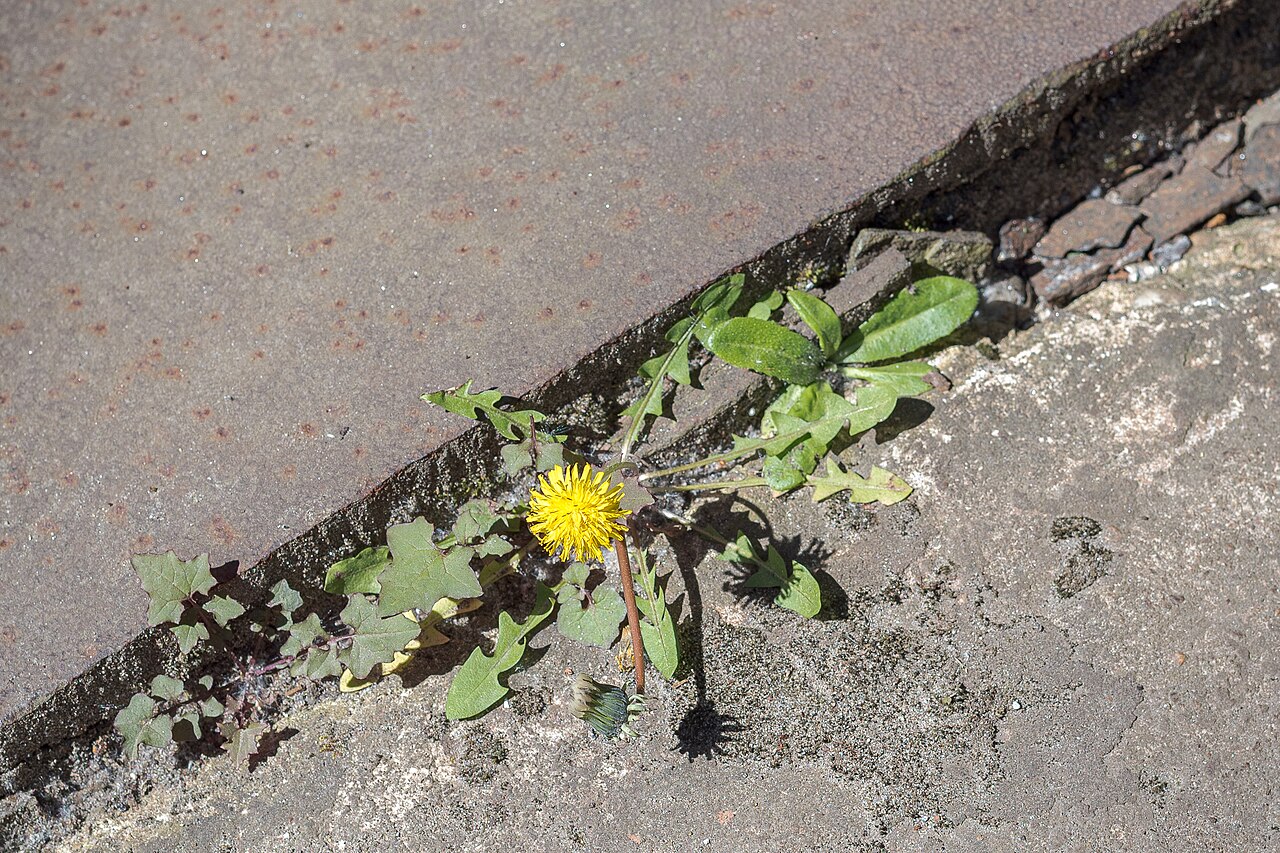
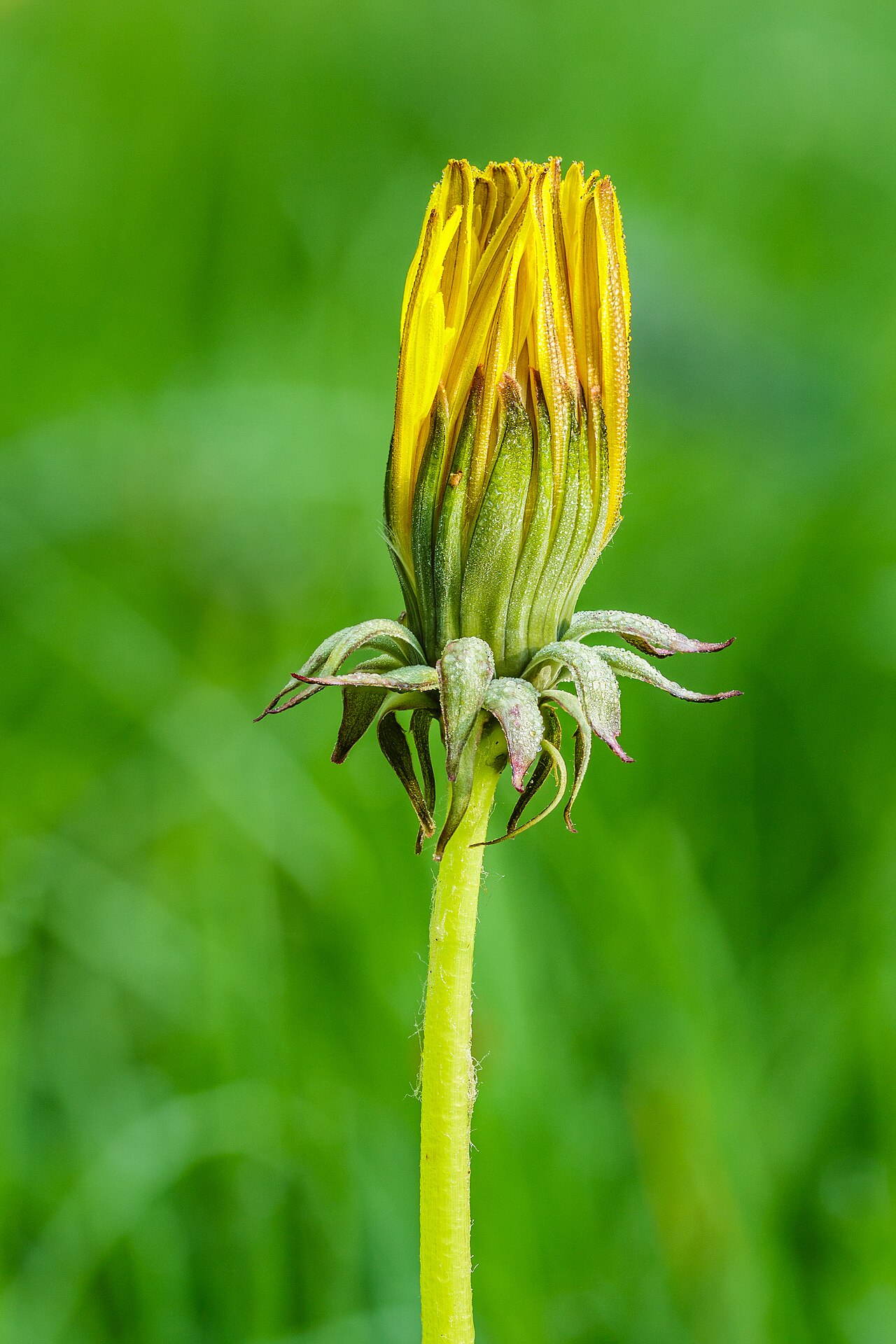
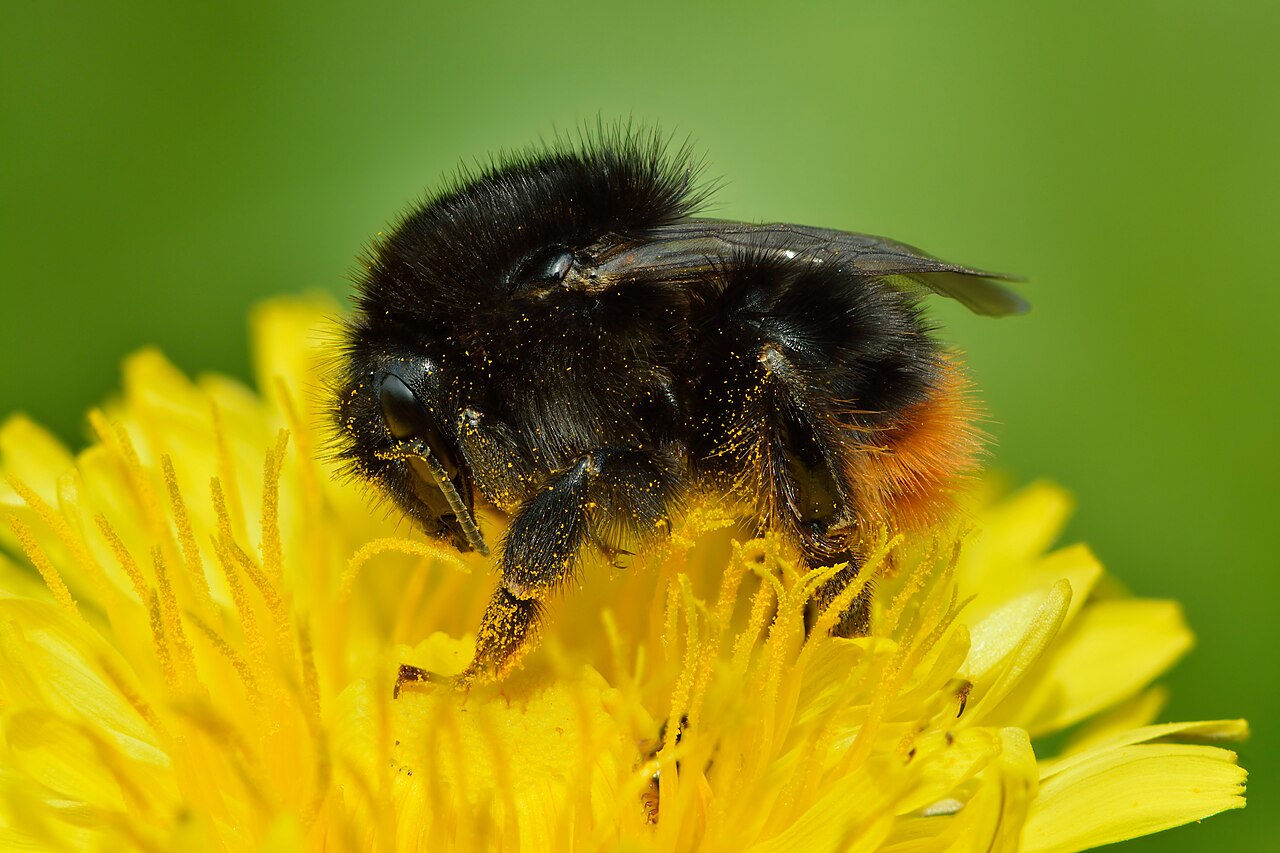
How to grow
Cultivated dandelion is the same species as the lawn weed, bred for larger, less bitter leaves and longer, straighter roots — varieties like ‘Improved Thick-Leaved’ and ‘French’ are the ones to grow. Sow seed directly outdoors in spring or fall, a quarter inch deep, in full sun to part shade and any decent soil; dandelion germinates readily and grows fast, which is the whole point and also the warning. It has a deep taproot, so give it loose, deep soil if you want harvestable roots, and grow named varieties in a bed you control rather than letting lawn dandelions seed into it. Deadhead before the white clocks form if you do not want dandelions in every bed next year — one clock makes hundreds of wind-borne seeds, and your neighbors will notice. In Florida and warm zones, grow it in fall through spring, since summer heat makes it bolt and turn bitter fast.
Water & feeding
Water regularly — about an inch a week — for tender leaves; drought makes dandelion leaves tough and bitter, which is fine for roots but poor for salads. Feed lightly with compost at planting; dandelion needs almost nothing, and rich soil mostly makes bigger leaves. Mulch to hold moisture, and water deeply before digging roots so they come out whole.
Common problems
- Bolting and bitterness in heat — grow in cool seasons, give afternoon shade in warm climates, and blanch leaves by covering plants for a few days to sweeten them.
- Self-seeding everywhere — deadhead before clocks form, and do not let plants go to seed near lawns or wild areas.
- Taproot breakage on digging — water deeply first, use a long fork, and dig after rain for the longest roots.
- Aphids on flower heads — usually minor; blast with water and the plant outgrows it.
Harvest
Snip young leaves as needed, taking outer leaves first and picking before plants flower for the mildest flavor — older leaves are best blanched or cooked. Dig roots in fall of the first year or spring of the second, after a good watering, and scrub them well before drying. Flowers can be picked just as they open for fritters and wine-making traditions. One caution: only harvest dandelions from ground you know has not been sprayed or treated — roadside and lawn dandelions are often contaminated, which is exactly why growing your own in a clean bed is worth doing.
Browse all plant & pest guides
Saving seeds
Saving dandelion seed is the easiest seed saving you will ever do, and that is exactly why it needs a warning label the size of the bed. Dandelion does not need your help to reproduce. One flower head, left alone, becomes one white clock, and one clock sends hundreds of parachute seeds drifting on the wind to every bed, lawn, and neighbour’s garden in the area. So this section is not a celebration of abundance. It is a controlled burn: how to save seed on purpose, in a bed you control, while deadheading everything else before it can do the same thing without permission.
First, decide which plant earns the honour, and make it a plant in your clean, cultivated bed, not a lawn weed of unknown spray history. The guide already says to harvest only from ground you know is unsprayed, and the same rule applies double to seed. Grow a named variety if you want named-variety seed, and keep it in its own bed, away from lawn dandelions, because a variety grown cheek by jowl with wild plants will not stay a pure variety for long. Choose one or two of the best plants, the ones with the broad leaves and straight roots you actually want more of, and let only those go to seed. Deadhead every other flower head while it is still yellow, before a single white parachute forms. This is not optional tidiness. It is the difference between a dandelion patch and a dandelion neighbourhood.
When your chosen heads have turned into full, fluffy white clocks, harvest on a calm, dry day, and do it with a bag in hand. Slip a paper bag over the clock before you snip the stem, or snip straight into the bag, because a clock that brushes your sleeve on the way indoors has already sown itself down the hallway. Let the heads dry fully in the bag, then rub them to separate the seed, the little brown achenes, from the fluff, and winnow or pick out the worst of the parachutes. Dry the seed thoroughly on paper, then store it in a labelled paper envelope inside an airtight jar with a desiccant packet, kept cool and dark. In Florida humidity, dry it longer than you think necessary before sealing, and sow it in fall through spring, when dandelion actually enjoys itself, rather than in summer heat that makes it bolt and turn bitter. Fresh seed germinates most eagerly.
Here is the nerdy part that makes dandelion seed saving work so well, and also explains why it is so hard to stop. Common dandelion often reproduces by apomixis, meaning it sets seed without fertilisation, and the seedlings are essentially clones of the mother plant. Seed saved from a good plant usually gives you more plants very much like her, which is a gift if she is a named variety in a controlled bed, and a headache if she is a lawn weed, because every clock is a photocopier with a parachute. Sowing is simple: scatter seed on loose, deep soil, press it in lightly, and keep it moist until germination, which is usually quick. And the prevention rules, stated plainly: deadhead before clocks form, bag and trash unwanted heads, never compost them, since home compost will not reliably kill dandelion seed, and never let a clock blow free. Save deliberately, in one bed, from plants you chose, and be ruthless with the rest. That is how the weed stays a crop.
Varieties
Every named variety of Dandelion with its own growing guide:
- Amélioré à Coeur Plein Dandelion — The improved full-heart dandelion — abundant leaves, a clumping habit that blanches itself, and the French market type.
- Vert de Montmagny Dandelion — The big green dandelion — large, vigorous leaves, early maturity, and the French cultivar for serious leaf harvests.
- Broad-leaved Dandelion — The broad-leafed dandelion — thick, tender leaves that blanch easily, and the type that holds off seeding longest.
- Clio Dandelion — The Italian dandelion: upright, high-yielding greens that are easy to harvest, from the classic Italian cutting type.
- Ameliore Tres Hatif Dandelion — The very early French dandelion: one of Vilmorin’s classic forcing types, bred for winter and spring picking under cover.
- Improved Thick Leaved Dandelion — The thick-leaved dandelion: broad, substantial leaves bred for the cooking pot, named in the species guide itself.